
Cleaning motorcycle helmet pads is crucial for comfort and hygiene. Dirty pads can cause discomfort and smell bad.
Keeping your helmet pads clean ensures a fresh riding experience. Over time, sweat and dirt build up, making it essential to clean them regularly. Learning how to clean motorcycle helmet pads not only extends the life of your helmet but also maintains its performance. Properly cleaning your helmet pads can seem daunting, but it’s quite simple.
This guide will walk you through easy steps on how to clean motorcycle helmet pads to keep them spotless and ready for your next ride. Whether you’re a daily commuter or a weekend rider, clean helmet pads are vital for a pleasant journey. Let’s dive into the process and make your helmet feel new again.

Credit: www.youtube.com
Importance Of Cleaning Helmet Pads
Cleaning your motorcycle helmet pads is crucial for several reasons. Not only does it keep your helmet fresh, but it also ensures your safety and comfort. Regular cleaning of helmet pads can enhance hygiene, prolong the life of your helmet, and maintain its overall performance.
Health And Hygiene
Your helmet pads absorb sweat and oils from your skin. Over time, this can lead to bacteria build-up and unpleasant odors. If left uncleaned, these bacteria can cause skin irritations and other health issues. Keeping your helmet pads clean ensures that you are not exposing your skin to harmful bacteria.
Here are some key health benefits of cleaning your helmet pads:
- Prevents skin irritations
- Reduces the risk of bacterial infections
- Eliminates unpleasant odors
- Maintains a fresh feel every ride
Prolonging Helmet Life
Regular cleaning of your helmet pads can also prolong the life of your helmet. Dirt and grime can cause wear and tear on the materials. By keeping the pads clean, you reduce the abrasive effects of these particles. This helps maintain the structural integrity of your helmet.
Here are some benefits of prolonging helmet life:
- Maintains the helmet’s protective capabilities
- Saves money on frequent replacements
- Preserves the interior comfort and fit
By dedicating a bit of time to cleaning, you can ensure your helmet remains effective and comfortable for years.
Materials Needed
Cleaning your motorcycle helmet pads is essential to maintain hygiene and comfort. But before you start, gather the necessary materials. Proper tools and cleaning solutions ensure effective and safe cleaning.
Cleaning Solutions
- Mild Detergent: Use a gentle detergent to avoid damaging the pads.
- Warm Water: Lukewarm water helps in cleaning without causing shrinkage.
- White Vinegar: A natural disinfectant that kills bacteria and removes odors.
- Baking Soda: Useful for removing stubborn stains and neutralizing smells.
Tools And Accessories
- Soft Brush: A soft-bristle brush helps scrub the pads gently without causing wear and tear.
- Microfiber Cloth: Ideal for drying the pads without leaving any lint.
- Bucket: A bucket is handy for soaking the pads in the cleaning solution.
- Fan: Use a fan to speed up the drying process and prevent mold growth.
- Dry Towel: For initial drying and to absorb excess moisture.
| Materials | Purpose |
|---|---|
| Mild Detergent | Clean and remove dirt |
| Warm Water | Mix with detergent |
| White Vinegar | Disinfect and deodorize |
| Baking Soda | Remove stains and odors |
| Soft Brush | Scrub pads gently |
| Microfiber Cloth | Dry pads lint-free |
| Bucket | Soak pads |
| Fan | Speed up drying |
| Dry Towel | Absorb moisture |
Preparation Steps
Remove the helmet pads from the helmet. Use mild soap and warm water to clean them gently. Let them air dry completely.
Cleaning your motorcycle helmet pads is essential for hygiene and comfort. Proper preparation ensures a thorough and effective cleaning process. Follow these steps to get started.
Removing Helmet Pads
First, remove the helmet pads. Check your helmet’s manual for specific instructions. Most helmets have removable pads for easy cleaning. Gently detach the pads from the helmet interior. Take care not to damage any clips or fasteners.
Setting Up Cleaning Area
Next, set up your cleaning area. Choose a well-ventilated space. Lay down a clean towel or cloth to protect surfaces. Gather all necessary cleaning supplies. You’ll need mild soap, water, and a soft brush. Ensure all items are within reach to streamline the process.
Cleaning Helmet Pads
Cleaning your motorcycle helmet pads is essential for maintaining hygiene and comfort. Helmet pads absorb sweat and dirt over time, creating an unpleasant smell. Regular cleaning keeps them fresh and extends their lifespan. Here are two effective methods for cleaning helmet pads: hand washing and machine washing.
Hand Washing Method
Hand washing is a gentle way to clean helmet pads. Start by removing the pads from the helmet. Use a mild detergent mixed with warm water. Submerge the pads in the solution and gently scrub them with your hands. Avoid using harsh chemicals or rough brushes. Rinse the pads thoroughly to remove all soap residue. Squeeze out excess water without twisting the pads. Let them air dry completely before reattaching them to your helmet.
Machine Washing Method
If you prefer machine washing, it’s crucial to take precautions. Place the helmet pads in a mesh laundry bag. Use a gentle cycle with cold water. Select a mild detergent suitable for delicate fabrics. Avoid using bleach or fabric softeners. Once the cycle is complete, remove the pads from the bag. Allow them to air dry naturally. Avoid using a dryer as heat can damage the pads.
Drying Helmet Pads
Drying helmet pads properly is crucial for maintaining their shape and hygiene. After washing, drying them correctly ensures that they last longer. Here are some effective methods to dry your helmet pads safely and efficiently.
Air Drying Tips
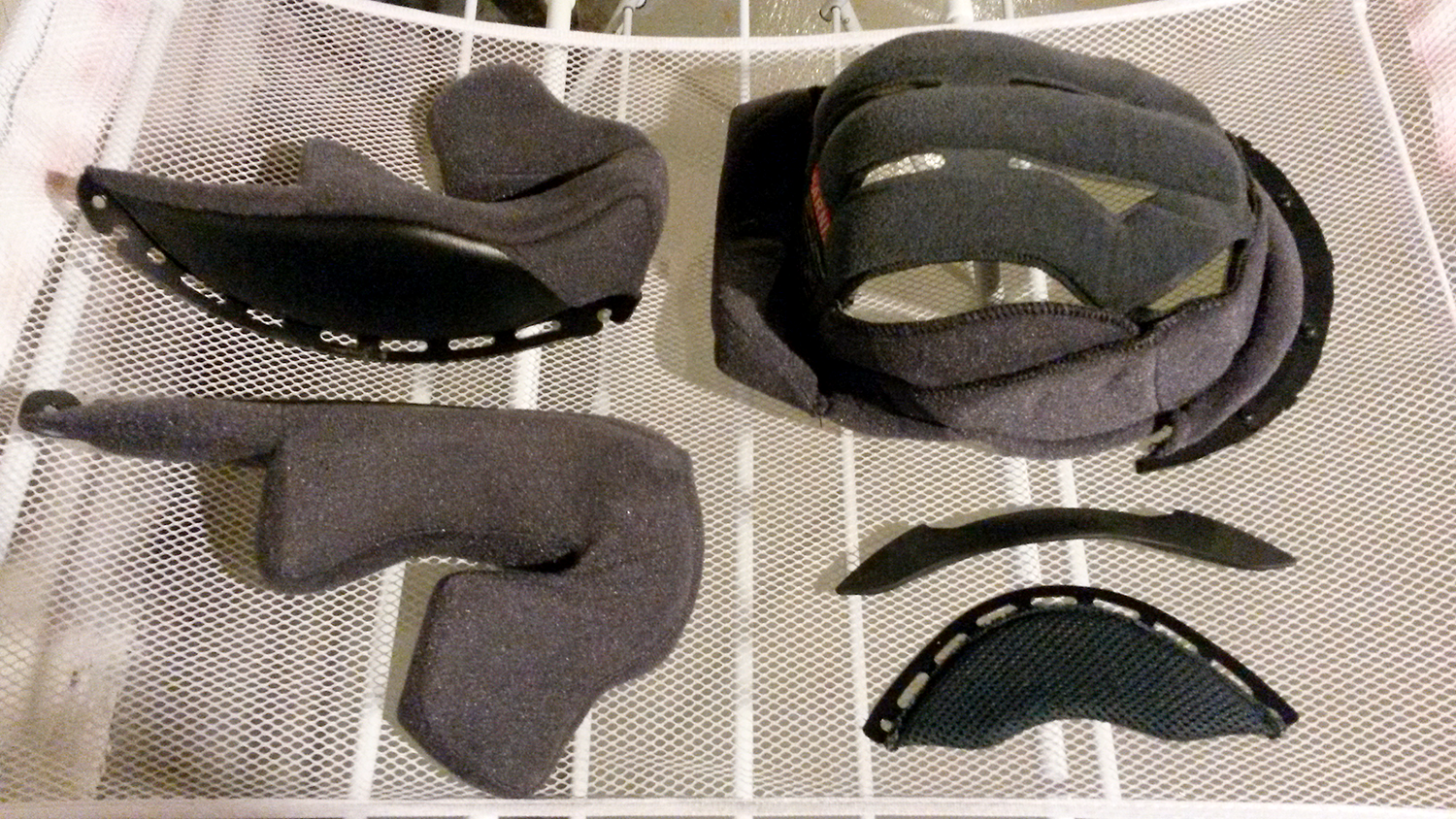
Air drying is the best method for helmet pads. It helps maintain their shape and integrity. Place the pads on a clean towel. Ensure they are spread out evenly. This allows air to circulate around them.
Choose a well-ventilated area. This speeds up the drying process. Avoid direct sunlight. Sunlight can damage the pads over time. If possible, use a fan to help with air circulation. This can make the drying process faster and more effective.
Avoiding Heat Damage
Never use a dryer or heater to dry helmet pads. High heat can cause the pads to lose their shape. It can also weaken the material.
Keep the pads away from radiators or heating vents. These can cause uneven drying. This can lead to damage or shrinkage. Always opt for natural drying methods.
If you need to speed up drying, use a hairdryer on the cool setting. Hold it at a distance. Ensure you move it around to avoid concentrating heat on one spot.
Credit: soundrider.com
Reassembling Helmet Pads
Reassembling your motorcycle helmet pads ensures a comfortable and secure fit. Proper reassembly is crucial for maintaining the helmet’s safety features. Follow the steps below to reassemble your helmet pads correctly.
Ensuring Proper Fit
Ensure each pad aligns with its designated spot inside the helmet. Incorrectly placed pads can cause discomfort and reduce safety. Follow these steps to ensure the proper fit:
- Insert the cheek pads first. Make sure they snap into place.
- Next, place the top pad. Align it with the interior shape of the helmet.
- Check all pads for proper alignment and secure attachment.
Safety Checks
Perform safety checks to ensure the helmet pads are securely in place. Loose pads can compromise the helmet’s protection. Follow these steps to complete safety checks:
- Gently press each pad. Ensure they do not move or detach.
- Wear the helmet and adjust the fit. It should feel snug but comfortable.
- Shake your head slightly. The helmet should stay in place without shifting.
By following these steps, you can ensure your motorcycle helmet pads are properly reassembled. This will provide a safe and comfortable riding experience.
Maintaining Helmet Freshness
Maintaining helmet freshness is crucial for every rider. Your helmet pads can accumulate sweat, dirt, and oils, leading to unpleasant odors and potential skin issues. Regular cleaning and proper maintenance can extend the life of your helmet and ensure a comfortable ride.
Regular Cleaning Schedule
Setting a regular cleaning schedule for your helmet pads is essential. Here’s a simple guide:
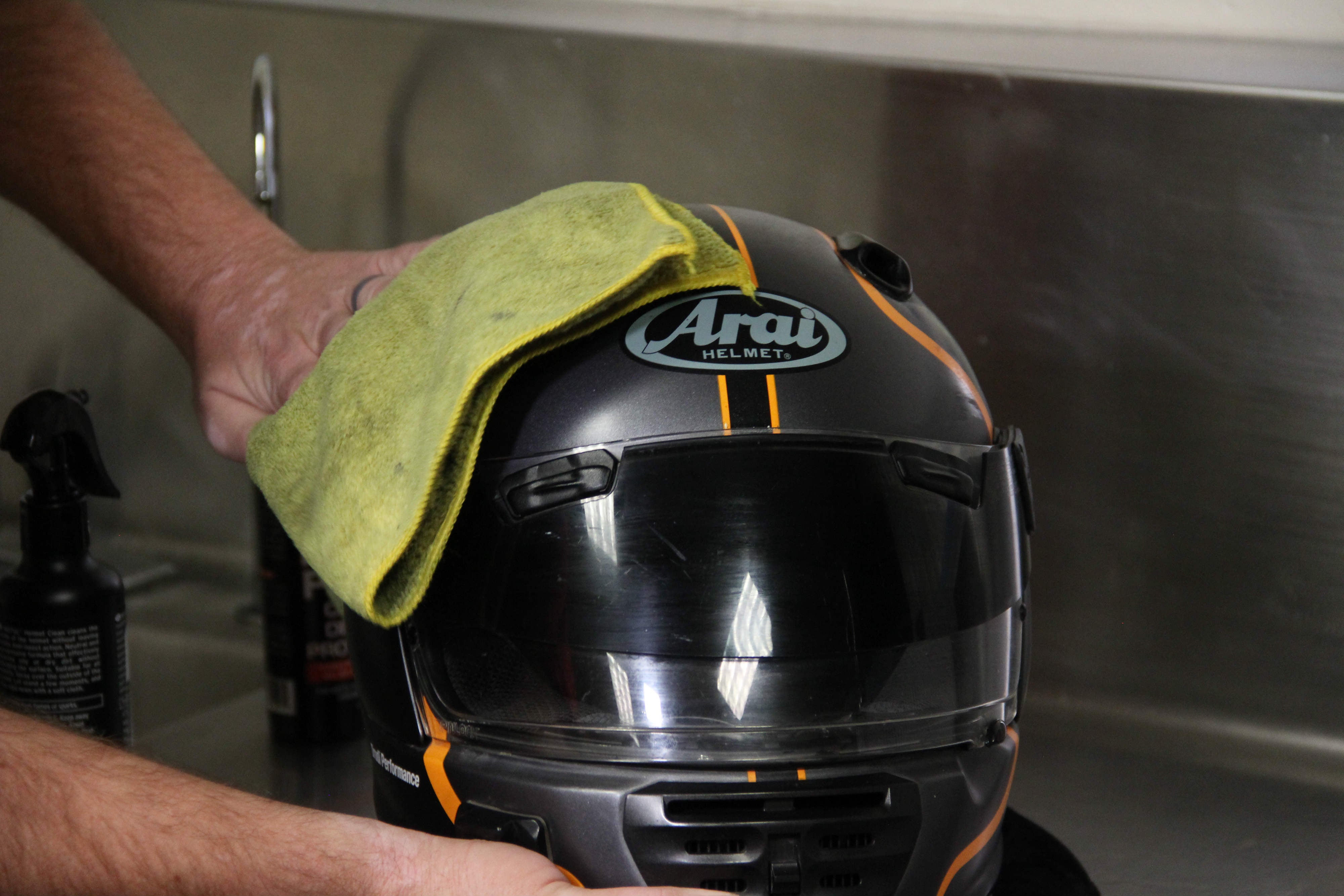
- Weekly: Wipe down the exterior and interior with a damp cloth.
- Monthly: Remove the pads and hand-wash them with mild soap.
- Quarterly: Deep clean the entire helmet, including the shell and visor.
Consistent cleaning keeps your helmet smelling fresh and looking new. It also helps in removing bacteria and allergens.
Using Deodorizers
Deodorizers can help maintain a fresh scent in your helmet between washes. Consider these options:
- Sprays: Use helmet-specific deodorizing sprays. They are easy to apply and effective.
- Odor Absorbers: Place activated charcoal or baking soda packs inside your helmet.
- Natural Options: Essential oils like lavender or tea tree can be used sparingly for a pleasant scent.
Deodorizers are a quick solution for an immediate refresh. They can keep the interior pleasant between deep cleans.
Common Mistakes To Avoid
Cleaning your motorcycle helmet pads is crucial for hygiene and comfort. Yet, many make mistakes that can damage the pads. Learn about common mistakes to avoid while cleaning your helmet pads.
Using Harsh Chemicals
Never use harsh chemicals on helmet pads. They can break down the fabric and foam. Instead, use mild soap or specialized helmet cleaner. These products are gentle on the materials. Harsh chemicals can also cause skin irritation.
Improper Drying Techniques
Proper drying is essential to maintain your helmet pads. Do not use a dryer or direct sunlight. High heat can warp the pads and weaken the fabric. Opt for air drying in a shaded area. This ensures the pads retain their shape and longevity.
Credit: cfxffdgfje.m-otonanoizakaya.com
Frequently Asked Questions
How Often Should I Clean Helmet Pads?
You should clean your motorcycle helmet pads every three to six months. Regular cleaning helps maintain hygiene and prolongs the life of the pads.
What Products Are Safe For Cleaning Helmet Pads?
Use mild soap or specially formulated helmet cleaners. Avoid harsh chemicals as they can damage the pads and helmet materials.
Can I Wash Helmet Pads In A Washing Machine?
Yes, you can wash helmet pads in a washing machine. Use a gentle cycle with mild detergent to avoid damage.
How Do I Dry Helmet Pads After Washing?
Air-dry the helmet pads. Place them in a well-ventilated area away from direct sunlight and heat sources to prevent damage.
Conclusion
Keeping your motorcycle helmet pads clean is crucial for comfort and hygiene. Regular cleaning helps remove sweat, dirt, and bacteria. Follow the steps for easy maintenance. Use mild soap and warm water. Rinse thoroughly and let them air dry. Proper care extends the life of your helmet pads.
Clean pads also prevent bad odors. Make helmet cleaning a part of your routine. Enjoy a fresh and comfortable ride every time. Happy riding!