
Engine tapping noise after warm up may indicate issues with the engine’s valve train or low oil pressure. This can be caused by worn-out hydraulic lifters, damaged valve springs, or insufficient lubrication, among other potential problems.
If you notice engine tapping noise after the engine has warmed up, it’s essential to address the issue promptly to prevent further damage. Ignoring the tapping noise can lead to more significant engine problems, impacting performance and reliability. We will discuss potential causes of engine tapping noise after warm-up and suggest some solutions to help diagnose and resolve the issue.
By understanding the underlying reasons for the tapping noise, you can take appropriate action to ensure the longevity and optimal functioning of your vehicle’s engine.
Identifying The Tapping Sound
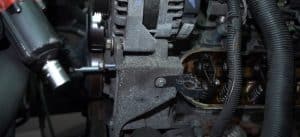
When it comes to engine maintenance, identifying abnormal sounds can be crucial in addressing potential issues. One common noise that might warrant attention is a tapping sound coming from the engine after it has warmed up. Identifying the source of this tapping can help car owners determine the severity of the issue and take appropriate action.
Types Of Engine Noise Post-warm Up
Engine noises can vary in intensity and pitch, providing important clues about the underlying problem. Tapping sounds are often associated with issues such as low oil pressure, worn valve lifters, or piston slap. Each type of noise can indicate different problems, and identifying the specific sound can aid in diagnosing the issue accurately.
Trouble Signs Beyond Tapping Noise
While engine tapping noise after warm-up is a significant concern, other trouble signs should not be overlooked. Warning signs such as decreased engine performance, increased fuel consumption, or smoke from the exhaust can indicate more serious issues that need immediate attention. Ignoring these additional signs can lead to costly repairs if left unaddressed.
Engine Components And Tapping Correlation
Understanding the correlation between engine components and tapping noises is crucial in diagnosing and resolving engine issues. Several factors, including the role of engine oil, impact of valve train components, and the occurrence of piston slap, play a significant role in the generation of tapping noise in an engine after warm-up.
Role Of Engine Oil In Noise Management
Proper lubrication is essential in reducing tapping noises in the engine. Low-quality or degraded engine oil can lead to increased friction between moving parts, resulting in tapping sounds. Routine oil changes and using high-quality oil can help mitigate this issue.
Impact Of Valve Train Components On Sound
The valve train components, including the camshaft, lifters, and pushrods, directly influence tapping noises. Excessive wear or misalignment of these components can lead to irregular valve timing, causing tapping sounds. Regular maintenance and inspections of the valve train are crucial in preventing such issues.
How Piston Slap Can Lead To Tapping Noises
Piston slap, the excessive movement of the piston within the cylinder, can result in tapping noises. This may occur due to worn-out piston rings or excessive cylinder bore clearance. Addressing these issues through proper engine rebuilds and component replacements can help eliminate tapping noises associated with piston slap.
Step-by-step Noise Isolation
Step-by-Step Noise Isolation is a crucial process in diagnosing engine tapping noise after warm up. It involves conducting a thorough sound audit of the engine and employing specific tools and techniques to pinpoint the noise source accurately. By following this systematic approach, you can effectively troubleshoot and resolve the tapping noise, ensuring the optimal performance of your vehicle.
Conducting A Sound Audit Of The Engine
Begin the noise isolation process by conducting a comprehensive sound audit of the engine. This involves systematically listening for the tapping noise in various areas of the engine compartment and surrounding components. Familiarize yourself with the normal operating sounds of the engine to identify any abnormal noises that may indicate a potential issue.
Tools And Techniques To Pinpoint Noise Source
Utilize the following tools and techniques to accurately pinpoint the source of the tapping noise:
- Stethoscope: Use a mechanic’s stethoscope to listen for the precise location of the tapping noise within the engine components. Place the stethoscope probe on different areas of the engine while it’s running to isolate the source.
- Chassis ears: Employ chassis ears, which are specialized microphones, to detect and amplify the tapping noise from specific regions of the engine and surrounding components.
By employing these tools and techniques, you can effectively isolate the tapping noise, enabling you to accurately diagnose and address the underlying issue within the engine.
Addressing Warm Engine Tapping
When it comes to addressing warm engine tapping, it’s crucial to identify the underlying causes and take appropriate steps to minimize the noise for a smoother driving experience. Engine tapping noise after warm up can be indicative of various issues such as low oil pressure, worn-out components, or dirty engine parts. By understanding the quick fixes for immediate noise reduction and long-term solutions for noise elimination, you can effectively address the issue and enhance the performance of your vehicle.
Quick Fixes For Immediate Noise Reduction
If you are experiencing the bothersome tapping noise from your warm engine, consider implementing these quick fixes to mitigate the issue:
- Check oil level: Ensure that the engine has sufficient oil and top it up if necessary to maintain proper lubrication.
- Use high-quality oil: Opt for a high-quality, appropriate viscosity oil recommended for your vehicle to reduce friction and minimize tapping noise.
- Add an oil additive: Consider using an oil additive designed to reduce engine noise and improve lubrication.
- Inspect and tighten components: Check for loose or worn-out components such as the valve cover gasket, rocker arms, or lifters, and tighten or replace them as needed.
Long-term Solutions For Noise Elimination
To address warm engine tapping in the long run and eliminate the noise altogether, it’s essential to consider these sustainable solutions:
- Regular maintenance: Schedule regular oil changes and maintenance checks to keep the engine in optimal condition and prevent excessive wear and tear.
- Engine flush: Consider performing an engine flush to remove sludge and debris, promoting smoother engine operation and reducing tapping noise.
- Replace worn components: Address any worn-out components such as valve lifters, pushrods, or camshaft that may be contributing to the tapping noise.
- Seek professional inspection: If the tapping noise persists, seek the expertise of a qualified mechanic to diagnose and address any underlying issues causing the noise.
Maintaining A Quiet Engine Post-troubleshoot
After successfully troubleshooting and addressing engine tapping noise after warm up, it’s crucial to maintain a quiet engine to ensure optimal performance and longevity. By following a regular engine maintenance schedule and implementing best practices for engine health, you can prevent future occurrences of engine tapping noise after warm up and promote a smooth and quiet driving experience.
Regular Engine Maintenance Schedule
To maintain a quiet engine post-troubleshoot, adherence to a regular maintenance schedule is essential. This includes regular oil changes, filter replacements, and inspection of critical engine components to ensure they are functioning optimally.
Best Practices For Engine Health And Noise Prevention
Implementing best practices for engine health and noise prevention is paramount in maintaining a quiet engine post-troubleshoot. These practices include:
- Using high-quality engine oil recommended by the manufacturer for regular oil changes
- Inspecting and replacing worn-out or damaged engine components such as belts, pulleys, and bearings
- Maintaining proper engine coolant levels and monitoring the cooling system for any signs of malfunction
- Regularly inspecting and tuning ignition systems to ensure efficient engine combustion
- Checking for and addressing any abnormal engine vibrations, as they can contribute to increased engine noise
Frequently Asked Questions On Engine Tapping Noise After Warm Up
What Causes Engine Tapping Noise After Warm Up?
The tapping noise can be due to low oil pressure, worn-out lifters, or valve train issues. It’s essential to diagnose and fix the problem promptly to prevent further damage to the engine.
How To Diagnose Engine Tapping Noise After Warm Up?
Use a stethoscope to listen for the source of the noise. Check the oil level and quality, inspect the lifters and valve train for wear, and look for any loose components that could be causing the tapping noise.
What Are The Potential Consequences Of Ignoring Engine Tapping Noise?
Ignoring the tapping noise can lead to severe engine damage, including worn-out components, reduced performance, and even engine failure. Timely attention to the issue can prevent costly repairs in the long run.
Conclusion
Understanding the causes of engine tapping noise after warm up can lead to effective solutions. Regular maintenance and timely check-ups are crucial for preventing and addressing such issues. Remember to consult a professional if the problem persists, and prioritize the health of your vehicle.
Stay informed and proactive to ensure a smooth driving experience.