
Motorcycle clutch problems may manifest through symptoms such as slipping, difficulty shifting gears, and strange noises. These issues can indicate potential clutch system malfunction, which requires immediate attention to avoid further damage and ensure safe riding.
When it comes to your motorcycle, it’s crucial to be aware of the signs that may indicate a problematic clutch. Ignoring these symptoms can lead to more extensive damage, leading to costly repairs and potential safety hazards. Understanding the common signs of clutch issues and addressing them promptly can help maintain your motorcycle’s performance and longevity.
We’ll discuss the various symptoms of motorcycle clutch problems, their potential causes, and how to address them effectively to keep your ride running smoothly.

In this post you will find here Motorcycle Clutch Problems Symptoms. and Troubleshooting guideline how to overcome this problem.
Recognizing Motorcycle Clutch Issues
Motorcycle clutch problems can lead to significant issues with your bike’s performance. It’s important to recognize the symptoms of a failing clutch and understand the distinction between wear and damage. Being able to identify these issues early on can save you from costly repairs and ensure your safety on the road.
Symptoms Of A Failing Clutch
If you’re experiencing any of the following symptoms, it could indicate a problem with your motorcycle’s clutch:
- Slipping: When the engine revs but the bike doesn’t accelerate as expected
- Difficulty shifting: Struggling to shift gears or encountering resistance while doing so
- Burning smell: A noticeable burning odor, especially when the clutch is engaged
- Weakened engagement: The clutch feels loose or doesn’t engage properly
Distinction Between Wear And Damage
It’s essential to understand the difference between normal wear and actual clutch damage. Wear can occur over time due to regular use, leading to decreased performance. Damage, on the other hand, typically requires immediate attention and potential replacement of clutch components. Regular maintenance and periodic inspections can help differentiate between the two.
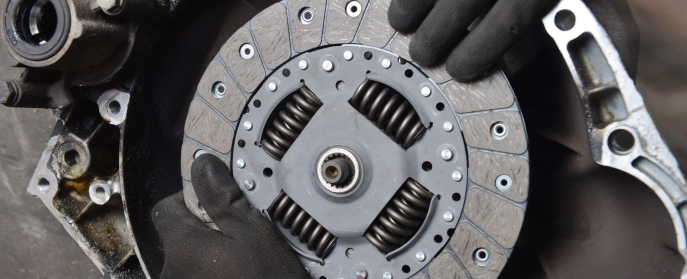
Clutch Slip: A Common Symptom
Clutch slip is a common motorcycle clutch problem symptom that riders should be aware of, as it can indicate potential issues with their bike’s clutch system. Understanding the signs of clutch slip and its possible causes can help riders address problems before they escalate, ensuring a smoother and safer riding experience. In this section, we’ll delve into identifying clutch slip while riding and explore the reasons why motorcycle clutch problems symptoms, such as clutch slip, may occur.
Identifying Clutch Slip While Riding
When riding, pay close attention to the behavior of your motorcycle’s clutch to identify potential slip. Common indicators of clutch slip include:
- RPM Increase Without Acceleration: If your motorcycle’s engine revs increase without a proportional acceleration, it could be a sign of clutch slip.
- Sluggish Acceleration: When you apply throttle but the bike does not accelerate as expected, the clutch may be slipping.
- Burning Smell: A noticeable burning odor, resembling scorched friction material, could indicate clutch slippage due to excessive heat.
Reasons Why Motorcycle Clutches Slip
Understanding the potential causes of clutch slip is essential for diagnosing and addressing the issue. Some common reasons why motorcycle clutches may slip include:
- Worn Friction Plates: Over time, the friction material on the clutch plates can wear down, leading to reduced grip and potential slip.
- Oil Contamination: The presence of oil on the clutch plates can cause them to lose grip, resulting in slip due to reduced friction.
- Incorrect Cable Adjustment: Improper clutch cable adjustment can prevent the clutch from fully engaging, resulting in slip during operation.
- Weak Springs: Weakened or worn clutch springs may not provide sufficient pressure for the clutch to engage fully, leading to slip.
Troubleshooting The Dragging Clutch
Motorcycle clutch problems can be frustrating, especially when dealing with symptoms like dragging. When your clutch starts dragging, it can hinder your riding experience and even lead to potential safety hazards. Understanding the symptoms and troubleshooting the issue is crucial for maintaining your motorcycle’s performance.
Diagnosis Steps For Clutch Drag
Diagnosing clutch drag involves a step-by-step approach to identify the root cause of the issue. Here are the key steps to diagnose a dragging clutch:
- Check for clutch cable tension and adjust if necessary.
- Inspect the clutch lever for any signs of damage or wear.
- Examine the clutch plates for wear and tear.
- Assess the clutch springs for proper tension and condition.
- Check the clutch release mechanism for any malfunctions.
Adjustments To Mitigate Clutch Drag
To mitigate clutch drag, certain adjustments and maintenance tasks can be performed to restore your motorcycle’s clutch performance. Here are the adjustments to consider:
- Clutch Cable Adjustment: Ensure proper tension and lubrication of the clutch cable.
- Clutch Lever Replacement: If the clutch lever shows signs of damage, consider replacing it with a new one.
- Clutch Plate Inspection: Regularly inspect and replace worn clutch plates to prevent dragging.
- Clutch Spring Maintenance: Check and replace weak or damaged clutch springs to maintain proper tension.
- Clutch Release Mechanism Examination: Inspect the release mechanism for any issues and address them accordingly.
Unusual Clutch Noises Explored
Unusual clutch noises can be a sign of potential problems with your motorcycle’s clutch system. These noises are often the first indication that something isn’t quite right with your clutch, and paying attention to them can save you from a costly repair down the road.
Types Of Clutch Sounds As Warning Signs
Motorcycle clutches can produce a variety of unusual noises, each of which may indicate a different issue. Understanding these sounds can help you diagnose potential problems early on, allowing you to address them before they lead to more serious damage.
- Squealing or Squeaking: A high-pitched squealing or squeaking sound when you pull the clutch lever could indicate worn-out clutch plates or weak springs.
- Rattling or Clattering: An inconsistent clattering or rattling sound when the clutch is engaged or disengaged may point to loose or worn clutch components.
- Grinding or Gritty Noise: A grinding or gritty noise when shifting gears or engaging the clutch may signal a problem with the clutch cable, hub, or bearing.
- Whirring or Whining: A whirring or whining sound during clutch engagement or disengagement could be due to a misaligned or worn release bearing.
Relation To Motorcycle Clutch Problems Symptoms
These unusual clutch noises are often early indicators of potential clutch system problems. Ignoring these warning signs can lead to further damage and more expensive repairs. By paying attention to these sounds and addressing them promptly, you can prolong the life of your motorcycle’s clutch system and ensure a smoother riding experience.
The Stiff Clutch Lever Challenge
When it comes to riding a motorcycle, the clutch lever is a crucial component that directly impacts the overall riding experience. One common issue that riders may encounter is the stiff clutch lever challenge, which can lead to discomfort and difficulty in operating the clutch. Understanding the symptoms, causes, and solutions for a hard-to-pull clutch lever is essential for maintaining a smooth and effortless riding experience.
Causes For A Hard-to-pull Clutch Lever
Several factors can contribute to a stiff clutch lever, making it challenging for riders to engage and disengage the clutch smoothly. These causes may include:
- Worn-out clutch cable
- Improper clutch cable adjustment
- Clutch lever pivot binding
- Debris or gunk buildup in the clutch cable housing
- Worn-out or damaged clutch lever assembly
Solutions For Improving Clutch Lever Feel
Thankfully, there are practical solutions to address a stiff clutch lever, enhancing the overall clutch lever feel and operation. These solutions may involve:
- Replacing the worn-out clutch cable with a new one
- Properly adjusting the clutch cable tension to ensure smooth operation
- Lubricating the clutch lever pivot to reduce binding and friction
- Cleaning the clutch cable housing to remove any debris or gunk that may impede smooth movement
- Inspecting and replacing the clutch lever assembly if it shows signs of wear or damage
Frequently Asked Questions For Motorcycle Clutch Problems Symptoms
What Are The Common Motorcycle Clutch Problems?
The common clutch problems include slipping, dragging, and strange noises. Slipping occurs when the clutch fails to engage or disengage properly, while dragging happens when the clutch fails to release completely. Strange noises could indicate issues with the clutch release mechanism or plates.
How Can I Identify Motorcycle Clutch Problems?
You can identify clutch problems by symptoms such as difficulty changing gears, slipping or jerking while accelerating, a burning smell, or strange noises when engaging the clutch. Pay attention to any change in the clutch lever’s feel or resistance, as this may also indicate issues.
What Causes A Motorcycle Clutch To Slip?
A slipping clutch is usually caused by worn-out friction plates, a stretched clutch cable, or improper clutch adjustments. Additionally, oil contamination or glazing of the friction plates can also lead to clutch slippage. It’s important to address these issues promptly to prevent further damage to the clutch system.
How Can I Prevent Motorcycle Clutch Problems?
Regular maintenance, including checking and adjusting the clutch cable, ensuring proper lubrication, and using the correct type of oil, can help prevent clutch problems. Additionally, avoiding aggressive clutch operation or prolonged riding in heavy traffic can also extend the clutch’s lifespan.
Conclusion
Motorcycle clutch problems symptoms can signal potential issues that require attention. It’s important to pay attention to any unusual signs, such as slipping, grinding, or difficulty shifting gears. Promptly addressing these motorcycle clutch problems symptoms can prevent further damage and ensure a smoother riding experience.
Regular maintenance and inspections can help identify and address clutch issues early on, preserving the longevity of your motorcycle.