
If your motorcycle is experiencing bad pickup coil symptoms motorcycle, you may notice issues with starting, stalling, or misfiring. These symptoms can be indicative of a faulty pickup coil, which is responsible for producing the electrical pulses needed for spark plug ignition.
A malfunctioning pickup coil can disrupt the timing and delivery of the electrical signal, leading to poor engine performance. Recognizing the signs of a failing pickup coil is crucial for maintaining the optimal functioning of your motorcycle. We will explore the common symptoms of a bad pickup coil in a motorcycle, how it impacts the engine, and the steps you can take to diagnose and potentially resolve the issue.
Understanding these symptoms can help you address the problem promptly and ensure your motorcycle runs smoothly on the road.

Troubleshooting Motorcycle Ignition Issues
Signs Your Motorcycle Might Have Ignition Problems
When experiencing issues with your motorcycle, it’s essential to be aware of potential ignition problems. Identifying the signs early on can help prevent dangerous situations on the road. Look out for the following warning signs:
- Difficulty starting the motorcycle
- Frequent stalling or backfiring
- Lack of power or sluggish performance
- Intermittent or complete loss of spark
- Unusual engine noises
The Role Of The Pickup Coil In Ignition Systems
Understanding the function of the pickup coil in your motorcycle’s ignition system is crucial for diagnosing potential issues. The pickup coil, also known as the pulse or trigger coil, is responsible for generating the electric signal that activates the ignition coil. This signal triggers the spark plug to ignite the air-fuel mixture in the combustion chamber, ultimately powering the engine.
Common Reasons For Ignition Failures In Motorcycles
Ignition failures in motorcycles can stem from various sources. Common culprits include:
- Worn or damaged pickup coil
- Corroded or loose connections
- Defective ignition coil
- Faulty spark plugs
- Electrical system malfunctions
Bad Pickup Coil Symptoms Motorcycle
Riding a motorcycle can be an exhilarating experience, but like any machine, it can encounter issues that affect its performance. One such issue that riders may encounter is a malfunctioning pickup coil. The pickup coil is an essential component of the motorcycle’s ignition system, responsible for triggering the spark plugs’ firing sequence. When the pickup coil starts to fail, it can lead to a range of symptoms that affect the motorcycle’s performance.
Inconsistent Engine Firing
A common symptom of a bad pickup coil in a motorcycle is inconsistent engine firing. The pickup coil’s role in triggering the ignition system’s spark can be compromised, causing the engine to run irregularly. This inconsistency can lead to poor performance and impact the overall riding experience.
Starting Difficulties In Your Motorcycle
Another indication of a faulty pickup coil is experiencing starting difficulties with your motorcycle. When the pickup coil fails to send the proper signals to the ignition system, the motorcycle may struggle to start, requiring multiple attempts before the engine turns over. This can be frustrating for riders and may indicate a potential issue with the pickup coil.
Unsteady Idling And Stalling
A bad pickup coil can also manifest as unsteady idling and stalling. When the coil is not functioning correctly, the engine may struggle to maintain a consistent idle speed, leading to stalling or intermittent surges. This can disrupt the motorcycle’s performance and create safety concerns for the rider.
Poor Fuel Efficiency
Additionally, a malfunctioning pickup coil can contribute to poor fuel efficiency. The irregular firing pattern caused by a faulty pickup coil can result in an inefficient combustion process, leading to higher fuel consumption. This can be reflected in more frequent trips to the gas station and increased operating costs for the rider.
Recognizing the symptoms of a bad pickup coil in your motorcycle is crucial for maintaining its performance and addressing potential issues before they escalate. If you encounter any of these symptoms, it’s essential to have your motorcycle inspected by a qualified mechanic to diagnose and rectify any underlying problems.
Diagnosing The Pickup Coil Problem
When your motorcycle starts exhibiting symptoms of a faulty pickup coil, it’s essential to diagnose the issue accurately to ensure a swift and effective repair. Understanding the process of diagnosing the pickup coil problem can save time and money in the long run, while also preventing potential damage to other components of your motorcycle.
Preliminary Visual Inspection
Before delving into the technical testing, conduct a visual inspection of the pickup coil. Ensure that the wiring and connections appear intact and free from any visible damage. Inspect for loose connections, frayed wires, or any signs of heat damage that could indicate a malfunction.
Testing The Pickup Coil With A Multimeter
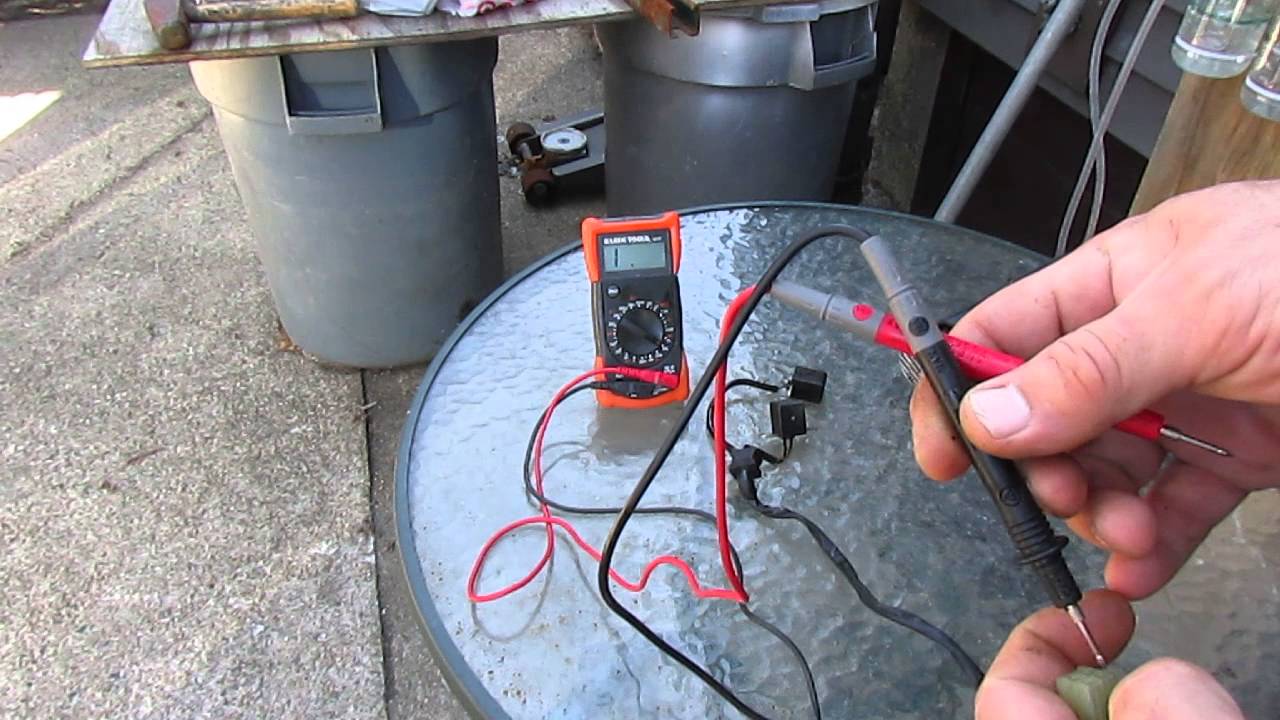
Once the visual inspection is complete, use a multimeter to test the pickup coil’s electrical continuity and resistance. Begin by disconnecting the pickup coil from the wiring harness and attach the multimeter probes to the appropriate terminals on the pickup coil. Set the multimeter to the resistance or “ohms” setting and take readings.
Interpreting Multimeter Readings For The Coil
A healthy pickup coil typically exhibits a resistance reading within a specified range. Consult your motorcycle’s service manual to determine the specific resistance range for your pickup coil. If the readings fall outside this range, it could indicate a faulty pickup coil that needs to be replaced.
Comparing Symptoms To Known Pickup Coil Issues
Certain symptoms like backfiring, misfiring, or difficulty starting the motorcycle are common indicators of a malfunctioning pickup coil. Carefully compare the symptoms your motorcycle is experiencing to known pickup coil issues to further validate the diagnosis. This step can help in ruling out other potential causes and sharpening the focus on the pickup coil problem.
Credit: m.youtube.com
How To Troubleshoot Specific Symptoms
When it comes to troubleshooting specific symptoms of a bad pickup coil in a motorcycle, it is important to accurately identify the issues to ensure a smooth and efficient riding experience. By understanding the specific symptoms and following a systematic approach, you can diagnose and address the problems related to the pickup coil effectively.
Step-by-step Guide To Investigate The Starting Issues
When dealing with starting issues, it is crucial to examine the pickup coil for irregularities that may hinder the ignition process. Follow these steps to troubleshoot starting problems:
- Inspect the pickup coil for physical damage or wear.
- Use a multimeter to check for proper resistance within the specified range.
- Verify the connection of the pickup coil and ensure it is not loose or corroded.
Analyzing The Inconsistent Engine Firing Problem
In the case of inconsistent engine firing, careful analysis of the pickup coil symptoms is essential. Here’s a structured approach to troubleshoot inconsistent engine firing:
- Check for any erratic spark or absence of spark during engine firing.
- Test the pickup coil’s output voltage to determine if it is within the manufacturer’s specified range.
- Examine the condition of the pickup coil wiring for any fraying or damage.
Troubleshooting Tips For Unsteady Idling And Stalling
Unsteady idling and stalling can be indicative of pickup coil issues. Use the following troubleshooting tips to address these symptoms:
- Inspect the pickup coil’s magnetic core for any signs of wear or damage.
- Check for consistent signals from the pickup coil during idling and revving of the engine.
- Ensure proper grounding of the pickup coil to prevent erratic idling and stalling.
Fixing The Pickup Coil Effectively
Knowing the symptoms of a bad pickup coil in your motorcycle is important, but fixing it effectively is crucial for ensuring the smooth running of your bike. The pickup coil, also known as the ignition coil or pulse generator, plays a critical role in the ignition system, and any issues with it can lead to starting problems, misfiring, or even stalling. In this section, we will discuss the safe ways to handle motorcycle electrical components, the tools and equipment needed for coil replacement, and step-by-step instructions on replacing the pickup coil.
Safe Ways To Handle Motorcycle Electrical Components
When working on motorcycle electrical components, safety should always be a top priority. Here are some essential safety measures to keep in mind:
- Disconnect the battery to prevent accidental electrical shock or short-circuiting.
- Wear insulated gloves and eye protection to protect yourself from potential hazards.
- Work in a well-ventilated area to avoid inhaling any harmful fumes that may be emitted during the process.
Tools And Equipment Needed For Coil Replacement
Before replacing the pickup coil, ensure you have the following tools and equipment on hand:
- Socket set and wrenches
- Replacement pickup coil
- Multimeter for testing electrical connections
- Service manual specific to your motorcycle model for reference
Step-by-step Instructions On Replacing The Pickup Coil
Follow these steps to effectively replace the pickup coil in your motorcycle:
- Disconnect the battery: Start by disconnecting the negative terminal of the battery to prevent any electrical mishaps.
- Locate the pickup coil: Refer to your motorcycle’s service manual to locate the position of the pickup coil within the ignition system.
- Remove the old pickup coil: Use the appropriate tools to carefully remove the old pickup coil without damaging the surrounding components.
- Install the new pickup coil: Carefully install the new pickup coil in the correct position, ensuring proper alignment and connection.
- Test the ignition system: Use a multimeter to test the electrical connections and verify that the new pickup coil is functioning correctly.
- Reconnect the battery: Once the replacement is complete and verified, reconnect the battery and test the ignition system again to ensure proper operation.
When To Seek Professional Help
When dealing with bad pickup coil symptoms on your motorcycle, it’s essential to know when to seek professional help. While some issues can be resolved with basic knowledge and tools, certain situations warrant the expertise of a certified mechanic. Understanding the complexity of the pickup coil problem and the benefits of professional involvement can help you determine when it’s time to seek professional assistance.
Assessing The Complexity Of The Pickup Coil Issue
When experiencing potential pickup coil problems, it’s important to assess the complexity of the issue. Basic diagnostics such as checking for common symptoms and conducting simple tests may be manageable for some motorcycle enthusiasts. However, if the problem seems more intricate, such as requiring specialized equipment or in-depth knowledge of electrical systems, seeking professional assessment becomes imperative.
Benefits Of Getting A Certified Mechanic Involved
Engaging a certified mechanic can provide several benefits in addressing pickup coil issues. Their expertise and experience allow for a thorough diagnosis and effective solutions. Professional mechanics have access to specialized tools and diagnostic equipment, ensuring that the problem is accurately identified and efficiently resolved. Additionally, their knowledge of manufacturer-specific nuances can lead to better long-term outcomes for your motorcycle.
Situations That Warrant Professional Expertise
Several scenarios may arise when dealing with pickup coil symptoms, necessitating professional expertise. These include instances where the issue persists despite basic troubleshooting, or when the symptoms indicate a more complex underlying problem. Additionally, if the repair involves intricate procedures or requires the replacement of critical components, seeking the help of a certified mechanic is crucial to ensure the safety and optimal performance of your motorcycle.
Frequently Asked Questions For Bad Pickup Coil Symptoms Motorcycle
What Are The Common Signs Of A Bad Pickup Coil In A Motorcycle?
When the pickup coil fails, motorcycle may experience stalling, backfiring, or difficulty starting. In some cases, it may also lead to engine misfires or erratic operation.
How Can I Diagnose A Bad Pickup Coil In My Motorcycle?
To diagnose a bad pickup coil, perform a resistance test using a multimeter. If the reading falls outside the manufacturer’s specifications, it may indicate a faulty pickup coil.
What Could Be The Potential Reasons For A Pickup Coil To Go Bad?
Exposure to extreme temperatures, electrical failures, or physical damage can cause a pickup coil to fail. Vibrations and poor maintenance can also contribute to its deterioration.
Conclusion
Understanding the symptoms of a bad pickup coil is crucial for maintaining a motorcycle’s performance. By recognizing issues such as engine misfiring, difficulty starting, and other bad pickup coil symptoms Motorcycle, riders can address potential problems early. Regular maintenance and inspection play a vital role in preventing costly repairs and keeping the motorcycle running smoothly.
Stay proactive and ride safe!