
Learning to ride a motorcycle is an exciting journey that requires proper training and practice. Owning a motorcycle without adequate riding experience can lead to safety hazards and unnecessary expenses. Aspiring riders should invest time in motorcycle training courses to build confidence and competence.
Starting with a training program helps you understand the nuances of riding, road safety, and handling a motorcycle. Being well-prepared ensures a safer and more enjoyable riding experience. Prioritize learning to ride before purchasing a motorcycle to make an informed decision and enhance your overall experience.

Credit: www.championhelmets.com
Pros Of Buying A Motorcycle First
Buying a motorcycle before learning to ride has its benefits. It can provide early motivation and practical learning opportunities.
Early Motivation
Owning a motorcycle can be a strong motivator. You will feel excited and eager to learn how to ride. This excitement can make the learning process fun.
Having your own bike can also set clear goals. You will want to ride your bike as soon as possible. This will push you to take riding lessons seriously.
Practical Learning
Learning with your own motorcycle can be practical. You will become familiar with the bike you will ride daily. This can make you more comfortable and confident.
Using your own motorcycle for practice can also save money. You won’t need to rent a bike for lessons. This can make learning more affordable.
Here is a table showing the pros of buying a motorcycle first:
| Pros | Description |
|---|---|
| Early Motivation | Owning a bike can make you eager to learn. |
| Goal Setting | You will have clear goals to ride your own bike. |
| Practical Learning | Practice on the bike you will use daily. |
| Cost Saving | No need to rent a bike for lessons. |
Owning a motorcycle before learning to ride can offer many benefits. It can keep you motivated and make learning practical and cost-effective.

Credit: classicharley.com
Cons Of Buying A Motorcycle First
Buying a motorcycle before learning to ride can pose several challenges. Understanding these cons can help make an informed decision.
Safety Concerns
Safety is a major concern when you buy a motorcycle first. Without riding skills, you’re at a higher risk of accidents. You may not know how to handle sudden stops or turns. This can lead to injuries or worse.
Another issue is lack of protective gear. Beginners might skip buying proper helmets, gloves, and jackets. This increases the risk of severe injuries. Also, you might not be aware of road safety rules.
Financial Risks
Buying a motorcycle is a big financial commitment. If you’re unsure about riding, it can be a bad investment. Motorcycles depreciate quickly. You may end up losing money if you decide to sell it later.
Additionally, there are costs for insurance, maintenance, and fuel. Without proper riding skills, you may cause damage. This will lead to higher repair bills. Also, you might incur fines due to traffic violations.
| Concern | Details |
|---|---|
| Safety | Higher risk of accidents, injuries, lack of protective gear |
| Financial | Depreciation, insurance, maintenance, repair costs |
- Higher accident risk
- Lack of protective gear
- Motorcycle depreciation
- Insurance costs
- Maintenance and repairs
Assessing Personal Readiness
Before you buy a motorcycle, you must assess your personal readiness. This involves evaluating both your physical fitness and mental preparedness. These factors ensure you are ready for the exciting journey ahead. Let’s break down these important aspects.
Physical Fitness
Riding a motorcycle requires good physical condition. Here are some key areas to focus on:
- Strength: You need strength to handle the bike, especially when stopping or maneuvering.
- Endurance: Long rides can be tiring. Building endurance helps in maintaining control.
- Balance: A strong sense of balance is crucial. Practice exercises that improve your balance.
- Flexibility: Good flexibility helps in handling the bike and avoiding injuries.
| Fitness Area | Why It’s Important |
|---|---|
| Strength | To control and maneuver the bike effectively. |
| Endurance | To maintain control during long rides. |
| Balance | To keep the bike stable, especially at low speeds. |
| Flexibility | To avoid injuries and improve handling. |
Mental Preparedness
Mental readiness is as important as physical fitness. Consider the following aspects:
- Focus: Riding demands constant attention. Ensure you can stay focused for extended periods.
- Patience: Learning to ride takes time. Be patient with yourself during this learning phase.
- Risk Awareness: Understand the risks involved and be prepared to mitigate them.
- Decision-Making: Quick decision-making skills are vital. You’ll need to make split-second choices while riding.
Assessing your readiness ensures a safer and more enjoyable riding experience. Make sure you are both physically fit and mentally prepared before buying a motorcycle.
Financial Considerations
Buying a motorcycle before learning to ride involves several financial considerations. These include the initial investment and ongoing costs. Understanding these can help you make an informed decision.
Initial Investment
The initial investment for a motorcycle includes the purchase price and additional gear. The purchase price of a motorcycle can vary widely. A new motorcycle might cost between $5,000 and $20,000. A used motorcycle may be cheaper but could need repairs.
Motorcycle gear is also a significant part of the initial investment. Essential gear includes:
- Helmet – $100 to $600
- Jacket – $100 to $500
- Gloves – $30 to $200
- Boots – $100 to $300
- Pants – $100 to $400
All this gear ensures safety and comfort while riding.
Ongoing Costs
Ongoing costs include insurance, maintenance, and fuel. These are recurring expenses that you must budget for. Below is a table to help understand these costs:
| Expense | Estimated Cost |
|---|---|
| Insurance | $200 to $1,000 per year |
| Maintenance | $300 to $1,000 per year |
| Fuel | $200 to $500 per year |
Insurance costs depend on the type of motorcycle and your driving record. Regular maintenance includes oil changes, tire replacements, and brake checks. Fuel costs depend on how much you ride.
Consider all these financial aspects before buying a motorcycle. This helps ensure you can enjoy your new ride without financial strain.
Choosing The Right Bike
Buying a motorcycle before learning to ride can be exciting. But it’s essential to choose the right bike. The correct motorcycle will make learning easier and safer.
Beginner-friendly Models
For beginners, certain models are better suited. Here are some top choices:
- Honda CB300R: Lightweight and easy to handle.
- Kawasaki Ninja 400: Great for learning and has good power.
- Yamaha YZF-R3: Perfect balance of power and control.
These models are designed to be beginner-friendly. They provide a smooth and easy learning experience. Each bike offers a good balance of power and control.
Resale Value
When buying your first motorcycle, consider the resale value. A bike with good resale value can save you money later. Below is a table of models with high resale value:
| Model | Resale Value Percentage |
|---|---|
| Honda CB300R | 70% |
| Kawasaki Ninja 400 | 75% |
| Yamaha YZF-R3 | 72% |
Choosing a bike with high resale value is smart. It ensures you get a good return if you sell it. Focus on models known for retaining their value.
Training And Licensing
Before hitting the road on your new motorcycle, training and licensing are crucial. These steps ensure you ride safely and legally. Proper training helps you handle your bike better, while obtaining a license proves your readiness.
Rider Education Courses
Rider education courses teach you essential skills. These courses cover:
- Basic riding techniques
- Safety measures
- Traffic rules
Many courses offer both classroom sessions and practical training. Some schools provide motorcycles for practice. This helps you get comfortable without owning a bike first. Check local schools and their schedules to find a course that suits you.
Obtaining A License
Getting your motorcycle license involves several steps:
- Complete a rider education course
- Pass a written knowledge test
- Pass a skills test
States have different requirements, so check your local DMV. Some states waive the skills test if you complete an approved course. Make sure to bring necessary documents, like proof of identity and residency.
Here’s a quick comparison of steps for different states:
| State | Course Requirement | Test Waiver |
|---|---|---|
| California | Yes | Yes |
| Texas | Yes | No |
| Florida | Yes | Yes |
Training and licensing are key for safe motorcycle riding. Start with a rider course and follow the steps to get your license.
Insurance And Legal Requirements
Buying a motorcycle before learning to ride can be exciting. But understanding the insurance and legal requirements is crucial. This section helps you navigate the necessary steps.
Insurance Policies
Motorcycle insurance is essential. It protects you and your investment. Several types of insurance policies are available. Here are the common ones:
- Liability Insurance: Covers damages to others if you are at fault.
- Collision Insurance: Covers damages to your motorcycle from a collision.
- Comprehensive Insurance: Covers non-collision damages like theft or vandalism.
Choosing the right policy depends on your needs. It’s wise to compare different options. This ensures you get the best coverage at a reasonable cost.
Legal Obligations
Every rider must follow certain legal obligations. These laws vary by location. Here are some common legal requirements:
| Requirement | Description |
|---|---|
| Motorcycle License | You need a valid motorcycle license to ride legally. |
| Registration | Your motorcycle must be registered with the local DMV. |
| Helmet Laws | Most places require wearing a helmet while riding. |
Understanding and adhering to these requirements ensures you ride safely and legally. Ignoring these can lead to fines or legal issues. Always stay informed about local laws and regulations.
Alternative Approaches
Buying a motorcycle before learning to ride might seem exciting, but it can be risky. There are safer and more cost-effective alternatives to consider.
Renting A Motorcycle
Renting a motorcycle is a smart option. It allows you to try different models without a large investment. Rental services usually offer well-maintained bikes with insurance. This can save you money and stress.
Here are some benefits of renting:
- Flexibility: Choose different bikes to understand your preference.
- Cost-Effective: Pay only for the time you need.
- Insurance Included: Most rentals include necessary insurance.
Rental services often provide safety gear. This ensures you have the best protection. Renting also helps you understand maintenance needs. This knowledge is valuable when you buy your own bike.
Borrowing From Friends
Borrowing a motorcycle from friends is another great approach. It allows you to ride without spending money. Make sure your friend’s bike is suitable for beginners. Safety is important.
Consider these points before borrowing:
- Trust and Communication: Ensure clear communication with your friend.
- Safety Gear: Always wear proper safety gear.
- Respect the Bike: Treat the borrowed bike with care.
Borrowing a bike can build your confidence. It also helps you learn different bike types. This experience is valuable before making a purchase.
| Approach | Benefits | Considerations |
|---|---|---|
| Renting a Motorcycle | Flexible, Cost-Effective, Insurance Included | Rental fees, Limited customization |
| Borrowing from Friends | No cost, Trust-building, Real experience | Requires trust, Potential damage responsibility |
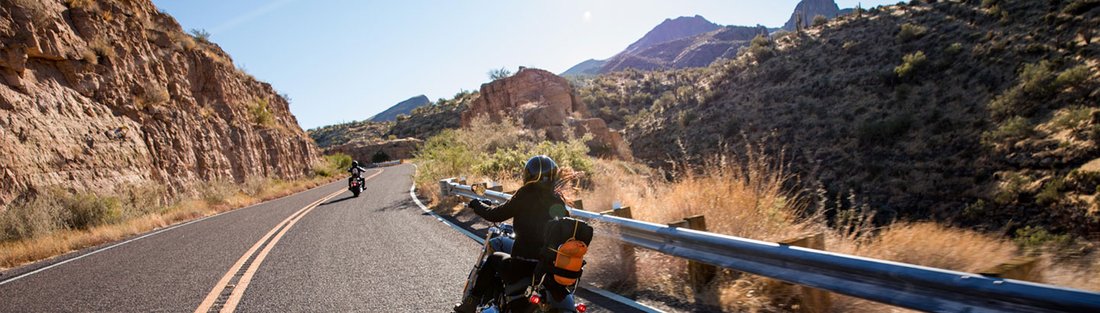
Credit: www.harley-davidson.com
Frequently Asked Questions
Is It Wise To Buy A Motorcycle Before Learning To Ride?
It’s not advisable to buy a motorcycle before learning to ride. Taking lessons first helps you understand what type of motorcycle suits you. Additionally, it ensures you are comfortable and safe on the road.
What Should I Consider Before Buying A Motorcycle?
Before buying, consider your experience, the bike’s purpose, and your budget. Research different models, read reviews, and consult experienced riders. Safety gear and insurance are also essential considerations.
Can I Learn To Ride On My New Motorcycle?
Yes, but it’s risky. It’s better to learn on a training bike provided by a riding school. These bikes are designed for beginners and safety. After gaining confidence, you can transition to your own motorcycle.
How Do I Choose The Right Motorcycle?
Choosing the right motorcycle involves considering your skill level, riding style, and budget. Test ride different models and consult with experienced riders. Ensure the bike feels comfortable and manageable for you.
Conclusion
Purchasing a motorcycle before learning to ride can be an exciting decision. It allows you to familiarize yourself with your future ride. This proactive approach can boost your confidence and ease the learning process. Just ensure you invest in proper training and safety gear.
Enjoy the journey towards becoming a skilled motorcyclist.