
Car smoking under hood and burning smell often indicate an oil leak or overheating engine. Immediate inspection is crucial to prevent serious damage.
Experiencing smoke under the hood and a burning smell in your car can be alarming. These symptoms often point to underlying issues like oil leaks, coolant leaks, or an overheating engine. Ignoring these signs can lead to more severe engine damage and costly repairs.
Regular maintenance and timely checks are essential to keep your vehicle in good condition. If you notice these symptoms, it’s crucial to address them immediately to ensure your safety and the longevity of your car. Consulting a professional mechanic can help diagnose and fix the problem efficiently.
Common Causes Of Car Smoking
Seeing smoke under your car’s hood can be alarming. The smoke often comes with a burning smell. Understanding the common causes can help you address the issue promptly. Below are some frequent reasons your car might be smoking.
Oil Leaks
Oil leaks are a common cause of smoke under the hood. When oil drips onto hot engine parts, it can create smoke and a burning odor. Leaks can come from various places, such as the valve cover gasket or oil pan.
- Check for oil stains under your car.
- Inspect the engine for signs of fresh oil.
- Replace worn gaskets and seals.
Coolant Leaks
Coolant leaks can also cause smoke. Coolant is essential for keeping the engine cool. When it leaks, it can hit hot engine parts, producing steam and a sweet smell.
- Look for puddles of coolant under the car.
- Check the radiator and hoses for leaks.
- Ensure the coolant reservoir is at the correct level.
Electrical Issues
Electrical issues can generate smoke and a burning plastic smell. Damaged wiring or short circuits can overheat and melt. This can create visible smoke and a distinct odor.
- Inspect the wiring harness for damage.
- Replace frayed or burnt wires.
- Check the battery and alternator for issues.
Identifying The Burning Smell

Credit: www.reddit.com
Experiencing a burning smell from your car can be alarming. It’s important to identify the source quickly. Different smells point to different issues. Let’s explore the most common burning smells: rubber, oil, and coolant.
Rubber Burning
A rubber burning smell often signals an issue with belts or hoses. These parts can wear out or slip. If they do, they can produce a distinct burning smell. Check the belts and hoses for any signs of wear or damage. Replace them if they look frayed or cracked.
Oil Burning
An oil burning smell is a common problem. It usually means oil is leaking onto hot engine parts. This can create a strong, unpleasant odor. Look for oil spots under your car. Check the oil level and inspect the engine for leaks. Addressing oil leaks promptly can prevent engine damage.
Coolant Burning
A coolant burning smell is often sweet and pungent. It usually means there’s a leak in the cooling system. This can cause the engine to overheat. Check the coolant level in the reservoir. Look for any signs of leaks around the radiator and hoses. Fixing coolant leaks is crucial to avoid engine overheating.
| Burning Smell | Potential Cause | Action to Take |
|---|---|---|
| Rubber | Worn belts or hoses | Inspect and replace if damaged |
| Oil | Oil leak on engine parts | Check for leaks and repair |
| Coolant | Coolant leak in the system | Check levels and inspect for leaks |
Immediate Actions To Take
Car smoking under the hood and a burning smell can be alarming. Knowing the immediate actions to take can prevent further damage. Here are crucial steps to follow to ensure safety and minimize risks.
Stop The Car
Immediately pull over to a safe location. Turn on your hazard lights to alert other drivers. Ensure you are on the side of the road or in a parking lot.
Do not continue driving. This can cause more damage to your car. Turn off the engine to stop any further issues.
Check Temperature Gauge
Look at the temperature gauge on your dashboard. It shows how hot your engine is.
| Gauge Reading | Action |
|---|---|
| Normal | Inspect under the hood |
| High | Let the engine cool down |
If the gauge is high, wait for the engine to cool. Do not open the hood immediately. The engine could be too hot to handle.
Inspect Under The Hood

Once the engine is cool, open the hood. Look for any smoke or leaks.
- Check for oil leaks.
- Look for coolant leaks.
- Inspect all visible hoses and belts.
Identify the source of the smoke. A burning smell could indicate a serious issue. Do not touch any parts if unsure. Call a professional mechanic for help.
Diagnosing Oil Leaks
Is your car smoking under the hood? Do you smell burning oil? These are signs of oil leaks. Diagnosing oil leaks is crucial. It helps keep your engine healthy. This guide will help you identify and fix oil leaks.
Signs Of Oil Leaks
Oil leaks can cause serious problems. Here are some signs to watch for:
- Smoke coming from the engine area.
- Burning oil smell while driving.
- Oil spots under the car.
- Low oil levels on the dipstick.
Check your car regularly. Early detection can save you money and trouble.
Common Leak Locations
Oil leaks often occur in specific areas. Knowing these can help you find the leak faster.
| Location | Description |
|---|---|
| Valve Cover Gasket | Located on top of the engine. Seals the valve cover. |
| Oil Pan Gasket | Found at the bottom of the engine. Seals the oil pan. |
| Rear Main Seal | Located at the back of the engine. Seals the crankshaft. |
| Oil Filter | Attached to the engine. Filters engine oil. |
Testing For Oil Leaks
Testing for oil leaks is essential. Follow these steps:
- Park your car on a level surface.
- Let the engine cool down.
- Check the oil level with the dipstick.
- Inspect under the car for oil spots.
- Look at common leak locations.
- Use a flashlight to spot leaks.
- If unsure, add UV dye to the oil.
- Run the engine and use a UV light to find the leak.
Always fix leaks promptly. This prevents further engine damage.
Fixing Coolant Leaks
Experiencing smoke under the hood and a burning smell? It may be due to a coolant leak. Coolant leaks can cause serious engine damage. Fixing these leaks is crucial. Follow these steps to locate, repair, and refill coolant leaks.
Locating The Leak
First, find the source of the leak. Open the hood and look for wet spots. Coolant is usually green, yellow, or pink. Check these areas:
- Radiator: Inspect the radiator for cracks or holes.
- Hoses: Look at all coolant hoses. Ensure there are no cracks or splits.
- Water Pump: Examine the water pump. Check for any signs of leakage.
- Heater Core: Check the heater core for any wetness or drips.
Repairing The Leak
After finding the leak, it’s time to repair it. Here’s a simple guide:
- Turn off the engine and let it cool.
- Use a wrench to remove the damaged part.
- Replace the part with a new one. Ensure a tight fit.
- Use sealant on joints if necessary. It helps prevent future leaks.
Refilling Coolant
Once the repair is done, you need to refill the coolant. Follow these steps:
- Open the radiator cap. Be careful, it may still be hot.
- Pour in the coolant slowly. Fill it to the recommended level.
- Start the engine and let it run for a few minutes.
- Check for leaks again. Make sure everything is secure.
Keeping your engine cool is essential. Fixing coolant leaks promptly can save you money and prevent engine damage. Always keep an eye out for unusual smells or smoke.
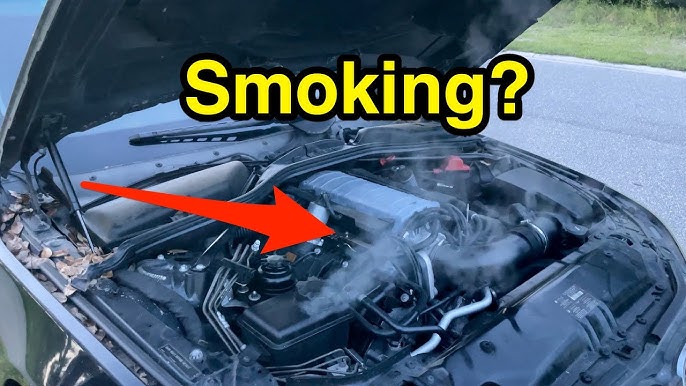
Credit: m.youtube.com
Addressing Electrical Issues
A car smoking under the hood with a burning smell often signals electrical issues. Identifying and fixing these problems promptly is crucial. Electrical issues can lead to serious damage if ignored. This section will help you tackle electrical problems effectively.
Inspecting Wiring
Begin by checking the car’s wiring. Use a flashlight to see better. Look for burnt wires, melted insulation, or exposed copper. Damaged wires can cause smoke and burning smells.
A multimeter can help test the wires. Ensure all connections are secure. If you find any broken wires, replace them immediately.
Replacing Faulty Components
Faulty components can also cause electrical issues. Check the battery terminals for corrosion. Clean them using a wire brush if needed. Inspect the alternator and starter motor for any damage.
Replace any components that show signs of wear or damage. Ensure you use high-quality replacements to avoid future issues.
Preventive Measures
Taking preventive measures can help avoid electrical issues. Regularly check and maintain your car’s electrical system.
Here are some preventive tips:
- Inspect wiring every six months.
- Clean battery terminals regularly.
- Ensure all electrical connections are tight.
- Use a multimeter to check voltage levels.
Use these tips to keep your car’s electrical system in top condition. Preventive maintenance can save you from bigger problems later.
Preventive Maintenance Tips
Car smoking under the hood and a burning smell can be alarming. Regular maintenance can prevent these issues. Here are some tips to keep your car in top shape.
Regular Inspections
Regular inspections help catch issues early. Check under the hood every month. Look for leaks, cracks, or worn-out parts. An inspection can save you from bigger problems later. Make it a habit to inspect your car frequently.
Proper Fluid Levels
Keeping your car’s fluids at proper levels is crucial. Low oil or coolant can cause smoking and burning smells. Ensure you check oil, coolant, brake fluid, and transmission fluid levels. Use a dipstick to check the oil. Check the coolant tank for proper levels. Top up fluids when needed.
Timely Repairs
Don’t delay repairs. Fix small issues before they become big problems. A minor oil leak can lead to serious engine damage. Replace worn-out belts and hoses immediately. Timely repairs can prevent smoking and burning smells.
Follow these preventive maintenance tips to keep your car running smoothly. Regular inspections, proper fluid levels, and timely repairs can save you time and money.
When To Seek Professional Help
Experiencing car smoking under the hood and a burning smell can be alarming. Sometimes, these issues require professional intervention. Knowing when to seek help is crucial for your safety and your vehicle’s health.
Complex Issues
Some car problems are too complex for DIY solutions. Engine malfunctions often fall into this category. If your engine smokes or emits a burning smell, it may indicate a serious issue.
Transmission problems are another example. A burning odor may signal transmission fluid leaks. These issues require expert diagnostics and repairs.
| Issue | Possible Cause |
|---|---|
| Engine Smoke | Oil Leak |
| Burning Smell | Transmission Fluid Leak |
Persistent Problems
If the problem persists despite your efforts, it’s time for a mechanic. Persistent smoking or burning smells often indicate underlying issues.
- Recurring smoke after DIY fixes
- Constant burning smell even after inspections
These signs suggest the problem is beyond basic troubleshooting.
Safety Concerns
Your safety should always be a priority. Driving with unresolved issues can be dangerous. Smoke and burning smells often indicate problems that can escalate.
- Fire hazards from oil or fluid leaks
- Engine failure due to overheating
These risks make professional help essential for safety and peace of mind.
Frequently Asked Questions
What Causes A Car To Smoke Under The Hood?
A car smoking under the hood can be caused by oil leaks, coolant leaks, or overheating. Identifying the source is crucial for proper repairs.
Why Does My Car Smell Like Burning?
A burning smell in your car often indicates oil or coolant leaks, electrical issues, or worn-out components. Immediate inspection is necessary.
Is It Safe To Drive With Smoke Under The Hood?
Driving with smoke under the hood is unsafe. It can lead to engine damage or fire. Stop driving and seek professional help.
How Do I Fix A Smoking Engine?
To fix a smoking engine, identify the source, such as leaks or overheating. Professional diagnosis and repairs are recommended for safety.
Conclusion
Addressing car smoking under the hood and burning smells is crucial for safety. Regular maintenance prevents potential hazards. Always consult a professional if issues persist. Ignoring these signs can lead to costly repairs. Stay proactive to ensure your vehicle runs smoothly.
Your car’s health is essential for a safe and reliable ride.