
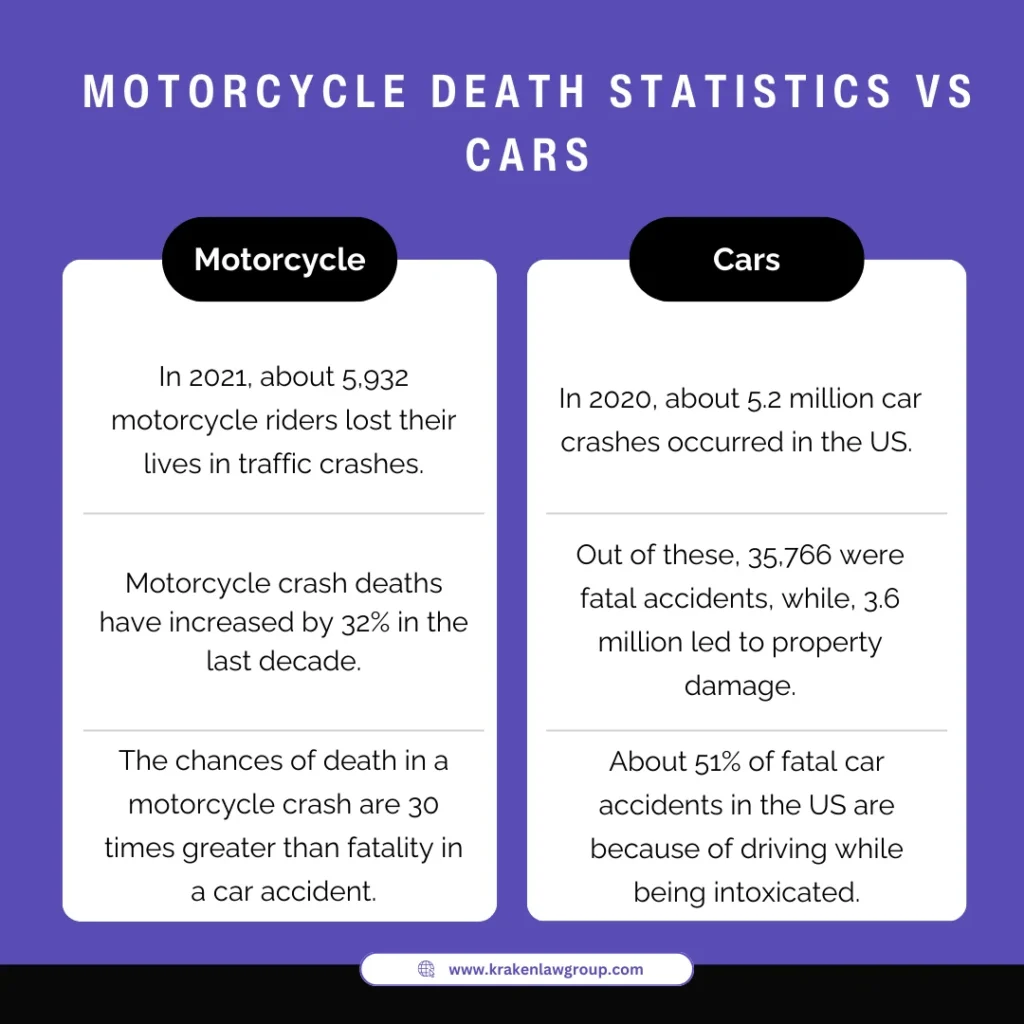
Motorcycle riders face a significantly higher risk of fatality compared to car drivers. Motorcycles are 28 times more likely to result in death.
Motorcycles offer less protection than cars, making accidents more dangerous and affecting the chances of dying on a motorcycle vs. car. Without a protective enclosure, riders are exposed to direct impacts, which often lead to severe injuries or fatalities. Cars have safety features like airbags, seatbelts, and crumple zones that absorb impact, significantly reducing injury risks. Motorcycles lack these protective elements, increasing the chances of dying on motorcycle vs car in the event of a crash.
Riding a motorcycle requires heightened awareness and skill. Protective gear can mitigate some risks, but the inherent dangers remain high. Understanding these risks is crucial for making informed choices about riding or driving. Safety measures and defensive driving can help reduce the chances of accidents.
Risk Factors
Riding a motorcycle presents unique risks compared to driving a car. Understanding these risk factors helps to appreciate the differences in safety. Below, we explore the primary risk factors: speed and agility, and exposure and vulnerability.
Speed And Agility
Motorcycles are often faster and more agile than cars. This can be both a benefit and a risk. The ability to maneuver quickly through traffic can help avoid accidents. Yet, the same speed and agility can lead to higher risks.
Here are some key points:
- Speed: Motorcycles can accelerate faster, making high-speed crashes more likely.
- Agility: Sudden maneuvers can lead to loss of control.
- Braking: Motorcycles require more skill to stop quickly and safely.
Exposure And Vulnerability
Motorcyclists are more exposed to the elements and road hazards. Unlike cars, motorcycles offer little protection in a crash.
Consider these factors:
- Physical Exposure: Riders are directly exposed to impact forces.
- Weather Conditions: Rain, wind, and ice affect motorcycles more.
- Road Hazards: Potholes, debris, and uneven surfaces pose greater risks.
In a crash, the lack of a protective shell makes injuries more severe. Motorcyclists must wear protective gear to reduce risks.

Credit: www.latimes.com
Accident Statistics
Understanding the accident statistics can help you make safer decisions. Let’s examine the data on motorcycle vs car accidents. This information can guide you to safer transportation choices.
Fatality Rates
Motorcycles have higher fatality rates compared to cars. Data shows that motorcyclists are 27 times more likely to die in a crash than car occupants. This alarming rate highlights the risks associated with motorcycle riding.
| Vehicle Type | Fatality Rate per 100,000 Registered Vehicles |
|---|---|
| Motorcycles | 58.33 |
| Cars | 10.05 |
Injury Rates
Injury rates also show significant differences. Motorcyclists are more likely to suffer injuries. The lack of protection plays a significant role. Motorcycles don’t have the safety features that cars do.
- Motorcycle injuries: 1,000 per 100,000 registered vehicles
- Car injuries: 300 per 100,000 registered vehicles
These figures emphasize the vulnerability of motorcyclists on the road.
Safety Measures
Riding a motorcycle can be thrilling but also risky. Comparing motorcycles and cars, the chances of fatal accidents are higher for motorcycles. Safety measures can significantly reduce these risks. Below, we discuss crucial safety steps for both motorcycle and car users.
Protective Gear
For motorcycle riders, protective gear is essential. Wearing a helmet can save lives. It reduces head injuries by 69%. Motorcyclists should also wear leather jackets and gloves. These prevent severe injuries in case of falls.
- Helmets: Must meet safety standards.
- Leather Jackets: Protect against road rash.
- Gloves: Enhance grip and protect hands.
- Boots: Offer ankle support and protection.
- Pants: Made from durable material, protect legs.
Car occupants should wear seat belts. They reduce the risk of death by 45%. Children must use car seats suited to their age and size.
| Protective Gear | Motorcycle | Car |
|---|---|---|
| Helmet | Yes | No |
| Leather Jacket | Yes | No |
| Seat Belt | No | Yes |
| Car Seat for Children | No | Yes |
Vehicle Safety Features
Modern cars have advanced safety features. Airbags inflate during collisions. They cushion passengers from hitting hard surfaces. Anti-lock Braking Systems (ABS) prevent wheels from locking up. This helps maintain steering control.
- Airbags: Protects passengers during a crash.
- ABS: Prevents skidding and maintains control.
- Electronic Stability Control (ESC): Helps prevent loss of control.
- Crumple Zones: Absorb crash energy.
Motorcycles also have ABS. It helps riders maintain control during sudden stops. Reflective tapes and lights enhance visibility. This is crucial for night riding.
- ABS: Maintains control during sudden stops.
- Reflective Tapes: Enhances visibility at night.
- Lights: Make riders more visible.
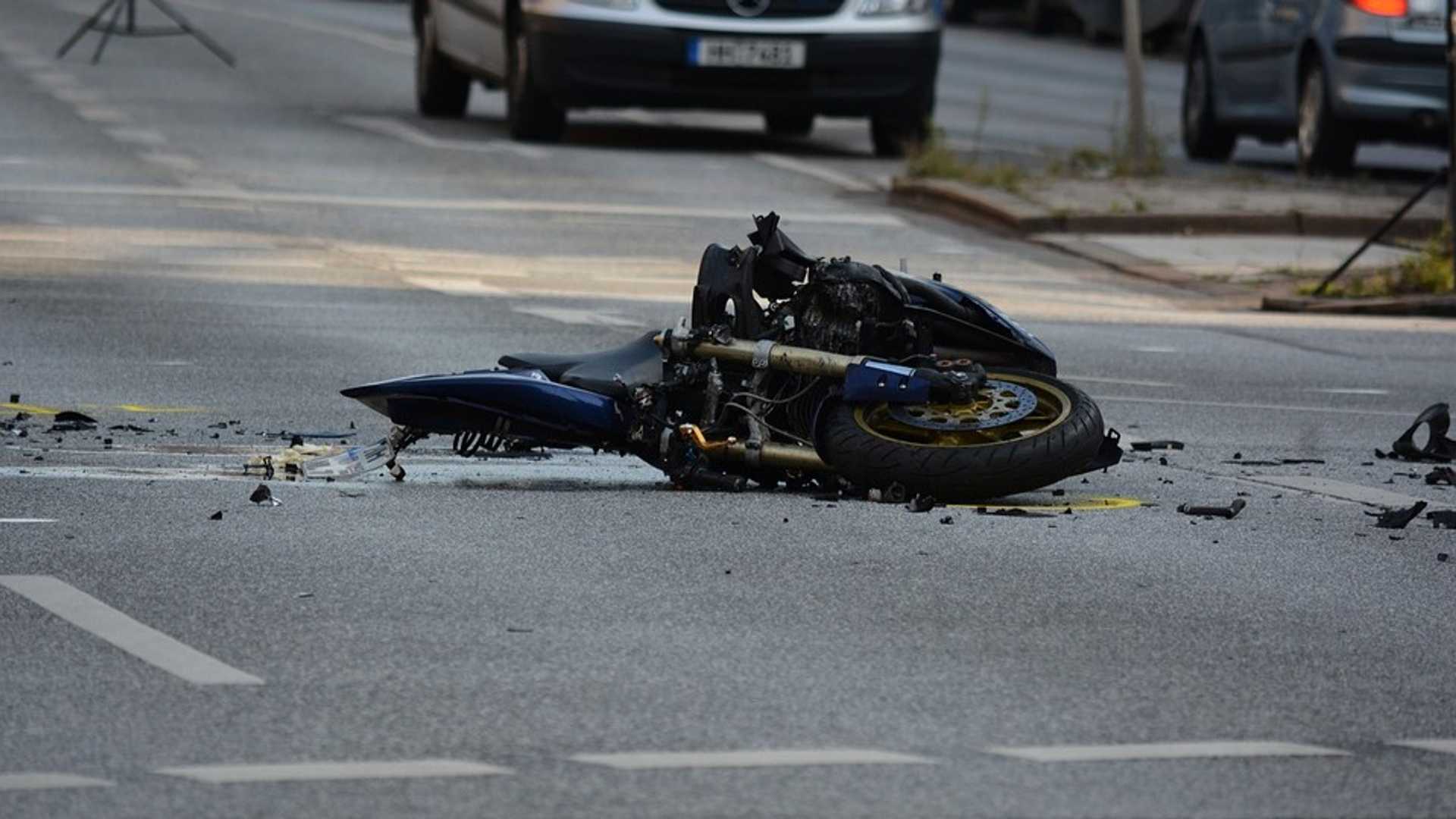
Credit: perrypi.com
Common Causes Of Accidents
Accidents on the road happen due to various reasons. The risk of dying on a motorcycle is higher than in a car. Understanding the common causes of accidents can help in prevention.
Human Error
Human error is a leading cause of accidents. Many drivers and riders make mistakes. These mistakes include:
- Speeding: Going too fast reduces reaction time.
- Distracted Driving: Using phones or eating while driving.
- Fatigue: Being tired can slow down reaction times.
- Alcohol and Drugs: Impairs judgment and coordination.
Environmental Factors
The environment also plays a big role in accidents. Many factors can increase the risk:
| Factor | Effect |
|---|---|
| Weather | Rain, snow, and fog reduce visibility. |
| Road Conditions | Potholes and debris can cause loss of control. |
| Lighting | Darkness makes it hard to see obstacles. |
Impact Of Road Conditions
Road conditions play a critical role in motorcycle and car safety. Poor conditions can increase the chances of accidents and fatalities. Understanding how different factors affect safety can help in making informed decisions.
Urban Vs Rural Roads
Urban roads are typically busier and have more intersections. These roads often have better lighting and signage. However, traffic congestion increases the risk of accidents.
Rural roads are less crowded but can be more dangerous. They often lack proper lighting and have sharp turns. The chances of encountering wildlife are higher. This makes rural roads risky for both motorcyclists and car drivers.
| Factors | Urban Roads | Rural Roads |
|---|---|---|
| Traffic Density | High | Low |
| Lighting | Better | Poor |
| Signage | Clear | Often Missing |
| Wildlife | Rare | Common |
Weather Conditions
Weather conditions significantly impact driving safety. Rain, snow, and fog can reduce visibility and road grip. These conditions are dangerous for both motorcycles and cars.
- Rain: Makes roads slippery and decreases visibility.
- Snow: Increases the risk of skidding and losing control.
- Fog: Reduces visibility, making it hard to see obstacles.
Motorcyclists are more vulnerable in bad weather. They have less stability and protection. Car drivers have more stability but can still face challenges.
Credit: krakenlawgroup.com
Technological Advances
Technological advances have significantly improved vehicle safety. Both motorcycles and cars have benefited from these innovations. This section will explore the impact of technological advancements on safety.
Safety Innovations
Modern cars are equipped with advanced safety features. Some of these include:
- Anti-lock Braking System (ABS)
- Electronic Stability Control (ESC)
- Adaptive Cruise Control (ACC)
Motorcycles have also seen new safety technologies. Key innovations are:
- Motorcycle Stability Control (MSC)
- Cornering ABS
- Traction Control
The table below shows a comparison between car and motorcycle safety features:
| Feature | Car | Motorcycle |
|---|---|---|
| Anti-lock Braking System (ABS) | Yes | Yes |
| Electronic Stability Control (ESC) | Yes | No |
| Adaptive Cruise Control (ACC) | Yes | No |
| Motorcycle Stability Control (MSC) | No | Yes |
| Cornering ABS | No | Yes |
| Traction Control | Yes | Yes |
Future Trends
The future holds exciting safety advancements. For cars, expect:
- Self-driving technology
- Vehicle-to-Everything (V2X) communication
- Advanced driver-assistance systems (ADAS)
Motorcycles will also see new safety trends. Anticipate these features:
- Smart helmets with HUD displays
- Advanced rider-assistance systems (ARAS)
- Enhanced connectivity for emergency services
Both cars and motorcycles will continue to evolve. Technological advances will make them safer for everyone.
Frequently Asked Questions
How Risky Is Riding A Motorcycle?
Riding a motorcycle is riskier than driving a car. Motorcyclists are more exposed to injuries. Lack of protective barriers increases the risk.
Are Car Accidents Less Fatal Than Motorcycle Accidents?
Yes, car accidents are generally less fatal. Cars offer more protection with seat belts and airbags. Motorcycle accidents often result in more severe injuries.
What Are Common Causes Of Motorcycle Accidents?
Common causes include speeding, lack of visibility, and road conditions. Riders should be cautious and wear protective gear.
Do Helmets Reduce Motorcycle Accident Fatalities?
Yes, helmets significantly reduce fatalities. They protect the head and reduce the risk of severe brain injuries.
Conclusion
Choosing between a motorcycle and a car involves weighing risks, especially considering the chances of dying on motorcycle vs car. Motorcycles offer freedom but come with higher danger, reflected in the higher chances of fatal accidents. Cars provide more safety, making the choice a significant one. Always prioritize safety measures, regardless of your choice. Understanding the chances of dying on a motorcycle vs. a car can help in making informed decisions. Stay aware, stay cautious, and ride or drive responsibly to minimize dangers.