
Common motorcycle engine problems include issues with the fuel system, electrical faults, and overheating. Regular maintenance can help prevent these issues.
Motorcycle engines are complex machines that require proper care to run efficiently. Regular maintenance and timely repairs are essential to avoid common engine problems. Issues like fuel system clogs, electrical faults, and overheating can significantly impact performance. Understanding these problems and addressing them promptly ensures your motorcycle remains reliable.
This guide will cover the most common engine problems and provide tips for prevention and maintenance. By staying proactive, you can extend the life of your motorcycle and enjoy a smoother ride. Proper engine care not only enhances performance but also ensures safety on the road.
Engine Starting Issues
Motorcycle engines can have various issues. One common problem is engine starting issues. If your bike doesn’t start, it can be frustrating. Here are some steps to fix it.
Battery Check
The first step is to check the battery. A weak or dead battery is a common cause of starting issues.
- Inspect the battery terminals for corrosion.
- Ensure the connections are tight and clean.
- Use a multimeter to check the battery voltage.
If the voltage is below 12.5 volts, the battery may need charging or replacement.
Fuel System Inspection
Next, inspect the fuel system. Fuel delivery issues can prevent the engine from starting.
- Check the fuel level in the tank.
- Ensure the fuel valve is turned on.
- Inspect the fuel lines for kinks or leaks.
- Check the fuel filter for clogs.
Ensure the fuel reaches the carburetor or fuel injectors without obstruction.
By following these steps, you can troubleshoot common engine starting issues. Proper maintenance can prevent many problems.
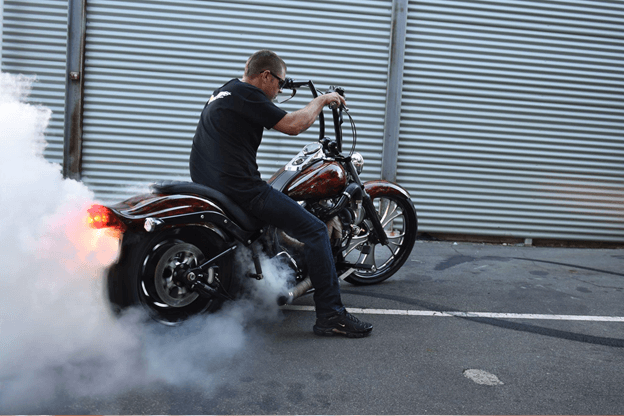
Credit: www.tavernermotorsports.com.au
Overheating Problems
Motorcycle engines can overheat due to various reasons. Overheating problems can lead to severe engine damage if not addressed promptly. This section will cover common causes and solutions for motorcycle engine overheating.
Coolant Levels
The coolant helps maintain the engine’s temperature. Low coolant levels can cause the engine to overheat. Always check the coolant level before riding. Use a coolant that is compatible with your motorcycle model. Refer to the owner’s manual for specific recommendations.
Here are some steps to check coolant levels:
- Locate the coolant reservoir.
- Check the coolant level against the ‘full’ and ‘low’ marks.
- Add coolant if the level is below the ‘low’ mark.
Radiator Maintenance
The radiator plays a crucial role in cooling the engine. Dirt and debris can clog the radiator, causing overheating. Regular radiator maintenance is essential.
Follow these steps to maintain your radiator:
- Inspect the radiator for any visible damage.
- Clean the radiator fins with a soft brush.
- Ensure there are no obstructions blocking airflow.
- Check the radiator cap for any signs of wear.
A well-maintained radiator ensures efficient cooling and prevents overheating.
Poor Acceleration
Experiencing poor acceleration on your motorcycle can be frustrating. It could be a sign of underlying engine problems. Identifying and addressing these issues promptly is crucial. Here are some common causes of poor acceleration and how to fix them.
Air Filter Replacement
A clogged air filter can restrict airflow. This leads to poor engine performance. Replacing the air filter is a simple fix. Follow these steps:
- Locate the air filter housing.
- Remove the cover and take out the old filter.
- Insert a new air filter and secure the cover.
Regular air filter maintenance can improve acceleration. Check your motorcycle’s manual for the recommended replacement schedule.
Throttle Adjustment
A misadjusted throttle can cause poor acceleration. Proper throttle adjustment ensures smooth power delivery. Follow these steps to adjust the throttle:
- Locate the throttle cable adjuster.
- Loosen the lock nut using a wrench.
- Adjust the cable tension by turning the adjuster.
- Tighten the lock nut to secure the adjustment.
Test the throttle response after making adjustments. Make sure the throttle moves smoothly and returns to idle position.
| Problem | Solution |
|---|---|
| Clogged Air Filter | Replace the air filter |
| Misadjusted Throttle | Adjust throttle cable |
Regular maintenance can prevent these issues. Ensure your air filter and throttle system are in good condition.
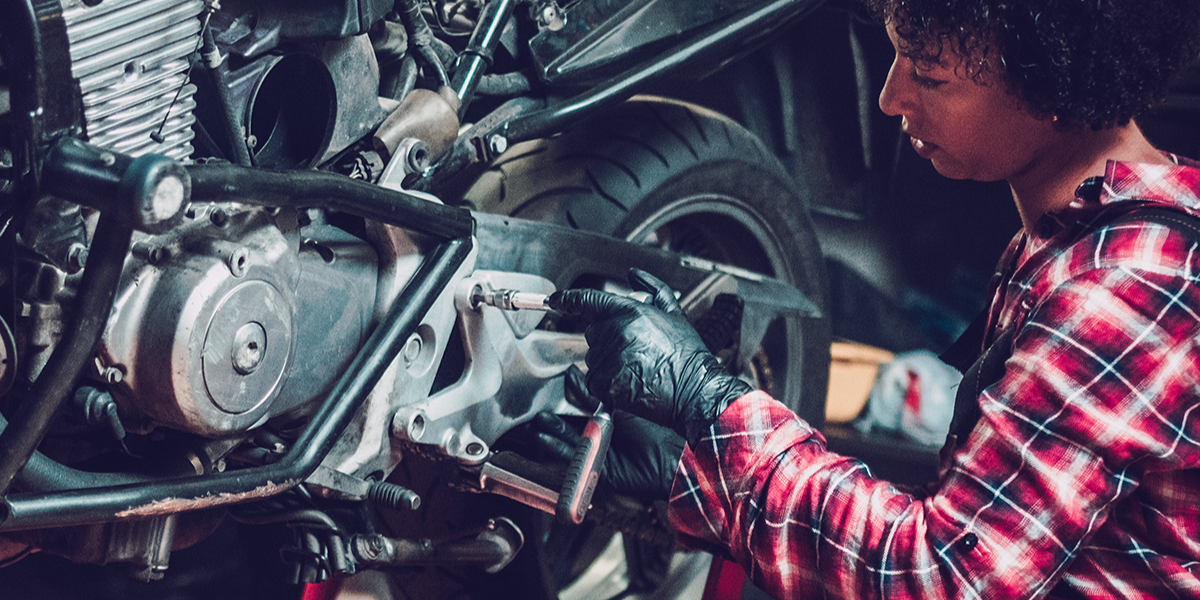
Credit: www.valvolineglobal.com
Strange Engine Noises
Motorcycles can develop strange engine noises over time. Identifying these noises early can prevent bigger problems. Let’s explore common causes and solutions.
Valve Adjustment
Valve adjustment is critical for smooth engine performance. Misadjusted valves can cause ticking or tapping noises. This can lead to engine damage over time.
- Check the valve clearance regularly.
- Follow the manufacturer’s guidelines.
- Use the correct tools for adjustment.
Proper maintenance ensures your engine runs quietly and efficiently.
Exhaust System Check
Another source of strange noises is the exhaust system. A damaged exhaust can create loud and unusual sounds. Regular checks can prevent this.
| Issue | Possible Cause | Solution |
|---|---|---|
| Rattling Noise | Loose parts or brackets | Tighten or replace parts |
| Loud Roaring | Exhaust leak | Seal the leak or replace gasket |
Regular exhaust system checks can keep your bike running smoothly and quietly.
Oil Leaks
Oil leaks are a common issue for motorcycle owners. They can lead to significant engine damage if not addressed. Oil leaks can occur for various reasons, and identifying the source is crucial. This section will focus on inspecting gaskets and tightening the oil pan to prevent leaks.
Gasket Inspection
The gasket is a critical component in preventing oil leaks. It seals the engine parts together, ensuring no oil escapes. Over time, gaskets can become worn or damaged. Regular inspection is necessary to keep your motorcycle in good condition.
| Step | Action |
|---|---|
| 1 | Locate the gasket area |
| 2 | Inspect for any visible damage |
| 3 | Look for oil residue around the gasket |
| 4 | Replace if necessary |
A damaged gasket should be replaced immediately. Ignoring it can lead to more severe problems. Always use high-quality gaskets to ensure a proper seal.
Oil Pan Tightening
The oil pan holds the engine oil and can also be a source of leaks. Loose bolts or a damaged oil pan can cause oil to seep out. Tightening the oil pan can often resolve this issue.
- Locate the oil pan under the engine.
- Inspect the bolts for any looseness.
- Use a wrench to tighten each bolt evenly.
- Check for any signs of oil leakage after tightening.
Ensure all bolts are tightened securely but do not over-tighten. Over-tightening can damage the oil pan and create new problems. Regular maintenance checks can help prevent oil pan-related leaks.
Fuel Efficiency Drop
Experiencing a drop in fuel efficiency can be a major concern for motorcycle owners. A motorcycle running inefficiently uses more fuel, which can be costly. Understanding the root causes can help in maintaining your bike’s optimal performance.
Spark Plug Condition
The condition of your spark plug plays a significant role in fuel efficiency. A worn-out or dirty spark plug can cause incomplete combustion. This leads to higher fuel consumption and reduced performance.
- Check the spark plug regularly.
- Replace it if it’s worn or covered in deposits.
- Ensure the gap is set correctly to the manufacturer’s specifications.
Keeping your spark plug in good condition helps maintain efficient fuel use.
Fuel Injector Cleaning
Fuel injectors spray fuel into the engine. Over time, they can become clogged or dirty. This can lead to poor fuel atomization and reduced efficiency.
- Regularly clean the fuel injectors.
- Use a fuel injector cleaner additive.
- Consider professional cleaning if performance issues persist.
Clean fuel injectors ensure proper fuel delivery and improved efficiency.
Engine Stalling
Engine stalling is a common problem for motorcycle owners. This issue can be frustrating and dangerous. Understanding the causes can help in preventing it.
Idle Speed Adjustment
Incorrect idle speed can cause engine stalling. Ensure the idle speed is set correctly. Consult your motorcycle’s manual for the proper idle speed.
To adjust the idle speed:
- Locate the idle adjustment screw.
- Turn the screw to increase or decrease the idle speed.
- Test the engine to ensure it runs smoothly.
Carburetor Tuning
A poorly tuned carburetor can lead to engine stalling. Proper carburetor tuning is essential for smooth engine performance.
Steps for carburetor tuning:
- Check the air-fuel mixture.
- Adjust the mixture screw to achieve the correct balance.
- Ensure the carburetor is clean and free of debris.
Regular maintenance can prevent engine stalling. Follow these tips to keep your motorcycle engine running smoothly.
Excessive Vibration

Credit: www.vikingbags.com
Excessive vibration in your motorcycle can be unsettling. It affects your ride quality and comfort. It can lead to further engine damage. Identifying the cause is crucial for safety and performance.
Engine Mounts Check
The engine mounts hold your engine in place. Loose or damaged mounts increase vibration. Regularly check for wear and tear. Replace worn mounts immediately. This simple step can reduce vibration significantly.
| Mount Condition | Action Required |
|---|---|
| Good | No Action Needed |
| Worn | Replace |
| Loose | Tighten |
Balancing Inspection
An imbalanced engine causes excessive vibration. Check the engine balance regularly. Use professional tools for accurate results. Balancing ensures smooth engine operation. It also extends your engine’s life.
- Inspect engine components.
- Identify any imbalances.
- Use tools to correct imbalances.
Keeping your motorcycle engine balanced enhances performance. It provides a smoother ride. Regular inspections are essential.
Frequently Asked Questions About Common Motorcycle Engine Problems
What Are Common Motorcycle Engine Problems?
Common problems include oil leaks, overheating, and carburetor issues. Regular maintenance can prevent these issues.
How To Identify Motorcycle Engine Overheating?
Signs of overheating include a hot engine, power loss, and coolant leaks. Check your cooling system regularly.
Why Is My Motorcycle Engine Making Noise?
Engine noise can be due to loose parts, worn-out components, or insufficient lubrication. Inspect and lubricate your engine parts.
How To Fix Motorcycle Oil Leaks?
To fix oil leaks, identify the leak source, replace gaskets, and ensure proper sealing. Regular oil checks help.
Conclusion
Regular maintenance can prevent most motorcycle engine problems. Always check your engine for signs of wear. Address issues early to avoid costly repairs. Keeping your motorcycle in top shape ensures a smooth and safe ride. Stay proactive and enjoy the open road with confidence.