
Common problems after head gasket replacement include coolant leaks and engine overheating. These issues can arise from improper installation or underlying engine damage.
Replacing a head gasket is a significant repair that can restore engine performance. Despite this, some car owners experience persistent issues even after the replacement. Coolant leaks and engine overheating are the most common problems. These issues often result from improper installation or pre-existing engine damage that wasn’t addressed.
Regular maintenance and thorough inspections can help prevent these complications. Ensuring the repair is done by a qualified mechanic can also minimize risks. Understanding these potential problems can help car owners take proactive steps to maintain their vehicle’s health.
Coolant Leaks
After replacing a head gasket, you might encounter coolant leaks. These leaks can lead to engine overheating and damage. Proper detection and repair are crucial to avoid further issues.
Detection Methods
Detecting coolant leaks early can save you from costly repairs. Here are some methods to identify leaks:
- Visual Inspection: Look for coolant puddles under your car.
- Pressure Testing: Use a pressure tester to check for leaks.
- UV Dye Test: Add UV dye to the coolant and use a UV light.
- Coolant Smell: Notice any sweet smell inside or around the car.
- White Smoke: Watch for white smoke from the exhaust.
Repair Solutions
Once you detect a coolant leak, several repair solutions are available:
- Tighten Connections: Ensure all hoses and connections are tight.
- Replace Hoses: Old or damaged hoses might need replacement.
- Sealants: Use a coolant leak sealant for minor leaks.
- Radiator Repair: A damaged radiator might require fixing or replacement.
- Professional Help: If unsure, seek professional mechanic assistance.

Credit: m.youtube.com
Overheating Issues
Overheating issues are common after a head gasket replacement. These problems can lead to severe engine damage if not addressed promptly. Understanding the causes and taking preventative measures can help keep your engine running smoothly.
Causes
Several factors can cause overheating after a head gasket replacement. Here are some common causes:
- Improper Installation: If the head gasket is not installed correctly, it can lead to leaks and overheating.
- Faulty Thermostat: A malfunctioning thermostat can prevent coolant from circulating properly.
- Air Pockets: Air trapped in the cooling system can cause hot spots and overheating.
- Blocked Radiator: Debris or sludge in the radiator can restrict coolant flow.
- Water Pump Failure: A failing water pump cannot circulate coolant effectively.
Preventative Measures
Taking these preventative measures can help avoid overheating issues:
- Proper Installation: Ensure the head gasket is installed by a qualified technician.
- Check Thermostat: Test and replace the thermostat if necessary.
- Bleed Air: Use the proper procedure to remove air pockets from the cooling system.
- Flush Radiator: Regularly flush the radiator to remove debris and sludge.
- Inspect Water Pump: Check the water pump for signs of wear and replace if needed.
Following these steps can help prevent overheating and keep your engine in good condition.
Oil Contamination
Oil contamination is a frequent issue after a head gasket replacement. Contaminated oil can damage your engine. It is crucial to identify and address this problem quickly.
Symptoms
Identifying oil contamination symptoms early can save your engine. Here are some common signs:
- Milky oil appearance: The oil appears milky or frothy.
- Overheating engine: The engine temperature rises unexpectedly.
- White smoke: White smoke from the exhaust indicates coolant mixing.
- Loss of power: The engine loses power and performance.
Cleaning Procedures
Addressing oil contamination involves thorough cleaning. Follow these steps to clean the engine:
- Drain the oil: Drain all contaminated oil from the engine.
- Replace the oil filter: Install a new oil filter to ensure clean oil circulation.
- Flush the engine: Use an engine flush solution to remove contaminants.
- Refill with fresh oil: Refill the engine with clean, high-quality oil.
- Monitor oil levels: Regularly check oil levels and appearance.
Engine Misfires
Replacing a head gasket can sometimes lead to engine misfires. Misfires occur when one or more of your engine’s cylinders fail to combust properly. This can cause rough idling, reduced power, and increased emissions.
Common Triggers
- Faulty Spark Plugs: Worn-out spark plugs can cause misfires.
- Ignition Coil Issues: A failing ignition coil disrupts the spark.
- Fuel Injector Problems: Clogged injectors can’t deliver fuel properly.
- Vacuum Leaks: Air leaks can throw off the air/fuel mixture.
Diagnostic Tools
To diagnose engine misfires, mechanics use several tools:
- OBD-II Scanner: This tool reads error codes from your car’s computer.
- Compression Tester: Checks the pressure in each cylinder.
- Multimeter: Measures electrical values to find faults.
- Fuel Pressure Gauge: Tests the fuel system for proper pressure.
Compression Loss
Compression loss is a frequent issue after a head gasket replacement. It can cause poor engine performance and other problems. Understanding this problem is crucial for car owners and mechanics.
Testing Techniques
Several testing techniques help diagnose compression loss. The most common method is the compression test. This test measures the pressure in each cylinder.
Another method is the leak-down test. This test checks for air leaks in the cylinder. It helps identify the exact location of the compression loss.
A smoke test can also be useful. This test involves introducing smoke into the intake system. Any leaks will be visible as smoke escaping.
Rebuild Options
If testing confirms compression loss, consider rebuild options. One option is to re-torque the head bolts. This can sometimes fix minor leaks.
Another option is to replace the head gasket again. Ensure the surface is clean and flat. Use a high-quality gasket for better results.
In severe cases, rebuilding the engine may be necessary. This involves replacing worn or damaged parts. A professional mechanic should handle this complex process.
| Testing Technique | Description |
|---|---|
| Compression Test | Measures cylinder pressure |
| Leak-Down Test | Checks for air leaks in the cylinder |
| Smoke Test | Introduces smoke to find leaks |
- Compression loss impacts engine performance.
- Testing techniques help diagnose the problem.
- Consider rebuild options to fix the issue.
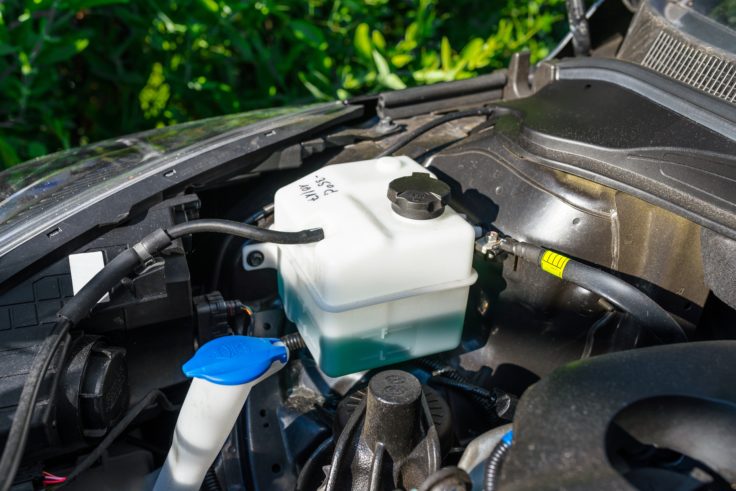
Credit: carfromjapan.com
Exhaust Smoke
After a head gasket replacement, your car might emit exhaust smoke. This smoke can signal various issues. Understanding these signs helps you address them promptly.
Color Indicators
The color of the exhaust smoke can reveal specific problems. Here’s what different colors indicate:
- White Smoke: This can mean coolant is burning. Look for a sweet smell.
- Blue Smoke: This may indicate oil is burning. Check for an oily smell.
- Black Smoke: This suggests fuel is burning. You might notice a strong fuel odor.
Possible Fixes
Addressing exhaust smoke issues can prevent further damage. Here are some possible fixes:
| Problem | Fix |
|---|---|
| Coolant Burning | Check for leaks and replace the gasket if needed. |
| Oil Burning | Inspect the valve seals and piston rings. |
| Fuel Burning | Examine the fuel injectors and air filters. |
Regular maintenance can help avoid these issues. Always consult a professional mechanic for accurate diagnosis and repair.
Check Engine Light
After a head gasket replacement, the Check Engine Light might come on. This light can be alarming. It signals that something is wrong with your engine. Understanding the reason behind this light is crucial.
Reading Codes
The first step is reading the error codes. These codes give clues about the issue. You need an OBD-II scanner for this. Plug it into the car’s diagnostic port. The scanner will read the codes and display them. Write these codes down for reference.
Here are some common codes you might see:
- P0300: Random/Multiple Cylinder Misfire Detected
- P0171: System Too Lean (Bank 1)
- P0174: System Too Lean (Bank 2)
- P0420: Catalyst System Efficiency Below Threshold
Addressing Issues
Once you have the codes, it’s time to address them. Each code points to a specific problem. For example, a P0300 code means a misfire. This could be due to faulty spark plugs or ignition coils.
Here’s a quick guide to addressing common issues:
| Code | Possible Cause | Solution |
|---|---|---|
| P0300 | Misfire | Check spark plugs and coils |
| P0171 | Lean Fuel | Inspect fuel injectors |
| P0174 | Lean Fuel | Check for vacuum leaks |
| P0420 | Catalytic Converter | Replace the converter |
Always address these issues promptly. Ignoring them can lead to bigger problems. Regular maintenance can prevent many of these issues. Keep your engine in good shape.

Performance Problems
After replacing the head gasket, some car owners experience performance issues. These problems can affect the vehicle’s overall driving experience. Below are two common performance issues: Acceleration Lag and Fuel Efficiency.
Acceleration Lag
Acceleration lag is a delay in the car’s response when you press the gas pedal. This can be frustrating and sometimes dangerous. Here are some potential causes of acceleration lag after a head gasket replacement:
- Timing Issues: The timing belt or chain might not be aligned properly.
- Air Leaks: A poorly sealed gasket can cause air to leak.
- Fuel Delivery Problems: The fuel injectors might be clogged or malfunctioning.
Fuel Efficiency
Another common problem is reduced fuel efficiency. Your car may consume more fuel than usual. Here are some reasons why:
- Incorrect Air-Fuel Mixture: The engine may not be getting the right mix of air and fuel.
- Exhaust Leaks: Leaks in the exhaust system can cause fuel wastage.
- Sensor Issues: Faulty sensors can give wrong readings to the engine control unit.
To diagnose these problems, you might need to check various components. A professional mechanic can help identify and fix these issues.
Frequently Asked Questions About Common Problems After Head Gasket Replacement
What Are Symptoms Of A Bad Head Gasket?
Common symptoms include white smoke from exhaust, engine overheating, and milky oil. You may also notice a loss of coolant. These are indicators that should not be ignored.
How Long Does A Head Gasket Last?
A head gasket can last 100,000 miles or more. However, its lifespan depends on engine maintenance. Regular check-ups can extend its life significantly.
Can A Replaced Head Gasket Fail?
Yes, a replaced head gasket can fail. Poor installation or using low-quality parts often cause this. Always ensure proper installation and use OEM parts.
What Causes Overheating After Replacement?
Overheating after replacement can be due to air pockets in the cooling system. Ensure proper bleeding of the cooling system to prevent this issue.
Conclusion
Experiencing common problems after head gasket replacement can be frustrating. Regular maintenance and timely checks help prevent these problems. Always consult a trusted mechanic for persistent issues. Understanding potential common problems after head gasket replacement ensures your vehicle runs smoothly. Stay proactive and ensure a longer lifespan for your car’s engine.