
Does Stalling a Motorcycle Damage It?
Stalling a motorcycle can potentially cause damage by accelerating the wear on the engine and clutch components. This wear and tear can eventually lead to higher maintenance and repair costs, which is why many riders are concerned about the consequences of stalling.
When asking “Does stalling a motorcycle damage it?”, it’s important to consider that frequent stalling may negatively impact the engine’s performance and longevity. The clutch, in particular, is susceptible to more rapid degradation if stalling occurs often, leading to issues like clutch slipping or overheating.
In this article, we will dive deeper into the effects of stalling on your motorcycle, how it affects the bike’s performance, and practical steps to minimize these risks.
Understanding the effects of stalling can help riders take better care of their motorcycles and ensure their longevity and optimal performance. By being aware of the impact of stalling, riders can take proactive measures to prevent potential damage and maintain their motorcycles in top condition.
Uncovering Stalling Damage Realities
Understanding The Mechanics Of Motorcycle Stalling
Motorcycle stalling occurs when the engine ceases to run due to various factors such as the clutch, fuel delivery, or engine mechanics. When a motorcycle stalls, it stops moving forward and the engine power is cut off. This can be a frustrating experience for riders, but many are often concerned about whether stalling can cause damage to the motorcycle.
Common Causes For Stalling Motorcycles
Stalling can be caused by several factors, and understanding these can help riders to avoid situations that lead to stalling. Some common causes of motorcycle stalling include:
- Clutch engagement: Improper clutch engagement, such as releasing the clutch too quickly or not giving it enough throttle, can lead to a stall.
- Low fuel or fuel system issues: Running out of fuel or having fuel system problems can cause the engine to stall.
- Engine overheating: Overheating can affect fuel combustion and cause the engine to stall.
Being aware of these common causes can help riders take preventive measures and avoid stalling, ensuring the longevity of their motorcycle.
Stalling a motorcycle may not necessarily cause damage, but it can lead to wear and tear on the bike over time. Being mindful of the mechanics of motorcycle stalling and the common causes can help riders avoid unnecessary wear on their motorcycles, promoting a safer and more enjoyable riding experience.
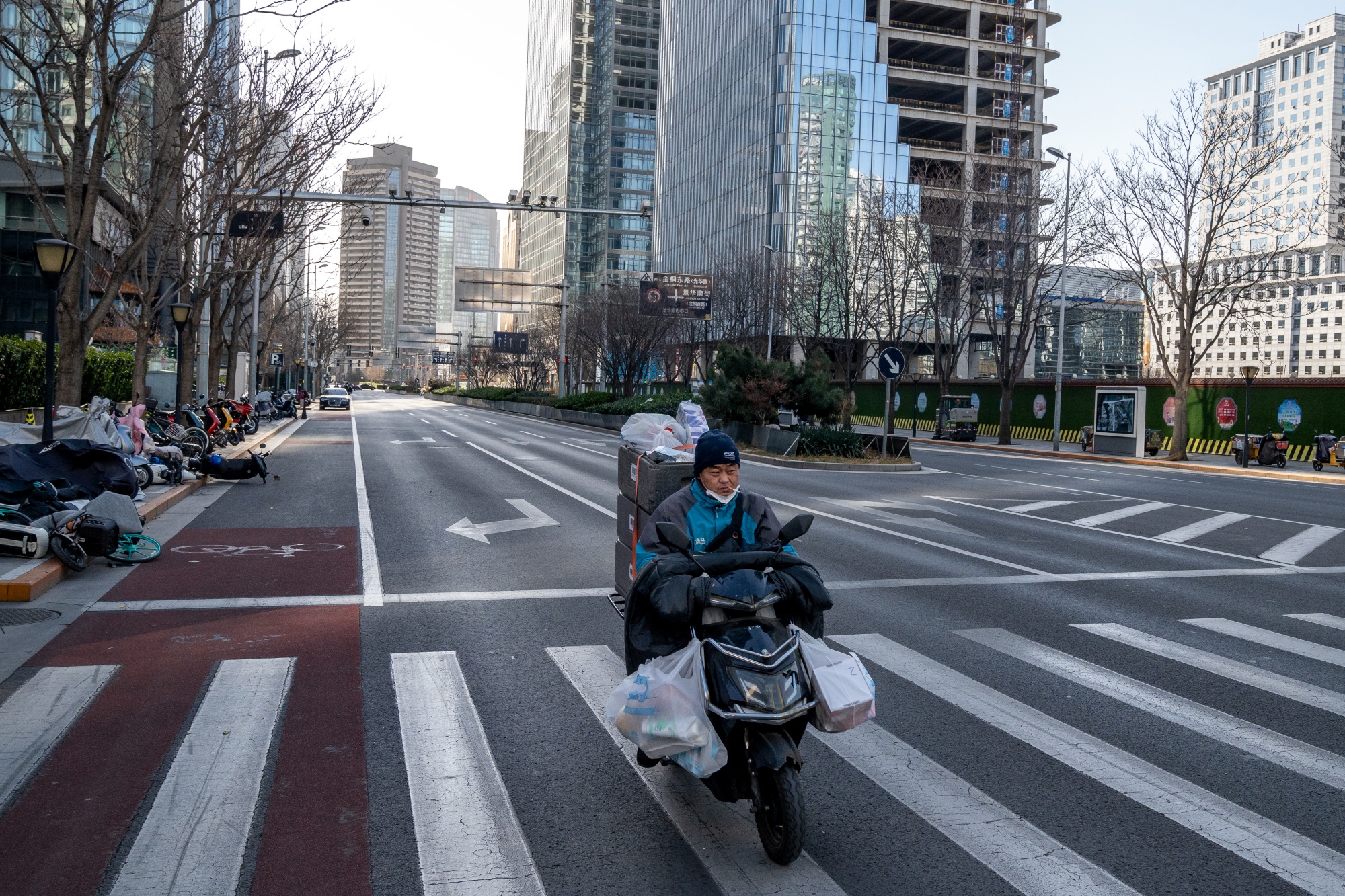
Credit: www.bloomberg.com
Motorcycle Stalling Explained
Motorcycle stalling can be a frustrating experience for riders, but understanding why it happens and its potential effects on the bike is crucial for proper maintenance and riding safety. In this section, we’ll explore the implications of motorcycle stalling and delve into the inner workings of the engine and electrical systems to shed light on what occurs when a motorcycle stalls.
What Happens When A Motorcycle Stalls
When a motorcycle stalls, the sudden cessation of power can be jarring, not only for the rider but also for the bike itself. Stalling occurs when the engine suddenly stops running due to a loss of power, often caused by factors such as improper clutch control, insufficient fuel supply, or electrical issues. This sudden stop can disrupt the normal operating cycle of the engine, leading to potential consequences for the bike’s components.
Brief Examination Of The Engine And Electrical Systems
When a motorcycle stalls, it’s important to consider its impact on both the engine and electrical systems, as they are integral to the bike’s functionality and performance.
- Engine implications: Motorcycle stalling can place undue stress on the engine components, disrupting the combustion process and potentially causing wear on critical parts such as the pistons, cylinders, and valves.
- Electrical system effects: The sudden loss of power when a motorcycle stalls can impact the electrical system, potentially leading to irregularities in the spark plug ignition and affecting the battery’s performance.
Does Stalling Harm Your Motorcycle?
When it comes to riding a motorcycle, stalling is an inevitable occurrence, especially for new riders. But does stalling harm your motorcycle? Let’s delve into the short-term effects and long-term consequences of stalling on various motorcycle components.
Short-term Effects Of Stalling On Motorcycle Components
Engine: When you stall your motorcycle, the sudden stoppage can cause a temporary strain on the engine. This abrupt stop can lead to a momentary increase in temperature and pressure within the engine components.
Clutch: Stalling can put extra strain on the clutch components, as the sudden engagement and disengagement can cause wear and tear on the clutch plates and springs.
Electrical system: Continuous stalling may drain the battery, as frequent restarts can draw more power from the electrical system, impacting its longevity.
Long-term Consequences: Wear And Tear Considerations
Wear and tear: The repeated stalling of a motorcycle can contribute to increased wear and tear on the engine, clutch, and electrical components, potentially shortening their lifespan.
Fouled spark plugs: Continuously stalling your motorcycle can lead to fouled spark plugs, affecting the combustion process and overall engine performance.
Stress on transmission: The constant engagement and disengagement of the clutch during frequent stalling may lead to additional stress on the transmission, potentially causing premature wear on these vital components.
Preventive Measures Against Stalling Damage
Rider Tips For Avoiding Frequent Stalling
Riders can take proactive measures to minimize the risk of stalling their motorcycles. This includes improving clutch control, maintaining proper throttle management, and being attuned to the bike’s power delivery. Practicing smooth and gradual clutch engagement, especially when starting or coming to a stop, helps in preventing sudden jerks that can lead to stalls. Ensuring proper body positioning and balance is also crucial, as it affects the bike’s stability during lower speeds or turns, contributing to a smoother operation that reduces the likelihood of stalling.
Maintenance Practices To Mitigate Potential Damage
Regular maintenance and inspections are vital in preventing potential damage caused by stalling. Ensuring that the clutch cable is properly adjusted and lubricated, and the throttle and idle settings are within the manufacturer’s specifications, can significantly reduce the risk of stalling-related issues. Routine checks of the spark plugs, fuel system, and air filter are also important, as these components directly impact the engine’s idle and responsiveness. Additionally, keeping the bike’s engine in good condition, including regular oil changes and valve adjustments, helps to maintain optimal performance and reduce the strain that stalling can put on various engine components.
Repairing Stalling-related Motorcycle Damage
Stalling a motorcycle may not cause significant damage, but frequent stalling can lead to wear and tear on the engine, clutch, and transmission system. It is important to address stalling issues promptly to prevent potential damage and ensure the smooth functioning of the motorcycle.
Regular maintenance and proper riding techniques can help minimize the impact of stalling-related damage on the motorcycle.
Repairing Stalling-Related Motorcycle Damage Recognizing signs of damage due to stalling When a motorcycle stalls, it can lead to a range of potential issues, some of which may require professional attention. It’s important for riders to be able to recognize the signs of damage caused by stalling in order to address and rectify the problems efficiently. Professional advice and common repairs for stalled bikes If your motorcycle has suffered damage due to stalling, it’s vital to seek professional advice and repairs to ensure the continued optimal performance of your bike. There are several common issues that can arise from stalling, and knowing how to address them is crucial in maintaining the health of your motorcycle. In some cases, stalling can lead to complications such as engine flooding, fouled spark plugs, or even transmission wear. Addressing these issues promptly can save you time and money in the long run. Professional repairs for stalled bikes may include: – Cleaning or replacing fouled spark plugs – Adjusting the carburetor or fuel injection system – Inspecting the transmission for wear and tear – Checking for any electrical system malfunctions – Tuning or calibrating the engine to prevent future stalling issues By being proactive in seeking professional advice and addressing any damage caused by stalling, riders can ensure that their motorcycle remains in peak condition for many rides to come.
Frequently Asked Questions Of Does Stalling A Motorcycle Damage It
Is Stalling A Motorcycle Bad For It?
Stalling a motorcycle occasionally is not harmful. However, frequent or prolonged stalling can lead to damage to the clutch plates and other components. It’s essential to practice smooth clutch control to prevent unnecessary stalling and potential damage.
What Are The Potential Effects Of Frequent Stalling On A Motorcycle?
Frequent stalling can put added stress on the clutch system, leading to premature wear and potential damage. Additionally, it can be frustrating and embarrassing for the rider, especially in traffic or during crucial maneuvers. Proper clutch control and smooth handling are crucial skills for preventing frequent stalling.
How Does Stalling Impact The Motorcycle’s Engine?
While intermittent stalling won’t cause significant engine damage, persistent stalling can lead to increased wear on engine components. When a motorcycle stalls, it stops receiving lubrication, potentially causing friction and strain on internal parts such as the pistons and cylinders.
Consistent stalling should be avoided to maintain engine longevity.
Can Stalling Affect The Overall Performance Of The Motorcycle?
Frequent stalling can have a negative impact on the motorcycle’s overall performance. It can disrupt the rhythm of the ride, affect fuel efficiency, and lead to frustration for the rider. Practicing proper clutch control and smooth acceleration can help maintain optimal performance and prevent unnecessary stalling incidents.
Conclusion
Stalling a motorcycle does not usually lead to significant damage. However, the question often arises: Does stalling a motorcycle damage it? While a single stall might not cause immediate harm, consistently stalling can affect components like the engine and clutch over time. Understanding why a motorcycle stalls and practicing proper techniques is key to preventing any long-term damage.
By being mindful and attentive, riders can minimize the risk of any negative impact on their bike.