
If you own a Harley Davidson with the 103 engine, you might have noticed an issue that’s hard to ignore – the 103 Compensator problem. This small part plays a big role in how your bike performs, and when it acts up, it can affect your ride in ways you don’t want.
You’re probably wondering what’s causing this problem and how it can be fixed before it turns into something costly. Keep reading, because understanding this issue could save your bike and improve your riding experience.
Symptoms Of 103 Compensator Issues
The Harley Davidson 103 Compensator can show signs of trouble. Knowing these symptoms helps catch problems early. Riders feel changes in how the bike runs and sounds. These issues can affect safety and ride comfort.
Watch for subtle hints and clear signs. Early detection saves time and money. Here are common symptoms that point to 103 Compensator problems.
Unusual Engine Noise
A damaged compensator often causes odd sounds. Clicking or clunking noises during acceleration stand out. These noises come from loose or worn parts inside the compensator.
Vibration During Acceleration
Strong vibrations felt in the footpegs or seat signal trouble. The compensator absorbs engine torque and smooths power delivery. If it fails, rough shaking occurs when speeding up.
Delayed Throttle Response
The bike may hesitate before speeding up. This delay happens because the compensator cannot transfer power smoothly. Riders notice lag when twisting the throttle.
Visible Wear Or Damage
Inspect the compensator for cracks, rust, or broken parts. Physical damage means the unit is not working well. This wear usually results from hard riding or lack of maintenance.
Excessive Engine Heat
A faulty compensator causes the engine to run hotter. This overheating happens due to extra stress on engine parts. Riders may smell burning or see warning lights on the dash.
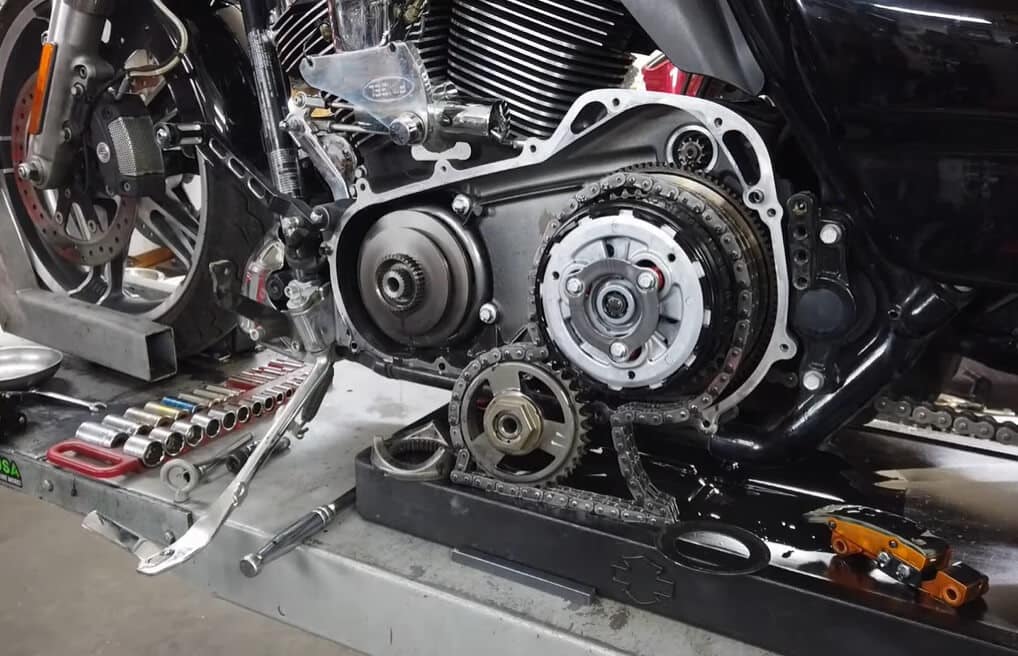

Common Causes Of Compensator Problems
The compensator on a Harley Davidson 103 helps reduce engine vibrations. It keeps the ride smooth and protects engine parts. Problems with the compensator can cause noise, rough rides, or engine damage.
Understanding common causes can help spot issues early. This saves repair costs and keeps the bike running well. Below are frequent reasons why compensators fail or cause trouble.
Worn Or Damaged Bearings
Bearings support the compensator’s moving parts. Over time, they wear out from heat and friction. Worn bearings cause noise and uneven movement. This can lead to bigger engine problems.
Loose Or Broken Mounting Bolts
Bolts hold the compensator firmly to the engine. Vibrations may loosen these bolts over time. Loose bolts cause rattling sounds and poor compensator function. Broken bolts can make the compensator separate from the engine.
Oil Contamination Or Low Oil Levels
The compensator relies on clean engine oil for lubrication. Dirty or low oil leads to higher wear and heat. This damages bearings and other parts. Regular oil checks prevent these issues.
Cracks Or Structural Damage
Cracks in the compensator body reduce its strength. Cracks may appear from impact or metal fatigue. This causes imbalance and vibration. Small cracks can grow and cause failure.
Signs Of Exhaust Leaks
Exhaust leaks in Harley Davidson 103 Compensator models can cause several issues. Knowing the signs helps catch problems early. This protects your bike and keeps it running smoothly.
Leaks often start small but grow worse. They affect engine performance and fuel efficiency. Watch for these common signs to identify leaks fast.
Unusual Exhaust Noise
Listen closely to your bike’s exhaust sound. A hissing or popping noise may mean a leak. The noise often grows louder during acceleration.
Smell Of Exhaust Fumes
A strong smell of exhaust near the bike can signal a leak. This smell is different from normal engine odors. It may be stronger when the engine is hot.
Loss Of Power
Notice if your bike feels less powerful. Exhaust leaks reduce engine efficiency. This makes acceleration slower and riding harder.
Visible Damage Or Soot
Check the exhaust pipes for cracks or holes. Black soot marks near joints can indicate leaks. These spots often appear where pipes connect.
Increased Fuel Consumption
A sudden rise in fuel use may be linked to leaks. The engine works harder to compensate. This wastes gas and raises running costs.
Impact On Engine Performance
The Harley Davidson 103 Compensator problem affects how the engine runs. This issue can cause the engine to lose power and feel weak. Riders might notice less smooth acceleration and a drop in overall engine strength. The compensator helps balance engine forces, so any problem here changes the engine’s behavior.
The engine might also produce unusual noises or vibrations. These signs suggest the compensator is not working right. This can lead to more wear and tear on engine parts, causing damage over time. Poor engine performance means the bike will not run as well as it should.
Reduced Power Output
The compensator problem causes a drop in power output. The engine struggles to deliver the usual strength. This makes acceleration slower and less responsive. The bike might feel sluggish on hills or during fast rides. Riders lose the smooth power delivery they expect from a Harley.
Increased Engine Vibrations
Faulty compensators increase engine vibrations noticeably. Shaking and rattling become more common. These vibrations can make riding uncomfortable. Over time, constant shaking may loosen bolts and damage parts. The bike feels rough and less stable on the road.
Potential Engine Damage
Ignoring the compensator problem risks serious engine damage. The engine parts are under more stress without proper balance. This causes premature wear and possible failure. Repair costs can rise if the issue is not fixed early. Regular checks help avoid costly engine repairs.
Tools Needed For Inspection
Inspecting the Harley Davidson 103 Compensator requires the right tools. These tools help find problems quickly and safely. Using proper equipment makes the process easier and more accurate. Prepare your workspace and gather these essential tools before starting the inspection.
Socket Wrench Set
A socket wrench set is necessary to remove bolts and screws on the compensator. Different sizes fit various fasteners. Choose a set with deep sockets to reach difficult spots. A good grip prevents damage to bolts.
Torque Wrench
A torque wrench ensures bolts are tightened to the correct specification. Over-tightening or under-tightening can cause damage. This tool helps maintain the integrity of the compensator during reassembly.
Feeler Gauge
Use a feeler gauge to check the gap between compensator parts. Proper clearance is vital for smooth operation. This tool measures small spaces with precision and ease.
Flashlight
A bright flashlight illuminates dark areas inside the compensator. Clear visibility helps spot cracks, wear, or loose components. Choose a compact, powerful light for better inspection results.
Cleaning Brushes
Cleaning brushes remove dirt and debris from the compensator parts. Clean surfaces reveal hidden problems. Use soft and stiff brushes for different areas to avoid damage.

Step-by-step Quick Fix Guide
The Harley Davidson 103 Compensator can sometimes cause issues. This guide helps you fix common problems fast. Follow these easy steps to get your bike running smooth again. No special tools needed for most fixes.
Take your time and check each step. Safety first. Make sure the bike is off and cool before you start. Let’s dive into the quick fix process.
Check For Loose Bolts
Start by inspecting the compensator bolts. Use a wrench to tighten any loose ones. Loose bolts can cause noise and poor performance. Tight bolts keep everything steady and safe.
Clean The Compensator
Remove dirt and grease from the compensator. Use a clean cloth and some mild cleaner. Dirt buildup can block proper movement. Clean parts work better and last longer.
Inspect For Wear And Damage
Look closely at the compensator for cracks or wear. Worn parts need replacement to avoid bigger problems. Check the springs and moving parts carefully. Replace damaged parts to keep your ride smooth.
Lubricate Moving Parts
Apply a small amount of lubricant to the moving parts. Use motorcycle-specific grease or oil. Proper lubrication reduces noise and wear. Avoid over-lubricating to prevent dirt buildup.
Test The Fix
Start the bike and listen for any unusual sounds. Check how the compensator moves during acceleration. If problems persist, repeat steps or consult a mechanic. A smooth ride means a well-fixed compensator.
When To Replace The Compensator
The compensator on a Harley Davidson 103 is an important part. It helps reduce engine vibrations and keeps the ride smooth. Over time, the compensator may wear out or fail. Knowing the right time to replace it can save you from bigger problems.
Replacing the compensator too late can damage other parts of your bike. On the other hand, changing it too early might waste money. Watch out for clear signs that show the compensator needs attention.
Unusual Engine Vibrations
Strong or strange vibrations while riding often point to a bad compensator. These vibrations feel different from normal engine buzz. If your bike shakes more than usual, check the compensator first.
Noise From The Engine Area
Listen for clunking or knocking sounds near the engine. These noises can mean the compensator is loose or broken. Noises that grow louder over time are a warning sign.
Visible Wear Or Damage
Inspect the compensator for cracks, dents, or worn parts. Damage can happen from heat or long use. If the compensator looks damaged, it should be replaced quickly.
Reduced Performance Or Power
A bad compensator can affect engine power. You may feel less acceleration or rough running. Poor engine performance can mean the compensator is no longer working well.
High Mileage And Age
The compensator wears out over time. If your Harley has high miles or is old, replacing the compensator is smart. Regular maintenance helps keep the bike reliable and smooth.
Preventive Maintenance Tips
Preventive maintenance helps avoid common issues with the Harley Davidson 103 Compensator. Regular care keeps the bike running smoothly and extends its life. Small checks can stop big problems before they start.
Focus on key areas to maintain the compensator’s performance. Follow simple tips to protect your investment and enjoy a safer ride.
Regularly Inspect The Compensator Assembly
Check the compensator for signs of wear or damage. Look for cracks, loose bolts, or unusual noises. Early detection helps fix problems quickly and cheaply.
Keep The Compensator Clean And Lubricated
Dirt and grime cause extra wear on moving parts. Clean the compensator gently with a soft cloth. Apply the right lubricant to reduce friction and prevent rust.
Monitor Belt And Pulley Condition
Inspect the drive belt and pulley for cracks or fraying. Replace worn belts immediately. Proper tension keeps the compensator working correctly.
Check Engine Oil And Replace Regularly
Fresh oil helps protect the compensator and engine parts. Use the recommended oil type and change it on schedule. Clean oil reduces heat and wear.
Schedule Professional Tune-ups
Have a mechanic inspect the compensator during regular service. Professionals spot hidden issues and adjust parts precisely. This keeps your Harley in top shape.
Expert Advice For Long-term Care
The Harley Davidson 103 Compensator problem can cause frustration for riders. Proper care helps avoid costly repairs and keeps your bike running smoothly. Experts suggest simple steps to extend the life of your compensator. These steps also improve your bike’s overall performance.
Understanding the right maintenance methods is key. Small, regular actions prevent bigger issues later. Follow clear advice to protect your investment and enjoy your rides.
Regular Inspection And Cleaning
Check the compensator for wear and dirt often. Dirt build-up can cause damage and reduce performance. Use a soft brush and mild cleaner to keep it clean. Avoid harsh chemicals that might harm the parts. Clean parts work better and last longer.
Use Quality Lubricants
Lubricate the compensator with high-quality oil regularly. Proper lubrication reduces friction and prevents rust. Choose lubricants made for motorcycle parts. This keeps the compensator moving smoothly and quietly. Low-quality oils can cause more harm than good.
Timely Replacement Of Worn Parts
Replace worn or damaged parts without delay. Worn components increase stress on the compensator. This leads to faster failure and costly repairs. Use genuine Harley Davidson parts for best fit and function. Regular checks help spot problems early.
Professional Service And Adjustments
Schedule regular visits to a trusted Harley mechanic. Professionals spot issues that are easy to miss. They adjust the compensator for optimal performance. Proper tuning improves ride comfort and safety. Don’t skip professional maintenance sessions.
Riding Habits Impact Maintenance
Gentle starts and stops reduce strain on the compensator. Avoid harsh acceleration and sudden braking. Smooth riding extends the life of all motorcycle parts. Being mindful helps prevent premature wear and tear. Good habits save money and hassle.
FAQs about Harley Davidson 103 Compensator Problem
What Is The Harley Davidson 103 Compensator Problem?
The 103 Compensator often suffers from carbon build-up. This causes poor engine performance and rough idling. Cleaning or replacing it fixes the issue.
How Does The Compensator Affect Motorcycle Performance?
The compensator controls engine vibrations and exhaust flow. A faulty compensator reduces power and causes engine knocking. Proper function ensures smooth riding experience.
Why Does The 103 Compensator Carbon Build-up Happen?
Carbon build-up occurs due to incomplete fuel combustion. Riding style and fuel quality can increase this problem. Regular maintenance helps prevent excessive deposits.
Can A Faulty Compensator Damage The Engine?
Yes, a bad compensator can cause engine stress. It may lead to overheating and reduced engine life. Timely repairs protect your Harley’s engine health.
How Often Should The 103 Compensator Be Checked?
Check the compensator every 5,000 miles or yearly. Frequent inspections catch problems early before damage occurs. Regular checks keep your bike running well.
What Are Signs Of A Failing Harley Davidson Compensator?
Signs include rough idle, engine knocking, and loss of power. Unusual exhaust noise may also appear. Recognizing symptoms early helps avoid costly repairs.
Conclusion
The Harley Davidson 103 Compensator problem can cause ride issues. Fixing it early saves time and money. Regular checks keep your bike running smooth. Simple care helps avoid bigger troubles later. Enjoy your ride with less worry. Stay aware of signs and act fast.
Your Harley deserves the best care always.