
A motorcycle ignition coil is a crucial component. It helps your bike start and run.
The ignition coil transforms the battery’s low voltage into high voltage. This high voltage then ignites the fuel mixture in the engine. Understanding how a motorcycle ignition coil works can seem complex. But, it’s simpler than you might think. The ignition coil ensures your motorcycle engine fires up smoothly.
It plays a key role in the engine’s performance. Whether you’re a motorcycle enthusiast or just curious, knowing how this part works is useful. In this blog, we’ll break down the ignition coil’s function. You’ll learn how it powers up your ride.

Credit: www.benlg.com
Introduction To Motorcycle Ignition Coils
A motorcycle ignition coil is very important. It helps start the engine. The coil makes a spark for the spark plug. This spark lights the fuel in the engine. Without a working coil, the engine will not start. A strong spark means better engine performance. A weak spark can cause problems. Regular checking of the coil is necessary. A good coil helps save fuel and reduce pollution.
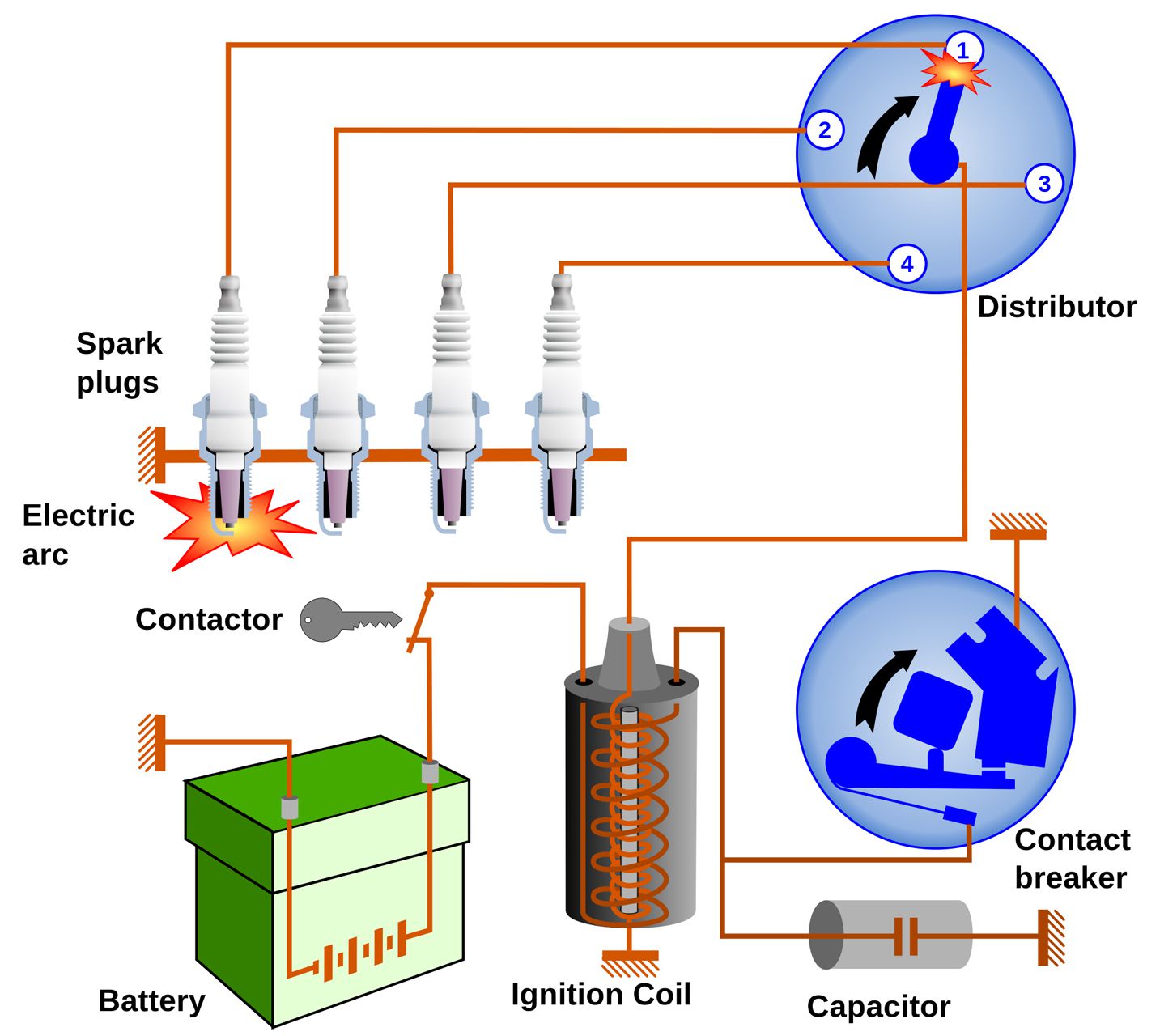
An ignition coil has several parts. The primary winding is the first part. It has thick wire. The secondary winding is next. It has thin wire. The core is in the middle. It is made of iron. The housing covers everything. It protects the parts inside. The terminals connect the coil to the battery and spark plug. Each part has a special job. All parts must work together for a strong spark.

Credit: www.youtube.com
Principles Of Operation
Electromagnetic induction is key to how an ignition coil works. Current flows through the coil’s primary winding. This creates a magnetic field. When the current stops, the magnetic field collapses. This induces a voltage in the secondary winding. The result is a high voltage spark. This spark is needed to ignite the fuel-air mix.
An ignition coil can transform low voltage to high voltage. The coil has two windings: primary and secondary. The primary winding has fewer turns. The secondary winding has many turns. The ratio of turns determines the voltage increase. A large ratio means a higher voltage output. This high voltage is sent to the spark plug. The spark plug then ignites the fuel.
Types Of Ignition Coils
Single fire coils fire each cylinder independently. This gives better control. Dual fire coils fire both cylinders at the same time. This can cause some power loss. Single fire systems are more efficient. Dual fire systems are simpler and cheaper.
In coil-on-plug systems, each spark plug has its own coil. This design is more accurate. It reduces energy loss. It also improves performance. These systems are more common in modern bikes.
Role In The Ignition System
The ignition coil is very important. It creates the high voltage needed for the spark plugs. Without it, the engine won’t start. The coil changes the low voltage from the battery. It turns it into a high voltage spark.
The ignition coil works closely with the spark plugs. It sends the high voltage to the plugs. This creates a spark. The spark ignites the fuel mixture. This process keeps the engine running smoothly.
The coil also works with the CDI or ECU. These devices control the timing. They make sure the spark happens at the right time. This coordination is crucial. It ensures the engine runs efficiently.
Common Issues And Troubleshooting
A faulty ignition coil can cause several issues. One common sign is a misfiring engine. The engine may run roughly or stall unexpectedly. Another sign is a loss of power. The motorcycle may not accelerate as it should. Poor fuel economy can also be a symptom. You might notice you are refueling more often. The check engine light might come on as well. A faulty coil can trigger this warning.
Testing the ignition coil involves a few steps. Start by checking the connections. Loose or corroded connections can cause problems. Use a multimeter to test the coil’s resistance. Refer to the motorcycle’s manual for the correct values. If the readings are off, the coil might be bad. You can also swap the coil with a known good one. If the problem goes away, the original coil is likely faulty.
Maintenance Tips
The motorcycle ignition coil transforms the battery’s low voltage into the high voltage needed to ignite the fuel. This spark is crucial for starting the engine. Regularly check for wear and tear to ensure smooth performance.
Regular Inspection
Check the ignition coil often. Look for cracks or damage. Ensure the wires are tight. Loose wires can cause issues. Replace worn-out parts quickly. Use a flashlight for better inspection. Regular checks keep your bike running well.
Cleaning And Care
Keep the ignition coil clean. Dirt can cause problems. Use a soft cloth to wipe it. Avoid using water. Water can damage the coil. Clean the wires too. Dust and debris can affect the connection. A clean coil works better.
Upgrading Your Ignition Coil
Upgrading your ignition coil can improve your bike’s performance. A better coil provides stronger sparks. This results in better combustion. Your engine will run more smoothly. You might notice quicker starts. Also, there may be a slight boost in power. Fuel efficiency can also improve. So, you save money on gas.
Pick a coil that fits your motorcycle model. Check the specifications. Some coils are designed for high performance. Others focus on longevity. Always read reviews. Ask for expert advice if unsure. Make sure the new coil is compatible. This ensures it works well with your bike. Installing the right coil is key to getting the benefits.
Credit: www.cycleworld.com
Frequently Asked Questions
What Is A Motorcycle Ignition Coil?
A motorcycle ignition coil transforms low voltage from the battery to high voltage. This high voltage is crucial for creating the spark that ignites the fuel-air mixture in the engine.
How Do You Test An Ignition Coil?
To test an ignition coil, use a multimeter to check the resistance. Compare the readings with the manufacturer’s specifications to ensure it’s functioning correctly.
What Are The Symptoms Of A Bad Ignition Coil?
Symptoms of a bad ignition coil include engine misfires, poor fuel economy, difficulty starting, and backfiring. If you notice these issues, the ignition coil might need replacing.
How Often Should You Replace The Ignition Coil?
An ignition coil typically lasts 100,000 miles or more. However, it’s advisable to check it regularly for signs of wear and replace it if necessary.
Conclusion
Understanding a motorcycle ignition coil is crucial for every rider. It transforms low battery voltage into high voltage. This high voltage ignites the fuel-air mixture, powering the engine. Regular maintenance ensures your motorcycle runs smoothly. Check the coil for wear and damage often.
A well-maintained ignition coil means better performance and fewer breakdowns. Keep learning about your bike. Knowledge helps you ride safely and confidently. Enjoy the ride!