
Motorcycle wheel bearings play a crucial role in the smooth operation of your bike. These small but significant components reduce friction, allowing the wheels to rotate smoothly, which ultimately ensures your bike’s performance and safety. However, understanding how long they last and how to maintain them can significantly affect your riding experience.
In this article, we will cover everything you need to know about motorcycle wheel bearings, including their lifespan, the signs of damage, maintenance tips, and replacement procedures. We will also delve into common causes of premature wear and tear, offering expert insights to help you protect your motorcycle from costly repairs.
What Are Motorcycle Wheel Bearings?
Before discussing their lifespan, it’s essential to understand what wheel bearings are and why they are so important for your motorcycle.
Definition of Wheel Bearings:
-
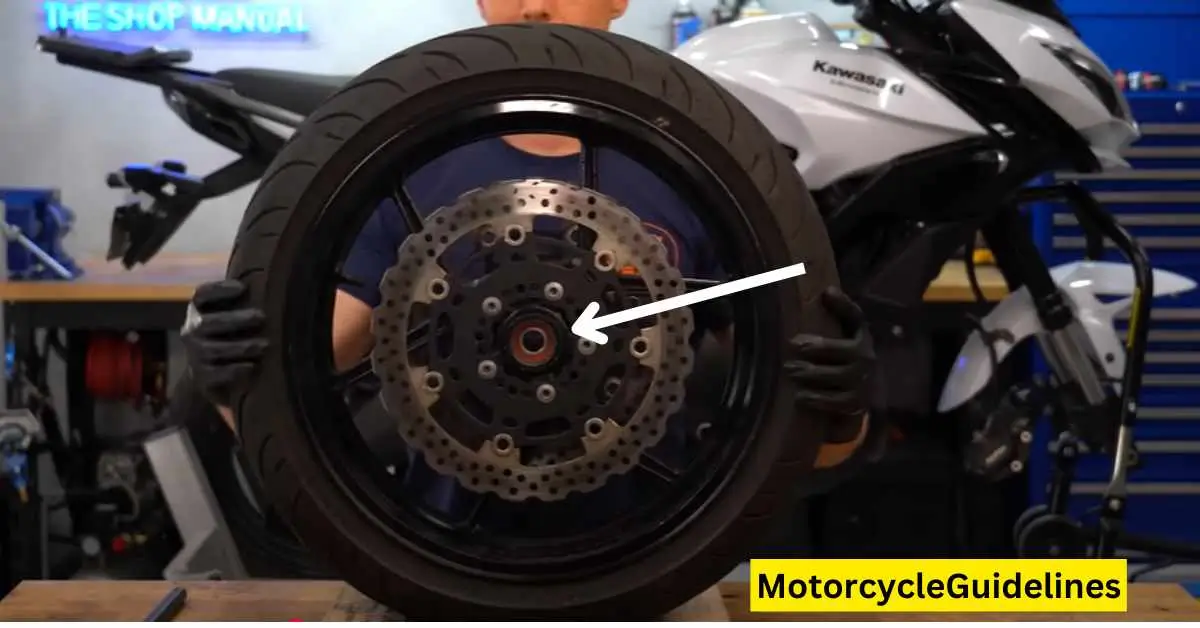
Function: Wheel bearings are mechanical components that allow your motorcycle wheels to spin with minimal friction. They consist of steel balls (or rollers) enclosed in a metal ring, which reduces resistance between moving parts.
-
Location: They are located within the wheel hub, between the axle and the wheel, to facilitate smooth rotation.
-
Material: Most motorcycle wheel bearings are made of steel or ceramic, with some high-performance motorcycles opting for ceramic bearings for better durability and speed.
How Long Do Motorcycle Wheel Bearings Last?
The lifespan of motorcycle wheel bearings can vary depending on several factors, including the type of motorcycle, how frequently it’s ridden, and the conditions in which it’s used. In general, if properly maintained, motorcycle wheel bearings can last anywhere between 50,000 to 100,000 miles or even longer.
However, under certain conditions such as frequent off-road riding, exposure to harsh environments, and heavy loads, their lifespan could be shorter. Below are some of the factors that influence how long your wheel bearings last:
-
Regular Maintenance: Proper maintenance, including regular inspections and lubrication, can extend the life of your wheel bearings. If you maintain the oil seals and replace the grease as needed, your bearings are more likely to last longer.
-
Riding Conditions: Harsh riding conditions, such as riding through water, rough terrains, or performing stunts, can put a lot of strain on the bearings, leading to premature wear.
-
Wheel Load: Overloading your motorcycle, especially when carrying heavy luggage, can place extra stress on the wheel bearings, causing them to wear out faster.
It is important to note that while some manufacturers claim that wheel bearings can last the lifetime of the bike, regular checks and replacement are still necessary to ensure optimal performance and safety.
Signs of Worn-Out Wheel Bearings
When motorcycle wheel bearings begin to wear out, they often produce noticeable signs that should not be ignored. Addressing these issues early on can prevent further damage to your bike. Below are some common indicators of damaged or worn-out wheel bearings:
1. Harsh Vibrations
One of the most noticeable symptoms of damaged wheel bearings is the presence of vibrations. If you feel vibrations coming from the handlebars, especially when riding at higher speeds, it may indicate that the front wheel bearing is not rotating smoothly. However, keep in mind that vibrations could also be caused by other issues, such as misaligned wheels or deflated tires.
2. Unusual Sounds
When the wheel bearings start to wear out, you may notice unusual humming or grinding noises. These sounds are caused by increased friction between the bearing surfaces. Although the sound of worn bearings can be hard to distinguish from other road noises, it is worth investigating if you hear persistent humming, especially when accelerating.
3. Difficulty Handling
Worn bearings can affect your motorcycle’s handling, making it more difficult to steer the bike. If you notice that your bike pulls to one side or seems to have more play than usual when turning, it’s time to check the wheel bearings. A simple test is to let go of the handlebars while riding on a straight road to see if the bike veers off to one side. This is a clear sign of “play in the wheel bearings.”
4. Rear Wheel Feels Flat
Damaged rear wheel bearings may create a sensation similar to riding on a deflated tire. If the rear wheel feels bumpy or the bike seems to wobble even with fully inflated tires, it could be a sign of worn wheel bearings.
5. Brake Discs Overheating
If your wheel bearings are damaged, they can create additional friction, which in turn causes the brake discs to heat up quicker than usual. If your brakes feel unusually hot after a short ride, this may indicate bearing damage that needs to be addressed.
Common Causes of Damaged Wheel Bearings
Several factors contribute to the damage or premature wear of motorcycle wheel bearings. Understanding these causes can help you take proactive measures to prevent costly repairs.
1. Improper Installation
Incorrect installation is one of the most common reasons for wheel bearing failure. If the bearings are not installed properly, they can become misaligned or suffer internal damage. It’s essential to ensure that the bearings are installed correctly and that the correct type of grease is used to keep them lubricated.
2. Low-Quality Bearings
Using low-quality bearings can significantly shorten their lifespan. If you purchased a second-hand motorcycle, there’s a chance that the previous owner did not maintain or replace the bearings properly, or they may have used cheaper bearings to cut costs. These bearings are often not heat-resistant and may fail prematurely. Opt for high-quality bearings, preferably with rubber seals to ensure long-lasting protection.
3. Aggressive Riding
If you frequently ride aggressively, such as engaging in stunts, hard cornering, or racing, your wheel bearings are more likely to experience faster wear. Sudden impacts and high-speed riding put extra strain on the bearings, causing them to degrade over time. Reducing aggressive riding can help extend the life of your wheel bearings.
4. Exposure to Moisture and Dirt
Moisture and dirt are two major culprits that cause bearing damage. If water or dirt enters the bearing housing, it can cause corrosion, leading to premature wear. This is why it’s crucial to regularly clean and grease the bearings, especially after riding through wet or dirty conditions.
Is It Safe to Ride a Motorcycle with Damaged Wheel Bearings?
Riding with damaged wheel bearings is not only unsafe but can lead to severe consequences. When wheel bearings are compromised, they can cause several problems, including erratic handling, overheating brakes, and even complete failure of the wheel assembly.
The most dangerous scenario is when a bearing completely fails, causing the wheel to lock up. This could lead to a sudden loss of control, especially at high speeds or when navigating tight corners. For your safety, it is essential to address any signs of bearing damage as soon as possible.
What Happens If You Continue to Ride with Damaged Bearings?
-
Wheel Locking: A completely worn-out bearing may cause the wheel to seize, which could lead to a sudden stop or loss of control.
-
Increased Wear on Other Parts: Damaged bearings often cause extra friction, which can lead to damage to other components such as the wheel hub, brake rotors, and even the axle.
-
Accidents: If the wheel bearings fail during high-speed riding or in heavy traffic, it can cause accidents with potentially fatal consequences.
How to Clean and Grease Motorcycle Wheel Bearings
Regular cleaning and greasing of your motorcycle’s wheel bearings can significantly extend their lifespan. Proper maintenance ensures that the bearings stay lubricated and free of contaminants, which is crucial for their smooth operation.
Below is a detailed guide on how to clean and grease your motorcycle wheel bearings:
Cleaning and Greasing Process
-
Remove the Wheel
Start by placing the motorcycle on a stand so that no weight is placed on the wheel you are removing. Carefully remove the wheel from the axle, making sure to take note of the positioning of the brake rotor and axle nuts. -
Disassemble the Bearings
Use a wrench to remove the bearing from the inner ring, taking care not to damage any parts during the process. You may want to use a magnetic tool to safely remove the balls from the bearing. -
Clean the Bearings
Once the bearings are disassembled, clean them thoroughly using a damp cloth or a citrus-based cleaner. This will help remove any dirt, grime, or old grease from the bearing. Be sure to use a soft brush or cloth to avoid scratching the bearing surfaces. -
Dry and Inspect
After cleaning, dry the bearings thoroughly using a lint-free cloth. Check for any visible signs of damage such as cracks or wear. If the bearings show signs of excessive wear, they should be replaced rather than reused. -
Apply New Grease
Using a brush, apply high-quality bearing grease to the cleaned bearings. Make sure the grease is evenly applied and that it covers the entire surface of the bearing. This will prevent contaminants from entering and help reduce friction. -
Reassemble the Bearings
Once greased, carefully reassemble the bearings and the wheel. Align the inner and outer rings correctly and ensure that all parts are seated properly. -
Reinstall the Wheel
Once the bearings are cleaned and greased, reinstall the wheel on the motorcycle, making sure that everything is secured tightly. Check for any wobbling or unusual movement before taking the bike out for a test ride.
How to Replace Motorcycle Wheel Bearings
Replacing motorcycle wheel bearings is a task that requires some technical knowledge, but with the right tools and patience, it can be done at home. Below is a comprehensive guide on how to replace your motorcycle’s wheel bearings.
Tools Needed for Replacement:
-
Hot air gun or heat source
-
Bearing drift
-
Wooden block
-
Hammer
-
Bearing cleaner
-
New bearings
-
New oil seals
-
Seal puller
Step-by-Step Guide to Replacing Wheel Bearings:
-
Remove the Old Bearings and Oil Seals
Use a seal puller to carefully remove the old oil seals without damaging the housing. For the bearings, use a bearing drift to remove them from the wheel hub. Be sure to keep the old bearings for reference when purchasing new ones. -
Clean the Bearing Housing
Thoroughly clean the bearing housing to remove any debris or grease. A bearing cleaner or isopropyl alcohol works well for this task. Ensure the housing is completely free of contaminants before proceeding. -
Smooth the Surface of the Housing
Inspect the bearing housing for any damage or irregularities. If you notice any rough spots, use fine sandpaper to smooth them out. A smooth surface is crucial for the proper fit of the new bearings. -
Warm the Housing
Using a hot air gun, gently heat the bearing housing. This will expand the metal slightly and make it easier to install the new bearings. Be cautious not to overheat the housing, as excessive heat can damage the wheel. -
Install the New Bearings
Place the new bearings into the housing and gently press them into place using a bearing drift. Make sure that both bearings are seated properly. You may need to flip the wheel and install the second bearing using the same method. -
Install New Oil Seals
Once the bearings are installed, place the new oil seals around the bearings. Use a drift to install the seals gently, making sure not to damage them. The oil seals will help protect the bearings from dirt, moisture, and other contaminants. -
Reinstall the Wheel
Finally, reinstall the wheel onto your motorcycle. Make sure that all nuts and bolts are securely fastened and that the wheel is aligned properly. Test the wheel by rotating it by hand to check for any resistance or wobbling.
Cost and Time Required for Replacement
The cost of replacing motorcycle wheel bearings can vary depending on the type of motorcycle, the location, and whether you do it yourself or hire a mechanic.
-
DIY Replacement Cost: If you choose to replace the bearings yourself, you can expect to spend between $15-$70 on bearings and oil seals. This cost may increase if you need to buy additional tools or equipment.
-
Professional Replacement Cost: Hiring a mechanic to replace your wheel bearings will cost around $300-$400, including labor and parts.
-
Time Required: Replacing the bearings typically takes 30-60 minutes, depending on your experience level and the complexity of the motorcycle.
How to Maintain Motorcycle Wheel Bearings for Longevity
Proper maintenance is the key to ensuring your motorcycle wheel bearings last as long as possible. Regular checks and upkeep can help prevent premature wear, saving you money and improving your riding experience. Here’s how to keep your wheel bearings in top shape:
1. Regular Inspections
To catch any issues early, it’s essential to inspect your wheel bearings regularly. Here are the steps you should follow:
-
Visual Inspection: Look for signs of wear, corrosion, or leakage around the bearing housing. If the grease looks dry or the seals appear damaged, it’s time to clean and re-grease the bearings or replace them.
-
Rotational Check: Rotate the wheels by hand. Any rough spots or resistance during rotation indicate that the bearings might be damaged or worn.
-
Lubrication: Ensure that the bearings are properly greased. Lack of lubrication is a major cause of bearing failure.
2. Avoid Harsh Conditions
While it’s tempting to take your bike on rugged trails or through wet conditions, these elements can significantly shorten the life of your bearings. Always try to avoid riding through puddles or mud, as moisture can cause the bearings to corrode. If you do ride through wet conditions, make sure to clean and grease the bearings promptly afterward.
3. Use High-Quality Bearings
When replacing your motorcycle’s wheel bearings, always opt for high-quality products. Ceramic bearings are a good investment if you’re looking for superior performance and longevity. While they are more expensive, they are resistant to corrosion, handle heat better, and last longer than standard steel bearings.
4. Proper Storage
If you plan on storing your motorcycle for an extended period, make sure to lift it off the ground to reduce stress on the bearings. This will prevent unnecessary wear and tear while your bike is not in use.
5. Be Mindful of Overloading
Overloading your motorcycle, especially when carrying excessive luggage or cargo, can place additional stress on the wheel bearings. This added weight increases the chances of premature bearing failure. Stick to the recommended weight limits for your bike to prolong the life of your wheel bearings.
When to Seek Professional Help
While many motorcycle enthusiasts can handle bearing maintenance and replacements themselves, there are times when it’s best to leave the job to a professional:
-
If You’re Unsure: If you’re unsure about how to inspect or replace the bearings, it’s a good idea to seek help from a mechanic. Incorrect installation or neglecting to check the bearings properly can cause more harm than good.
-
Complex Repairs: If your wheel bearings are located in an area that requires advanced disassembly, such as a complex hub assembly, it’s best to let a professional handle it.
-
Severe Damage: If you notice that the bearings are severely damaged or have caused other components to malfunction, professional repair will ensure the issue is addressed properly.
Conclusion
In conclusion, taking care of your motorcycle’s wheel bearings is essential for a smooth, safe, and enjoyable ride. Whether you’re a seasoned rider or a beginner, understanding how long wheel bearings last, how to spot the signs of wear, and how to maintain them can make a huge difference in your motorcycle’s performance and safety.
By regularly inspecting and properly maintaining your bearings, you can avoid costly repairs and prevent accidents that may arise from damaged components. If you ever notice signs of bearing failure, such as vibrations, unusual sounds, or difficulty handling your bike, don’t hesitate to address the issue promptly. And remember, replacing your wheel bearings with high-quality products can ensure long-lasting performance.
If you’re unsure about handling maintenance on your own, don’t worry—consulting a professional mechanic can save you time and give you peace of mind. After all, keeping your motorcycle in top condition is an investment in both your safety and your riding pleasure.
Stay proactive with your motorcycle’s upkeep, and you’ll be able to enjoy many smooth rides without worrying about the risks of damaged wheel bearings. Safe travels, and happy riding!