
Charging a 12V battery at 2 amps takes time. Usually, it takes around 24 hours for a full charge.
Understanding how long to charge a 12V battery at 2 amps is essential. This knowledge helps in planning and maintaining your battery’s health. Knowing the right charging time saves you from overcharging, which can damage the battery. It also ensures your battery is ready for use when needed.
Batteries power many devices, from cars to small electronics. Charging them correctly is crucial for their longevity and performance. In this blog, we will dive into the details of charging a 12V battery at 2 amps. This will help you understand the process better and keep your batteries in top shape.

Credit: m.youtube.com
Understanding Battery Capacity
Understanding battery capacity is crucial to know how long to charge a 12V battery at 2 amps. This section explains key concepts like the amp-hour rating and how to calculate charge time.
Amp-hour Rating
The amp-hour rating is a measure of a battery’s capacity. It indicates how many amps a battery can supply in one hour. For instance, a 12V battery with a 10 amp-hour (Ah) rating can provide 10 amps for one hour or 1 amp for 10 hours. This rating helps determine how long the battery will last.
| Battery Capacity (Ah) | Duration at 1 Amp (hours) | Duration at 2 Amps (hours) |
|---|---|---|
| 5 Ah | 5 hours | 2.5 hours |
| 10 Ah | 10 hours | 5 hours |
| 20 Ah | 20 hours | 10 hours |
Calculating Charge Time
To calculate the charge time for a 12V battery at 2 amps, use this formula:
Charge Time (hours) = Battery Capacity (Ah) / Charging Current (amps)
For example, if you have a 12V battery with a 10 Ah rating, the calculation is:
Charge Time = 10 Ah / 2 amps = 5 hours
This means it will take 5 hours to fully charge a 10 Ah 12V battery at 2 amps. Below is a summary for different capacities:
- 5 Ah battery: 2.5 hours
- 10 Ah battery: 5 hours
- 20 Ah battery: 10 hours
Charging time may vary due to battery efficiency. Always check manufacturer guidelines.
Charging Basics
Understanding how long to charge a 12V battery at 2 amps is important. It helps in maintaining the battery’s life and efficiency. Charging a battery slowly is often safer and more effective. But it does take longer. Let’s dive into some basics of battery charging.
Types Of Chargers
There are different types of chargers available. Each has its own features and benefits. Here are a few common types:
- Trickle Chargers: These provide a slow, steady charge. They are ideal for maintaining batteries over time.
- Smart Chargers: These adjust the charge rate based on the battery’s needs. They often have safety features to prevent overcharging.
- Rapid Chargers: These charge batteries quickly. They are useful when you need a quick boost. But they are not always the best for battery health.
Benefits Of Slow Charging
Slow charging offers several benefits for your 12V battery:
- Prevents Overheating: Slow charging reduces the risk of overheating. This helps in extending the battery’s lifespan.
- Improves Battery Health: Charging at a slower rate can improve overall battery health. It minimizes wear and tear on the battery cells.
- Maintains Full Capacity: Slow charging ensures the battery reaches its full capacity. This is important for optimal performance.
In summary, charging a 12V battery at 2 amps is a slow process. It takes time but offers many benefits. Using the right charger and understanding the basics can help you get the most out of your battery.
Charging A 12v Battery At 2 Amps
Knowing how to charge a 12V battery at 2 amps is crucial. It ensures your battery is charged safely and efficiently. Charging a battery at this rate is slow, but it helps maintain the battery’s health. This guide will walk you through the process, highlighting key steps and safety measures.
Step-by-step Process
- Prepare the Battery: Check the battery for any damage or leaks. Clean the terminals with a wire brush if needed.
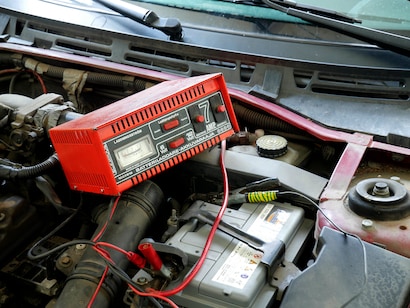
- Connect the Charger: Attach the positive (red) clamp to the positive terminal. Then, connect the negative (black) clamp to the negative terminal.
- Set the Charger: Ensure the charger is set to 2 amps. Double-check the settings before starting.
- Start Charging: Turn on the charger. Monitor the battery and charger during the process.
- Check Progress: Use a voltmeter to check the battery’s voltage periodically. A fully charged 12V battery typically reads around 12.6 to 12.8 volts.
- Finish Charging: Once the battery reaches the desired voltage, turn off the charger. Disconnect the clamps, starting with the negative terminal.
Safety Precautions
- Wear Safety Gear: Always wear gloves and safety goggles.
- Ventilation: Charge in a well-ventilated area to avoid gas buildup.
- Avoid Sparks: Keep open flames and sparks away from the battery.
- Check Connections: Ensure all connections are secure to prevent short circuits.
- Monitor Temperature: Keep an eye on the battery’s temperature. If it gets too hot, stop charging immediately.
Factors Affecting Charge Time
Understanding the factors affecting charge time of a 12V battery is crucial. Various elements can change how long it takes to fully charge a battery at 2 amps. Let’s explore these factors in detail.
Battery Health
The health of your battery plays a significant role in charge time. A new, healthy battery will charge faster than an old, worn-out one. Battery health declines with age and usage, affecting its ability to hold and accept a charge.
Regular maintenance can help extend battery life. Check for corrosion, ensure proper fluid levels, and keep the terminals clean. These practices help maintain good battery health.
Temperature Impact
Temperature can significantly affect how long it takes to charge a 12V battery. Batteries charge more efficiently at room temperature. Extreme temperatures, both hot and cold, can slow down the charging process.
In cold weather, the chemical reactions inside the battery slow down. This makes the charging process take longer. Conversely, high temperatures can cause the battery to overheat, also slowing down the charge time.
Here’s a quick overview of how temperature impacts charging:
| Temperature | Charge Time |
|---|---|
| Cold (Below 50°F / 10°C) | Slower |
| Room Temperature (68-77°F / 20-25°C) | Optimal |
| Hot (Above 95°F / 35°C) | Slower |
Keeping your battery in a temperature-controlled environment can help achieve a more consistent charge time.
Signs Of A Fully Charged Battery
Knowing the signs of a fully charged battery is crucial for its maintenance. Recognizing these signs ensures your battery performs at its best. Here are some key indicators to look out for:
Voltage Levels
The voltage level of a fully charged 12V battery is a reliable indicator. Use a multimeter to check the voltage. A fully charged battery should show a voltage between 12.6V and 12.8V.
Here is a simple table for reference:
| Voltage Reading | Battery Status |
|---|---|
| 12.6V – 12.8V | Fully Charged |
| 12.4V – 12.5V | 75% Charged |
| 12.2V – 12.3V | 50% Charged |
| 12.0V – 12.1V | 25% Charged |
Using A Hydrometer
A hydrometer is another tool to check if your battery is fully charged. This tool measures the specific gravity of the electrolyte. A reading between 1.265 and 1.299 indicates a fully charged battery.
Follow these steps to use a hydrometer:
- Remove the battery caps.
- Insert the hydrometer into each cell.
- Draw up the electrolyte.
- Read the specific gravity.
If all cells show readings within the full range, your battery is fully charged. Regular checks with a hydrometer help maintain your battery’s health.

Credit: www.large.net
Maintaining Your Battery
Maintaining your 12V battery ensures its longevity and reliability. Regular care can prevent unexpected failures. Follow these simple steps to keep your battery in top condition.
Regular Inspections
Regularly inspecting your battery helps you catch issues early. Check for corrosion on the terminals. Clean any buildup with a mixture of baking soda and water. Ensure all connections are tight and secure.
Use a multimeter to check the battery voltage. A fully charged 12V battery should read around 12.6 volts. If the voltage is lower, it might need charging or replacement.
| Inspection Task | Frequency |
|---|---|
| Check for corrosion | Monthly |
| Clean terminals | Monthly |
| Check voltage | Every 3 months |
Proper Storage
Proper storage of your battery extends its life. Store it in a cool, dry place. Avoid areas with extreme temperatures. Extreme heat can cause the battery to lose charge faster. Extreme cold can cause it to freeze and crack.
Keep the battery fully charged during storage. Use a trickle charger to maintain charge levels. This prevents the battery from becoming fully discharged.
- Store in a cool, dry place
- Avoid extreme temperatures
- Keep fully charged
- Use a trickle charger
Follow these steps to keep your 12V battery in great shape. Regular inspections and proper storage are key.
Common Charging Mistakes
Charging a 12V battery at 2 amps seems straightforward. Many people make simple mistakes that can shorten battery life. Understanding these mistakes can help you avoid them. Let’s explore two common errors.
Overcharging Risks
Overcharging a battery can cause severe damage. It can lead to overheating and reduce the battery’s lifespan. Overcharging occurs when the battery receives more charge than it needs. This can make the battery swell or even leak. Use a charger with an automatic shut-off feature to avoid this. This feature stops charging once the battery is full.
Tips to prevent overcharging:
- Use chargers with automatic shut-off.
- Monitor the battery’s charge level.
- Do not leave the battery charging overnight.
Using Incorrect Chargers
Using the wrong charger can harm your battery. Each battery type needs a specific charger. Using the wrong one can lead to undercharging or overcharging. Both are harmful. Always check the charger’s specifications before use. Ensure it matches your battery’s needs.
Common issues with incorrect chargers:
- Wrong voltage output.
- Incorrect amperage rating.
- Lack of safety features.
How to choose the right charger:
- Read the battery’s manual.
- Match the voltage and amperage.
- Look for built-in safety features.
Credit: www.carcitywholesale.com
Frequently Asked Questions
How Long To Charge A 12v Battery At 2 Amps?
Charging a 12V battery at 2 amps usually takes around 24 to 30 hours. The exact time depends on the battery’s capacity and initial charge level.
Can I Charge A 12v Battery At 2 Amps?
Yes, you can charge a 12V battery at 2 amps. It is a slow but safe charging rate, ensuring the battery is charged efficiently without overheating.
What Affects Charging Time For 12v Battery?
Several factors affect charging time, including battery capacity, initial charge level, and charger efficiency. Temperature and battery age can also impact the charging duration.
Is It Safe To Charge A 12v Battery At 2 Amps?
Charging at 2 amps is generally safe for 12V batteries. It prevents overheating and reduces the risk of damaging the battery, ensuring a longer lifespan.
Conclusion
Charging a 12V battery at 2 amps takes time. Usually, it needs around 24 hours for a full charge. Always monitor the battery to avoid overcharging. Regular checks ensure safety and extend battery life. Keep your charger and battery in good condition.
Follow these tips for efficient charging. Happy charging!