
Learn how to pump a bike tire with a Schrader valve quickly and easily! Follow these simple steps to inflate your tires to the perfect pressure for a smooth ride.
Properly inflating your bike tires is crucial for a smooth and safe ride. Many bikes use Schrader valves, which are commonly found on car tires as well. Learning to pump a tire with this type of valve is straightforward but requires attention to detail.
You’ll need a compatible pump, which is widely available. Regularly checking and maintaining your tire pressure can prevent flats and improve overall bike performance. In this guide, we’ll walk you through the simple steps to ensure your bike tires are always at the optimal pressure for your cycling needs.
Credit: www.bikeexchange.ca
Gather Your Tools
Gathering the right tools is crucial for pumping a bike tire with a Schrader valve. This step ensures you have everything you need before starting. It makes the process smoother and quicker.
Pump Types
There are different types of pumps you can use. Each has its own benefits and drawbacks. Here are the most common ones:
- Floor Pumps: These are the most efficient. They fill tires quickly and easily.
- Hand Pumps: Portable and compact. Perfect for on-the-go situations.
- CO2 Inflators: These are very fast. They use CO2 cartridges to inflate tires.
Additional Equipment
Besides the pump, you might need some extra tools. These tools can help make the job easier and more efficient:
- Pressure Gauge: Essential for checking tire pressure. Ensures you don’t overinflate.
- Valve Adapter: Useful if you need to switch between valve types.
- Spare Tubes: Always good to have on hand. In case of a flat tire.
By gathering all these tools, you can ensure a smooth and quick tire pumping process. This will help you get back on the road in no time.
Locate The Schrader Valve
Before you can pump a bike tire, you need to locate the Schrader valve. This is crucial for a proper inflation process. Let’s dive into the steps to find it.
Identifying The Valve
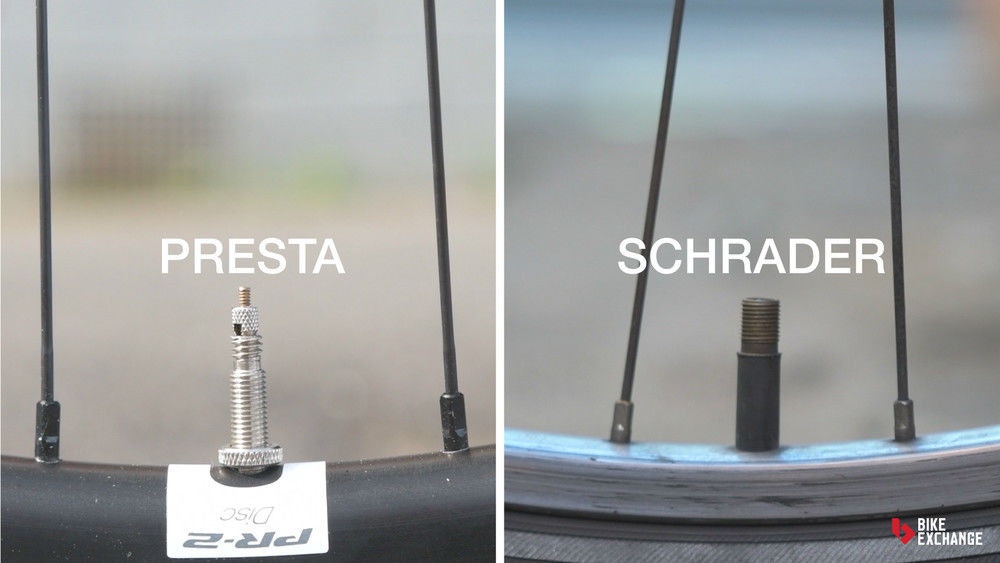
The Schrader valve is the most common valve type in bikes. It looks like a car tire valve. It’s usually on the bike’s inner tube. Here are the features to look for:
- Metal stem protruding from the rim.
- A small cap on top, usually plastic.
- A wider diameter than Presta valves.
Positioning The Bike
Make sure your bike is stable before you pump the tire. Proper positioning ensures safety and ease of access. Follow these steps:
- Place the bike on a flat surface.
- Use a bike stand if available.
- Ensure the valve is at the bottom of the wheel.
With these steps, you can easily locate the Schrader valve and prepare for inflation.
Remove The Valve Cap
Removing the valve cap is the first step in pumping a bike tire with a Schrader valve. This small cap protects the valve from dirt and damage. Understanding how to remove it correctly is essential.
Why It’s Important
The valve cap keeps the valve clean. Dirt can block the valve, making it hard to pump air. A clean valve ensures smooth airflow into the tire.
The cap also prevents damage. A damaged valve may leak air, leading to flat tires. Keeping the cap on protects the valve from accidental hits.
Storing The Cap
After removing the cap, store it safely. You don’t want to lose it. A lost cap leaves the valve unprotected.
Store the cap in a small bag or pocket. This way, it stays clean and ready for use. A clean cap helps maintain a clean valve.
You can also attach it to the pump. Some pumps have a small holder for the cap. This ensures you always know where the cap is.
Credit: www.bikeexchange.ca
Attach The Pump
Attaching the pump to a bike tire with a Schrader valve is easy. This step is crucial for inflating your bike tire correctly. Let’s break down the process into simple steps to ensure you do it right.
Securing The Connection
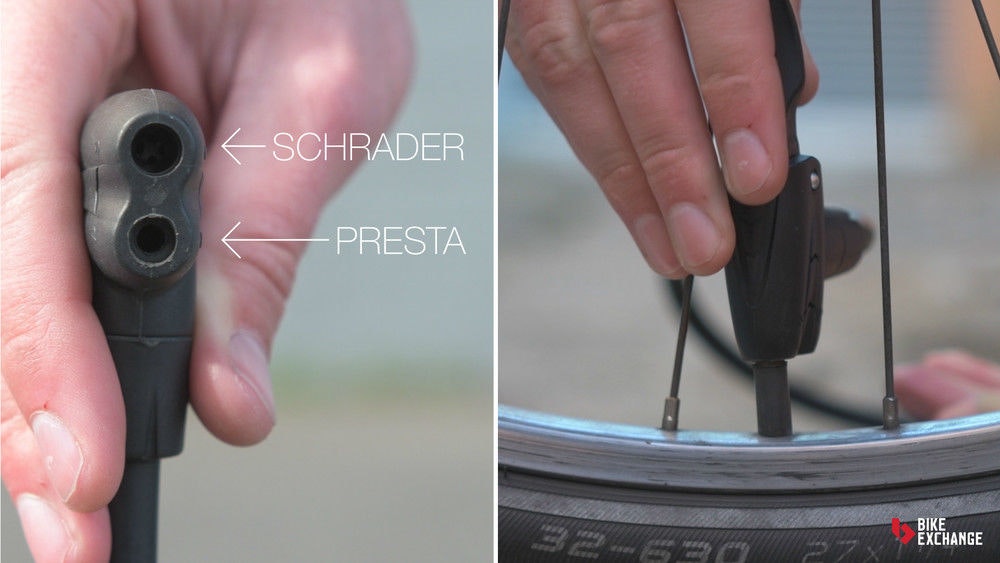
First, remove the valve cap from the Schrader valve. Keep it safe for later. Next, find the right pump head for a Schrader valve. Most pumps have a switch for Schrader and Presta valves. Make sure it is set to Schrader. Push the pump head onto the valve stem.
Ensure the pump head covers the valve completely. You should feel a snug fit. If the connection feels loose, the air might leak out. Press down firmly to secure the connection.
Ensuring A Tight Seal
Now, check the seal between the pump and the valve. A tight seal prevents air from escaping. Turn the lever on the pump head to lock it in place. This action tightens the grip around the valve.
Listen for any hissing sounds. If you hear air escaping, adjust the pump head. Make sure it is straight and tightly secured. A proper seal ensures efficient inflation. Your bike tire will be ready for your next ride.
Pump The Tire
Pumping your bike tire with a Schrader valve is easy. Follow these steps to ensure your tire is properly inflated.
Proper Technique
First, remove the cap from the Schrader valve. Make sure you have a suitable pump. Attach the pump head to the valve. Push down firmly until you hear a click. This means the pump is secure.
Begin pumping by moving the handle up and down. Ensure you use smooth and steady motions. This helps in evenly inflating the tire. Check that the pump head stays attached.
Monitoring Pressure
Keep an eye on the tire pressure gauge. Most bike tires have recommended pressure printed on the sidewall. Ensure the pressure matches this range. Overinflating can cause damage, and underinflating can lead to a flat tire.
If your pump has no gauge, use a separate pressure gauge. Check the pressure periodically as you pump. Stop pumping once you reach the desired pressure. Remove the pump head carefully. Replace the valve cap tightly.
| Step | Action |
|---|---|
| 1 | Remove valve cap |
| 2 | Attach pump head |
| 3 | Pump using steady motions |
| 4 | Monitor tire pressure |
| 5 | Remove pump and replace cap |

Credit: www.youtube.com
Detach The Pump
Pumping a bike tire with a Schrader valve can seem tricky. The final step is to detach the pump without losing air. Follow these tips to ensure a smooth process.
Avoiding Air Loss
To avoid air loss, ensure the pump head is secure. Hold the valve stem firmly with one hand. Quickly release the pump head using the other hand. Use a swift motion to minimize air escape.
Quick Removal Tips
- Check the pump head for a lever. If present, flip it to release.
- Keep your hand steady on the valve stem. This helps in quick detachment.
- Pull the pump head straight off. Do not wiggle it.
| Step | Action |
|---|---|
| 1 | Check the pump head for a release lever. |
| 2 | Hold the valve stem with one hand. |
| 3 | Flip the lever if present. |
| 4 | Pull the pump head straight off. |
Detaching the pump head properly ensures your tire maintains pressure. This will help in keeping your rides smooth and safe.
Replace The Valve Cap
After pumping your bike tire with a Schrader valve, don’t forget to replace the valve cap. This small step ensures your tire stays in good condition. Below are key reasons why you should secure the cap and prevent dirt ingress.
Securing The Cap
Replacing the valve cap is essential for a secure seal. The cap keeps the valve stem protected. Follow these simple steps to secure the cap:
- Take the valve cap in your hand.
- Place it on the valve stem.
- Turn it clockwise until it is tight.
A well-secured cap prevents air from escaping. It also makes the next pumping easier.
Preventing Dirt Ingress
Dirt and debris can enter the valve stem if the cap is missing. This can lead to blockages and poor performance. To prevent dirt ingress:
- Always check the cap after pumping.
- Clean the valve stem before replacing the cap.
- Use a cloth to wipe off any dirt.
These steps ensure your valve stays clean. A clean valve works better and lasts longer.
Check Tire Pressure
Checking your bike’s tire pressure is crucial. Proper pressure ensures a safe and smooth ride. A Schrader valve makes this process easy. Let’s dive into how to check and maintain it.
Using A Gauge
First, get a reliable tire pressure gauge. Digital or manual gauges work well. Remove the valve cap from the Schrader valve. Place the gauge on the valve stem. Press firmly to get an accurate reading. The gauge will display the current tire pressure.
Compare the reading with the recommended pressure. This information is usually on the tire’s sidewall. If the pressure is low, it’s time to pump the tire. If it’s high, you may need to release some air.
Optimal Pressure Levels
Each bike tire has an optimal pressure range. This range ensures the best performance. Check the sidewall of your tire for this range. It’s usually written in PSI (pounds per square inch).
| Type of Bike | Optimal PSI Range |
|---|---|
| Road Bike | 80-130 PSI |
| Mountain Bike | 30-50 PSI |
| Hybrid Bike | 50-70 PSI |
Keeping your tire pressure within this range is key. It helps in preventing flats and improving ride quality. Use a gauge regularly to monitor your tire pressure. Adjust it as needed to stay within the optimal range.
Frequently Asked Questions About How to Pump a Bike Tire With a Schrader Valve:
How Do You Pump A Bike Tire With A Schrader Valve?
To pump a bike tire with a Schrader valve, first remove the valve cap. Attach the pump head securely to the valve. Pump air until the tire reaches the desired pressure. Remove the pump head and replace the valve cap.
What Is A Schrader Valve On A Bike Tire?
A Schrader valve is a common type of valve used on bike tires. It features a wider stem and a spring-loaded pin. This design is similar to car tire valves, making it easy to use.
How Do You Check Tire Pressure With A Schrader Valve?
To check tire pressure with a Schrader valve, remove the valve cap. Use a pressure gauge to measure the tire pressure. Press the gauge onto the valve until it gives a reading. Replace the valve cap afterward.
Why Is My Schrader Valve Not Inflating?
Your Schrader valve may not inflate due to a clogged valve, a faulty pump, or a damaged valve. Check for debris in the valve and ensure the pump is functioning properly. If the valve is damaged, it may need replacement.
Conclusion
How to pump a bike tire with a Schrader valve is simple with the right steps. Always check the pressure gauge. Proper tire maintenance ensures a smooth ride. Regularly inspect your tires to avoid issues. Keep your pump handy for quick adjustments.
Follow these tips, and enjoy safe, worry-free cycling.