
To rev match a motorcycle, you need to simultaneously throttle and downshift before releasing the clutch. This technique, How to Rev Match a Motorcycle, smooths out gear changes and maintains balance.
Mastering the art of rev matching on a motorcycle is a skill that can greatly enhance your riding experience. It’s an integral part of seamless downshifting that prevents the abrupt engine braking effect which can unbalance the bike, especially when cornering.
As a rider, learning this technique allows for smoother transitions between gears and helps to protect the bike’s transmission. It’s not just about the mechanical advantage; it’s also about the thrill and engagement it adds to your ride, making each shift feel like a finely tuned response to the road. Perfecting rev matching is a sign of a skilled rider, and it can make a significant difference in the longevity of your motorcycle’s clutch and gearbox.

Importance Of Technique
Rev matching on a motorcycle is a crucial skill that significantly enhances the riding experience. Knowing how to rev match a motorcycle by aligning the engine speed to the wheel speed when downshifting allows riders to enjoy a smoother transition between gears. This technique helps maintain balance and traction, especially during deceleration or while entering turns, thus contributing to a more controlled and enjoyable ride.
Mastery of rev matching not only boosts the rider’s confidence but also plays a pivotal role in extending the lifespan of the motorcycle’s engine. Abrupt or mismatched gear changes can lead to excessive wear, while consistent rev matching reduces stress on the transmission. The synchronized movement of internal components achieved through rev matching lessens the likelihood of expensive repairs caused by premature engine wear.
Understanding Rev Matching
Rev matching is a technique used by motorcycle riders to ensure a smooth transition between gears. Essentially, it requires the rider to adjust the engine speed (RPMs) to match the wheel speed when downshifting. This process reduces the strain on the motorcycle’s transmission and leads to a seamless gear change. The purpose of rev matching is not just to protect the bike’s drivetrain, but it also provides stability by preventing the rear wheel from locking or hopping under a sudden change of speed.
Vital for maintaining control, rev matching becomes exceptionally beneficial in varied riding scenarios, such as during a deceleration before a corner or when riding on a slippery surface. It helps in keeping a balance between throttle and brake application, ultimately ensuring a safer and more enjoyable riding experience.

Perfecting The Technique
Rev matching is a technique used by motorcyclists to ensure a smooth transition between gears. Begin by gradually closing the throttle and simultaneously squeezing the clutch. As the clutch disengages, use your throttle hand to gently blip or increase the engine’s RPM. The goal is to bring the engine speed in line with the lower gear.
Select the next lower gear while maintaining throttle blip. Carefully release the clutch lever to engage the gear. Done correctly, this results in a seamless gear shift with minimal chassis movement, ensuring better control and prevention of transmission wear.
- Consistent practice in a safe environment builds muscle memory.
- Start with a focus on timing; precision is key for effective rev matching.
- Gradually increase difficulty by practicing on slopes and in varied speed scenarios.
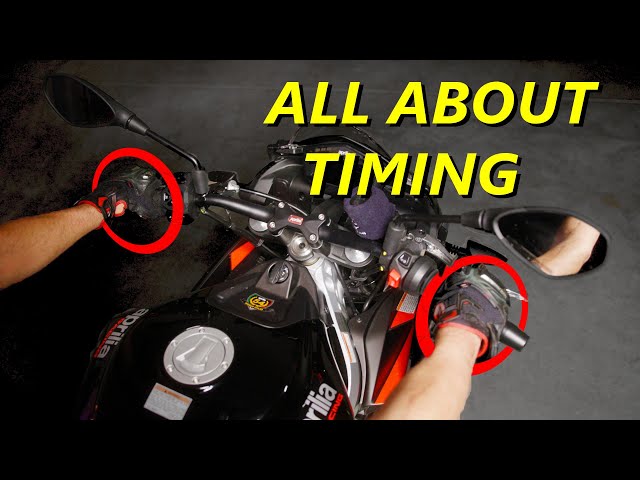
Credit: eightify.app
Frequently Asked Questions Of How to Rev Match a Motorcycle
How Do You Rev Match Smoothly On A Motorcycle?
To rev match smoothly on a motorcycle, first, downshift as you approach a stop. Next, slightly twist the throttle to raise RPMs before fully engaging the lower gear. Lastly, release the clutch gently to match the engine speed for a seamless transition.
What Are The Steps For Rev Matching?
To rev match, press the clutch, shift to a lower gear, tap the gas to raise RPMs to match lower gear speed, release the clutch smoothly, and continue driving.
How Do You Rev A Motorcycle?
To rev a motorcycle, turn on the ignition, pull in the clutch lever, select neutral, and twist the throttle gently to increase engine RPMs. Release the throttle smoothly to return to idle. Always ensure the bike is stable before revving.
How Important Is Rev Matching On A Motorcycle?
Rev matching on a motorcycle is important for smooth downshifting and preventing transmission wear. It helps maintain stability and control, especially during deceleration.
Conclusion
Mastering the art of rev matching opens up a smoother, more controlled ride, especially when learning how to rev match a motorcycle. With practice, your gear transitions will become seamless, ultimately protecting your motorcycle’s engine and transmission. Embrace the process and enjoy the enhanced riding experience it brings. Safe travels and happy shifting on the open road!