
Riding a motorcycle is fun and exciting. Many people want to learn how to ride. It can be a great way to travel or enjoy the outdoors. But learning to ride takes time and practice. This guide will help you get started safely and easily.
Why Learn to Ride a Motorcycle?
Motorcycles are different from cars. They are smaller and faster. Riding a motorcycle can save money on gas. It can also help you avoid traffic jams. Many riders enjoy feeling the wind and open road.
However, riding a motorcycle requires skill and care. You must be alert and ready for anything. Learning the basics is very important.
Credit: monimoto.com
What You Need Before You Start
Before you ride, you need some things. Here is a list:
- Helmet: Always wear a helmet. It protects your head.
- Protective Clothing: Wear jackets, gloves, and boots.
- Motorcycle: Choose a small bike for beginners.
- License or Permit: Check your local rules for riding permits.
- Training Course: Consider taking a class for new riders.
How to Choose Your First Motorcycle
Pick a motorcycle that is easy to handle. Small bikes with low power are best. They help you learn without being too hard to control.
Look for these features:
- Low seat height
- Lightweight frame
- Simple controls
Ask a friend or a dealer for advice. Try to sit on the bike before buying. Make sure you feel comfortable.
Basic Controls of a Motorcycle
Before you start riding, learn the parts and controls. Here are the main ones:
| Control | What It Does |
|---|---|
| Throttle | Controls the speed by twisting the right handle. |
| Clutch | Used to change gears, located on the left handle. |
| Brake | The right hand controls the front brake; the foot controls the rear brake. |
| Gear Shift | Used to change gears with the left foot. |
| Turn Signals | Show your intention to turn left or right. |
| Horn | Makes a sound to alert others. |
Steps to Start Riding
Follow these steps when you begin to ride:
- Wear your helmet and protective gear.
- Check the motorcycle’s tires, brakes, and lights.
- Place the bike on the stand and sit comfortably.
- Start the engine using the ignition key.
- Hold the clutch and press the gear shift to first gear.
- Slowly release the clutch while gently twisting the throttle.
- When the bike moves, keep balance and look ahead.
- Practice braking and turning in a safe area.
Practice Riding in Safe Places
Do not ride in busy streets at first. Find a quiet parking lot or empty road. Practice these skills:
- Starting and stopping smoothly
- Turning left and right
- Using signals and brakes
- Shifting gears properly
- Balancing at slow speeds
Practice until you feel confident. Riding needs control and calmness.
How to Turn Safely
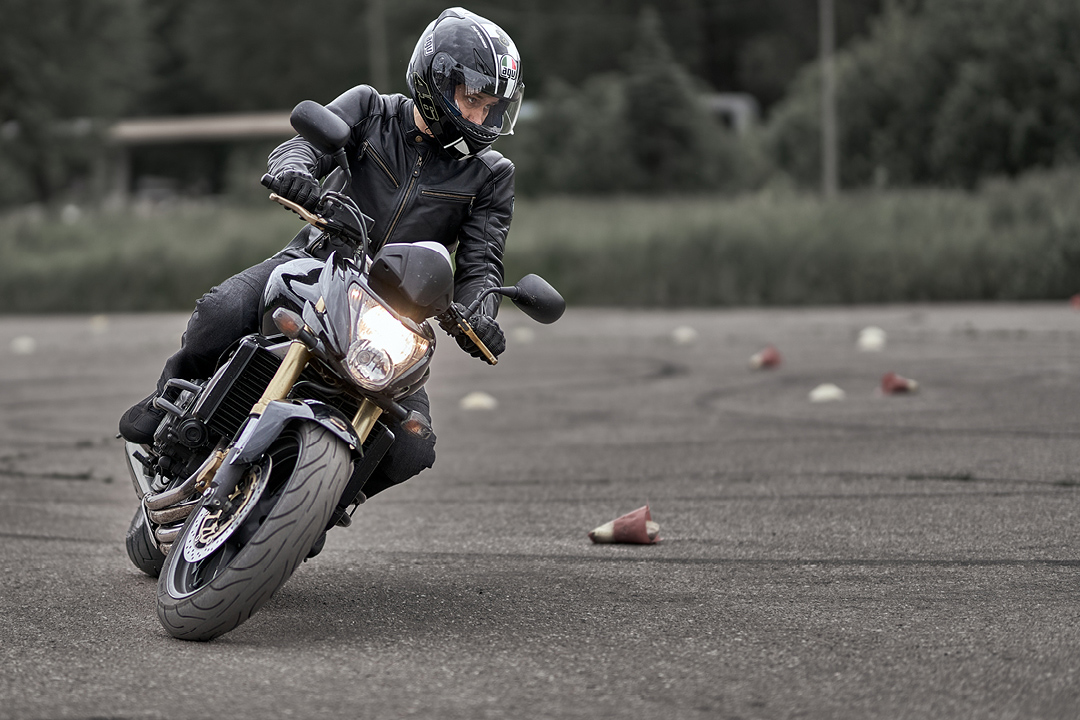
Turning is one of the hardest skills to learn. Here is how to do it safely:
- Slow down before the turn.
- Look where you want to go.
- Lean your body and bike slightly into the turn.
- Keep both hands on the handles.
- Use the throttle gently while turning.
Practice turning many times in a safe place.
Stopping the Motorcycle
Stopping is very important for safety. Use both brakes to stop smoothly:
- Press the rear brake with your right foot.
- Use the front brake by squeezing the right handle gently.
- Slow down gradually to avoid falling.
- Put your left foot down when stopped.
Practice stopping often to build confidence.
Rules to Follow When Riding
Always follow traffic rules. Here are some key rules:
- Wear your helmet at all times.
- Obey speed limits.
- Use signals before turning or changing lanes.
- Stay visible to other drivers.
- Keep a safe distance from other vehicles.
- Do not ride under the influence of alcohol or drugs.
Safety comes first. Being careful prevents accidents.
Joining a Motorcycle Training Course
Many places offer motorcycle training courses. These classes teach you to ride safely. Instructors help you understand controls and rules. You get to practice in a safe place.
Training courses often include:
- Classroom lessons on safety
- Hands-on riding practice
- How to handle emergencies
- Tests to get your riding license
Taking a course is a smart step for new riders.
Common Mistakes Beginners Make
New riders often make mistakes. Knowing them helps you avoid problems:
- Riding too fast before learning controls.
- Not wearing protective gear.
- Looking down instead of ahead.
- Using brakes suddenly.
- Not signaling when turning.
- Forgetting to check mirrors.
Take your time and practice carefully.
Tips for Safe Riding
Here are some tips to keep you safe:
- Always wear bright clothes for visibility.
- Keep your motorcycle in good condition.
- Be aware of road conditions like wetness or gravel.
- Watch out for other drivers and pedestrians.
- Do not ride if tired or distracted.
- Practice emergency stops and quick turns.
Enjoying Your Ride
Riding a motorcycle can be very fun. You feel free and close to nature. Remember to ride safely and follow the rules. The more you practice, the better you will become.
Take time to enjoy the ride. Explore new places. Meet other riders. Motorcycling can bring new friends and adventures.

Credit: driving.ca
FAQs about Learn How to Ride Motorcycles
What Are The Basic Skills Needed To Ride A Motorcycle?
Balancing, steering, braking, and throttle control are key skills. Practice these slowly to build confidence and safety.
How Do I Choose the Right Motorcycle for Beginners?
Look for light, low-powered bikes with simple controls. Comfort and ease of handling matter most for new riders.
What Safety Gear Should I Wear While Riding?
Helmets, gloves, jackets, pants, and boots protect your body. Quality gear reduces injury risk in accidents.
How Can I Practice Motorcycle Riding Safely?
Start in empty parking lots or quiet roads. Practice slow turns, stopping, and starting before busy streets.
Conclusion
Learning to ride a motorcycle takes patience and care. Start with the right gear and a small bike. Practice in safe places and learn the controls. Follow traffic rules and be alert. Consider taking a training course.
Riding is a skill you build over time. Stay safe and enjoy the journey.