
A moped losing power up hills can be caused by several issues. Common culprits include a dirty carburetor or a worn-out belt.
Riding a moped should be a smooth experience, but power loss uphill can be frustrating. This issue can stem from multiple sources, each affecting performance differently. A dirty carburetor can restrict fuel flow, leading to power loss. Similarly, a worn-out drive belt may slip, reducing the moped’s ability to climb inclines.
Regular maintenance, such as cleaning the carburetor and inspecting the belt, can prevent these problems. Diagnosing and addressing the specific cause of power loss ensures a smoother and more reliable ride. Proper upkeep not only enhances performance but also extends the lifespan of your moped.
Common Causes Of Power Loss
Experiencing your moped losing power up hills can be frustrating. Understanding the common causes of power loss can help you troubleshoot and fix the problem. Below, we explore the most frequent issues that affect your moped’s performance.
Engine Strain
The engine is the heart of your moped. Over time, it can face strain, especially under tough conditions like climbing hills. Common symptoms of engine strain include:
- Overheating
- Loud noises
- Decreased acceleration
Overheating occurs when the engine works too hard without proper cooling. Loud noises often indicate worn-out parts. Decreased acceleration can mean the engine is struggling. Regular maintenance can help prevent these issues.
Fuel Delivery Issues
A consistent fuel supply is crucial for your moped’s performance. Fuel delivery issues can cause power loss, especially on inclines. Common fuel delivery problems include:
- Clogged fuel filter
- Dirty carburetor
- Fuel line blockage
A clogged fuel filter restricts the flow of fuel to the engine. A dirty carburetor affects the fuel-air mixture, leading to poor combustion. Fuel line blockage can completely cut off fuel supply, causing the engine to stall.
Regularly checking and cleaning these components can ensure a smooth fuel flow. This will help maintain your moped’s power and efficiency, especially on hilly terrains.
Checking The Fuel System
Experiencing power loss while riding your moped uphill can be frustrating. This issue often points to problems within the fuel system. Regular maintenance of the fuel system can prevent this. Below, we explore key areas to check.
Inspect Fuel Lines
Start by inspecting the fuel lines. Look for cracks or kinks. These can restrict fuel flow. Ensure the lines are securely connected. Loose connections can cause leaks. Replace damaged lines immediately.
| Common Issues | Solution |
|---|---|
| Cracked fuel lines | Replace the lines |
| Kinked fuel lines | Reposition or replace |
| Loose connections | Tighten or secure the lines |
Clean Carburetor
A dirty carburetor can restrict fuel flow. This impacts performance, especially uphill. Cleaning the carburetor can solve this issue. Follow these steps:
- Remove the carburetor from the moped.
- Disassemble the carburetor carefully.
- Use a carburetor cleaner to clean all parts.
- Ensure all jets and passages are clear.
- Reassemble and reinstall the carburetor.
Regular cleaning keeps your moped running smoothly. It ensures optimal fuel flow.
Examining The Air Filter
Is your moped losing power up hills? The air filter could be the culprit. A clean air filter ensures your moped engine runs smoothly. An air filter clogged with dirt can restrict airflow, causing a loss of power. Let’s dive into the signs of a dirty filter and how to replace it.
Signs Of A Dirty Filter
A dirty air filter can lead to several issues. Here are some signs to watch out for:
- Reduced Power: Your moped struggles to climb hills.
- Poor Fuel Efficiency: You notice increased fuel consumption.
- Engine Misfires: The engine may sputter or miss.
- Black Smoke: Dark smoke from the exhaust indicates a problem.
If you notice any of these signs, inspect the air filter. Let’s move on to how you can replace it.
Replacing The Air Filter
Replacing the air filter is a straightforward process. Follow these steps:
- Locate the Air Filter: The air filter is usually under the seat or near the engine.
- Remove the Cover: Use a screwdriver to remove the air filter cover.
- Take Out the Old Filter: Carefully remove the dirty filter.
- Insert the New Filter: Place the new air filter in the same position.
- Reattach the Cover: Secure the cover back in place with screws.
Regularly replacing the air filter keeps your moped running efficiently. Check and replace the air filter every few months to ensure optimal performance.

Credit: www.reddit.com
Spark Plug Inspection
Experiencing your moped losing power up hills? The issue often lies in the spark plug. This small component is crucial for the engine’s performance. Let’s delve into how to inspect and maintain your spark plug effectively.
Recognizing Faulty Plugs
A faulty spark plug can cause serious performance issues. Here are some signs to watch for:
- Difficulty Starting: The engine struggles to start or doesn’t start at all.
- Engine Misfires: The engine runs unevenly or makes strange noises.
- Poor Fuel Economy: You notice a drop in fuel efficiency.
- Power Loss: The moped loses power, especially uphill.
Check the spark plug’s condition regularly. It can help you avoid these issues.
Proper Spark Plug Maintenance
Maintaining your spark plug is essential for your moped’s performance. Follow these steps:
- Remove the Spark Plug: Use a wrench to carefully remove the spark plug.
- Inspect the Plug: Look for any signs of wear or damage. A healthy plug should be clean and have a light brown color.
- Clean the Plug: Use a wire brush to remove any carbon deposits.
- Check the Gap: Use a feeler gauge to ensure the gap is correct.
- Reinstall the Plug: Carefully place the spark plug back into its position. Tighten it securely.
Replacing a worn-out spark plug is simple and affordable. It can make a significant difference in your moped’s performance.
Here’s a quick reference table for spark plug conditions:
| Condition | Appearance | Action |
|---|---|---|
| Healthy | Light brown color, clean | No action needed |
| Carbon Deposits | Black, sooty appearance | Clean or replace |
| Oil Deposits | Oily, wet appearance | Check for oil leaks, replace |
| Worn Electrode | Rounded edges, excessive gap | Replace |
Transmission And Drive Belt
A moped losing power up hills can be frustrating. One common culprit is the transmission and drive belt. These components play a crucial role in transferring power from the engine to the wheels. If they are not functioning properly, your moped will struggle on inclines. Understanding how to identify and fix these issues can help restore your moped’s performance.
Identifying Worn Belts
Worn belts can significantly affect your moped’s power. Here are some signs that your drive belt may be worn:
- Cracks or fraying on the belt surface
- Unusual noises during operation
- Slipping sensation while riding
Inspect the belt regularly. Use a flashlight to check for any visible damage. If you find any of these signs, it’s time to replace the belt.
Adjusting The Transmission
Proper transmission adjustment is essential for smooth power delivery. If your moped struggles up hills, the transmission might be out of tune. Follow these steps to adjust the transmission:
- Park your moped on a flat surface.
- Locate the transmission adjustment screw.
- Use a screwdriver to turn the screw clockwise to tighten.
- Test ride your moped to check improvements.
If the problem persists, consider consulting a professional mechanic. Proper transmission adjustment can make a significant difference in your moped’s uphill performance.
A well-maintained transmission and drive belt ensure your moped performs efficiently. Regular checks and adjustments can prevent power loss and enhance your riding experience.

Credit: heavydutymobility.com
Checking Exhaust System
Is your moped losing power up hills? The exhaust system might be the culprit. A clogged or leaky exhaust can hinder performance. Let’s explore how to check and fix the exhaust system.
Clearing Blockages
A blocked exhaust can reduce power. The engine can’t breathe properly. To clear blockages:
- Remove the exhaust pipe.
- Inspect the pipe for debris.
- Use a wire brush to clean the inside.
- Reattach the exhaust pipe securely.
Regular cleaning prevents blockages. This keeps your moped performing well.
Assessing Exhaust Leaks
Exhaust leaks can cause a power loss. Check for signs of leaks:
- Listen for unusual noises.
- Look for black soot around joints.
- Feel for escaping air.
If you find a leak, fix it promptly. Use high-temperature sealant or replace faulty parts.
| Common Issues | Solutions |
|---|---|
| Blocked Exhaust | Clean the pipe |
| Exhaust Leaks | Seal leaks or replace parts |
Keeping the exhaust system in good shape ensures smooth rides. Regular checks can save you from bigger problems.
Electrical System Check
Experiencing a sudden loss of power while climbing hills on your moped can be frustrating. One common culprit could be the moped’s electrical system. A thorough electrical system check can reveal potential issues that might be affecting your moped’s performance. This section will guide you through checking your moped’s electrical components to ensure they are functioning properly.
Battery Health
The battery is a crucial part of your moped’s electrical system. A weak or old battery can cause power issues, especially when ascending hills. To check your battery health:
- Turn off your moped.
- Disconnect the battery terminals.
- Use a multimeter to check the voltage.
- A healthy battery should read between 12.6 to 12.8 volts.
If the voltage is below this range, consider charging or replacing the battery. Also, inspect the battery terminals for any corrosion and clean them if necessary.
Inspecting Wiring
The wiring in your moped connects various electrical components. Damaged or loose wires can lead to power loss. Here’s how to inspect the wiring:
- Visually inspect all wires for signs of wear or damage.
- Look for frayed wires or any exposed metal.
- Check all connections to ensure they are secure.
- Use a multimeter to test for continuity in suspect wires.
If you find any damaged wires, replace them immediately. Secure all loose connections to ensure a steady flow of electricity.
| Component | What to Check | Healthy Range |
|---|---|---|
| Battery | Voltage | 12.6 – 12.8 volts |
| Wiring | Continuity | Uninterrupted |
By ensuring your electrical system is in good condition, you can prevent power loss on hills. Regular checks can help maintain your moped’s performance.
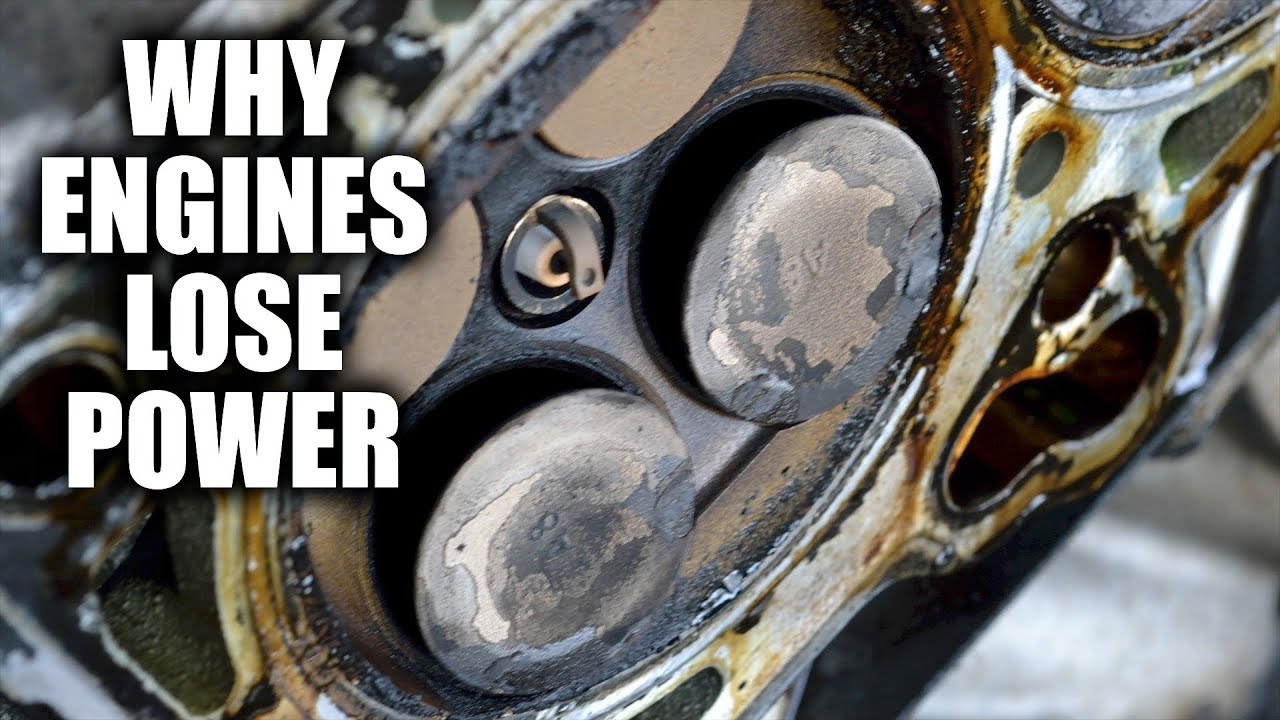
Credit: www.youtube.com
Regular Maintenance Tips
Experiencing a loss of power while riding your moped uphill can be frustrating. Regular maintenance can help prevent these issues and keep your moped running smoothly. Below are some essential tips to ensure your moped performs its best.
Scheduled Servicing
Adhering to a scheduled servicing plan is crucial. Regular servicing helps detect and fix potential problems early. It’s recommended to follow the manufacturer’s service intervals. During servicing, mechanics typically check:
- Engine oil and filters
- Spark plugs
- Brake fluid and pads
- Transmission fluid
Keeping these components in top shape ensures your moped runs efficiently, especially uphill.
Routine Inspections
In between scheduled services, carry out routine inspections. Regular checks can prevent minor issues from becoming major problems. Key areas to inspect include:
| Component | Inspection Frequency |
|---|---|
| Tires | Weekly |
| Brakes | Monthly |
| Lights | Weekly |
| Battery | Monthly |
Ensure tires are properly inflated and have enough tread. Check brake pads for wear and replace them if needed. Verify that all lights are working correctly. A well-maintained battery ensures consistent power supply to the engine.
By following these maintenance tips, you can ensure that your moped retains its power, even on steep hills.
Frequently Asked Questions
Why Is My Moped Losing Power Uphill?
Your moped may lose power uphill due to fuel delivery issues. Check for clogged fuel lines or a dirty carburetor.
How Can I Fix My Moped’s Uphill Power Loss?
Inspect the air filter, fuel system, and carburetor. Clean or replace parts as needed to restore power.
What Causes A Moped To Struggle On Inclines?
A moped may struggle on inclines because of insufficient fuel or air supply. Ensure all components are clean.
Is Low Engine Power Normal For Mopeds On Hills?
Low power on hills can be common, but it shouldn’t be severe. Regular maintenance can help maintain performance.
Conclusion
Addressing your moped’s power issues on hills can enhance your riding experience. Regular maintenance and checking the fuel system are crucial. Ensure your moped’s components are in top condition. With these tips, your moped will perform better on inclines. Enjoy smoother rides and tackle those hills with confidence.