
A motorcycle’s battery is vital for a smooth ride. But what happens when it starts to fail?
Recognizing motorcycle bad battery symptoms can save you from unexpected breakdowns and costly repairs. A failing battery can cause many problems. Your bike might not start, or it could stall unexpectedly. You may notice dim lights or unusual noises.
These are just a few signs your battery needs attention. Understanding these symptoms helps keep your motorcycle in top shape. In this blog post, we will explore common motorcycle bad battery symptoms. Knowing these symptoms can help you address issues early and ensure your rides remain safe and enjoyable. Stay tuned to learn more about keeping your motorcycle running smoothly.
Credit: roadguardians.org
Common Bad Battery Symptoms
Recognizing the symptoms of a bad motorcycle battery is important. It helps in avoiding unexpected breakdowns. Here are the common signs to watch out for.
Dim Headlights
One of the first signs is dim headlights. When the battery is weak, the headlights do not shine as brightly. This is because the battery does not provide enough power. You may notice the lights flicker or look dull. This can be dangerous, especially at night. Always check your headlights if you suspect a battery issue.
Slow Engine Crank
Another common symptom is a slow engine crank. When you try to start the bike, the engine turns over slowly. This happens because the battery cannot supply enough power to the starter motor. You might hear a clicking sound instead of the engine starting. In this case, it is likely time to test or replace the battery.
Electrical Issues
Electrical issues often indicate a bad motorcycle battery. These problems can affect various components of your bike. Recognizing these signs early helps avoid major breakdowns. Here, we discuss key symptoms to watch for.
Flickering Dashboard Lights
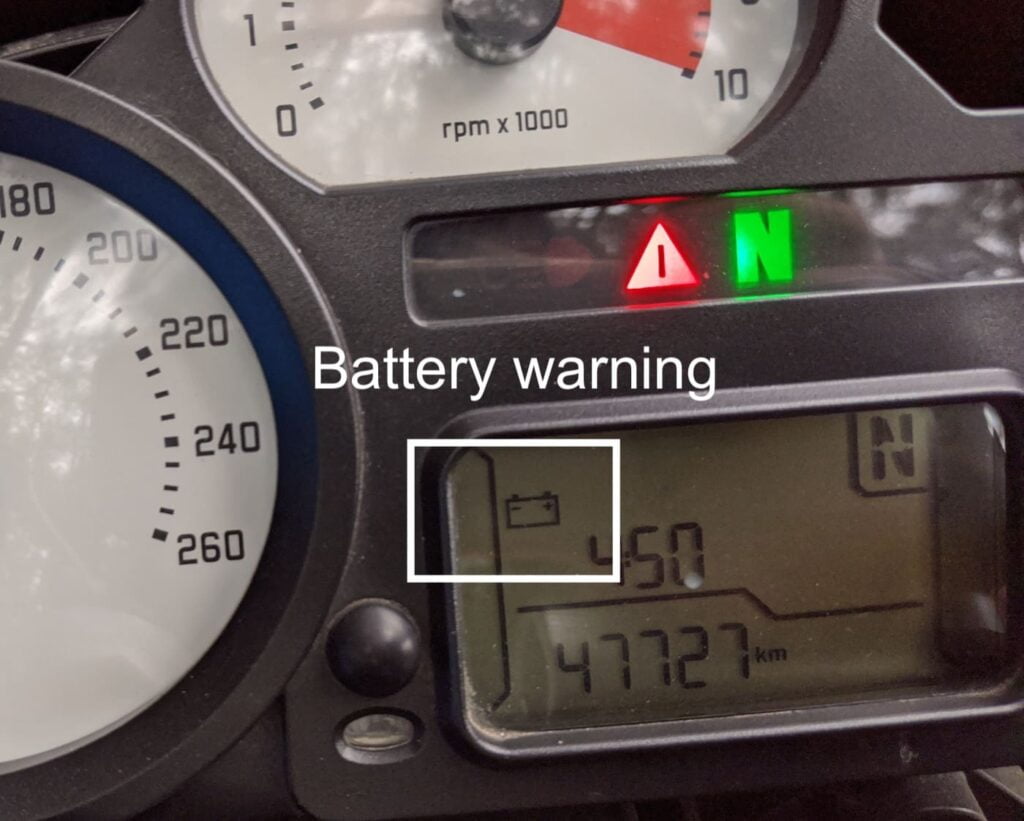
Flickering dashboard lights are a common symptom of a bad battery. When the battery struggles, it can’t provide stable power. This causes lights to flicker or dim. Pay attention if your dashboard lights behave erratically. They might blink off and on, or appear weaker than usual.
Non-responsive Electrical Components
Another telltale sign is non-responsive electrical components. This includes headlights, indicators, and the horn. If these components don’t work consistently, the battery might be to blame. For instance, headlights may not shine as brightly, or the horn may sound weak.
| Component | Symptom |
|---|---|
| Headlights | Dim or non-functional |
| Indicators | Fail to blink or blink slowly |
| Horn | Weak sound or no sound |
These electrical issues often point to a failing battery. Keep an eye on these symptoms to ensure your motorcycle remains in good condition.
Battery Testing Methods
A weak or faulty motorcycle battery can cause many issues. Knowing how to test your battery helps you identify problems early. This guide covers two main methods: the Voltage Test and the Load Test. These methods are simple and effective.
Voltage Test
The voltage test is the easiest way to check a battery. You need a multimeter for this test. Follow these steps:
- Turn off your motorcycle.
- Set your multimeter to 20V DC.
- Connect the red probe to the positive terminal.
- Connect the black probe to the negative terminal.
- Read the voltage on the multimeter.
A healthy battery should read between 12.6 to 12.8 volts. If the reading is below 12.4 volts, your battery may be weak. If it’s below 12 volts, your battery is likely bad.
Load Test
The load test checks how your battery performs under load. This test is more accurate than the voltage test. You’ll need a load tester for this method. Follow these steps:
- Fully charge your battery.
- Turn off the motorcycle.
- Connect the load tester to the battery terminals.
- Apply a load equal to half the battery’s CCA (Cold Cranking Amps).
- Hold the load for 10 seconds.
- Read the voltage while under load.
A good battery should not drop below 9.6 volts during the test. If it does, your battery might be failing.
Testing your motorcycle battery with these methods helps you avoid unexpected breakdowns. Regular checks ensure your bike runs smoothly.
Tools Needed For Diagnosis
Diagnosing a bad motorcycle battery can be straightforward if you have the right tools. Knowing the tools needed can save time and avoid guesswork. The essential tools include a multimeter and a battery charger. These tools help pinpoint the problem efficiently.
Multimeter
A multimeter is crucial for checking your motorcycle battery’s health. It measures the voltage, current, and resistance. This tool helps determine if the battery is holding a charge.
To use a multimeter:
- Set it to the DC voltage setting.
- Connect the red probe to the positive terminal.
- Connect the black probe to the negative terminal.
- Read the voltage on the display.
A reading below 12.4 volts means the battery is weak or discharged. If it’s below 10 volts, the battery may be dead.
Battery Charger
A battery charger helps revive a weak or drained battery. It supplies the necessary current to recharge it. This tool is essential for maintaining the battery’s health.
To use a battery charger:
- Connect the charger’s red clamp to the positive terminal.
- Connect the black clamp to the negative terminal.
- Set the charger to the appropriate voltage (usually 12V for motorcycles).
- Turn on the charger and let it run until the battery is fully charged.
Check the charger’s manual for specific instructions, as they can vary.
Using these tools can help diagnose and fix battery issues efficiently. They are affordable and easy to use, making them essential for every motorcycle owner.
Step-by-step Diagnosis
Dealing with a bad motorcycle battery can be frustrating. But diagnosing the issue doesn’t have to be. Follow this step-by-step guide to identify whether your motorcycle battery is the culprit.
Visual Inspection
The first step in diagnosing a bad battery is a visual inspection. Look for any obvious signs of damage or wear. Check the battery case for cracks or bulges. These can indicate a problem.
- Inspect the battery terminals for corrosion. Clean them if needed.
- Check the electrolyte levels. If the levels are low, refill with distilled water.
- Look for any loose or damaged cables. Secure or replace them if necessary.
Performing Voltage Test
If the visual inspection doesn’t reveal any issues, it’s time to perform a voltage test. A multimeter will help you measure the battery’s voltage accurately.
- Set the multimeter to DC voltage (20V range).
- Connect the red lead to the battery’s positive terminal. Attach the black lead to the negative terminal.
- Read the voltage on the multimeter display. A fully charged battery should read between 12.6V and 12.8V.
If the voltage is below 12.4V, the battery might be weak. If it’s under 12.0V, the battery is likely bad and needs replacement.
Regular checks and maintenance can keep your motorcycle battery in top shape. Follow these steps to ensure your bike starts every time.
Credit: motofomo.com
Common Causes Of Battery Failure
Motorcycle batteries can fail due to various reasons. Understanding these causes can help you maintain your battery better and extend its life. Here are some common causes of battery failure:
Corrosion
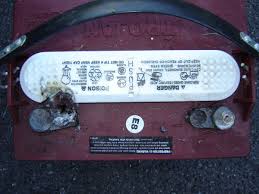
Corrosion is a frequent issue that affects motorcycle batteries. It occurs when acid leaks from the battery. This acid reacts with the metal terminals, causing a buildup of white, powdery residue. This residue can hinder the flow of electricity.
- Corroded terminals can lead to starting problems.
- Regular cleaning can prevent corrosion.
- Use a mixture of baking soda and water to clean terminals.
Corrosion can also weaken the battery case. This can result in further leakage and more severe damage. Inspect your battery regularly to catch signs of corrosion early.
Aging Battery
All batteries have a limited lifespan. Over time, the chemical reactions within the battery become less efficient. This leads to a loss of capacity and power.
- Most motorcycle batteries last between 2 to 5 years.
- Frequent short trips can shorten battery life.
- Extreme temperatures, both hot and cold, can also affect battery life.
An aging battery may show signs like slow engine cranking and dim lights. If your battery is old, consider replacing it to avoid sudden failure.
| Signs of Aging Battery | Possible Solutions |
|---|---|
| Slow engine cranking | Test and replace if necessary |
| Dim lights | Check battery voltage |
| Frequent need for jump-starts | Replace battery |
Regular maintenance and inspections can extend the life of your motorcycle battery. Stay alert to these common causes of battery failure to keep your ride smooth and trouble-free.
Fixing Battery Issues
Experiencing a bad battery can be frustrating for any motorcycle owner. Identifying and fixing battery issues is crucial to ensure a smooth and safe ride. In this section, we will explore simple steps to fix common battery problems.
Cleaning Battery Terminals
One of the first steps in fixing battery issues is cleaning the battery terminals. Dirty or corroded terminals can prevent your motorcycle from starting.
- Turn off the motorcycle and remove the battery.
- Use a wire brush to clean the terminals.
- Apply a mixture of baking soda and water to remove corrosion.
- Rinse with water and dry the terminals completely.
- Reattach the battery and ensure the connections are tight.
Clean terminals improve the battery’s connection and enhance its performance.
Replacing The Battery
If cleaning the terminals doesn’t solve the problem, you may need to replace the battery. Here’s a simple guide to replacing your motorcycle battery.
- Turn off the motorcycle and locate the battery.
- Remove the old battery carefully, noting its orientation.
- Purchase a new battery that matches the specifications of the old one.
- Install the new battery in the same orientation as the old one.
- Reconnect the terminals securely.
- Turn on the motorcycle to test the new battery.
Replacing the battery ensures your motorcycle starts reliably and performs well.
Preventive Maintenance Tips
Maintaining your motorcycle battery is essential for a smooth ride. Regular care can prevent unexpected breakdowns. Here are some preventive maintenance tips to keep your battery in top shape.
Regular Charging
Regular charging is key to a healthy battery. A battery tender or trickle charger can help. Connect it to your battery when the motorcycle is not in use. This keeps the battery at an optimal charge level.
Also, check the battery voltage regularly. Use a multimeter for this task. A fully charged motorcycle battery should read between 12.6 and 13.5 volts. If the voltage drops below this range, recharge the battery immediately.
Proper Storage
Proper storage of your motorcycle is crucial during off-seasons. Store your bike in a cool, dry place. Extreme temperatures can damage the battery. Remove the battery if storing for more than a month.
Store the battery in a temperature-controlled environment. Use a battery maintainer to keep it charged. Avoid placing it directly on concrete floors. Use a wooden shelf or rubber mat instead. This prevents unwanted discharge.
| Storage Tips | Details |
|---|---|
| Cool, Dry Place | Prevents temperature-related damage |
| Remove Battery | If storing for over a month |
| Battery Maintainer | Keeps the battery charged |
| Wooden Shelf | Avoids unwanted discharge |
Following these preventive maintenance tips can extend your battery’s life. They ensure your motorcycle is always ready for the next ride.

Credit: www.vikingbags.com
Frequently Asked Questions
What Are The Signs Of A Bad Motorcycle Battery?
A bad motorcycle battery shows signs like dim headlights, slow engine cranking, and clicking sounds when starting.
How Do I Test My Motorcycle Battery?
To test your motorcycle battery, use a multimeter. Ensure it shows a voltage between 12. 4 and 12. 6 volts.
Why Does My Motorcycle Battery Keep Dying?
A motorcycle battery can die due to age, poor charging system, or leaving lights on.
Can A Bad Battery Affect Motorcycle Performance?
Yes, a bad battery can affect performance. It may cause starting issues and electrical system malfunctions.
Conclusion
Recognizing a bad motorcycle battery is crucial. Symptoms include dim lights and a slow start. Corroded terminals and a swollen battery also indicate trouble. Regular checks prevent unexpected breakdowns. Replace the battery if symptoms persist. Keeping your motorcycle in top shape ensures safety and reliability.
Don’t ignore these signs. A healthy battery means smooth rides. Always stay alert to changes in your motorcycle’s performance. This simple attention saves time and stress. Keep your bike running strong and enjoy the journey.