
High Revs, Low Traction: Decoding Motorcycle Clutch Slipping
If your motorcycle clutch is slipping at high RPM, it could be due to worn-out clutch plates or springs. Changing the clutch plates and springs should resolve the issue.
Motorcycle clutch slipping at high RPM can be caused by worn-out clutch plates or springs. Changing these components will likely resolve the problem. Experiencing a slipping clutch on your motorcycle at high RPM can be frustrating and problematic. It can affect your bike’s performance and safety.
However, understanding the causes and solutions for this issue can help you address it effectively. We will explore the common reasons for motorcycle clutch slippage at high RPM and provide practical tips to fix the problem. By the end, you will have a clear understanding of how to identify and resolve this issue, allowing you to enjoy a smoother and more reliable riding experience.
Diagnosing Motorcycle Clutch Slipping
- Motorcycle Clutch Anatomy
- Troubleshooting High Rpm Clutch Issues
- Expert Fixes For Clutch Slipping
- Preventing Future Clutch Problems
- Enhancing Clutch Longevity
- Frequently Asked Questions For Motorcycle Clutch Slipping At High Rpm
Diagnosing Motorcycle Clutch Slipping

When your motorcycle’s clutch slips at high RPM, it can significantly affect performance and safety. Proper diagnosis is crucial to pinpoint the exact problem and take necessary steps for a fix. Let’s delve into the common symptoms and signs at high RPM, as well as the initial steps for assessment.
Common Symptoms And Signs At High Rpm
Clutch slipping at high RPM can manifest through various indicators, including:
- Engine revving without an increase in speed
- A sudden loss of power at higher RPM
- Delayed engagement when accelerating
- Burning smell reminiscent of burning clutch plates
Steps For Initial Assessment
When observing the aforementioned symptoms, take the following initial steps to diagnose clutch slipping:
- Visual inspection: Check for oil or hydraulic fluid leakage around the clutch assembly.
- Clutch cable examination: Ensure the clutch cable is properly adjusted and not excessively worn out.
- Friction and steel plates inspection: Assess the condition of these plates for wear and tear, scoring, or warping.
- Spring tension examination: Confirm that the clutch springs are within the manufacturer’s specified tension limits.
- Clutch basket and hub inspection: Check for grooving, notching, or wear on the clutch basket and hub.
Motorcycle Clutch Anatomy
The motorcycle clutch is an essential component that allows the rider to change gears and control the power delivery to the rear wheel. Understanding the anatomy of the motorcycle clutch is crucial for riders to diagnose and address issues like clutch slipping at high RPM. The clutch assembly comprises various key components that work together to engage and disengage the engine’s power to the transmission. Let’s delve into the intricacies of the motorcycle clutch anatomy and its role in high-speed performance.
Key Components Involved
The motorcycle clutch consists of several key components that play pivotal roles in its operation. These components include:
- Clutch Lever
- Clutch Cable or Hydraulic Line
- Clutch Basket
- Clutch Plates
- Pressure Plate
- Clutch Springs
How They Interact At Higher Speeds
At higher speeds, the clutch components come into play to ensure seamless power transfer and avoid clutch slipping. When the engine operates at high RPM, the clutch plates and pressure plate experience increased force and friction. The clutch springs play a critical role in maintaining the necessary pressure to keep the clutch engaged without causing slippage. Additionally, the proper adjustment of the clutch lever and cable/hydraulic line is crucial to ensure optimal engagement and disengagement of the clutch at high speeds.
“` I hope you find this content useful. Let me know if you need further assistance.
Troubleshooting High Rpm Clutch Issues
Motorcycle clutch slipping at high RPM can be frustrating and dangerous, potentially leading to reduced acceleration and performance. Identifying the root cause of this issue is crucial for maintaining the functionality of your motorcycle. In this section, we will explore effective troubleshooting techniques for addressing high RPM clutch issues, including visual inspection techniques and mechanical tests.
Visual Inspection Techniques
Before conducting mechanical tests, it’s essential to perform a thorough visual inspection of the clutch components. Check for the following potential issues:
- Worn or damaged clutch plates
- Loose or damaged clutch springs
- Oil contamination on the clutch plates
- Clutch cable tension and condition
Mechanical Tests To Confirm Slipping
Once visual inspection is completed, conduct mechanical tests to confirm clutch slipping at high RPM. Perform the following tests:
- Engage the clutch lever and observe the level of resistance
- Accelerate the motorcycle to high RPM and gauge the clutch engagement
- Inspect the clutch cable for proper adjustment and tension
By adhering to these troubleshooting techniques, you can pinpoint the exact cause of high RPM clutch slipping and take necessary measures to rectify the issue effectively.
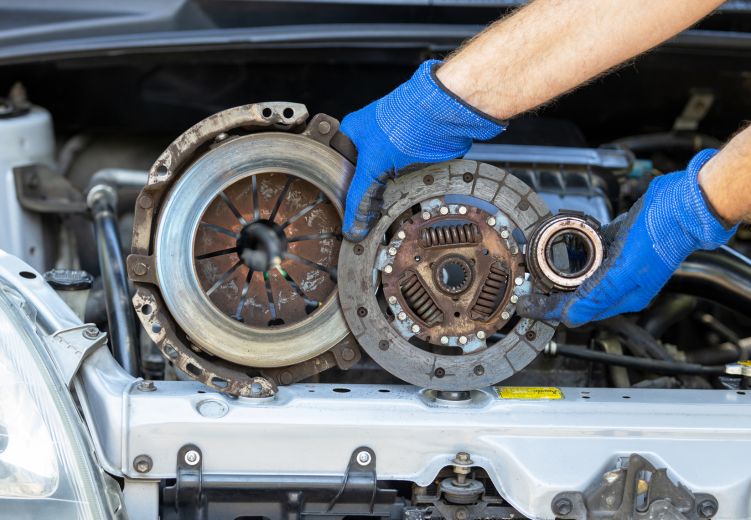
Credit: www.rac.co.uk
Expert Fixes For Motorcycle Clutch Slipping
Motorcycle riders know the frustration of experiencing clutch slipping at high RPM. When the clutch slips, it causes a loss of power and acceleration, which can be dangerous especially when overtaking or navigating busy traffic. However, there are expert fixes that can resolve this issue, ensuring a smooth and safe riding experience.
Adjustments And Fine-tuning
One of the first steps in addressing clutch slipping is to make the necessary adjustments and fine-tuning to the clutch system. This includes checking the cable tension, ensuring it is within the manufacturer’s specifications. Additionally, checking the clutch lever for any excessive free play is crucial. Making fine adjustments to the clutch cable and lever can often resolve slipping issues.
Riders should also consider inspecting the clutch basket and friction plates for wear and tear. Regular maintenance ensures the clutch components are in optimal condition, minimizing the likelihood of slipping at high RPM.
Part Replacement Recommendations
If adjustments and fine-tuning do not resolve the Motorcycle clutch slipping issue, it may be necessary to consider part replacement. Worn-out friction plates and drive plates can lead to clutch slipping, requiring replacement with high-quality, OEM or aftermarket parts. It is also important to inspect the clutch springs for proper tension and consider replacing them if necessary.
Moreover, upgrading to heavy-duty clutch springs or performance-oriented friction plates can provide a more robust solution for clutch slipping, especially for riders who frequently operate at high RPMs or engage in spirited riding.
Preventing Future Clutch Problems
Preventing clutch problems is essential to ensure the smooth running and longevity of your motorcycle. By adhering to a regular maintenance schedule and following best practices for clutch care, you can significantly reduce the risk of clutch slipping at high RPM. By implementing these proactive measures, you can avoid costly repairs and downtime. Let’s delve into the steps you can take to prevent future clutch problems and maintain your motorcycle’s performance.
Regular Maintenance Schedule
A regular maintenance schedule is crucial for the overall health of your motorcycle, including the clutch system. Here are the essential maintenance tasks that should be included in your schedule:
- Regular inspection and adjustment of clutch cable tension
- Periodic replacement of clutch fluid
- Monitoring and adjustment of clutch lever free play
- Assessment of clutch plate wear and tear
- Checking for any leaks or damage in the clutch assembly
Best Practices For Clutch Care
Following best practices for clutch care is crucial in preventing clutch slipping at high RPM. By adopting these practices, you can optimize the performance and lifespan of your motorcycle’s clutch system:
- Engage the clutch smoothly and avoid aggressive or abrupt clutch engagement
- Ensure proper lubrication of the clutch cable and pivot points
- Avoid excessive slipping of the clutch during high RPM acceleration
- Use high-quality clutch components and replace worn-out parts promptly
- Properly warm up the engine before subjecting the clutch to heavy loads
Enhancing Clutch Longevity
Motorcycle clutches are prone to wear, especially at high RPMs. Enhancing your clutch’s longevity not only ensures smoother rides but also saves you from costly replacements. Here, we’ll explore clutch upgrades and modifications, as well as riding techniques to reduce wear, helping you optimize your motorcycle’s clutch performance and durability.
Upgrades And Modifications
Investing in quality components can significantly improve your motorcycle’s clutch longevity. Consider upgrading to enhanced friction and steel plates, which offer better heat dissipation and durability. Additionally, installing stiffer clutch springs can aid in reducing slippage at high RPMs, prolonging the clutch’s life.
Riding Techniques To Reduce Wear
- Smooth engagement: Gradually release the clutch lever when starting or shifting, avoiding abrupt movements that can strain the clutch assembly.
- Proper adjustment: Ensure your clutch lever has the correct free play, as excessive play can cause unnecessary wear and slippage.
- Downshifting techniques: Rev-match before downshifting to minimize clutch engagement time, reducing wear on the clutch plates.
- Regular maintenance: Keep the clutch cable and lever well-lubricated, and perform periodic inspections to detect any issues early on, preventing further damage to the clutch system.
Frequently Asked Questions For Motorcycle Clutch Slipping At High Rpm,
Why Does My Clutch Slip At High Rpm?
A slipping clutch at high rpm may be due to worn friction materials, oil contamination, or an incorrect clutch adjustment. Overheating or excessive wear can also cause slippage. Ensure proper maintenance and inspections to address the issue promptly.
Why Does My Clutch Slip When I Accelerate In High Gear?
Clutch slipping in high gear during acceleration may be due to worn clutch plates, improper clutch cable adjustment, or low clutch fluid levels. It can also result from an oil-contaminated clutch or a malfunctioning pressure plate. Seek professional inspection and repair to address the issue promptly.
Why Does My Motorcycle Feel Like The Clutch Is Slipping?
If your motorcycle feels like the clutch is slipping, it may be due to improper adjustment or wear and tear on the clutch components. It’s crucial to have a professional inspect and adjust the clutch to ensure optimal performance and safety.
Can A Clutch Slip Too Much Power?
Yes, a clutch can slip and cause power loss, affecting the vehicle’s performance. Proper maintenance and regular checks can prevent excessive slipping. Regular inspection by a mechanic is recommended to ensure optimal clutch functionality.
Conclusion
Motorcycle clutch slipping at high RPM can be a frustrating issue for riders. It’s important to address the root cause in order to prevent potential damage to the bike and ensure a safe and enjoyable riding experience. Regular maintenance and proper adjustment of the clutch system can help alleviate this problem, providing a smoother and more reliable performance on the road.