
When switching to reserve fuel on a motorcycle, refer to a Motorcycle Reserve Fuel Switch Guide and turn the fuel switch to the reserve position. Understanding how to properly use the reserve fuel switch on your motorcycle, as outlined in the Motorcycle Reserve Fuel Switch Guide, is essential for ensuring a smooth and safe riding experience.
Whether you’re a beginner or an experienced rider, knowing when and how to switch to reserve fuel can prevent unexpected stalls and help you reach the nearest gas station without any issues. The reserve fuel switch is a critical component that allows you to access a small amount of extra fuel once the main tank is depleted.
By familiarizing yourself with the location and operation of the reserve fuel switch, you can avoid getting stranded due to an empty fuel tank. In this guide, we’ll provide you with clear instructions and tips for effectively using the reserve fuel switch on your motorcycle.

Understanding Your Motorcycle’s Fuel System
One of the crucial aspects of riding a motorcycle is understanding the intricacies of its fuel system. Being familiar with your motorcycle’s fuel system enables you to handle potential issues while on the road and ensures a smoother and safer ride. In this guide, we will delve into the anatomy of a motorcycle fuel system and how the reserve fuel switch fits in, providing you with the essential knowledge to navigate your motorcycle’s fuel system effectively.
Anatomy Of A Motorcycle Fuel System
Before diving into the functionalities of the reserve fuel switch, it’s vital to comprehend the various components that constitute a motorcycle’s fuel system. The fundamental elements of a motorcycle’s fuel system include the fuel tank, fuel valve, fuel lines, fuel pump (in some models), carburetor or fuel injectors, and the reserve fuel switch. Each component plays a vital role in ensuring the efficient delivery and management of fuel to the engine, allowing the motorcycle to operate smoothly and consistently.
How The Reserve Fuel Switch Fits In
The reserve fuel switch serves as a fail-safe mechanism, providing riders with a reliable way to access the remaining fuel in the tank once the primary fuel supply is depleted. By engaging the reserve fuel switch, riders can seamlessly transition to the reserve fuel, allowing them to reach the nearest refueling station without being stranded on the road. Understanding the location and operation of the reserve fuel switch is crucial for every motorcycle enthusiast, as it can make the difference between a trouble-free journey and an unexpected pit stop.
Identifying The Reserve Fuel Switch
When it comes to ensuring a safe and enjoyable ride on your motorcycle, understanding your bike’s reserve fuel switch is essential. Identifying the reserve fuel switch is crucial for riders to avoid running out of fuel unexpectedly.
Motorcycles typically have a reserve fuel switch located near the fuel tank. Look for a small switch, knob, or lever on the side or underside of the tank, often marked with the word “RES” or an arrow indicating reserve. Some models may have the switch integrated into the fuel valve itself, requiring turning to a specific position to access the reserve fuel.
Motorcycle manufacturers incorporate various designs for reserve fuel switches. The location and appearance of the switch can vary based on the model and make of the bike. Some switches may have a simple ON-OFF-RES configuration, while others might feature a prime position alongside ON and RES. Additionally, certain bikes may have electronic fuel injection systems, eliminating the need for a physical reserve switch altogether.
Operating The Reserve Switch
When riding a motorcycle, one of the most essential features to understand is the reserve fuel switch. Knowing how and when to utilize it can prevent being stranded due to an empty tank. Operating the reserve switch correctly is vital for ensuring a safe and uninterrupted ride. Below, we’ll explore the correct timing to switch to reserve and common mistakes to avoid while using the reserve fuel switch.
Correct Timing To Switch To Reserve
The reserve fuel switch should be used when you notice a decrease in the fuel level. It is typically recommended to switch to reserve when the main fuel tank is approximately 1/4 or 1/8 full. Keeping an eye on the fuel gauge or understanding your motorcycle’s fuel consumption helps in gauging the correct time to switch to reserve.
Common Mistakes To Avoid
- Waiting too long to switch: Delaying the transition to reserve can leave riders unexpectedly running out of fuel. It’s crucial to switch to reserve at the right time to ensure a smooth and safe ride
- Forgetting to switch back: After refueling, it’s easy to forget to switch the reserve back to the main tank. This oversight can result in the motorcycle unexpectedly stalling when the reserve fuel runs out
- Not testing the reserve: It’s essential to periodically check the functionality of the reserve switch to guarantee it’s working correctly. Ignoring this could lead to problems when the main fuel tank runs dry
- Assuming fuel range: Relying solely on the estimated fuel range and neglecting to periodically check the fuel level can result in unexpected challenges on the road
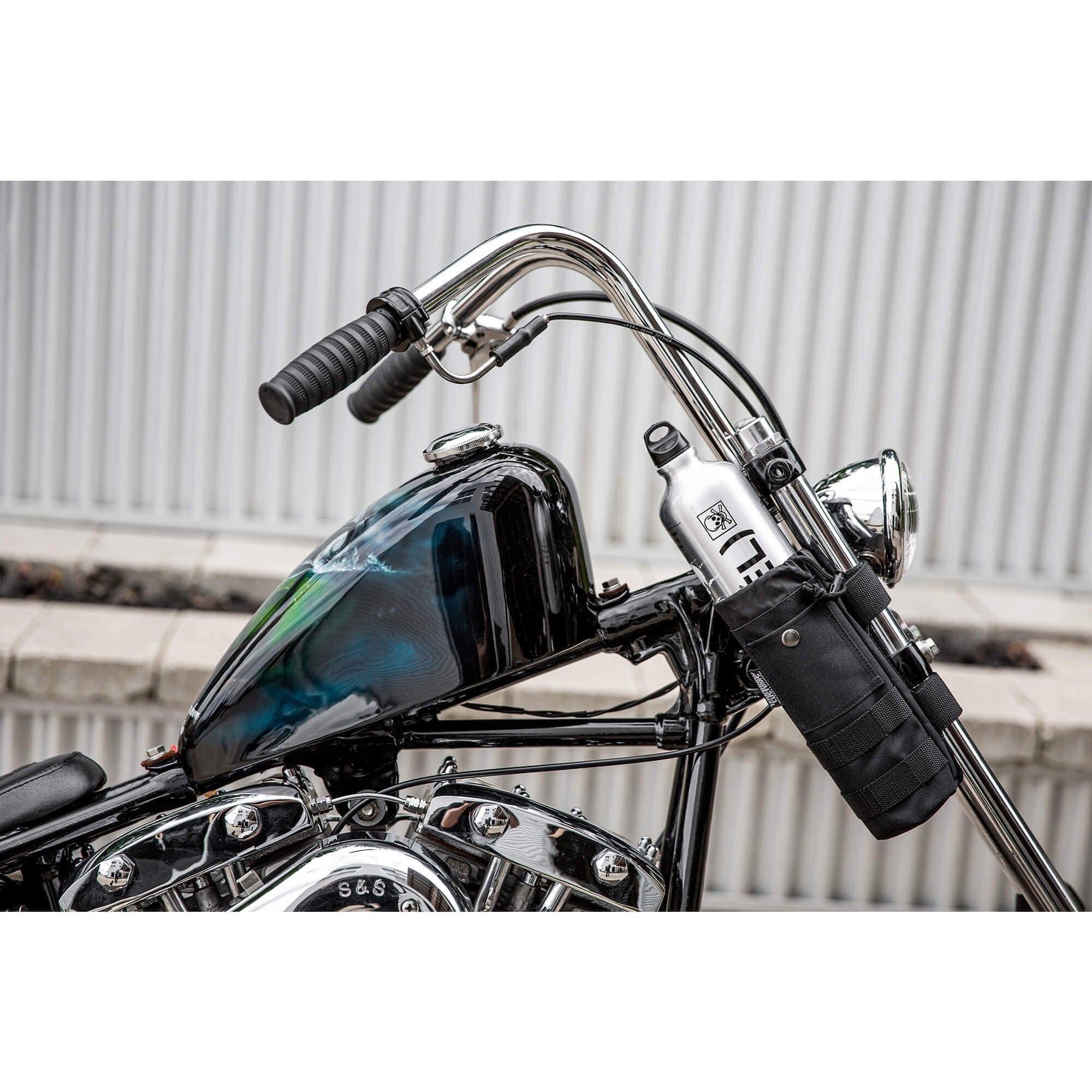
Credit: www.lowbrowcustoms.com
Expert Tips On Reserve Fuel Usage
When it comes to long rides on your motorcycle, properly managing your fuel reserves is crucial. The reserve fuel switch is a feature that allows you to access the remaining fuel in your tank when your main supply runs low. To make the most of your reserve fuel, it’s essential to have a clear understanding of how to estimate its range and implement effective fuel management strategies.
Estimating Reserve Fuel Range
Estimating the range of your motorcycle’s reserve fuel can be challenging but crucial for planning long rides. Several factors influence reserve fuel range, including your motorcycle’s make and model, your riding style, and the road conditions. One effective approach to estimate your reserve fuel range is to keep track of your mileage when riding on reserve fuel and use that data to calculate an average range.
Does Stalling a Motorcycle Damage It: Uncovering the Truth
Fuel Management Strategies For Long Rides
When embarking on lengthy journeys, implementing fuel management strategies can help ensure a seamless ride and minimize the risk of running out of fuel in remote areas. Here are some expert tips for fuel management during long rides:
- Maintain a steady speed and avoid abrupt acceleration and braking, as this can conserve fuel.
- Regularly monitor your fuel level and switch to the reserve fuel early enough to locate the nearest refueling station.
- Plan your route to include fuel stops at regular intervals, taking into account the distance your motorcycle can cover on reserve fuel.
- Carry a portable fuel container as a backup measure in case you run out of fuel in a remote area.
Maintenance And Troubleshooting
Regular maintenance of the fuel system is crucial to ensure the smooth operation of the reserve fuel switch on your motorcycle. Additionally, understanding and troubleshooting common reserve switch issues can help prevent unexpected breakdowns and ensure a hassle-free riding experience. Let’s delve into the essential maintenance tasks and common troubleshooting techniques for the reserve fuel switch.
https://motorcycleguidelines.com/rev-match-motorcycle/
Regular Maintenance Of The Fuel System
Proper maintenance of the fuel system, including the reserve fuel switch, is vital for the optimal performance of your motorcycle. The following regular maintenance tasks are essential to keep the reserve fuel switch functioning smoothly:
- Check fuel lines and connections: Regularly inspect the fuel lines and connections for any signs of leakage or damage. Replace any worn or damaged fuel lines promptly to prevent fuel system issues.
- Clean the reserve fuel switch: Periodically clean the reserve fuel switch to remove any debris or sediment that may affect its operation. Use a suitable cleaner and follow the manufacturer’s guidelines for cleaning.
- Inspect fuel filter: Check the condition of the fuel filter and replace it if necessary. A clogged fuel filter can cause fuel flow issues, affecting the functioning of the reserve switch.
- Test switch operation: Regularly test the reserve fuel switch to ensure it switches between the main and reserve fuel tanks smoothly. If any issues are detected, address them promptly.
Troubleshooting Common Reserve Switch Issues
Despite regular maintenance, reserve fuel switch issues can occur. Knowing how to troubleshoot common problems can help you address issues effectively. Here are some common reserve switch issues and troubleshooting techniques:
- Switch not functioning: If the reserve switch fails to toggle between the main and reserve tanks, check for any electrical or mechanical faults. Inspect the switch for damage or loose connections and address the issue accordingly.
- Fuel flow problems: If there are issues with fuel flow when using the reserve tank, check for clogged fuel lines or a faulty reserve switch. Clean or replace components as needed to restore proper fuel flow.
- Stuck in reserve mode: If the reserve switch gets stuck in the reserve mode, it may indicate a mechanical problem. Inspect the switch mechanism and address any obstructions or malfunctions.
Motorcycle Reserve Fuel Switch Guide
When it comes to managing your motorcycle’s fuel supply, understanding the reserve fuel switch is crucial for every rider. In this comprehensive guide, we will walk you through the steps of using the motorcycle reserve fuel switch and provide advanced tips for seasoned riders to ensure a smooth and uninterrupted ride.
Step-by-step Guide To Using The Reserve Switch
When you find yourself running low on fuel while riding, engaging the reserve fuel switch can be a lifesaver. Follow these steps to seamlessly switch to the reserve fuel:
- Safe Stop: Ensure you are in a safe location and gradually reduce speed before coming to a complete stop.
- Locate the Switch: The reserve fuel switch is usually located near the main fuel switch. Familiarize yourself with its position before the need arises.
- Engage the Reserve: Once located, switch the reserve fuel option to enable the flow of fuel from the reserve tank.
- Resume Riding: After switching to reserve, be mindful of your mileage and make a pit stop at the nearest fuel station to refill your tank.
Advanced Tips For Seasoned Riders
For experienced riders, here are some advanced tips to ensure a smooth experience when utilizing the reserve fuel switch:
- Maintain Awareness: Regularly monitor your fuel gauge and be mindful of the distance covered since your last fill-up.
- Plan Ahead: Incorporate fuel stops into your route planning, especially when riding through remote areas with limited access to gas stations.
- Regular Maintenance: Inspect and maintain the reserve fuel switch and associated components as part of your routine motorcycle maintenance.
Frequently Asked Questions For Motorcycle Reserve Fuel Switch Guide
How Do I Use The Reserve Fuel Switch On My Motorcycle?
To use the reserve fuel switch, locate the switch on the fuel tank and flip it when the main tank is empty. This enables access to the reserve fuel, allowing you to continue riding until you find a gas station.
What Is The Purpose Of A Reserve Fuel Switch On A Motorcycle?
The reserve fuel switch serves as a backup in case you run out of gas. It provides access to a small amount of fuel remaining in the tank, giving you enough distance to reach a gas station or safe stopping point.
Is It Safe To Rely On The Reserve Fuel Switch For Long Rides?
While the reserve fuel switch provides an extra supply for emergencies, it’s not ideal for long rides. It’s best to refuel before reaching the reserve fuel stage to avoid running out of gas in remote areas.
Can I Still Use The Reserve Fuel Switch If My Motorcycle Has A Fuel Gauge?
Yes, you can still use the reserve fuel switch even if your motorcycle has a fuel gauge. It’s a valuable feature to have, especially in situations where the gauge may not accurately reflect the amount of fuel remaining in the tank.
Conclusion
Understanding how to use a motorcycle’s reserve fuel switch can prevent getting stranded. By following the steps outlined in this Motorcycle Reserve Fuel Switch Guide, riders can confidently manage their fuel supply. This small but important feature can make a big difference when on the road.
Ensure a smooth and trouble-free ride with this valuable knowledge at your disposal.