
Motorcycle Rev Matching is a technique used to synchronize engine speed with wheel speed. It involves adjusting the throttle as you downshift to reduce transmission shock.
Rev matching is an essential skill for motorcycle riders that ensures smoother downshifting and enhances ride stability. By blipping the throttle before engaging a lower gear, riders can match the engine’s rpm to the lower gear’s optimal speed, minimizing the jolting effect often felt during gear changes.
This technique not only contributes to a more comfortable ride but also protects the bike’s transmission from the wear and tear associated with mismatched speeds. Mastering rev matching is particularly useful for maintaining control during deceleration and in corners, where traction is crucial. For new and seasoned motorcyclists alike, perfecting the art of rev matching can significantly improve the overall riding experience and the longevity of their motorcycle’s components.

The Importance Of Rev Matching
Rev matching, also known as throttle blipping, is a technique used by riders to smooth the transition between gears. This method involves the rider adjusting the engine speed to match the speed of the gearbox for the next gear. By doing so, it ensures a smooth, jerk-free shift, which is particularly important when downshifting.
The benefits of rev matching are numerous. It primarily protects the motorcycle’s transmission from undue stress, reducing wear on the gears and prolonging the lifespan of the bike’s drivetrain. Additionally, it aids in maintaining optimal control of the motorcycle, as sudden changes in engine speed can unbalance the bike, especially when entering a corner. Rev matching can also contribute to a more enjoyable and seamless riding experience.
When to Change Motorcycle Spark Plugs : Essential Tips for Optimal Performance
Through the practice of rev matching, riders experience smoother downshifts and improved vehicle stability. This is because the technique minimizes the torque disruption to the rear wheel, which is especially crucial during high-performance riding. Mastering rev matching allows for enhanced synchronization between the engine and transmission, resulting in quicker and more efficient shifting.
Techniques For Mastering Rev Matching
Mastering rev matching on a motorcycle necessitates precise throttle control. The goal is to match the engine speed to the wheel speed when downshifting, which ensures a smooth transition and protects the gearbox. To begin, approach the downshift with a steady throttle, then squeeze the clutch and select the lower gear.
The downshifting process is significantly enhanced by blipping the throttle; a quick twist of the throttle increases engine RPMs. Release the clutch gently once the engine speed is slightly higher than the wheel speed to achieve a seamless gear change.
Success in rev matching is about timing and coordination. Combine the clutch, throttle, and gear lever actions fluidly. With practice, these movements become more instinctive, resulting in a smoother ride and reduced mechanical wear.
https://www.youtube.com/watch?v=Mi5eiz-_rLc
Tips For Practicing Smooth Shifting
Understanding the motorcycle’s engine is a fundamental component of rev matching. Notice the relationship between throttle input, engine RPM, and gear selection. Gaining familiarity with how your motorcycle behaves at different RPMs in various gears is crucial for rev matching.
Practicing in different road conditions ensures that you become a versatile rider. Start on flat, empty roads and gradually progress to more challenging environments like hills or curvy roads. Each scenario offers unique challenges that improve your rev matching technique.
To utilize the clutch effectively, begin by slightly disengaging the clutch with a smooth, controlled motion before blipping the throttle. This minimizes wear on the transmission and leads to seamless gear transitions. Always coordinate your clutch and throttle actuations to prevent jolts or a loss of traction.
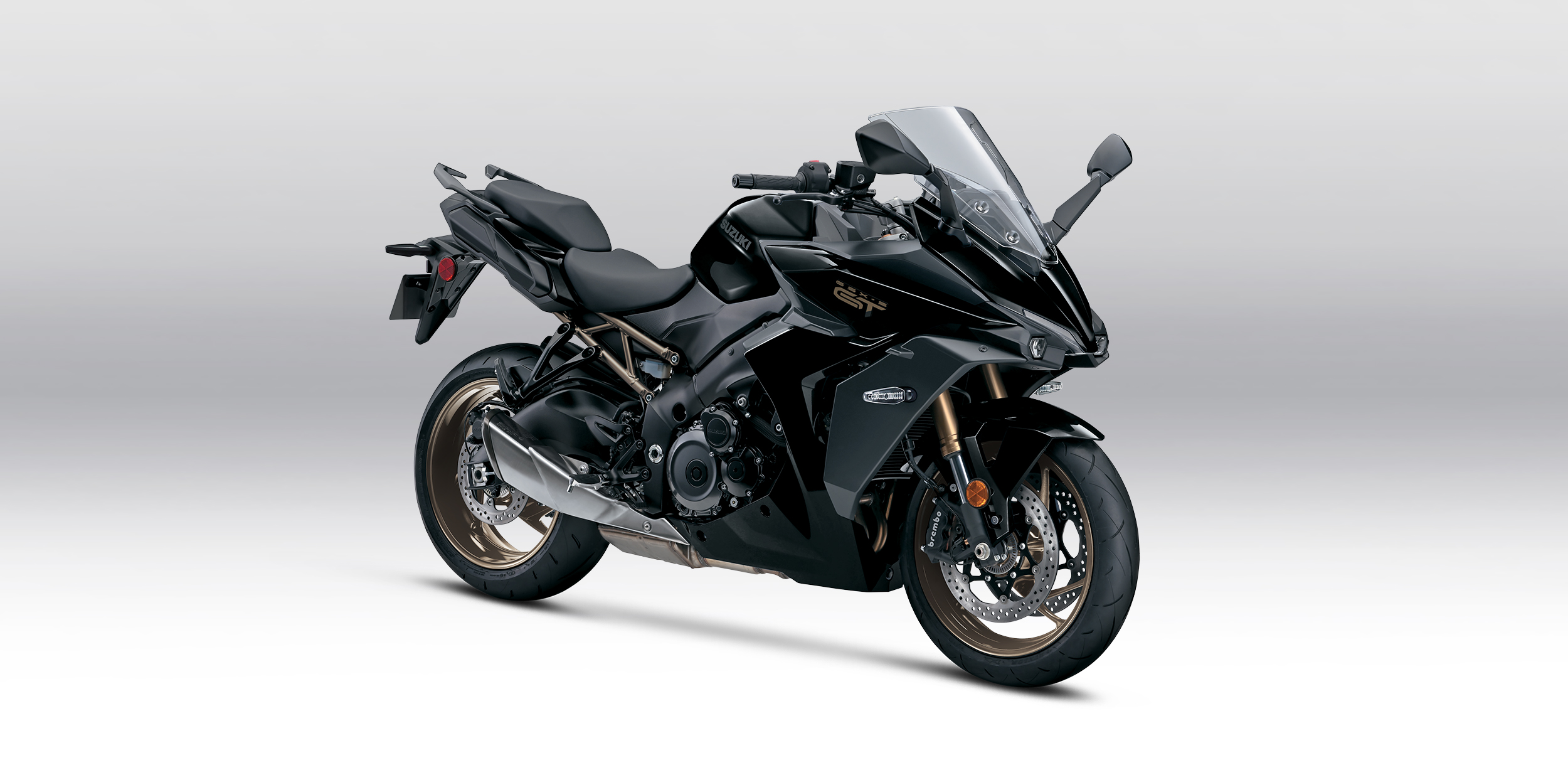
Credit: suzukicycles.com
Frequently Asked Questions Of Motorcycle Rev Matching
Are You Supposed To Rev Match On A Motorcycle?
Yes, rev matching on a motorcycle is recommended when downshifting to ensure a smooth transition between gears and maintain control of the bike.
How Do You Brake And Rev Match A Motorcycle?
To brake and rev match a motorcycle, gently apply both brakes, downshift as you slow down, and lightly twist the throttle to raise the engine RPMs before releasing the clutch smoothly. This synchronizes the engine speed with the lower gear.
Is Rev-matching Good For Engine?
Rev-matching is beneficial for your engine; it smooths out gear changes, reduces wear on the transmission, and enhances the vehicle’s longevity.
Do You Have To Blip The Throttle When Downshifting Motorcycle?
Blipping the throttle while downshifting is not mandatory, but it can help achieve smoother transitions and reduce transmission wear. It matches engine speed to the lower gear.
Triumph Engine Number Identification
Conclusion
Mastering the skill of Motorcycle Rev Matching is crucial for every motorcycle enthusiast. It not only ensures a smoother ride but also protects your gearbox over time. By perfecting this technique, riders can enjoy enhanced control and a more thrilling experience on the road.
Keep practicing Motorcycle Rev Matching, and soon, seamless gear transitions will become second nature.