
Planning your next motorcycle camping trip? One of the most important things you need to get right is your sleeping setup.
Motorcycle camping sounds freeing, but a bad night’s sleep can ruin the whole trip. If you’ve ever woken up cold, sore, or exhausted on the road, you already know why choosing the right sleep gear matters. This Sleeping Mat And Bag Guide For Motorcycle Camping is for riders who want comfort without sacrificing pack space.
You need gear that stays warm, packs small, and handles changing weather. But with so many mats and sleeping bags available, picking the right setup feels overwhelming.
This guide breaks it down in a simple, rider-focused way. You’ll learn how to choose the right mat thickness, insulation, and sleeping bag rating for your trips.
We’ll also cover weight, packability, and real-world comfort. By the end, you’ll know exactly what to buy and how to sleep better on every motorcycle camping adventure.
Choosing The Right Sleeping Mat
Choosing the right sleeping mat is a key step for a good night’s rest during motorcycle camping. Your sleeping mat affects comfort, warmth, and how much space you have on your bike. Picking the right one helps you stay cozy, saves weight, and fits well with your camping gear. This guide covers the main points to consider for selecting a sleeping mat that suits your motorcycle trip.
Types Of Sleeping Mats
Sleeping mats come in several types, each with different benefits and uses. Knowing these types helps you pick one that fits your camping style.
- Foam Mats: Made of closed-cell foam, these mats are light and durable. They do not puncture easily and provide good insulation. Foam mats are cheaper but bulkier.
- Self-Inflating Mats: These mats have foam inside and an air valve. When you open the valve, the mat fills with air automatically. They offer good comfort and insulation but weigh more than foam mats.
- Air Mats: Fully inflatable mats that pack small and are very light. They offer excellent comfort but can be fragile and need careful handling to avoid punctures.
Here is a simple comparison table:
| Type | Weight | Pack Size | Durability | Comfort | Insulation | Cost |
|---|---|---|---|---|---|---|
| Foam Mats | Light | Large | High | Medium | Good | Low |
| Self-Inflating Mats | Medium | Medium | Medium | Good | Good | Medium |
| Air Mats | Very Light | Small | Low | High | Varies | High |
Size And Weight Considerations
Motorcycle camping means limited space and weight capacity. Your sleeping mat must fit your bike and not add too much load.
Choose a mat that matches your body size. Most mats come in standard widths and lengths. A mat too small will be uncomfortable. Too large, and it will be hard to pack.
Weight is critical. Heavy mats make riding harder and reduce fuel efficiency. Aim for mats under 2 pounds if possible.
- Length: Should be at least as long as your height.
- Width: Wide enough to lie comfortably, usually 20-25 inches.
- Thickness: Thicker mats offer more comfort but weigh more.
Consider how the mat packs. Mats that roll into a small size save space on your motorcycle. Self-inflating and air mats usually pack smaller than foam mats.
Use straps or bags to attach the mat securely to your bike. Ensure it does not block lights or other gear.
Insulation And Comfort Levels
Sleeping on cold, hard ground can ruin your camping trip. Insulation and comfort are important for a good rest.
Insulation is measured by the R-value. It shows how well the mat keeps you warm by blocking ground cold. Mats with R-values from 2 to 5 suit most motorcycle camping trips.
Choose higher R-values for cold weather. Lower R-values work in warm seasons.
Comfort depends on thickness and material. Thicker mats cushion your body better. Foam mats offer firm support, while air mats can feel softer.
Some mats have special surfaces to reduce slipping and improve comfort. Look for these features if you move a lot in your sleep.
Here are tips to improve comfort and warmth:
- Pick mats with R-value matching your climate.
- Use a pillow or pack clothes as a headrest.
- Lay a groundsheet under the mat for extra protection.
- Test the mat before your trip to ensure comfort.
Credit: www.forummagazine.org
Selecting A Sleeping Bag
Selecting a sleeping bag is a key part of motorcycle camping. It affects your comfort and rest after a long day on the road. A good sleeping bag keeps you warm, fits your style, and packs small for easy carrying. Choosing the right bag means thinking about shape, temperature, and materials. These factors help you pick a bag that suits your trip and weather conditions.
Sleeping Bag Shapes
Sleeping bags come in different shapes to fit different needs and preferences. The shape affects warmth, weight, and how much space the bag takes in your pack.
- Mummy Shape: Tight fit around the body and tapered at the feet. This shape keeps heat close and is very warm. It is lighter and packs smaller, perfect for cold weather and long trips.
- Rectangular Shape: More room to move inside. It feels more like a regular blanket. Best for warm weather or if you want more comfort. It is heavier and takes more space in your pack.
- Semi-Rectangular (Barrel) Shape: A mix between mummy and rectangular. Offers more space than mummy but keeps better warmth than rectangular. Good for three-season camping.
Here is a quick comparison table:
| Shape | Warmth | Weight | Pack Size | Comfort |
|---|---|---|---|---|
| Mummy | High | Light | Small | Less room |
| Rectangular | Low | Heavy | Large | More room |
| Semi-Rectangular | Medium | Medium | Medium | Good balance |
Temperature Ratings
Temperature ratings tell you how cold it can be for a sleeping bag to still keep you warm. Understanding these ratings helps avoid getting too cold or carrying extra weight.
Sleeping bags usually have three ratings:
- Comfort Rating: The lowest temperature where a woman can sleep comfortably.
- Limit Rating: The lowest temperature where a man can sleep without feeling cold.
- Extreme Rating: The lowest temperature where the bag will keep you alive but not comfortable.
For motorcycle camping, pick a sleeping bag with a comfort rating close to the expected night temperature. Carrying a bag rated too cold adds weight and bulk. A bag rated too warm may not keep you comfortable at night.
Here is a simple guide for temperature ratings and seasons:
| Temperature Rating | Best Use |
|---|---|
| Above 50°F (10°C) | Summer camping |
| 32°F to 50°F (0°C to 10°C) | Spring and fall |
| Below 32°F (0°C) | Winter or cold weather |
Materials And Durability
Sleeping bag materials affect warmth, weight, and how long the bag lasts. Choose materials that fit your climate and riding style.
Insulation Types:
- Down: Very warm and light. Compresses small for packing. Loses warmth when wet. Needs a dry environment or waterproof cover.
- Synthetic: Less expensive and stays warm when wet. Usually heavier and bulkier than down. Good for wet or humid areas.
Shell Materials: The outer fabric must resist tears and dirt. Common materials include:
Nylon– Lightweight and strong.Polyester– Durable and water-resistant.Ripstop fabrics– Extra tear resistance.
Check for features like reinforced stitching and durable zippers. These add to the bag’s lifespan and reliability on the road.
Use this checklist to assess materials and durability:
- Is insulation suited for your climate?
- Does outer fabric resist wear and moisture?
- Are zippers and seams strong and smooth?
- Is the bag easy to clean and maintain?
Packing Tips For Motorcycle Camping
Packing smart is key for motorcycle camping. Space is tight, so every item must earn its place. Your sleeping mat and bag are essential for a good night’s rest. Packing them right makes your trip more comfortable and stress-free. This section shares tips on packing these items efficiently and safely.
Compact And Lightweight Options
Choosing compact and lightweight gear saves space and reduces bike weight. Look for sleeping mats and bags made with modern materials that pack small but provide good comfort. Here are some options to consider:
- Inflatable Sleeping Mats: Inflate to a thick, comfortable mat. Deflate and roll up small.
- Foam Mats: Very light and durable. Usually bulkier but can be strapped outside the bike.
- Down Sleeping Bags: Compress well and weigh less than synthetic ones.
- Synthetic Sleeping Bags: Bulkier but dry faster and handle moisture better.
Use this table to compare common features:
| Type | Weight | Pack Size | Comfort | Cost |
|---|---|---|---|---|
| Inflatable Mat | Light | Small | High | Medium |
| Foam Mat | Very Light | Large | Medium | Low |
| Down Bag | Light | Small | High | High |
| Synthetic Bag | Medium | Medium | Medium | Medium |
Protecting Gear From Weather
Weather can damage your sleeping gear. Rain or dampness ruins comfort and warmth. Keep gear dry and safe with these tips:
- Use Waterproof Bags: Dry bags or waterproof stuff sacks protect your gear from rain and mud.
- Pack Inside Luggage: Store mats and bags inside hard or soft luggage with waterproof liners.
- Cover Exposed Gear: If strapping outside, cover it with a rain cover or plastic wrap.
- Check Weather Forecasts: Plan packing to avoid heavy rain or wet conditions.
Prevent moisture buildup by airing out sleeping bags during breaks. Never pack damp gear; dry it first. These steps keep your sleeping setup fresh and ready.
Efficient Packing Techniques
Packing efficiently saves space and keeps gear organized. Follow these techniques for your sleeping mat and bag:
- Roll Mats Tightly: Remove air completely and roll mat from one end to the other.
- Compress Sleeping Bags: Use compression sacks to reduce volume by squeezing out air.
- Bundle Similar Items: Pack mats and bags together inside one bag to keep things neat.
- Use Straps and Clips: Attach gear securely to your bike to prevent shifting or loss.
- Place Heavy Items Low: Keep your bike balanced by putting heavier gear low and close to the center.
Use packing cubes or stuff sacks for smaller items inside your sleeping bag or mat bag. This keeps everything compact and easy to find.
Credit: www.madornomad.com
Setting Up Camp With Your Gear
Setting up camp with your motorcycle camping gear is a key part of a good night’s rest. After a long day on the road, having your sleeping mat and bag ready means comfort and warmth. Proper setup helps you recharge for the next ride. This guide covers how to pick the right spot, inflate and arrange your mat, and stay warm all night. Simple steps make your camping experience easier and more relaxing.
Choosing The Best Spot For Sleep
Picking the right spot for your sleeping area is important. It affects your comfort and safety. Look for flat, dry ground to avoid discomfort and dampness. Avoid low areas where water can collect after rain.
- Flat surface: A level spot stops you from sliding or rolling during sleep.
- Dry ground: Keeps your mat and bag from getting wet.
- Safe area: Away from animal paths and unstable trees.
- Wind protection: Use natural barriers like bushes or rocks.
- Close to water: Handy for drinking and cooking but not too close to avoid bugs.
Use this simple table to compare spot features:
| Feature | Ideal Condition | Why It Matters |
|---|---|---|
| Ground Flatness | Level or slightly sloped | Prevents rolling and improves comfort |
| Dryness | Firm, dry soil | Stops moisture from seeping into your gear |
| Shelter | Natural windbreaks | Reduces wind chill and noise |
| Distance from Water | 10-30 meters | Avoids bugs and flooding |
Choose your spot carefully to improve sleep quality and safety.
Inflating And Arranging Your Mat
Proper inflation of your sleeping mat is key for comfort and insulation. Start by laying the mat flat and opening the valve. Blow air in slowly or use a pump bag for faster inflation. Avoid over-inflating, which can cause discomfort.
- Lay the mat on a clean, flat surface.
- Open the valve fully.
- Inflate gently until firm but not hard.
- Close the valve tightly to keep air in.
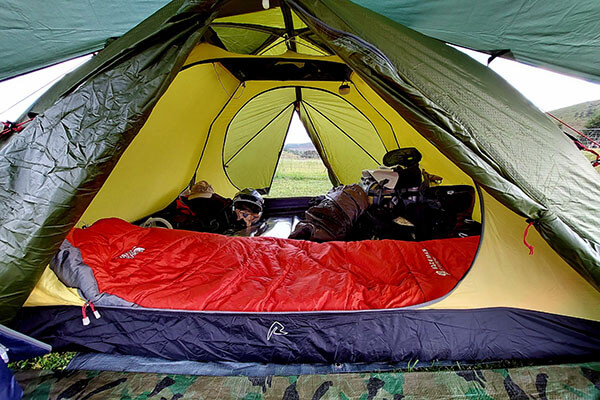
Arrange your mat to fit inside your tent or shelter. Make sure it does not touch sharp objects. Use a groundsheet beneath for extra protection. Position your mat so your head is near the tent door for ventilation.
- Keep the mat away from rocks and sticks.
- Place it on a clean tarp or footprint.
- Align the mat with the tent shape.
- Store your sleeping bag on top for easy access.
Here is a quick checklist for mat setup:
| Step | Action | Tip |
|---|---|---|
| 1 | Lay mat flat | Avoid wrinkles |
| 2 | Inflate mat | Stop when firm |
| 3 | Close valve | Check for leaks |
| 4 | Position mat | Use groundsheet |
Keeping Warm Overnight
Staying warm is essential for a good night’s sleep. Your sleeping bag and mat work together to block cold from the ground and air. Choose a sleeping bag rated for temperatures you expect. Use a mat with good insulation value (R-value) to keep the cold away.
Here are ways to keep warm:
- Layer clothes: Wear thermal or moisture-wicking layers before bed.
- Use a liner: Add a sleeping bag liner for extra warmth.
- Close your tent: Keep wind and drafts out.
- Eat a warm snack: Boosts body heat before sleep.
- Keep hydrated: Dehydration makes you feel colder.
Place your sleeping bag inside the tent on top of the inflated mat. Avoid gaps between the bag and mat where cold air can enter. Use a beanie or hat to reduce heat loss from your head.
Compare common R-values and temperature ratings in this table:
| R-Value (Mat Insulation) | Temperature Range | Use Case |
|---|---|---|
| 1.0 – 2.0 | Above 50°F (10°C) | Summer camping |
| 2.0 – 3.5 | 20°F to 50°F (-6°C to 10°C) | Spring/Fall camping |
| 3.5+ | Below 20°F (-6°C) | Winter camping |
Proper preparation helps you stay warm and comfortable all night long.
Maintaining And Caring For Your Gear
Proper maintenance and care of your sleeping mat and bag greatly improves their performance and durability. Motorcycle camping gear faces rough conditions, dirt, and moisture. Keeping your mat and bag clean, stored well, and repaired quickly ensures they stay comfortable and reliable for every trip. Simple habits prevent damage and save money over time. Caring for your gear also keeps it fresh and hygienic, making your camping experience more pleasant.
Cleaning Sleeping Mats And Bags
Regular cleaning removes dirt, sweat, and oils that break down materials. Avoid harsh detergents that can damage fabrics or insulation. Use gentle soap and lukewarm water instead. Follow these steps for cleaning:
- Empty all pockets and shake out loose debris.
- Spot clean stains with mild soap and a soft brush or cloth.
- For mats, wipe with a damp cloth or rinse in a tub if very dirty.
- For sleeping bags, hand wash in a bathtub or large basin with gentle soap.
- Rinse thoroughly to remove all soap residues.
- Do not wring or twist. Press water out gently.
- Air dry flat or hang in shade. Avoid direct sunlight.
Machine washing may be allowed but check the manufacturer’s label. Use a front-loading washer on a gentle cycle if permitted. Dryers can harm insulation, so air drying is best. Clean gear not only lasts longer but also stays comfortable and odor-free.
Storage Tips To Extend Lifespan
Proper storage preserves loft and material strength. Compression sacks can damage insulation if used for long-term storage. Instead, store your sleeping bag and mat loosely. Follow these tips:
| Storage Tip | Reason |
|---|---|
| Store in a large breathable bag or cotton sack | Allows air circulation and keeps insulation fluffy |
| Keep gear dry and away from direct sunlight | Prevents mold growth and UV damage |
| Store in a cool, dry place | Reduces material degradation |
| Do not store compressed for months | Maintains insulation loft and comfort |
Regularly air out your gear to keep it fresh. Avoid damp basements or garages. Proper storage keeps your mat and bag ready for the next ride.
Repairing Minor Damages
Small tears or holes can worsen quickly without repair. Fixing minor damage early saves your gear and keeps it functional. Keep a repair kit handy on trips. Here are common fixes:
- Patching holes: Use self-adhesive patches designed for mats or bags.
- Sealing seams: Apply seam sealer to stop leaks or drafts.
- Replacing zippers: Lubricate or swap damaged zippers to keep bags closing properly.
- Stitching tears: Sew fabric tears with strong thread and a needle.
Perform repairs on clean, dry surfaces. Follow patch instructions carefully for best results. Repair kits often include patches, glue, needles, and thread. Quick fixes prevent dirt or moisture from entering and extend gear life. Carrying a small kit on motorcycle trips is wise.
Credit: motocampnerd.com
FAQs Sleeping Mat And Bag Guide For Motorcycle Camping
What Is The Best Sleeping Mat For Motorcycle Camping?
The best sleeping mat is lightweight, compact, and durable. It offers good insulation and comfort on rough terrain. Inflatable mats with high R-value are ideal for warmth and packing ease.
How To Choose A Sleeping Bag For Motorcycle Camping?
Choose a sleeping bag based on temperature rating, weight, and size. Opt for synthetic or down insulation for warmth. Compression sacks help save space on your bike.
Can I Use A Regular Sleeping Bag For Motorcycle Trips?
Yes, but regular sleeping bags may be bulky and less insulated. Motorcycle camping bags are designed to be compact, lightweight, and weather-resistant for convenience and comfort.
How To Pack Sleeping Gear Efficiently On A Motorcycle?
Use compression sacks to minimize space. Secure gear under the seat or saddlebags. Distribute weight evenly for balance and easy access during your trip.
Conclusion
Choosing the right sleeping mat and bag makes camping better. Comfort helps you rest after a long motorcycle ride. A good mat keeps you warm and dry on rough ground. A proper sleeping bag fits your needs and weather. Pack light and pick gear that saves space.
This guide helps you enjoy your trip more. Sleep well, ride safe, and explore with confidence. Camping feels easier with the right gear by your side.