
Smoke coming from under hood but not overheating often indicates an oil leak or electrical issue. Immediate attention is required to prevent further damage.
Seeing smoke from under your car’s hood can be alarming. Despite the absence of overheating, this smoke can signal underlying problems. Common causes include oil leaks dripping onto hot engine parts or malfunctioning electrical components. Oil leaks can burn on the engine, creating smoke without raising the temperature gauge.
Electrical issues might cause wiring to heat up and produce smoke. Ignoring these signs can lead to more serious damage. It’s essential to address the issue promptly to avoid costly repairs. Have a professional mechanic inspect your vehicle to diagnose and fix the problem efficiently. Regular maintenance can prevent such issues from arising.
Common Causes
Smoke coming from under the hood can be alarming. It doesn’t always mean the engine is overheating. Knowing the common causes can help you identify and fix the problem.
Leaking Fluids
Leaking fluids are a common cause of smoke. Oil leaks can drip onto hot engine parts. This causes smoke. Coolant leaks can also cause steam, which looks like smoke. Check for puddles under your car. Also, inspect hoses and seals for damage.
Electrical Issues
Electrical problems can cause smoke too. Worn-out wires or faulty connections can overheat. This leads to burning insulation. Check the wiring for any visible damage. Ensure all connections are tight and secure.
Burning Debris
Sometimes, debris like leaves or paper can get stuck in the engine bay. When these items touch hot parts, they burn and produce smoke. Inspect the engine bay regularly. Remove any debris you find to prevent this issue.
| Cause | Description | Signs |
|---|---|---|
| Leaking Fluids | Oil or coolant dripping on hot parts | Puddles, damaged hoses or seals |
| Electrical Issues | Overheating wires or faulty connections | Burning smell, damaged wiring |
| Burning Debris | Leaves or paper touching hot parts | Visible debris in engine bay |
Identifying The Smoke
Seeing smoke from under the hood can be alarming. It’s important to identify the smoke to prevent damage. This guide helps you understand the color and smell of the smoke. It gives you clues on what might be wrong.
Color Of Smoke
The color of the smoke is a big clue. Each color means something different. Here’s a quick guide:
| Smoke Color | Possible Cause |
|---|---|
| White | Coolant leak |
| Blue | Oil leak |
| Black | Fuel burning |
White smoke often means a coolant leak. This could be from the radiator or hoses. Blue smoke suggests an oil leak. This might come from the engine or a gasket. Black smoke indicates fuel burning. This could be due to a fuel injector or a clogged air filter.
Smell Of Smoke
The smell of the smoke can also help identify the problem. Here are some common smells and their meanings:
- Sweet smell: Coolant leak
- Burning oil smell: Oil leak
- Gasoline smell: Fuel system issue
- Burning rubber smell: Belt or hose issue
A sweet smell usually means coolant is leaking. A burning oil smell points to an oil leak. If you smell gasoline, there might be a fuel system issue. A burning rubber smell can indicate a problem with a belt or hose.
Knowing the color and smell of the smoke helps you identify the issue. This can prevent further damage and costly repairs.
Safety Precautions

Credit: www.youtube.com
Seeing smoke coming from under the hood can be alarming. Even if your car isn’t overheating, safety should be your first concern. Follow these safety precautions to protect yourself and your vehicle.
Immediate Actions
When you notice smoke, pull over immediately. Turn off the engine to prevent further damage. Open the hood carefully to inspect the situation. Stay clear of any moving parts.
- Move to a safe location.
- Turn on hazard lights.
- Turn off the engine.
- Wait for the smoke to clear.
After stopping, check for any visible leaks or damaged parts. Use a flashlight if necessary. Don’t touch hot surfaces.
When To Call For Help
If you can’t identify the source of the smoke, call for help. Contact a roadside assistance service or a trusted mechanic. Always keep their numbers handy.
- If the smoke is thick or has a strong smell, it’s serious.
- If you see any flames, call emergency services immediately.
- If you’re unsure what to do, seek professional help.
Use your phone to document the situation. This can help the mechanic diagnose the issue faster.
| Situation | Action |
|---|---|
| Thick smoke | Call for professional help |
| Flames visible | Call emergency services |
| Uncertain about the problem | Contact a mechanic |
Remember, safety comes first. Always stay calm and follow these steps to handle the situation safely.
Inspecting The Engine
Seeing smoke coming from under your car hood can be alarming. Even if the engine is not overheating, it’s essential to inspect the engine. This guide will help you identify the cause of the smoke. Follow these steps to ensure your engine is safe.
Checking For Leaks
Leaking fluids often cause smoke. Check your engine for any visible leaks. Look under the car to spot any puddles. Fluids like oil, coolant, and transmission fluid can leak. Even small leaks can cause smoke when they hit hot engine parts.
Here’s a quick checklist:
- Inspect oil levels and look for drips around the engine.
- Check the coolant reservoir and radiator for any leaks.
- Look at the transmission fluid level and its condition.
Use a flashlight to get a better view under the hood. If you see any leaks, fix them immediately to prevent further damage.
Inspecting Electrical Components
Electrical issues can also cause smoke. Inspect the wiring and electrical components under the hood. Pay attention to any burnt smells or visible damage.
Inspect these areas:
- Check the battery terminals for corrosion or loose connections.
- Look at the wiring harness for any signs of wear or damage.
- Inspect the alternator and starter motor for any faults.
Use a multimeter to check for proper voltage. Replace any damaged wires or components to avoid electrical fires.
By checking for leaks and inspecting electrical components, you can identify the cause of the smoke. Ensure your engine remains in good condition and prevent future issues.
Diy Solutions
Credit: carfromjapan.com
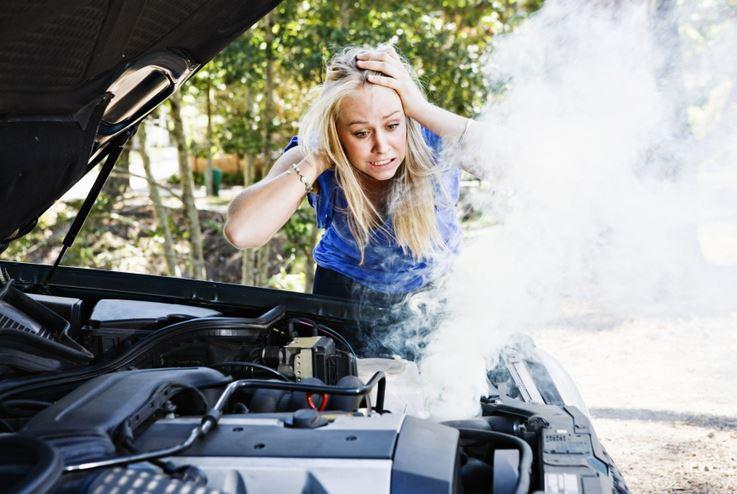
Seeing smoke coming from under the hood can be alarming. If your engine is not overheating, there are several DIY solutions. These can help you address minor problems and prevent bigger issues.
Fixing Minor Leaks
Minor leaks are a common cause of smoke under the hood. Identify the source of the leak. It could be oil, coolant, or transmission fluid. Here’s how you can address minor leaks:
- Oil Leaks: Check the valve cover gasket and oil pan gasket. Tighten any loose bolts. Replace worn-out gaskets.
- Coolant Leaks: Inspect hoses and the radiator. Look for cracks or holes. Use a sealant for small punctures. Replace damaged hoses.
- Transmission Fluid Leaks: Examine the transmission pan and seals. Tighten bolts and replace damaged seals. Use transmission fluid stop-leak products.
Cleaning The Engine Bay
A dirty engine bay can cause smoke. Oil and grime can burn, producing smoke. Regular cleaning can prevent this.
- Preparation: Allow the engine to cool. Disconnect the battery.
- Cover Sensitive Parts: Use plastic bags to cover the alternator, air intake, and electrical components.
- Degrease: Spray a degreaser on the engine. Focus on oily areas. Let it sit for a few minutes.
- Scrub and Rinse: Use a brush to scrub off grime. Rinse with a low-pressure hose.
- Dry: Use a clean cloth to dry the engine bay. Remove the plastic covers.
Cleaning the engine bay can reduce smoke issues. It also helps in spotting new leaks.
Professional Repairs
Experiencing smoke from under the hood but no overheating? This issue needs immediate attention. Professional repairs can ensure your car remains safe and reliable.
When To Visit A Mechanic
Smoke from under the hood can signal various issues. Some may be minor, but others can be serious. It’s important to know when to visit a mechanic.
- Smoke color: White, blue, or black smoke can indicate different problems.
- Smell: Burning oil, coolant, or electrical smells can be warning signs.
- Visible leaks: Check for leaks under the car or on engine parts.
- Warning lights: Pay attention to dashboard warning lights.
Estimated Costs
Understanding estimated costs helps you plan for repairs. Costs can vary based on the issue and car model. Here is a general guide:
| Issue | Estimated Cost |
|---|---|
| Oil leak repair | $100 – $300 |
| Coolant system repair | $150 – $800 |
| Electrical issue repair | $50 – $200 |
| Engine repair | $500 – $4,000 |
Always get multiple quotes. Choose a reputable mechanic for the best service. Quality repairs ensure your car’s longevity and your safety.
Preventive Maintenance
Preventive maintenance helps avoid smoke from under the hood. Regular check-ups can save you from expensive repairs. Let’s explore how to keep your car in top shape.
Regular Inspections
Regular inspections are key to car health. Look under the hood often. Check for leaks, cracks, or loose connections. These small checks can prevent smoke issues.
Use a flashlight to see better. Ensure all belts are tight. Examine hoses for any wear. If you spot anything unusual, fix it right away.
| Inspection Item | What to Check |
|---|---|
| Belts | Look for cracks or fraying |
| Hoses | Ensure no leaks or bulges |
| Connections | Check for tightness and corrosion |
Routine Fluid Checks
Routine fluid checks are essential. Fluids keep your car running smoothly. Low or dirty fluids can cause smoke. Check these fluids regularly:
- Engine oil
- Coolant
- Brake fluid
- Transmission fluid
- Pull out the dipstick to check oil.
- Look at the coolant level in the reservoir.
- Check the brake fluid level at the master cylinder.
- Inspect the transmission fluid with the dipstick.
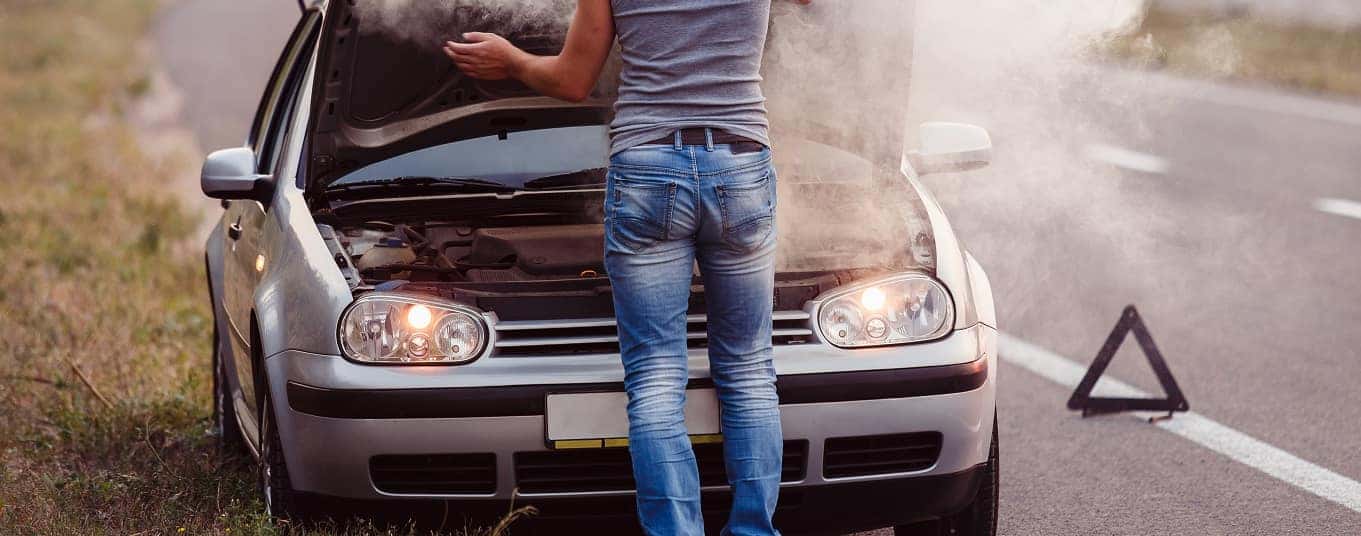
Top off any low fluids. Replace dirty fluids. Clean fluids help keep your engine cool and smoke-free.
Credit: www.hondaboardwalk.com
Understanding Warnings
Seeing smoke coming from under your car’s hood can be alarming. But if your car isn’t overheating, understanding the warning signs is crucial. Knowing what to look for can help prevent further damage. Here, we’ll break down key indicators and sounds to watch for.
Dashboard Indicators
Your car’s dashboard is like its brain. It tells you what’s wrong. Pay attention to any warning lights. Here are some common indicators:
- Check Engine Light: This light can signal many issues. If it’s on, something needs checking.
- Oil Pressure Light: Low oil pressure can cause engine problems. This light means your oil levels are low.
- Battery Light: This light means there’s a charging issue. Your car battery might be failing.
Unusual Sounds
Sounds can tell you a lot about your car’s health. Listen for any strange noises:
- Squealing: This sound often comes from the belt. It might need replacing.
- Grinding: This could be a sign of brake issues. Check your brake pads.
- Hissing: A hissing sound could mean a leak. It might be coolant or oil.
Understanding these warnings can save you from costly repairs. Always pay attention to what your car is telling you.
Frequently Asked Questions about smoke coming from under hood but not overheating
Why Is Smoke Coming From Under My Car’s Hood?
Smoke can come from oil leaks, coolant leaks, or electrical problems. Check for fluid leaks or damaged wiring.
Can I Drive If Smoke Is Coming From My Hood?
It’s risky to drive with smoke under the hood. Stop the car and investigate immediately to avoid severe damage.
What Should I Do If I See Smoke Under My Hood?
Pull over safely and turn off your engine. Wait for the engine to cool before inspecting the cause.
How Can I Prevent Smoke From Under My Hood?
Regular maintenance helps prevent smoke. Check for fluid leaks, replace worn-out parts, and monitor engine health.
Conclusion
Addressing smoke coming from under hood but not overheating is crucial. Check for oil leaks and inspect hoses regularly. Regular maintenance helps prevent costly repairs. Stay vigilant and consult a mechanic if unsure. Keeping your vehicle in top shape ensures safety and longevity.
Always prioritize addressing any unusual smoke coming from under the hood but not overheating promptly.