
CC stands for cubic centimeters in engine terminology. It measures engine size or capacity.
Understanding What Does Cc Stand for Engine helps you know engine performance. Engines with higher CC usually deliver more power and speed. This measurement is crucial when comparing different vehicles or considering upgrades. Knowing what CC stands for in an engine can guide you in making informed decisions.
Whether you are a car enthusiast or just curious, this term is essential. Let’s dive into what CC stands for in an engine and why it matters. You’ll find this knowledge useful next time you shop for a vehicle or discuss engine specs.
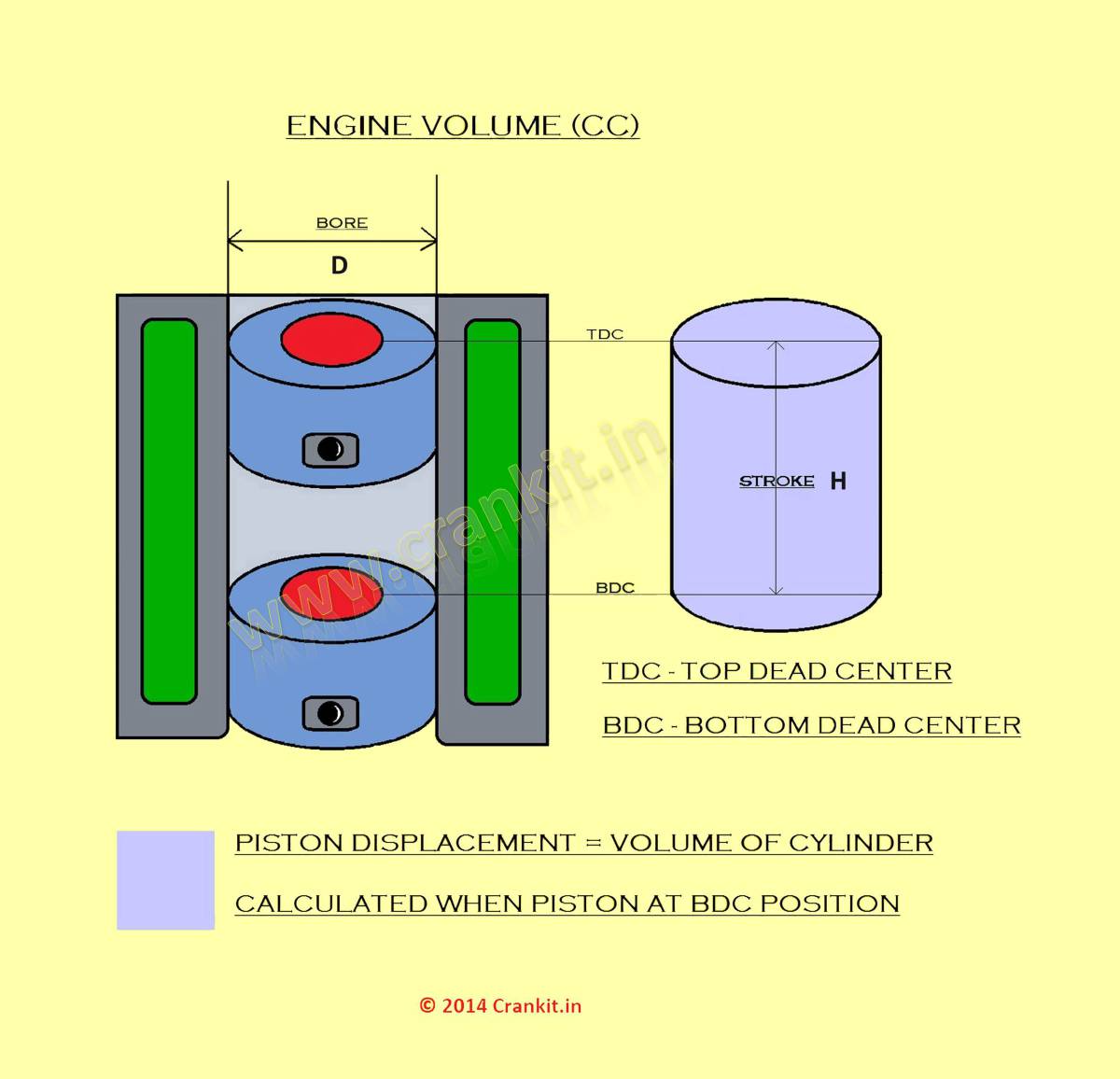
Credit: carbiketech.com
Introduction To Engine Displacement
Engine displacement, often denoted as cc, is a crucial term in the automotive world. It stands for cubic centimeters, and it measures the volume of all the cylinders in an engine. This measurement affects the power, efficiency, and fuel consumption of a vehicle. Understanding engine displacement helps you make better decisions when choosing a car.
Importance Of Engine Displacement
Engine displacement plays a significant role in a vehicle’s performance. A larger displacement typically means more power. It can also affect fuel consumption. Engines with higher displacement usually consume more fuel. This is because they need more fuel to fill the larger cylinders. However, they can offer better acceleration and towing capabilities.
Basic Concepts
Understanding the basics of engine displacement is essential. Here are some key points:
- Volume Measurement: Displacement is measured in cubic centimeters (cc) or liters.
- Cylinder Count: The total volume of all cylinders in an engine is summed up to get the displacement.
- Engine Size: Smaller engines often have lower displacement, making them fuel-efficient.
- Performance: Larger engines usually mean higher power output, but also higher fuel consumption.
Consider engine displacement when buying a vehicle. It affects both performance and fuel efficiency.
| Displacement (cc) | Vehicle Type | Performance |
|---|---|---|
| 1000 – 1500 | Compact Cars | Fuel-efficient, moderate power |
| 1500 – 2000 | Sedans | Balanced performance |
| 2000+ | SUVs, Trucks | High power, more fuel consumption |
Engine displacement impacts the driving experience significantly. Choose wisely based on your needs.

Credit: www.carsguide.com.au
What Is Cc In Engines?
Understanding CC in engines is crucial for car enthusiasts. CC stands for cubic centimeters. It measures the engine capacity or volume. This metric indicates how much fuel and air the engine can compress. Let’s dive deeper into the meaning and role of CC in engines.
Definition Of Cc
CC, or cubic centimeters, is a unit of measurement. It represents the displacement volume of an engine’s cylinders. For example, an engine with 1000 CC has a total cylinder volume of 1000 cubic centimeters. The higher the CC, the larger the engine size. This means more power and torque.
Role Of Cc In Engines
The CC value plays a key role in engine performance. Here are some important points to consider:
- Fuel Consumption: Higher CC engines consume more fuel.
- Power Output: Engines with higher CC usually produce more power.
- Torque: Higher CC can result in better torque, which is crucial for acceleration.
| CC Range | Typical Uses |
|---|---|
| 50-250 CC | Motorcycles, Scooters |
| 1000-2000 CC | Small Cars, Compact SUVs |
| 2000-4000 CC | Sports Cars, SUVs, Trucks |
In summary, understanding the CC of an engine helps in choosing the right vehicle for your needs. It’s an essential factor in determining performance and efficiency.
How Engine Displacement Is Measured
Understanding engine displacement is key to grasping engine performance. Engine displacement, often referred to as “cc” (cubic centimeters), indicates the volume of air and fuel a car’s cylinders can draw in during one cycle. This measurement helps in comparing engine sizes and estimating power output. Let’s explore how engine displacement is measured.
Measurement Techniques
Engine displacement is calculated using the bore (diameter of the cylinder) and stroke (distance the piston travels). The formula is:
Displacement = π/4 × Bore² × Stroke × Number of Cylinders
This formula gives the volume of one cylinder. Multiply by the number of cylinders for the total displacement.
Bore and stroke are usually measured in millimeters. Accurate measurement tools are essential for precision.
Units Used
Engine displacement is commonly expressed in cubic centimeters (cc). For larger engines, manufacturers use liters (L). One liter equals 1,000 cubic centimeters.
- 1,000 cc = 1 L
- 1,500 cc = 1.5 L
- 2,000 cc = 2 L
In some regions, engine displacement might be stated in cubic inches (ci). This unit is less common but still used in certain contexts.
| Unit | Equivalent |
|---|---|
| 1 cc | 0.001 L |
| 1 L | 1,000 cc |
| 1 ci | 16.387 cc |
These units help standardize engine displacement measurements, making it easier to compare different engines.
Impact Of Cc On Performance
The term CC in an engine stands for cubic centimeters. It measures the engine’s capacity or volume. The higher the CC, the larger the engine’s size and power. Let’s explore the impact of CC on performance.
Power Output
A higher CC often means more power. This is because a larger engine can burn more fuel and air. This process creates more energy and power. For example, a 1000cc engine will generally be more powerful than a 500cc engine.
Here’s a simple comparison:
| Engine CC | Power Output |
|---|---|
| 500cc | Moderate power |
| 1000cc | High power |
So, if you need a vehicle for speed or towing, a higher CC engine is better.
Fuel Efficiency
While high CC engines provide more power, they consume more fuel. A larger engine needs more fuel to operate. This means lower fuel efficiency.
Consider this:
- Small engines (low CC) use less fuel.
- Large engines (high CC) use more fuel.
Therefore, if you want to save on fuel, choose a vehicle with a smaller engine.
In summary, CC affects both power output and fuel efficiency. Understanding this helps in making better vehicle choices.
Cc And Engine Types
The term “cc” in engine terminology stands for cubic centimeters. It measures the engine’s displacement. This means the volume of the cylinder where the fuel and air mix and burn. Engine displacement affects power and fuel efficiency. Different engine types have varying cc ranges. Let’s explore small and large engines in detail.
Small Engines
Small engines usually have a displacement below 500cc. They are common in motorcycles, scooters, and lawnmowers. These engines are lightweight and fuel-efficient. They offer enough power for daily commuting or light tasks.
Key features of small engines:
- Lower fuel consumption
- Less power but sufficient for light tasks
- Compact and easy to maintain
- Ideal for short-distance travel
A table showing different small engine examples:
| Engine Type | Displacement (cc) | Common Uses |
|---|---|---|
| Scooter Engine | 50-250 | City commuting |
| Lawnmower Engine | 100-200 | Garden maintenance |
| Motorcycle Engine | 150-400 | Daily rides |
Large Engines
Large engines have a displacement above 500cc. They are found in cars, trucks, and high-performance motorcycles. These engines offer more power and speed. They are suitable for long-distance travel and heavy-duty tasks.
Key features of large engines:
- Higher fuel consumption
- More power and torque
- Suitable for long-distance and heavy-duty use
- More complex and require regular maintenance
A table showing different large engine examples:
| Engine Type | Displacement (cc) | Common Uses |
|---|---|---|
| Car Engine | 1000-5000 | Personal and commercial transport |
| Truck Engine | 3000-15000 | Heavy-duty transport |
| High-Performance Motorcycle Engine | 600-2000 | Sport and racing |
Choosing The Right Cc For Your Vehicle
Understanding what CC stands for in an engine can help you choose the right vehicle. The engine’s cubic capacity (CC) affects the performance and efficiency of your vehicle. Let’s explore the key factors to consider when selecting the appropriate CC for your needs.
Factors To Consider
Several factors influence the choice of engine CC. Here are some important considerations:
- Fuel Efficiency: Smaller CC engines often use less fuel.
- Power and Performance: Larger CC engines provide more power.
- Maintenance Costs: Higher CC engines may require more maintenance.
- Environmental Impact: Lower CC engines tend to emit fewer pollutants.
Understanding these factors can help you make a well-informed decision.
Vehicle Type And Usage
The type of vehicle and how you plan to use it are crucial in choosing the right CC. Consider the following:
| Vehicle Type | Recommended CC Range |
|---|---|
| Motorcycles | 100cc – 500cc |
| City Cars | 800cc – 1500cc |
| SUVs | 2000cc – 4000cc |
| Sports Cars | 3000cc and above |
For daily commutes in the city, a small car with 800cc to 1500cc is suitable. It balances fuel efficiency and performance. Meanwhile, an SUV with 2000cc to 4000cc is ideal for off-road adventures and family trips.
If you love speed and performance, consider sports cars. They typically feature engines above 3000cc, offering unmatched power and thrill.
Common Misconceptions
Many people misunderstand what cc stands for engine and its implications. CC, or cubic centimeters, measures the engine’s volume. But, several misconceptions cloud the true understanding of this term.
Bigger Cc Means Better Performance
A common belief is that a higher cc engine always means better performance. This isn’t always true. Performance depends on many factors, not just engine size. Let’s break it down:
- Power: A bigger engine can produce more power, but not always.
- Weight: Larger engines are heavier, affecting speed and handling.
- Efficiency: Smaller engines can be more efficient and agile.
So, a bigger cc does not always mean a better-performing vehicle. Other factors like design and technology also play a role.
Cc And Engine Life
Another misconception is that cc directly affects engine life. This is not necessarily true. Engine life depends on several factors:
- Maintenance: Regular care extends an engine’s life.
- Usage: How you use the engine matters. Frequent high speeds can wear it out faster.
- Build Quality: High-quality parts last longer, regardless of cc.
In summary, while cc can indicate engine capacity, it’s not the sole determinant of performance or longevity. Understanding these nuances can help you make better-informed decisions.
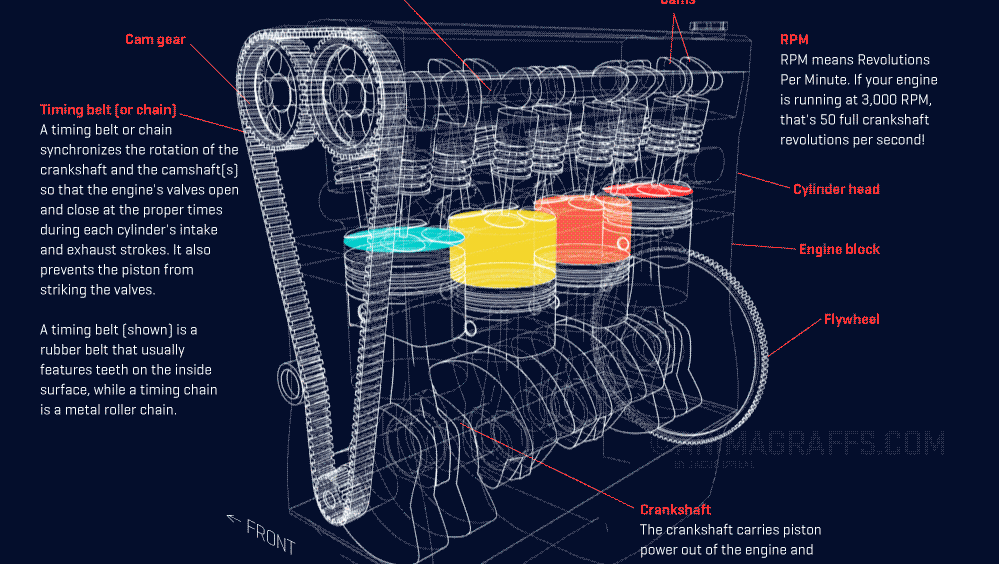
Credit: www.pakwheels.com
Future Of Engine Displacement
The future of engine displacement is a fascinating topic. It revolves around the concept of cubic centimeters (cc), which measure engine size. As technology advances, engine displacement is evolving rapidly. This evolution brings new innovations and challenges.
Innovations In Engine Design
Engine design has seen significant changes. Engineers are creating smaller yet powerful engines. These engines offer better performance and fuel efficiency. Some innovations include:
- Turbocharging: Increases engine power without increasing size.
- Direct fuel injection: Improves fuel efficiency and reduces emissions.
- Variable valve timing: Enhances engine performance and efficiency.
Environmental Impact
Environmental concerns are driving changes in engine design. Smaller engines produce fewer emissions. This helps in reducing pollution. Governments are setting stricter emission standards. These standards push manufacturers to innovate.
Electric and hybrid engines are also gaining popularity. They offer a cleaner alternative to traditional engines. The shift to electric vehicles (EVs) is significant. It reduces the reliance on fossil fuels.
The table below summarizes the impact of different engine types:
| Engine Type | Emissions | Fuel Efficiency |
|---|---|---|
| Gasoline | High | Moderate |
| Diesel | Moderate | High |
| Hybrid | Low | High |
| Electric | None | Very High |
Frequently Asked Questions
What Does Cc Mean In An Engine?
Cc stands for cubic centimeters. It measures the engine’s displacement. Higher cc usually means more power.
How Is Engine Cc Calculated?
Engine cc is calculated by measuring the volume of all cylinders. It’s the total capacity of the engine.
Why Is Engine Cc Important?
Engine cc indicates the engine’s power potential. More cc often means better performance and higher speed.
Does Higher Cc Mean Better Fuel Efficiency?
Not necessarily. Higher cc engines can consume more fuel. However, they provide better power and performance.
Conclusion
Understanding “cc” in engine terms helps you make informed vehicle choices. It represents engine capacity. Higher “cc” usually means more power. But fuel efficiency might decrease. Always consider your driving needs. Balance power and efficiency for the best experience. Knowing these basics can guide your next vehicle purchase.
Choose wisely for your lifestyle and budget.