
Motorcycle helmets save lives. They protect riders from severe injuries.
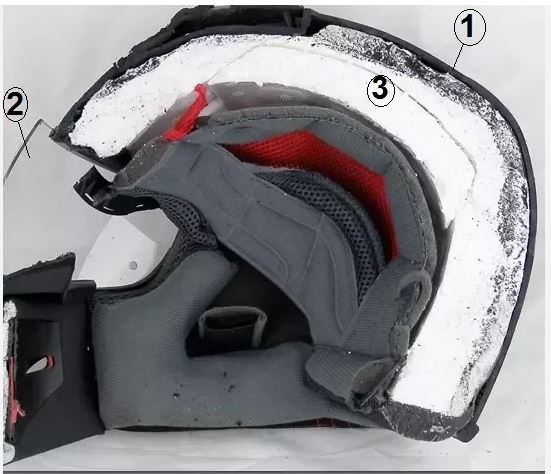
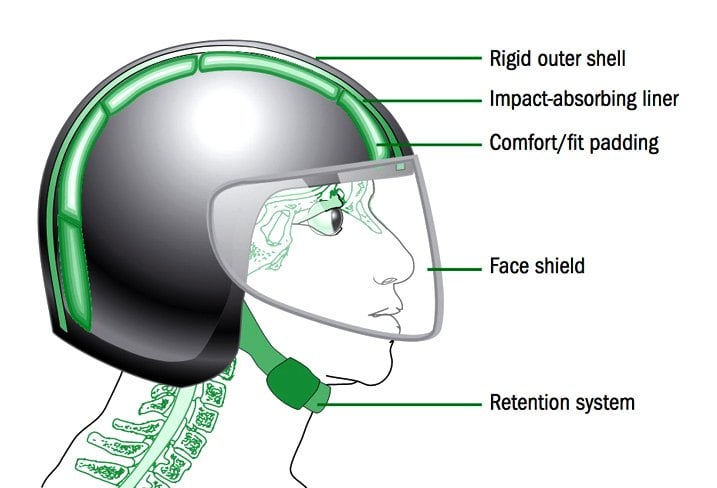
But what are they made of? What is a motorcycle helmet made of? Motorcycle helmets are crafted from various materials to ensure maximum safety and comfort. The outer shell is often made of fiberglass, carbon fiber, or polycarbonate. These materials are strong and lightweight. Inside, there’s a foam layer, typically made from Expanded Polystyrene (EPS).
This foam absorbs impact. Additionally, helmets have a comfort layer. This layer, made from soft padding, ensures a snug fit for the rider. Each material plays a crucial role in protecting the rider’s head. Understanding these components helps in choosing the right helmet. In this blog, we’ll dive deeper into the materials used in motorcycle helmets and their specific functions.
Introduction To Motorcycle Helmets
Motorcycle helmets are essential for rider safety. They protect the head during accidents. Understanding their construction helps in choosing the right one.
Importance Of Helmets
Helmets reduce the risk of head injuries. They can be life-saving. Wearing a helmet is a simple step to ensure safety.
- Protects the skull from impact.
- Prevents severe brain injuries.
- Can save lives during crashes.
Brief History
Early helmets were basic and offered minimal protection. Over time, they evolved to meet safety standards.
In the 1930s, helmets became more common among riders. Advances in materials and design improved their effectiveness.
| Decade | Development |
|---|---|
| 1930s | Introduction of basic helmets |
| 1950s | Improved design and materials |
| 1980s | Advanced safety standards |
Credit: www.ironhorsehelmets.com
Outer Shell Materials
Choosing the right motorcycle helmet is crucial for safety. One key aspect to consider is the outer shell materials. The outer shell is the first line of defense in an accident. It absorbs and spreads the impact force, reducing the risk of injury. Let’s explore the different types of materials used in motorcycle helmet outer shells.
Fiberglass
Fiberglass is a popular material for motorcycle helmet outer shells. It is made by weaving fine glass fibers and binding them with resin. This combination offers a good balance of strength and weight. Fiberglass helmets are known for their ability to disperse impact energy effectively. They tend to be lightweight yet durable. This makes them a favorite among many riders.
Polycarbonate
Polycarbonate is another common material used in helmet outer shells. It is a type of plastic known for its high impact resistance. Polycarbonate helmets are usually more affordable than fiberglass or carbon fiber ones. They are also lightweight and provide good protection. However, polycarbonate may not be as durable as other materials over time.
Carbon Fiber
Carbon fiber is considered a premium material for motorcycle helmets. It consists of carbon filaments woven into a fabric and bonded with resin. This material is extremely strong and lightweight. Carbon fiber helmets offer excellent impact resistance and durability. They are often used in high-performance and racing helmets. Their sleek and modern look also appeals to many riders.
| Material | Advantages | Disadvantages |
|---|---|---|
| Fiberglass | Strong, Lightweight, Good impact dispersion | More expensive than polycarbonate |
| Polycarbonate | Affordable, Good impact resistance, Lightweight | Less durable over time |
| Carbon Fiber | Extremely strong, Lightweight, High impact resistance | Expensive |
Impact-absorbing Liner
The impact-absorbing liner is a crucial part of a motorcycle helmet. It cushions your head during a crash. This liner absorbs and spreads out the force. It helps reduce the risk of serious injury.
Eps Foam
One common material used is EPS foam. EPS stands for Expanded Polystyrene. This foam is lightweight. It is made up of tiny air pockets. These pockets compress upon impact. This action absorbs the energy from the crash. EPS foam is effective at protecting your head.
Multi-density Foam
Multi-density foam is another important material. It offers varying levels of protection. This foam combines layers of different densities. Each layer absorbs different types of impacts. Some layers are soft. They handle minor impacts. Other layers are harder. They handle severe impacts.
Multi-density foam provides better overall protection. It can handle a wider range of impact types. This type of foam is more advanced. It offers improved safety for riders.
Comfort Padding
Comfort padding is essential for motorcycle helmets. It ensures a snug and comfortable fit during rides. The padding also absorbs impacts, enhancing safety. Let’s explore the key components of comfort padding in motorcycle helmets.
Foam Padding
Foam padding is the primary material used in comfort padding. It provides cushioning and support. There are different types of foam used in helmets:
- Expanded Polystyrene (EPS): Commonly used for its excellent shock absorption.
- Expanded Polypropylene (EPP): Known for its durability and impact resistance.
- Memory Foam: Offers a custom fit by molding to the rider’s head shape.
Foam padding is designed to absorb and distribute impact forces. This reduces the risk of injury during an accident. It also helps to reduce the pressure points, providing a more comfortable ride.
Moisture-wicking Fabrics
Moisture-wicking fabrics are another crucial element of comfort padding. These fabrics help keep the rider dry and comfortable. They draw sweat away from the skin and towards the surface of the fabric.
Common moisture-wicking fabrics include:
- Polyester: Lightweight and quick-drying.
- Nylon: Durable and moisture-resistant.
- Merino Wool: Natural fiber, excellent moisture control.
These fabrics improve airflow within the helmet. This helps to regulate temperature and keep the rider cool. Additionally, they prevent the buildup of odor-causing bacteria, ensuring a fresh and pleasant riding experience.
Retention System
Understanding the retention system of a motorcycle helmet is crucial for safety. The retention system ensures the helmet stays on your head during impact. It consists of several parts including chin straps and buckles. Let’s dive deeper into each component.
Chin Straps
The chin straps are a vital part of the retention system. They help secure the helmet firmly on your head. These straps are typically made from strong, durable materials. Common materials include nylon and polyester. These materials are chosen for their strength and durability.
The straps are adjustable. This allows for a snug fit. A proper fit is essential for maximum protection. Loose straps can lead to serious injury in an accident.
Buckle Types
The type of buckle used can vary. Each type offers different benefits. Below are some common buckle types:
| Buckle Type | Description |
|---|---|
| Double D-Ring | Two metal rings for secure fastening. Offers precise adjustment. |
| Micro-Metric | Small, ratcheting system. Easy to use and adjust. |
| Quick Release | Plastic or metal clip. Allows for quick and easy removal. |
Each buckle type has its own pros and cons. For example, the Double D-Ring is known for its secure fit. The Quick Release is popular for its convenience. Choosing the right buckle depends on your personal preference and needs.
Credit: www.motorcycleid.com
Visors And Shields
Motorcycle helmets are crucial for safety. One important part is the visor or shield. This component protects your face from debris, wind, and UV rays. It also helps with visibility during rides.
Types Of Visors
There are different types of visors available for motorcycle helmets. Each type has its own advantages and specific uses.
- Clear Visors: These are standard and provide clear vision.
- Tinted Visors: Ideal for sunny days, reducing glare.
- Photochromic Visors: These change tint based on light conditions.
- Mirrored Visors: Reflective surface helps reduce glare and looks stylish.
- Dual Visors: These have both clear and tinted options, switchable as needed.
Materials Used
Visors are made from various materials, each offering different levels of protection and clarity.
| Material | Properties |
|---|---|
| Polycarbonate | Strong, impact-resistant, and affordable. |
| Acrylic | Lightweight and offers good clarity. |
| Fiberglass | Durable and resistant to scratches. |
| Carbon Fiber | Extremely strong and lightweight but more expensive. |
Choosing the right visor involves considering your riding conditions and personal preferences. Safety and comfort should always be top priorities.
Ventilation System
The ventilation system in a motorcycle helmet is crucial for comfort and safety. It ensures fresh air circulates inside the helmet, preventing heat buildup. A good ventilation system keeps the rider cool and reduces fatigue.
Airflow Channels
Airflow channels are integrated within the helmet’s inner lining. They allow air to move freely, enhancing ventilation. These channels guide the air from the front to the rear of the helmet.
- Front Intake Vents: These are located at the front of the helmet. They draw fresh air inside.
- Rear Exhaust Vents: Positioned at the back. They expel warm air.
Properly designed airflow channels are essential. They prevent fogging and keep the rider comfortable.
Vent Placement
The placement of vents is strategic. It maximizes air circulation and minimizes noise. Vents are usually found at the front, top, and rear of the helmet.
- Chin Vents: Located at the chin area. They direct air towards the face shield.
- Top Vents: Placed on top of the helmet. They allow hot air to escape.
- Side Vents: Found on the sides. They assist in overall airflow.
Good vent placement enhances the helmet’s efficiency. It ensures a steady flow of fresh air, keeping the rider cool.
Safety Standards
Motorcycle helmets are essential for rider safety. They are made to protect the head during accidents. Different countries have safety standards to ensure helmets provide the best protection. These standards test helmets for impact, penetration, and retention.
Dot Certification
The Department of Transportation (DOT) certification is a standard in the United States. Helmets with this certification meet the FMVSS 218 standards. This includes impact testing to check the helmet’s ability to absorb energy. It also includes penetration testing to ensure nothing can pierce through. Retention testing ensures the helmet stays on the head during a crash.
- Impact Testing: Measures the helmet’s energy absorption.
- Penetration Testing: Ensures the helmet’s shell is strong enough.
- Retention Testing: Tests the helmet’s ability to stay on the head.
Ece Certification
The Economic Commission for Europe (ECE) certification is common in Europe. Helmets with this certification meet the ECE 22.05 standard. These helmets undergo rigorous testing for various factors. Impact testing checks how well the helmet absorbs shocks. Penetration testing ensures the shell can withstand sharp objects. Retention testing ensures the helmet stays secure during crashes.
- Impact Testing: Ensures effective shock absorption.
- Penetration Testing: Verifies the shell’s resistance to sharp objects.
- Retention Testing: Confirms the helmet’s stability on the head.
Credit: xtremehelmets.com
Frequently Asked Questions
What Materials Are Motorcycle Helmets Made From?
Motorcycle helmets are typically made from fiberglass, polycarbonate, carbon fiber, or a composite material. Each material offers varying levels of protection and weight.
Why Is Polycarbonate Used In Motorcycle Helmets?
Polycarbonate is used in motorcycle helmets because it is lightweight, strong, and impact-resistant. It provides excellent protection without adding extra weight.
Are Carbon Fiber Helmets Better?
Carbon fiber helmets are often considered better because they are extremely strong and lightweight. They offer superior protection and comfort.
How Does Fiberglass Benefit Motorcycle Helmets?
Fiberglass benefits motorcycle helmets by providing a strong, durable, and lightweight shell. It offers good impact resistance and is cost-effective.
Conclusion
Motorcycle helmets are made from several protective materials. These include polycarbonate, fiberglass, and carbon fiber. Each material offers unique benefits. Polycarbonate is lightweight and affordable. Fiberglass provides better impact absorption. Carbon fiber is known for its strength and light weight.
Choosing the right helmet can save lives. Always prioritize safety and comfort. Make informed decisions based on your needs. Stay safe on the road by wearing a quality helmet.