
For decades, motorcycles have used traditional cables to connect the throttle grip to the carburetor or throttle body, allowing riders to control the amount of fuel and air that enters the engine. However, modern technology has brought about changes in many aspects of motorcycle design, including the throttle system. One of these innovations is throttle by wire.
Throttle by wire (TBW) is an electronic throttle control system that replaces the traditional mechanical throttle cable with sensors, actuators, and electronic signals. This shift has provided several benefits in terms of performance, control, and efficiency, especially in modern motorcycles. But as with any new technology, it also raises questions: What is throttle by wire on a motorcycle, how does it work, and what are its benefits and potential drawbacks?
In this article, we will explore the throttle by wire system in detail, break down how it works, and examine its impact on your riding experience.
What is Throttle by Wire?
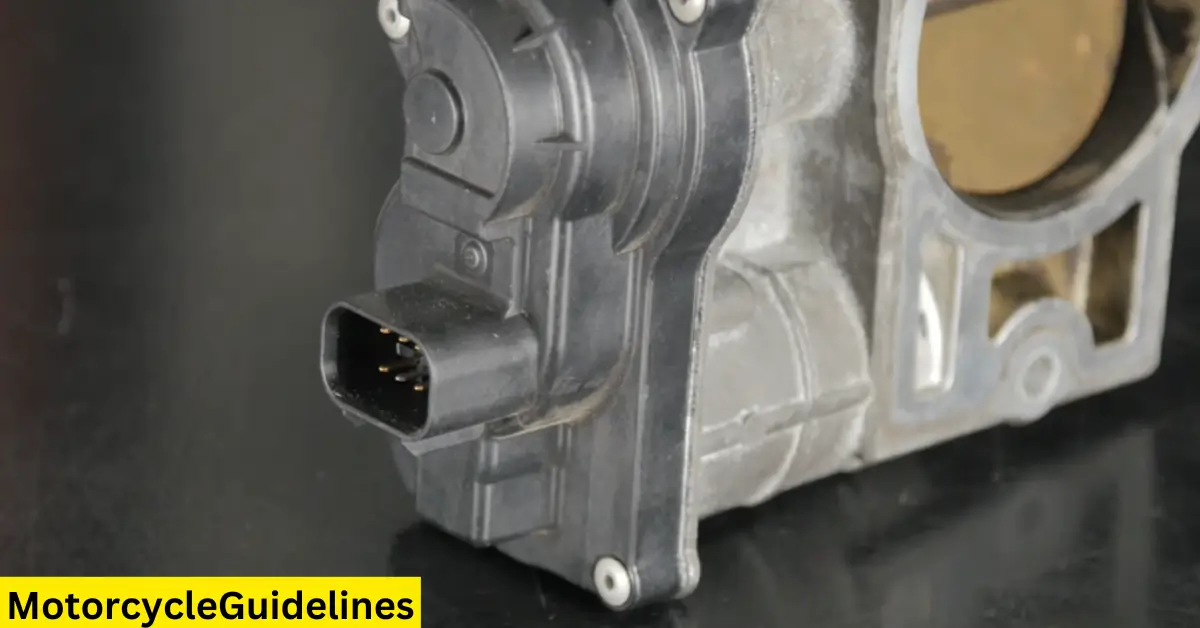
Throttle by wire (TBW) refers to an electronic system that controls a motorcycle’s throttle instead of using a physical cable. In a traditional throttle system, turning the throttle grip pulls on a cable that opens or closes the throttle valve. With throttle by wire, the connection between the throttle grip and the throttle body is replaced by electronic sensors and actuators. These components communicate with the motorcycle’s engine control unit (ECU), which adjusts the throttle valve electronically.
In simple terms, throttle by wire eliminates the need for mechanical components such as cables and linkages to control the throttle. Instead, the rider’s input is translated into an electronic signal that tells the motorcycle’s throttle body how much air and fuel should enter the engine.
How Does Throttle by Wire Work?
The throttle by wire system operates through the following key components:
-
Throttle Grip (Throttle Twist) Sensor: The rider twists the throttle grip, which activates a sensor in the throttle body. This sensor measures the rider’s throttle input and sends this information as an electrical signal to the ECU.
-
Electronic Control Unit (ECU): The ECU is the brain of the motorcycle. It receives the electronic signal from the throttle grip sensor and processes it to determine how much throttle is needed. Based on this information, the ECU sends commands to the throttle actuator.
-
Throttle Actuator: The throttle actuator adjusts the position of the throttle valve according to the signal from the ECU. This control is precise, allowing for more accurate throttle modulation compared to a mechanical cable.
-
Throttle Valve: The throttle valve regulates the airflow into the engine. With TBW, the position of this valve is controlled electronically rather than mechanically.
Essentially, when you twist the throttle grip, the sensor sends a signal to the ECU, which then communicates with the actuator to adjust the throttle valve. This system allows for more precise control of the throttle, and it is often integrated with advanced motorcycle features like ride modes, traction control, and cruise control.
Benefits of Throttle by Wire
Throttle by wire offers several advantages over traditional mechanical throttle cables, making it a popular choice in modern motorcycles. Here are some of the key benefits:
1. Improved Throttle Response
Throttle by wire enables more precise throttle control. Unlike a cable system, where there can be slack or delay due to friction or wear, the electronic system ensures an immediate and consistent response to rider input. This can enhance the overall riding experience, especially in high-performance motorcycles where throttle precision is critical.
2. Integration with Ride Modes and Traction Control
Many motorcycles with TBW are equipped with multiple ride modes (e.g., sport, touring, rain). With throttle by wire, the ECU can adjust throttle response based on the selected mode. For example, in rain mode, the system can reduce throttle sensitivity to improve safety, while in sport mode, it can offer a more aggressive throttle response.
Additionally, TBW is often integrated with traction control systems. By controlling the throttle more precisely, the system can intervene more effectively if it detects wheel slip, enhancing rider safety on slippery surfaces.
3. Cruise Control Compatibility
Throttle by wire also allows for easy integration with cruise control systems. Traditional cruise control systems require a mechanical cable to maintain throttle position. With TBW, the ECU can take over throttle control and maintain a steady speed without the need for mechanical intervention.
4. Reduced Maintenance
With the removal of cables and linkages, throttle by wire systems require less maintenance than traditional mechanical systems. There are no cables to stretch, wear out, or need periodic adjustment. This results in fewer parts that can break or wear over time, improving long-term reliability.
5. Better Ergonomics
Throttle by wire systems can also be designed to provide a lighter throttle feel. Traditional cables often require varying amounts of force depending on the throttle position. With electronic control, manufacturers can fine-tune the throttle response to make it more comfortable and easier to operate, reducing hand fatigue during long rides.
Potential Drawbacks of Throttle by Wire
While throttle by wire offers several advantages, it’s not without its potential drawbacks. Here are a few considerations to keep in mind:
1. Electronic Failure Risks
Throttle by wire systems are dependent on electronics. While modern electronics are highly reliable, they are still susceptible to failure. A malfunction in the throttle sensor, actuator, or ECU could cause a loss of throttle control or erratic throttle behavior. However, most motorcycles with TBW systems have safety features in place to mitigate this risk, such as fallback modes or backup systems.
2. Increased Complexity
Throttle by wire systems are more complex than traditional throttle cables. This increased complexity means that repairs and diagnostics may require specialized tools and knowledge. In the event of a malfunction, fixing a TBW system may be more costly and time-consuming than dealing with a mechanical throttle system.
3. Reduced “Feel”
Some riders prefer the tactile feedback provided by a mechanical throttle system. With a traditional cable system, the rider can feel the tension in the throttle cable, providing a sense of direct connection with the throttle valve. In contrast, throttle by wire systems can feel less connected or more sterile, which may be less satisfying for some motorcyclists.
4. Compatibility with Aftermarket Parts
Throttle by wire systems may limit compatibility with certain aftermarket throttle controls or accessories that are designed for mechanical throttle systems. Riders who wish to modify their bike may find fewer options available for TBW-equipped motorcycles.

How Throttle by Wire Impacts Riding Performance
Throttle by wire doesn’t just change how the motorcycle functions mechanically; it significantly alters the riding experience. By offering more control, improved precision, and integration with various safety features, TBW systems can affect how a rider interacts with their bike. Let’s explore in more detail how throttle by wire impacts overall riding performance.
1. Enhanced Throttle Control and Precision
One of the most noticeable benefits of throttle by wire is the increased precision in throttle control. Unlike traditional cables, which may have slight delays due to friction or wear, TBW offers instant throttle response. The electronic system can precisely measure how much input the rider provides and adjust the throttle valve accordingly, resulting in smoother and more predictable acceleration.
This level of precision is particularly beneficial in high-performance motorcycles or motorcycles used in demanding riding conditions. Riders who require quick, precise throttle adjustments for cornering, overtaking, or navigating tricky terrain will appreciate the enhanced control that TBW provides.
2. Seamless Integration with Rider Assistance Features
Modern motorcycles are often equipped with various rider assistance features that improve safety and riding comfort. These include traction control, anti-lock braking systems (ABS), wheelie control, and ride modes that adjust the motorcycle’s performance characteristics.
Throttle by wire plays a key role in seamlessly integrating these features. Since TBW is electronically controlled, it can communicate with the ECU and adjust the throttle based on the conditions detected by the bike’s sensors. For example:
-
Traction control: If the motorcycle’s system detects rear wheel slip, the TBW system can reduce throttle input to regain grip and prevent loss of control.
-
Ride modes: Riders can switch between different ride modes (sport, touring, rain) that adjust throttle sensitivity, engine response, and other settings. Throttle by wire allows the system to adapt to these modes in real-time.
These advanced features contribute to a more enjoyable and safer ride, especially for beginners or those who ride in diverse conditions.
3. Improved Fuel Efficiency and Emissions Control
Throttle by wire can contribute to better fuel efficiency and reduced emissions. Since the system allows for more precise control of the throttle, the ECU can optimize fuel delivery based on the rider’s input and riding conditions. For example, during steady cruising, TBW can adjust the throttle to maintain an optimal fuel-air mixture, reducing fuel consumption and minimizing exhaust emissions.
In combination with other advanced technologies like variable valve timing (VVT) and fuel injection systems, throttle by wire can help motorcycles achieve more efficient performance, offering both economic and environmental benefits.
4. Customization and Performance Tuning
Another exciting feature of throttle by wire systems is the potential for customization and performance tuning. Unlike traditional throttle cables, which are fixed and require physical adjustments, TBW allows for electronic fine-tuning. Many motorcycles with TBW systems allow riders to adjust the throttle response, sensitivity, and behavior through the bike’s onboard settings.
This means that riders can customize their throttle to suit their preferences or specific riding conditions. For example, a rider may want a more responsive throttle for track use or a softer throttle for city commuting. This level of customization isn’t possible with traditional throttle cables, making TBW an attractive option for riders looking to fine-tune their motorcycle.
How Throttle by Wire Compares to Traditional Throttle Cables
When considering the benefits and drawbacks of throttle by wire, it’s important to compare it with the traditional mechanical throttle cable system. The mechanical system has been in use for decades, and many riders still prefer it for its simplicity, direct connection, and tactile feedback. Let’s break down the key differences between throttle by wire and traditional throttle cables:
| Feature | Throttle by Wire | Traditional Throttle Cable |
|---|---|---|
| Control Type | Electronic control with sensors and actuators | Mechanical control via throttle cable and spring |
| Throttle Response | Precise, immediate response to rider input | May have some delay or slack due to cable wear |
| Customization | Highly customizable with electronic adjustments | Fixed throttle response; no customization |
| Maintenance | Requires minimal maintenance | Requires occasional adjustment and maintenance of cables |
| Safety Features | Integration with traction control, ride modes, etc. | Limited integration with electronic systems |
| Ergonomics | Lighter throttle feel, less hand fatigue | Heavier feel, potential for hand fatigue on long rides |
| Reliability | Potential electronic failure risks | Simple and reliable but can suffer from wear |
1. Throttle Response and Precision
Throttle by wire offers a much more precise and responsive throttle system compared to traditional mechanical cables. Since the electronic system eliminates friction and wear, the rider experiences a smooth and immediate response to their input. In contrast, mechanical cables can develop slack, which can result in delayed or inconsistent throttle behavior.
2. Customization and Ride Modes
Throttle by wire provides more flexibility in terms of customization. With TBW, riders can adjust throttle response to suit their riding style or environmental conditions. For example, a sport mode can offer rapid acceleration, while a touring mode can provide a smoother, more relaxed throttle response. Traditional cables do not offer this level of customization.
3. Maintenance and Durability
Throttle by wire systems are less susceptible to wear and tear than mechanical throttle cables. Traditional cables require periodic maintenance, including adjustments for slack and potential cable replacements due to wear. Throttle by wire, on the other hand, has fewer moving parts and does not require such adjustments. However, TBW systems are dependent on electronics, and a failure in the system could be more complex to repair compared to a cable.
4. Safety Features
One of the main advantages of throttle by wire is its ability to integrate seamlessly with advanced safety features. Systems like traction control, anti-lock braking, and electronic stability control can all be more effectively controlled with TBW, enhancing rider safety. Traditional throttle cables are not able to communicate with these systems, making them less adaptive to changing road conditions.
5. Ergonomics
Throttle by wire typically offers a lighter and more comfortable throttle feel, reducing hand fatigue during long rides. The mechanical nature of traditional throttle cables often results in a heavier feel, especially on motorcycles with larger engines or more aggressive throttle setups.
Conclusion
Throttle by wire is a revolutionary technology that is transforming how motorcycles operate. By replacing traditional mechanical throttle cables with electronic sensors and actuators, TBW systems provide more precise control, better integration with advanced safety features, and increased customization options. These advantages make TBW particularly appealing for modern motorcycles, especially those with performance-oriented or safety-focused features.
However, the shift to an electronic throttle system also brings new considerations. Potential drawbacks, such as the risk of electronic failure and reduced tactile feedback, may make traditional throttle systems more appealing to certain riders. Ultimately, the choice between throttle by wire and a traditional throttle cable comes down to personal preference, riding style, and the specific needs of the rider.
Throttle by wire is here to stay, and as technology continues to evolve, we can expect even more advanced features to be integrated into the system, further enhancing the riding experience.