
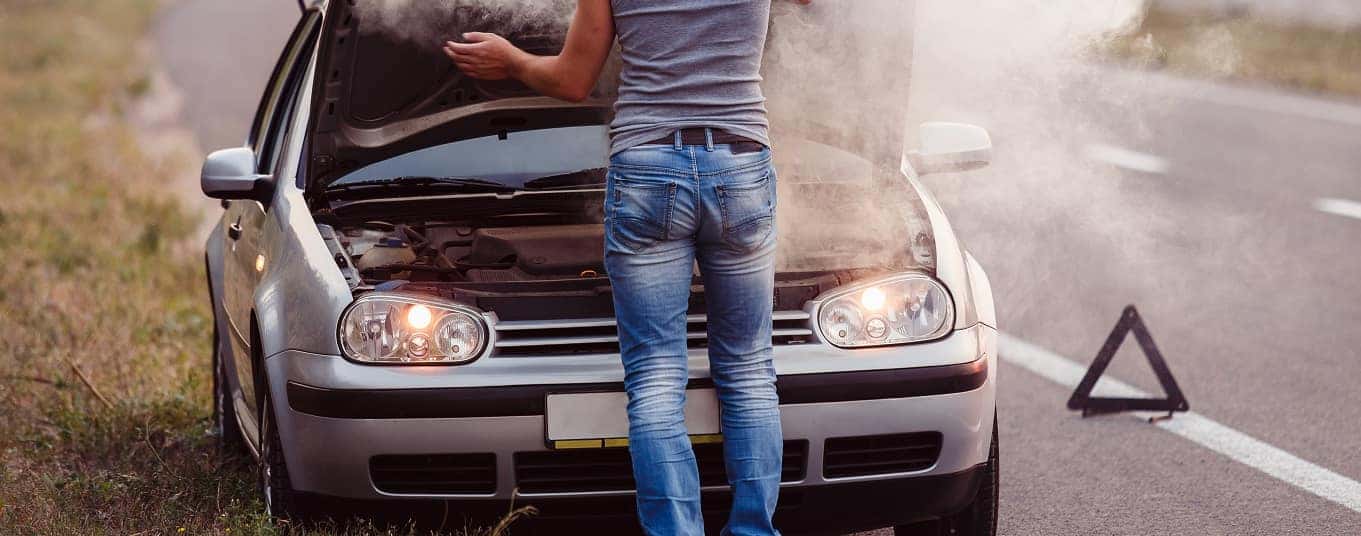
White smoke from engine but not overheating often indicates a coolant leak or condensation. It can also suggest a malfunctioning fuel injector.
White smoke coming from your engine can be alarming, even when the temperature gauge shows no signs of overheating. This issue often points to a coolant leak, which could mean a blown head gasket or a cracked engine block. Condensation in the exhaust system, especially during cold weather, might also cause white smoke.
Another possibility is a malfunctioning fuel injector, leading to excess fuel burning improperly. Ignoring these signs can result in more severe engine problems. Regular maintenance and timely inspections are crucial to diagnose and fix the underlying issue, ensuring your vehicle runs smoothly and safely.
Common Causes
Seeing white smoke from your engine but no signs of overheating can be confusing. Let’s explore the common causes behind this phenomenon. Understanding these causes can help diagnose and fix the issue.
Coolant Leakage
Coolant leakage is a frequent cause of white smoke. When coolant leaks into the engine, it burns and produces white smoke. This is a sign of a serious problem. Immediate attention is required. Check for the following indicators:
- Low coolant levels
- Sweet smell from the exhaust
- Visible coolant puddles under the car
Condensation Build-up
Condensation build-up occurs naturally. It is especially common in colder climates. When water vapor condenses in the exhaust, it creates white smoke. This type of smoke usually disappears as the engine warms up. Key points to note include:
- White smoke only on startup
- Smoke disappears after a few minutes
- No other signs of engine trouble
Fuel Injector Issues
Fuel injector issues can also cause white smoke. Faulty fuel injectors may not deliver the right amount of fuel. This leads to incomplete combustion, producing white smoke. Symptoms of fuel injector issues include:
- Poor fuel economy
- Rough engine idle
- Check engine light on
| Common Cause | Indicators |
|---|---|
| Coolant Leakage | Low coolant, sweet exhaust smell, coolant puddles |
| Condensation Build-up | White smoke on startup, disappears quickly, no engine trouble |
| Fuel Injector Issues | Poor fuel economy, rough idle, check engine light |
Credit: www.hondaboardwalk.com
Diagnosing The Problem
White smoke from your engine but not overheating can be confusing. Understanding the cause is crucial. Diagnosing this issue involves several steps. These steps help pinpoint the problem. Let’s explore how to diagnose this issue.
Visual Inspection
Start with a visual inspection. Check for coolant leaks. Look under the car. Inspect the engine bay. Any puddles of coolant could indicate a problem.
Next, check the oil cap. Look for a milky substance. This could mean coolant is mixing with oil. Also, check the exhaust pipe. If it’s wet, it could be burning coolant.
Inspect the coolant reservoir. Look for any discoloration. A chocolate milk-like appearance signals a problem. This could indicate a blown head gasket.
Using Diagnostic Tools
Using diagnostic tools can help. A compression test checks for leaks. Low compression in one cylinder could point to a gasket issue.
A block tester can check for exhaust gases in the coolant. This tool helps find head gasket failures. Another useful tool is an OBD-II scanner. It reads trouble codes from the car’s computer.
Here is a simple table summarizing the tools and what they check for:
| Tool | Purpose |
|---|---|
| Compression Test | Check for cylinder leaks |
| Block Tester | Detect exhaust gases in coolant |
| OBD-II Scanner | Read trouble codes |
Using these tools helps diagnose the issue accurately. It saves time and money in the long run.
Coolant Leakage Fixes
White smoke from your engine can be alarming. But if your engine is not overheating, it may be due to a coolant leakage. Fixing these leaks is essential to prevent further damage. Below are some common methods to address coolant leakage.
Replacing Leaking Hoses
Leaking hoses are often the culprit behind coolant leaks. Over time, hoses can crack or become loose. This can lead to coolant escaping and causing white smoke.
To fix this issue, follow these steps:
- Turn off the engine and let it cool.
- Locate the leaking hose.
- Remove the damaged hose carefully.
- Install a new hose in its place.
- Tighten the hose clamps securely.
- Refill the coolant and check for leaks.
Radiator Repair
The radiator is crucial for engine cooling. A damaged radiator can lead to coolant leaks. Fixing the radiator can stop the leak and the white smoke.
Here are the steps to repair a radiator:
- Turn off the engine and let it cool.
- Drain the coolant from the radiator.
- Inspect the radiator for visible damage.
- Seal small leaks with a radiator sealant.
- Replace the radiator if it is severely damaged.
- Refill the radiator with coolant.
By addressing these common issues, you can stop the white smoke and protect your engine. Regular maintenance and timely repairs are key to keeping your vehicle in good condition.
Condensation Solutions
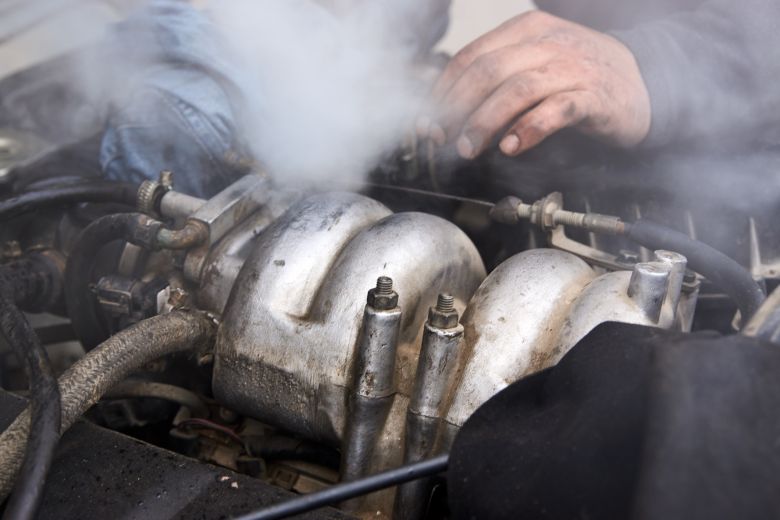
Credit: www.rac.co.uk
Experiencing white smoke from your engine can be unsettling. If your engine is not overheating, it might be due to condensation. This happens especially in colder climates or during short trips. Addressing this issue is simple and can prevent future complications. Here, we’ll discuss some practical solutions.
Regular Engine Warm-ups
Ensure your engine reaches its optimal temperature. Short trips may not allow your engine to warm up. This leads to condensation buildup in the exhaust system. Run your vehicle for at least 10-15 minutes. This helps evaporate any moisture present.
- Drive longer distances occasionally.
- Warm up your engine in the morning.
- Use a garage to store your vehicle during colder months.
Exhaust System Check
A thorough inspection of the exhaust system can identify issues related to condensation. Look for cracks, leaks, or blockages. These can trap moisture and cause white smoke.
| Component | Check For |
|---|---|
| Muffler | Cracks or holes |
| Exhaust pipes | Corrosion or blockages |
| Catalytic converter | Damage or clogging |
It’s essential to address any issues promptly. Fixing them can reduce the chances of seeing white smoke.
- Inspect the exhaust system regularly.
- Repair any cracks or leaks immediately.
- Replace damaged components as needed.
By following these steps, you can effectively manage condensation issues in your engine. This ensures a smoother, smoke-free drive.
Addressing Fuel Injector Issues
White smoke from the engine can be alarming. It may not always mean overheating. One possible cause is a problem with the fuel injectors. Let’s explore how to address these issues.
Cleaning Injectors
Dirty fuel injectors can cause white smoke. Cleaning them helps restore proper function. Use a fuel injector cleaner. Add it to the gas tank. This method is simple and effective.
You can also remove the injectors for a deeper clean. Use an ultrasonic cleaner or a specialized cleaning kit. Follow the manufacturer’s instructions for the best results.
| Cleaning Method | Tools Needed | Steps |
|---|---|---|
| Fuel Injector Cleaner | Cleaner, Gasoline |
|
| Ultrasonic Cleaning | Ultrasonic cleaner, Cleaning solution |
|
Replacing Faulty Injectors
Sometimes cleaning is not enough. Faulty injectors must be replaced. This can be done at home with the right tools.
First, identify the faulty injector. A diagnostic tool can help. Next, gather the tools: wrench, screwdriver, and new injectors. Follow these steps:
- Turn off the engine and disconnect the battery.
- Remove the fuel rail cover.
- Disconnect the faulty injector.
- Install the new injector.
- Reconnect the fuel rail cover and battery.
Test the engine after replacing the injectors. The white smoke should disappear. If not, consult a professional mechanic.
Preventative Maintenance

Credit: m.youtube.com
White smoke from your engine, but not overheating, can be a perplexing issue. Understanding the importance of preventative maintenance can help you avoid such problems. Regular check-ups and timely interventions keep your engine running smoothly. Here’s how you can ensure your engine stays in top shape.
Regular Oil Changes
One of the simplest ways to maintain your engine is through regular oil changes. Oil lubricates the engine’s components, reducing friction. This prevents wear and tear on essential parts.
- Change the oil every 3,000 to 5,000 miles.
- Use the oil type recommended by your car’s manufacturer.
- Check the oil level monthly.
Fresh oil keeps the engine clean. It removes sludge and particles that could cause white smoke.
Scheduled Engine Tune-ups
Scheduled engine tune-ups are vital for preventing issues like white smoke. During a tune-up, mechanics check various engine components to ensure they are functioning properly.
- Replace spark plugs.
- Check and replace air filters.
- Inspect fuel injectors.
These checks help in maintaining the engine’s efficiency. An efficient engine rarely produces white smoke.
| Maintenance Task | Frequency |
|---|---|
| Oil Change | 3,000-5,000 miles |
| Engine Tune-up | Every 30,000 miles |
Following these preventative maintenance steps will keep your engine in good health. Regular attention to your car’s needs can prevent the occurrence of white smoke and other issues.
When To Seek Professional Help
White smoke from your engine can be troubling. Even if your car isn’t overheating, you might need professional help. Recognizing when to seek expert advice is crucial for your vehicle’s health.
Persistent White Smoke
If you notice white smoke that doesn’t go away, act quickly. Persistent white smoke might indicate a serious issue. This could be a sign of a coolant leak, head gasket failure, or other problems. Ignoring this can lead to more damage.
| Possible Causes | Symptoms |
|---|---|
| Coolant Leak | Sweet smell, low coolant level |
| Head Gasket Failure | Loss of power, engine misfire |
| Cracked Engine Block | Overheating, oil contamination |
These problems need a professional mechanic. They can diagnose and fix the issue properly.
Unresolved Issues
If DIY fixes don’t work, seek help. Unresolved issues often need expert attention. Attempting to fix complex problems might worsen the situation. Professionals have the tools and knowledge to handle these.
- They can run diagnostic tests.
- They have specialized tools.
- They understand complex engine systems.
Don’t risk your vehicle’s health by delaying professional help. Early intervention saves you from costly repairs.
Frequently Asked Questions About White Smoke from Engine But Not Overheating
Why Is My Engine Emitting White Smoke?
White smoke from the engine often indicates coolant entering the combustion chamber. This can be due to a blown head gasket, cracked engine block, or damaged cylinder head.
Can White Smoke Mean A Blown Head Gasket?
Yes, a blown head gasket can cause white smoke. This happens when coolant leaks into the engine’s cylinders and gets burned.
Is White Smoke Always A Sign Of A Serious Problem?
Not always. Sometimes, white smoke can be due to condensation in the exhaust, especially on cold starts. However, persistent smoke needs attention.
Can I Drive With White Smoke From My Engine?
Driving with white smoke is not recommended. It could lead to more severe engine damage. Get it checked by a mechanic immediately.
Conclusion
White smoke from engine but not overheating can be alarming. It’s often due to coolant leakage or other underlying issues. Regular maintenance can prevent costly repairs. Always consult a professional mechanic for accurate diagnostics. Keep your vehicle in top condition for safe driving.
Stay vigilant and address any signs of engine trouble, like white smoke from the engine but not overheating, promptly.