
In the world of motorcycling, safety is paramount, and wearing a helmet is one of the most critical safety measures a rider can take. Despite the undeniable freedom and thrill motorcycles offer, they also come with increased risk compared to other vehicles.
Statistics show that motorcyclists are significantly more vulnerable to serious injuries in the event of an accident. A helmet serves as a crucial protection against head injuries, which are common in motorcycle crashes.
In this article, we will explore the importance of helmet use, backed by statistics and expert opinions, emphasizing how a helmet can dramatically reduce the risk of severe injuries during accidents. We will delve into the legal aspects of helmet use, the various types of helmets available, and best practices for ensuring safety while riding.
Table of Contents
- The Importance of Wearing a Helmet
- Helmet Laws and Regulations
- Types of Motorcycle Helmets
- How to Choose the Right Helmet
- Common Misconceptions About Helmet Use
- Safety Benefits Beyond Head Protection
- FAQ Section
- Conclusion
The Importance of Wearing a Helmet
Wearing a helmet is one of the most effective ways to protect yourself while riding a motorcycle. Helmets are designed to absorb impact energy and reduce the severity of head injuries.
According to the National Highway Traffic Safety Administration (NHTSA), helmets are estimated to be 37% effective in preventing fatal injuries to motorcycle riders and 67% effective for preventing traumatic brain injuries (TBIs). With statistics from the Motorcycle Legal Foundation indicating that 66% of motorcyclists killed in crashes were not wearing helmets, the significance of helmet use cannot be overstated.
Statistics on Helmet Efficacy
In the unfortunate event of a motorcycle accident, wearing a helmet significantly boosts the chances of survival. Research indicates that motorcyclists who wear helmets are less likely to suffer from severe head injuries compared to those who do not.
In 2021, it was reported that 5% of motorcyclists killed in accidents were helmeted, while non-helmeted riders accounted for a significant portion of fatalities. This stark contrast illustrates the protective role a helmet plays during a crash.
Common Types of Head Injuries
Motorcycle accidents can lead to various types of head injuries, ranging from concussions to more severe traumatic brain injuries. The most common injuries include:
- Concussions: A mild form of brain injury that can occur even with a helmet on.
- Skull fractures: A serious injury that can lead to long-term health issues.
- Contusions: Bruising of the brain tissue, often requiring immediate medical attention.
Data shows that wearing a helmet can significantly decrease the likelihood of these injuries, making it a critical safety measure for all motorcyclists.
Real-Life Impact of Helmets
Numerous real-life stories illustrate the difference a helmet can make. For instance, many riders who have experienced accidents while wearing helmets report walking away with minor injuries, while those without helmets often face life-threatening conditions.
A personal account shared by a rider highlights how a full-face helmet absorbed the impact during a crash, preventing severe head trauma that could have resulted in death or permanent disability.
| Type of Injury | Helmeted Riders (%) | Non-Helmeted Riders (%) |
|---|---|---|
| Fatal Injuries | 5% | 95% |
| Traumatic Brain Injuries | 33% | 67% |
| Skull Fractures | 20% | 80% |
This table clearly illustrates the stark difference in injury outcomes between helmeted and non-helmeted riders. The data emphasizes the protection that helmets provide, particularly in preventing fatal injuries and severe brain trauma.
The overwhelming statistics show that a helmet is not just an accessory but a vital piece of safety gear that can save lives and prevent devastating injuries.
Helmet Laws and Regulations
Understanding helmet laws is essential for motorcyclists as they vary significantly from state to state. While some states mandate helmet use for all riders, others provide exemptions based on age or insurance coverage.
For instance, states like California and New York enforce universal helmet laws that require all motorcyclists to wear helmets, while in states like Florida, riders aged 21 and over can choose to ride without a helmet if they have sufficient medical insurance.
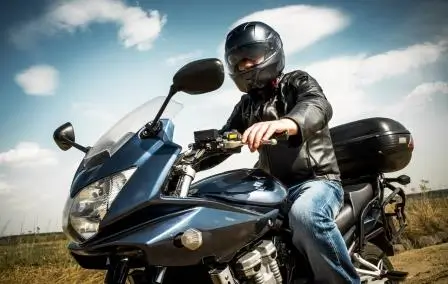 https://www.kslawfirm.ca/
Universal Helmet Laws vs. State-Specific Laws
Universal helmet laws require that all motorcycle riders wear helmets regardless of age or experience. This approach has been demonstrated to reduce fatality rates significantly.
Conversely, state-specific laws, such as those in Florida, allow for personal choice, leading to increased risks associated with riding without a helmet. In states with less stringent laws, statistics show higher rates of motorcycle fatalities and serious injuries.
Legal Consequences of Not Wearing a Helmet
Failing to wear a helmet when required by law can lead to various legal consequences. Riders may face fines, traffic citations, or increased liability in the event of an accident.
In states with mandatory helmet laws, riders without helmets can be penalized, and insurance claims may be affected, as insurers may argue that not wearing a helmet contributed to the severity of the injuries sustained.
Insurance Implications
Insurance companies often scrutinize whether a rider was wearing a helmet during an accident. In states where helmet use is required, a rider’s decision to ride without one can severely impact their ability to claim benefits.
Insurers may argue that the rider’s negligence in not wearing a helmet contributed to their injuries, potentially reducing or denying compensation. Understanding these implications is crucial for every motorcyclist to ensure they are adequately protected.
| State | Helmet Law | Age Requirement |
|---|---|---|
| California | Mandatory | All Ages |
| Florida | Optional (if over 21) | 21+ |
| Texas | Optional (if over 21) | 21+ |
The above table provides a summary of helmet laws across different states. As observed, California enforces a strict helmet law for all riders, while Florida and Texas allow riders over 21 to forgo helmets under certain conditions.
This reflects the varying approaches to motorcycle safety across the United States and highlights the need for riders to be aware of the laws in their respective states.
Types of Motorcycle Helmets
Choosing the right helmet is essential for ensuring safety while riding. Various types of helmets are available, each offering different levels of protection and comfort.
The main types include:
Full-Face Helmets
Full-face helmets provide comprehensive coverage, protecting the entire head, including the face and chin. They are considered the safest option as they minimize exposure to elements and potential injuries from impacts.
These helmets are particularly beneficial in high-speed situations and adverse weather conditions.
Modular Helmets
Modular helmets combine the features of full-face and open-face helmets. They have a hinged front that can be lifted, allowing for easier communication without removing the helmet.
While they offer good protection, the safety of modular helmets can vary based on their design and build quality.
Open-Face and Half Helmets
Open-face helmets provide coverage to the top, back, and sides of the head but leave the face exposed. Half helmets offer minimal protection, covering only the crown of the head.
While these types may be preferred for their lightweight feel and better ventilation, they do not provide the same level of protection as full-face and modular helmets.
| Helmet Type | Protection Level | Pros | Cons |
|---|---|---|---|
| Full-Face | High | Best protection, weather resistant | Can be hot, bulky |
| Modular | Medium-High | Versatile, convenient | Can be heavier, safety varies |
| Open-Face | Medium | Good visibility, lightweight | Less facial protection |
| Half | Low | Lightweight, comfortable | Minimal protection |
This table summarizes the various types of motorcycle helmets, their protection levels, and their pros and cons. Full-face helmets clearly provide the highest level of protection, making them the preferred choice for serious riders, especially those who travel at higher speeds.
The lightweight nature of open-face and half helmets makes them appealing for casual rides, but the trade-off in safety is significant.
How to Choose the Right Helmet
Selecting the right motorcycle helmet is essential for both comfort and safety. Here are key factors to consider when making a choice:
Importance of Safety Certifications
Ensure that the helmet you choose meets safety standards established by recognized organizations. Look for certifications from the Department of Transportation (DOT), Economic Commission for Europe (ECE), and Snell Memorial Foundation, which indicate that the helmet has undergone rigorous testing for safety.
Helmets lacking these certifications may not provide adequate protection.
Fitting Your Helmet
The fit of a helmet is crucial for it to be effective. A properly fitted helmet should feel snug but not overly tight.
When trying on helmets, shake your head; if the helmet shifts around, it may be too large. Most manufacturers provide sizing charts to help you find the right fit.
Remember to consider the shape of your head as well, as helmets come in different shapes (round, oval, etc.).
Comfort Features to Consider
Comfort features can greatly enhance your riding experience. Look for helmets with adequate ventilation to keep you cool during hot weather.
Additionally, removable and washable liners can help maintain hygiene and comfort. Some helmets also come with noise-reduction features, which can improve focus and reduce fatigue during long rides.
| Safety Standard | Description | Year Established |
|---|---|---|
| DOT | U.S. standard for motorcycle helmets | 1971 |
| ECE | European standard for helmets, more stringent than DOT | 2000 |
| Snell | Non-profit organization with rigorous testing standards | 1957 |
The table highlights key safety standards for motorcycle helmets. Each certification ensures that helmets have met specific testing criteria to protect riders effectively.
The DOT certification is essential for legal compliance in the U.S., while the ECE standard is recognized internationally. Snell certification is particularly valued among serious riders for its rigorous testing methods, offering an extra layer of assurance regarding helmet safety.
Common Misconceptions About Helmet Use
Despite the overwhelming evidence supporting helmet use, several misconceptions persist that discourage riders from wearing them. Addressing these myths is essential to promote a culture of safety.
Helmets and Visibility
Many riders believe that helmets obstruct their vision. However, modern helmets are designed to provide a wide field of view, often exceeding the typical human peripheral vision.
Full-face helmets, in particular, have visors that enhance visibility while protecting the eyes from debris and UV rays.
Helmets and Comfort
Another misconception is that helmets are uncomfortable and restrict airflow. Advances in helmet design and materials have led to the creation of lightweight helmets with excellent ventilation systems.
Riders can find helmets that are comfortable even during long rides.
Myths About Low-Speed Crashes
Some riders think that helmets are only necessary for high-speed riding, leading them to ride without one in low-speed situations. However, statistics show that many accidents occur at low speeds, and head injuries can be just as severe regardless of the speed involved.
A helmet can significantly increase the chances of survival and minimize injuries in any crash scenario.
| Myth | Fact |
|---|---|
| Helmets obstruct vision | Modern helmets provide a wide field of view and enhance visibility |
| Helmets are uncomfortable | Advancements in design have made helmets lightweight and comfortable |
| Low-speed crashes don’t require helmets | Most accidents occur at low speeds, and helmets are essential in all scenarios |
This table dispels common myths about helmet use, emphasizing the importance of wearing helmets at all times. The facts presented reinforce the protective benefits of helmets, demonstrating that they are effective regardless of riding conditions or speed.
By educating riders about these misconceptions, we can encourage a greater adherence to safety practices.
Safety Benefits Beyond Head Protection
Beyond protecting the head, wearing a helmet provides several additional safety benefits that enhance the riding experience.
Weather Protection
Helmets serve as shields against various weather elements, such as rain, wind, and sun. A full-face helmet can keep a rider’s face dry during rain, preventing reduced visibility and discomfort.
Additionally, helmets help shield against the sun’s rays, reducing the risk of sunburn and heat-related issues.
Noise Reduction
Wind noise while riding can be distracting and may affect a rider’s ability to hear important sounds in their environment. Helmets are designed to minimize this noise, allowing riders to remain aware of their surroundings.
This enhanced auditory awareness can be crucial for avoiding accidents.
Enhanced Focus
Wearing a helmet can improve concentration while riding. By reducing distractions from environmental factors, riders can maintain better control of their motorcycles.
A focused rider is less likely to miss critical cues from other road users, significantly enhancing safety.
| Benefit | Description |
|---|---|
| Weather Protection | Shields against rain, wind, and sun, improving comfort |
| Noise Reduction | Minimizes distracting wind noise, enhancing awareness |
| Enhanced Focus | Reduces distractions, helping riders maintain control |
This table highlights the additional benefits of wearing a helmet beyond head protection. Each benefit contributes to a safer riding experience by enhancing comfort, awareness, and control.
Riders should consider these advantages when choosing to wear a helmet, as they play a significant role in overall safety on the road.
FAQ Section
What are the main benefits of wearing a motorcycle helmet?
The primary benefits of wearing a motorcycle helmet include the protection of the head and brain during an accident, which can significantly reduce the risk of fatal injuries and traumatic brain injuries. Helmets also offer weather protection, noise reduction, and enhanced visibility, contributing to a safer and more comfortable riding experience.
How effective are helmets in preventing injuries?
Helmets are highly effective in preventing injuries. According to the NHTSA, helmets can reduce the risk of fatal injuries by about 37% and brain injuries by approximately 67%.
This data underscores the critical role helmets play in enhancing rider safety during crashes.
Are there specific laws regarding helmet use in my state?
Helmet laws vary by state, with some states enforcing mandatory helmet laws for all riders, while others allow exemptions based on age or insurance coverage. Riders should familiarize themselves with their state’s regulations to ensure compliance and maximize safety.
What should I look for when choosing a helmet?
When choosing a helmet, look for safety certifications (such as DOT, ECE, or Snell), ensure it fits properly and comfortably, and consider comfort features like ventilation and padding. The type of helmet (full-face, modular, open-face, or half) should also match your riding style and safety needs.
Can wearing a helmet improve my visibility on the road?
Yes, wearing a helmet can improve visibility on the road. Modern helmets are designed with a wide field of view and often come with visors to protect against sun glare and debris.
This enhanced visibility can help riders better detect potential hazards and react accordingly.
Conclusion
In conclusion, wearing a motorcycle helmet is not just a legal requirement in many places but a crucial step toward ensuring personal safety on the road. The evidence overwhelmingly supports the effectiveness of helmets in preventing serious injuries and fatalities during accidents.
As riders, making the responsible choice to wear a helmet can significantly impact our well-being and longevity in enjoying the freedom of motorcycling. Always prioritize safety and encourage fellow riders to do the same.