
Motorcycle batteries typically have a voltage of 12 volts. Some older models may use 6-volt batteries.
Understanding the voltage of your motorcycle battery is crucial for maintenance and performance. A motorcycle’s electrical system relies on the correct voltage to function properly. Knowing whether your bike uses a 12-volt or 6-volt battery helps in selecting the right replacement.
It also ensures compatibility with the bike’s charging system and accessories. Misusing the wrong voltage can lead to serious electrical problems. We’ll explore the different voltages used in motorcycle batteries. We’ll also discuss why voltage matters and how to check your battery’s voltage. Stay tuned to learn more about keeping your motorcycle running smoothly.
Introduction To Motorcycle Batteries
Motorcycle batteries typically have a voltage of 12 volts. These batteries power the bike’s engine and other electrical components. Some smaller bikes or older models may use 6-volt batteries.
Motorcycle batteries are the heart of your bike’s electrical system. They provide the necessary power to start the engine and run electrical components. Without a reliable battery, your motorcycle won’t run smoothly. Understanding the basics of motorcycle batteries helps you maintain your bike better.
Importance Of Voltage
Voltage is crucial for your motorcycle battery’s performance. Most motorcycles use 12-volt batteries. This voltage ensures the battery provides enough power to start the engine. Proper voltage levels also keep the bike’s electrical systems running smoothly. Low voltage can lead to starting problems and poor performance. Keeping an eye on voltage levels helps avoid unexpected breakdowns.
Basic Battery Types
Motorcycle batteries come in different types. The most common are lead-acid and lithium-ion batteries. Lead-acid batteries are affordable and reliable. They require regular maintenance. Lithium-ion batteries are lighter and need less upkeep. They offer better performance but are more expensive. Choosing the right type depends on your needs and budget. “`
Standard Voltage Levels
Understanding the standard voltage levels of motorcycle batteries is essential for every rider. This knowledge helps maintain your bike’s performance and ensures you are always ready to ride. Let’s dive into the common voltages and how they vary.
Common Voltages
Motorcycle batteries typically come in two main voltage levels. These are 6 volts and 12 volts. Most modern motorcycles use 12-volt batteries. Here is a simple breakdown:
- 6-Volt Batteries: Found in older or vintage motorcycles.
- 12-Volt Batteries: Standard in most current motorcycles.
12-volt batteries provide more power and are better suited for modern motorcycle electronics.
Voltage Variations
While the standard voltages are 6 and 12 volts, the actual voltage can vary slightly. This variation depends on the battery’s state of charge and condition. Here is what you might observe:
| Battery Type | Voltage Range |
|---|---|
| 6-Volt Battery | 6.1V – 6.3V when fully charged |
| 12-Volt Battery | 12.6V – 12.8V when fully charged |
If a battery’s voltage falls below these ranges, it may indicate a need for charging or replacement. Regular checks and maintenance can ensure your battery stays in optimal condition. Keep a multimeter handy to monitor your battery’s voltage.
How Voltage Affects Performance
Understanding how voltage affects motorcycle battery performance is crucial. Voltage, often referred to as volts, is a measure of electric potential. It directly impacts the battery’s efficiency and longevity.
Starting Power
The voltage of a motorcycle battery determines its starting power. Higher voltage typically means stronger starting power. This means the engine starts more quickly and reliably. Most motorcycles use 12-volt batteries. These provide sufficient power for ignition. If the voltage drops, starting the engine becomes difficult. Regular checks ensure optimal voltage and starting power.
Battery Lifespan
Voltage also impacts the lifespan of a motorcycle battery. Consistent voltage levels indicate a healthy battery. Fluctuating voltage can shorten the battery’s life. Overcharging or undercharging affects the voltage stability. This reduces the battery’s overall lifespan. Proper maintenance helps maintain steady voltage. This, in turn, extends the battery’s life. Keep an eye on your battery’s voltage to ensure longevity.

Credit: www.amazon.com
Selecting The Right Voltage
Choosing the correct voltage for your motorcycle battery is crucial. It ensures your bike runs smoothly and efficiently. Using the wrong voltage can damage your motorcycle’s electrical system. Here, we will explore the key aspects of selecting the right voltage for your motorcycle battery.
Manufacturer Recommendations
Always check the manufacturer recommendations before buying a battery. The manufacturer provides the ideal voltage for your bike. This information is usually in the owner’s manual. Following these guidelines ensures optimal performance and longevity. For most motorcycles, the standard voltage is 12 volts. Some older models might use a 6-volt battery. Always verify this information with the manufacturer’s specifications.
Compatibility
Ensuring compatibility is essential when selecting a motorcycle battery. The battery must match the voltage requirements of your bike. Using a battery with the wrong voltage can lead to electrical problems. Here is a simple table to help you understand common voltage requirements:
| Motorcycle Type | Standard Voltage |
|---|---|
| Modern Motorcycles | 12 Volts |
| Vintage Motorcycles | 6 Volts |
Always cross-check the voltage compatibility with your motorcycle model. This helps avoid potential damage and ensures a smooth ride.
Testing Battery Voltage
Testing the voltage of your motorcycle battery is essential. It helps you understand the battery’s health and performance. Knowing the battery voltage can prevent unexpected breakdowns. This guide will help you test your motorcycle battery voltage easily.
Tools Needed
- Multimeter
- Safety gloves
- Protective eyewear
Step-by-step Guide
- Prepare Your Tools: Gather all the necessary tools. Ensure your multimeter is working.
- Wear Safety Gear: Put on safety gloves and protective eyewear to avoid any accidents.
- Turn Off the Motorcycle: Make sure the motorcycle is off. This prevents any electrical interference.
- Access the Battery: Locate the battery. It is usually under the seat or a side panel.
- Set the Multimeter: Set your multimeter to DC voltage. Choose a range that measures 0-20 volts.
- Connect the Multimeter: Attach the multimeter leads to the battery terminals. Red lead to positive (+) and black lead to negative (-).
- Read the Voltage: Check the multimeter display. A fully charged battery should read around 12.6 to 12.8 volts.
- Interpret the Results: If the voltage is below 12.4 volts, the battery might need charging. Below 12 volts, the battery could be faulty.
Testing your motorcycle battery voltage is simple. With the right tools and steps, you can ensure your battery is in good condition.
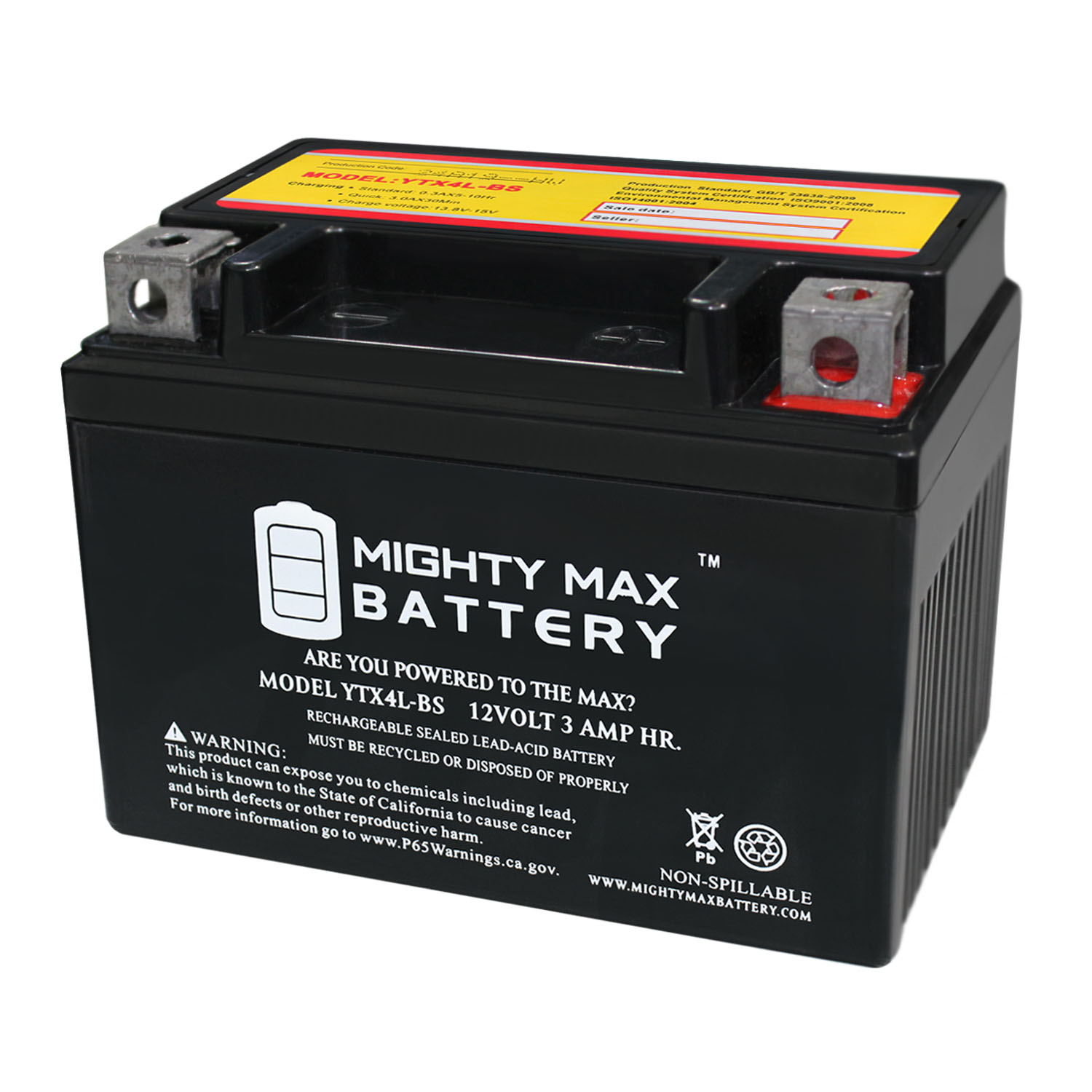
Credit: www.mightymaxbattery.com
Maintaining Optimal Voltage
Maintaining optimal voltage in your motorcycle battery is crucial for its performance. A well-maintained battery ensures your motorcycle starts smoothly and runs efficiently. Below are some essential tips to help you keep your motorcycle battery in top condition.
Regular Checks
Regularly checking your motorcycle battery voltage is vital. Use a multimeter to measure the voltage.
| Battery State | Voltage Range |
|---|---|
| Fully Charged | 12.6 – 12.8 volts |
| Partially Charged | 12.4 – 12.6 volts |
| Discharged | Below 12.4 volts |
Check the voltage every few weeks to avoid surprises. If the voltage is low, charge the battery immediately.
Charging Tips
Proper charging extends your battery life. Always use a charger designed for motorcycle batteries.
- Follow the manufacturer’s instructions for charging.
- Avoid overcharging, which can damage the battery.
- Use a smart charger that stops when the battery is full.
Charge your battery in a well-ventilated area. Ensure the connections are clean and secure before charging. By following these tips, you can maintain optimal voltage in your motorcycle battery and enjoy a reliable ride.
Troubleshooting Voltage Issues
Motorcycle batteries can sometimes face voltage issues. Recognizing these problems early can save you from unexpected breakdowns. This section will help you identify signs of low voltage and how to fix common problems. By understanding these issues, you can keep your motorcycle running smoothly.
Low Voltage Signs
Low voltage in a motorcycle battery can show in various ways. One common sign is a slow engine crank. If the engine struggles to start, the battery might be low. Dim headlights are another indicator. If your lights are not as bright as usual, check the battery voltage. Other electronics may also act up. If your horn sounds weak or the dashboard lights flicker, these are signs. Low voltage can cause intermittent electrical problems. Always be alert to these signs to avoid getting stranded.
Fixing Common Problems
First, check the battery terminals. Corrosion or loose connections can cause voltage drops. Clean the terminals and ensure they are tight. Next, use a multimeter to check the battery voltage. A healthy battery should read around 12.6 volts when fully charged. If the voltage is low, try charging the battery. Use a motorcycle-specific battery charger. Avoid overcharging, as it can damage the battery. If the battery does not hold a charge, it might be time for a replacement. Regular maintenance can help prevent many of these issues. Inspect the motorcycle’s charging system. A faulty alternator or regulator can cause voltage issues. Test these components if the battery seems fine but still loses charge. Seek professional help if needed to avoid further damage.
Upgrading Motorcycle Batteries
Upgrading motorcycle batteries can greatly improve your bike’s performance. Understanding the right voltage is key. This post will explore the benefits of higher voltage and provide installation tips. Let’s dive into how upgrading can make your ride smoother.
Benefits Of Higher Voltage
Higher voltage batteries provide more power. This means better engine start-up. They can handle more accessories without draining quickly. You will notice improved lighting brightness. Higher voltage also supports modern electronics better. It’s a great way to enhance your bike’s overall performance.
Installation Tips
First, check your bike’s manual for voltage compatibility. Use the correct tools to avoid damage. Disconnect the negative terminal first. Then, remove the old battery. Place the new battery in the same position. Connect the positive terminal before the negative. Secure the battery firmly to prevent movement. Test the new battery by starting your bike. Ensure all electrical systems are working properly.
Conclusion And Safety Tips
Understanding motorcycle battery voltage is crucial for safety. Different motorcycles require different voltages. Typically, motorcycle batteries are either 6 volts or 12 volts. Using the correct voltage ensures your motorcycle runs smoothly. Incorrect voltage can cause damage or accidents.
Safety Precautions
Always handle motorcycle batteries with care. Wear gloves and eye protection. Batteries contain sulfuric acid, which can cause burns. Keep batteries away from children and pets. Ensure the battery is securely mounted. Loose batteries can cause short circuits. Regularly check the battery terminals. Clean them to prevent corrosion. Corroded terminals can affect performance.
Proper Disposal
Do not throw old batteries in the trash. They contain harmful chemicals. Take them to a recycling center. Many auto shops accept used batteries. Follow local regulations for disposal. Proper disposal protects the environment. It also keeps hazardous materials out of landfills. Recycling old batteries helps conserve resources.

Credit: www.matchlessclueless.com
Frequently Asked Questions
What Voltage Are Motorcycle Batteries?
Most motorcycle batteries are 12 volts. Some older models use 6 volts. Always check your motorcycle’s manual.
Can I Use A Car Battery For My Motorcycle?
Using a car battery is not recommended. Car batteries are larger and have higher amperage, which can damage your motorcycle’s electrical system.
How Do I Test My Motorcycle Battery Voltage?
Use a multimeter to test the voltage. A fully charged 12-volt battery should read around 12. 6 to 12. 8 volts.
Why Does My Motorcycle Battery Keep Dying?
Frequent short rides, electrical issues, or a failing battery can cause this. Check for parasitic drains and ensure the battery is properly charged.
Conclusion
Understanding motorcycle battery voltage is crucial for your bike’s performance. Most motorcycles use 12-volt batteries. Some smaller bikes may use 6-volt batteries. Always check your bike’s manual for the correct voltage. Proper maintenance extends battery life. Make sure connections are clean and secure.
Regularly charge your battery to avoid issues. Now, you are ready to keep your motorcycle running smoothly. Happy riding!