Transporting a heavy motorcycle, like one that weighs 522 pounds, can raise concerns, especially when it comes to towing it behind a vehicle like a Jeep. Is it feasible to haul such a heavy bike safely? Can the Jeep handle the load? And what about the necessary equipment for a smooth, hassle-free ride?
In this article, we’ll explore the practical considerations, safety precautions, and real-world advice on how to haul a 522-pound bike behind a Jeep. We’ll dive into towing capacities, weight distribution, and offer tips to ensure your motorcycle arrives safely at its destination.
Understanding Towing Capacities of Different Jeep Models
Before you attach a trailer, it’s crucial to know your Jeep’s towing capacity. Different Jeep models come with varying towing capabilities, so understanding your vehicle’s limits is essential for safety and efficiency.
Towing Capacity by Jeep Model:
-
Jeep Wrangler: Known for its off-road capabilities, the Wrangler offers a towing capacity ranging from 2,000 to 3,500 pounds, depending on the model and configuration.
-
Jeep Cherokee: The Cherokee can tow up to 4,500 pounds when properly equipped with the Trailer Tow Group package, making it a good choice for hauling heavier loads.
-
Jeep Grand Cherokee: This model is a robust option with a towing capacity of up to 7,200 pounds, providing ample towing power for motorcycles and other heavy items.
-
Jeep Gladiator: The Gladiator, a pickup-style Jeep, boasts a towing capacity of up to 7,650 pounds, making it ideal for hauling even the heaviest bikes with ease.
When considering whether you can haul a 522-pound bike behind your Jeep, it’s clear that many Jeep models can handle the weight of the bike. However, you must also consider the trailer’s weight and any additional gear.
What You Need to Know About Towing a 522-Pound Bike Behind a Jeep
While most Jeep models can technically handle a 522-pound motorcycle, there are other factors to keep in mind to ensure the safety of both your vehicle and the bike. Here’s a breakdown of the essential considerations:
1. Weight Distribution and Vehicle Dynamics
When towing, weight distribution plays a crucial role in ensuring a smooth ride. Improperly balanced loads can lead to instability, especially when you are driving at higher speeds or over rough terrain. It’s essential to ensure that your load is evenly distributed on the trailer to avoid sway or tipping.
-
Impact on Jeep Handling: A 522-pound bike, even though within the towing capacity, can affect your Jeep’s steering, braking, and overall performance. The added weight requires extra effort for the Jeep to stop and can make sharp turns more difficult.
-
Real-World Impact: Many Jeep owners report that towing a motorcycle, even within the towing limits, can lead to noticeable changes in handling, especially on windy days or when driving at higher speeds.
2. Legal Towing Limits and Regulations
It’s important to stay within the legal towing limits of your vehicle, which vary by region. Exceeding your Jeep’s towing capacity can lead to dangerous situations and potential legal consequences. Many areas have specific laws that regulate towing and the load a vehicle can safely carry.
-
Local Laws: Check your local regulations regarding towing capacity and licensing requirements. Overloading your Jeep may lead to fines or even void insurance coverage in the event of an accident.
Choosing the Right Trailer for Hauling a 522-Pound Bike
Once you’ve confirmed your Jeep’s towing capacity, the next step is choosing the appropriate trailer to safely haul your 522-pound bike. The type of trailer and hitch will significantly impact the safety and ease of transporting your motorcycle.
1. Types of Trailers for Towing Motorcycles
There are a few types of trailers that are commonly used for hauling motorcycles. You should choose one based on your preferences and towing needs:
-
Utility Trailers: These are open trailers that are relatively lightweight and simple to hitch. They are ideal for transporting a single motorcycle but provide little protection from the elements.
-
Enclosed Trailers: For added protection against the elements, an enclosed trailer is a better option. However, these trailers are heavier, which might reduce your Jeep’s towing capacity.
Trailer Considerations:
-
Make sure the combined weight of the trailer and bike does not exceed your Jeep’s towing capacity.
-
Ensure that the trailer has sufficient capacity and stability to safely carry the bike during transport.
-
2. Choosing the Right Hitch
The hitch is one of the most critical components of any towing setup. Jeeps come with different hitch options, and selecting the correct one is crucial to safely transporting a 522-pound bike.
-
Class III Hitches: These hitches are suitable for towing up to 5,000 pounds, making them a good fit for most Jeep models when towing a single motorcycle.
-
Weight Distribution Hitches: These are used for heavier loads and can help distribute the weight more evenly across the Jeep and trailer. This results in better control, especially on rough roads or at higher speeds.
-
Sway Control: For added safety, consider installing sway control bars. These bars will help stabilize the trailer, especially when towing at high speeds or through windy conditions.
How to Secure Your 522-Pound Bike on the Trailer
Once you’ve selected the right trailer and hitch, it’s time to load and secure your 522-pound bike. Proper loading and securing are essential for ensuring your bike stays safe during transport.
1. Loading the Bike
Use a sturdy ramp to load the bike onto the trailer. Ensure the ramp is secure and positioned correctly to avoid accidents.
-
Tip: It’s helpful to have a second person to assist with loading the bike, especially since the bike weighs 522 pounds. Always take your time and ensure the bike is positioned securely on the trailer before moving on to the next step.
2. Tie-Down Straps
Tie-down straps are crucial for securing your bike to the trailer. Use heavy-duty straps and attach them to solid parts of the bike, such as the frame, rather than any movable or fragile parts. Tighten the straps enough to keep the bike in place without causing any damage.
-
Tip: Use a minimum of four tie-down straps to secure the bike properly. This will keep it steady and prevent any unnecessary movement during transport.
3. Wheel Chocks
Wheel chocks are a must-have to prevent your motorcycle from rolling while in transit. Place the chocks at the front and rear of the wheels to hold the bike securely in place.
-
Tip: Ensure the chocks are positioned correctly before tightening the straps. This will give your bike additional support and prevent unwanted movement.
Impact on Jeep Performance When Towing a 522-Pound Bike
While towing a 522-pound bike behind your Jeep may be within your vehicle’s towing limits, it’s important to recognize the effect it can have on your vehicle’s performance. The additional weight from both the bike and the trailer places strain on various vehicle systems, which can impact fuel efficiency, handling, and overall wear and tear. Let’s look at the key areas affected by towing this load.
1. Fuel Efficiency
Towing a heavy load like a 522-pound bike will almost certainly decrease your Jeep’s fuel efficiency. The added weight, as well as the increased aerodynamic drag from towing a trailer, means your Jeep will consume more fuel than when driving without a trailer.
-
Fuel Consumption Impact: Expect a noticeable decrease in miles per gallon (MPG), particularly on long-haul trips or when driving through hilly terrain. For example, a vehicle that typically achieves 20 MPG may drop to 15 MPG or even less when towing a heavy motorcycle.
-
Driving Style Impact: To reduce fuel consumption, consider adopting a gentler driving style, such as avoiding rapid acceleration and high speeds.
2. Wear and Tear on Your Jeep
Towing places significant additional stress on various vehicle systems, including the engine, transmission, brakes, and suspension. If you plan to tow regularly, it’s important to monitor your Jeep’s maintenance schedule closely to prevent excessive wear.
-
Engine Strain: The engine will work harder to tow a 522-pound motorcycle, which could lead to overheating or excessive engine strain if not managed correctly.
-
Transmission and Brakes: Towing also affects your transmission and brakes. The added weight increases the time it takes to stop the vehicle, which could lead to brake wear if you don’t adjust your driving habits. Over time, this extra strain could result in premature transmission or brake failure if not maintained.
-
Suspension Damage: Your Jeep’s suspension system will also take a hit when towing heavy loads. Over time, this could lead to suspension problems, especially if you consistently tow near your Jeep’s maximum capacity.
3. Handling and Steering
Towing a trailer with a motorcycle also impacts your Jeep’s handling, especially in terms of steering and stability. The additional weight behind the vehicle can make sharp turns more difficult and reduce the vehicle’s overall responsiveness.
-
Impact on Handling: The weight can make your Jeep feel sluggish when changing lanes, turning, or maneuvering through tight spaces. At higher speeds, the trailer may sway if not properly secured, affecting both vehicle stability and comfort.
-
Increased Braking Distance: The added weight extends your braking distance. This can be dangerous in emergency situations, especially if you’re towing a 522-pound bike down a steep hill or on a busy road.
4. Long-Term Considerations
Over time, regular towing can lead to increased wear on your Jeep’s engine, suspension, brakes, and tires. For frequent towing, consider investing in heavy-duty parts or making modifications to your Jeep to improve towing capabilities and reduce wear.
-
Towing Mods: Consider upgrading your Jeep’s suspension system, installing a larger brake kit, or reinforcing your towing setup with enhanced hitches and sway control systems.
-
Regular Maintenance: Maintain a close eye on your Jeep’s health by scheduling regular maintenance, especially if you tow frequently. Keeping up with oil changes, brake checks, and suspension inspections is essential to prolong your vehicle’s life.
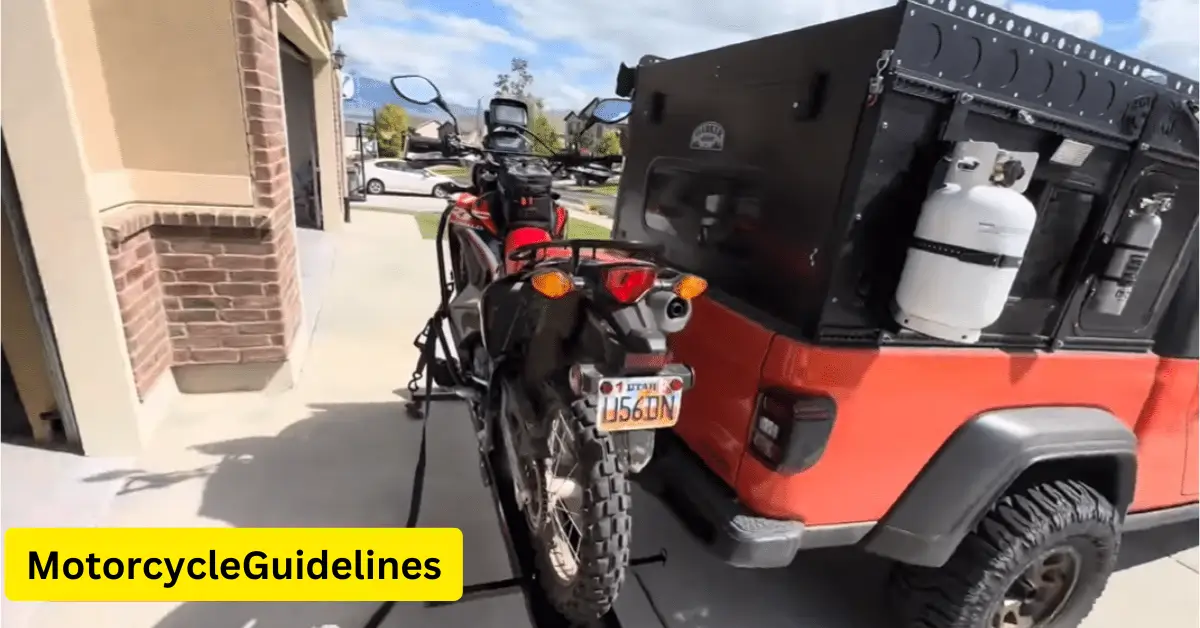
Real-World Insights and Experiences from Jeep Owners
Towing a 522-pound bike behind your Jeep isn’t an uncommon practice. Many Jeep owners frequently tow motorcycles and other heavy items, offering valuable lessons and insights from their experiences. Here are a few case studies to help guide your decision:
1. John’s Jeep Wrangler and His Harley-Davidson
John owns a Jeep Wrangler and regularly tows his 600-pound Harley-Davidson motorcycle on a utility trailer. He’s found that the Wrangler handles the load relatively well, but stresses the importance of proper hitching and weight distribution.
-
Key Takeaways: John mentions that the Wrangler can manage the weight but advises that driving cautiously, particularly on hilly or windy roads, is essential for a smooth towing experience. He also recommends checking tire pressure and ensuring that the load is balanced before setting out.
2. Sarah’s Jeep Grand Cherokee and Her Ducati
Sarah, who drives a Jeep Grand Cherokee, uses an enclosed trailer to haul her 550-pound Ducati motorcycle. While she praises her Jeep for handling the weight with ease, she notes that fuel efficiency drops by about 20% on long trips.
-
Key Takeaways: Sarah emphasizes the importance of having the right trailer and hitch setup to ensure a stable ride. She also mentions that while her Grand Cherokee can tow the bike comfortably, she always ensures regular brake and suspension checks after each trip.
3. Community Insights
Many Jeep owners share their experiences online, offering tips for handling heavier loads. Forums and Jeep enthusiast communities are great places to learn from others’ towing experiences and gather information on improving towing safety and efficiency.
-
Tip from the Community: Several users suggest investing in weight distribution hitches and sway bars to further enhance stability and handling when towing heavy motorcycles. Additionally, some users recommend adding auxiliary cooling systems for the transmission if towing frequently.
Safety Precautions and Best Practices for Towing a 522-Pound Bike
When towing any heavy load, safety is a priority. Here’s a checklist of precautions and best practices to ensure a safe towing experience:
Pre-Towing Checklist:
-
Tire Pressure: Ensure all tires, including those on the trailer, are properly inflated to avoid blowouts and improve towing efficiency.
-
Hitch Security: Double-check that the hitch is securely attached and locked. Make sure all safety chains are properly connected.
-
Lights and Signals: Test all lights and signals on both the Jeep and the trailer to ensure they’re functioning, especially brake lights and turn signals.
-
Load Check: Verify that the motorcycle is securely tied down and that the load is balanced. If using straps, ensure they are heavy-duty and securely attached.
Driving Tips:
-
Speed Control: Keep your speed lower than usual, especially on highways or when driving through tight turns.
-
Avoid Sharp Turns: Make wide turns and avoid sudden changes in direction to prevent swaying or instability.
-
Brake Early: Anticipate stops and brake earlier than you would without the trailer to account for the added weight and increased braking distance.
-
Manage Hills Carefully: When ascending, use a lower gear to maintain control. When descending, downshift to control your speed rather than riding the brakes.
Emergency Preparedness:
-
Pull Over Safely: If you experience sway, tire issues, or any unexpected problems, pull over as soon as it’s safe to assess the situation.
-
Use Emergency Equipment: Always carry emergency triangles or flares to alert other drivers in case of a breakdown.
-
Stay with Your Vehicle: If it’s safe to do so, stay with your vehicle and call for roadside assistance rather than leaving the area.
Alternative Solutions to Hauling a 522-Pound Bike Behind a Jeep
While towing a heavy bike behind your Jeep is feasible with the right setup, there are other alternatives that might be more suitable depending on your needs, especially if you want to avoid the potential wear on your Jeep or prefer a more efficient transport method.
1. Professional Motorcycle Transport Services
If you’re not comfortable with the idea of towing your bike yourself, or if you’re concerned about the strain on your Jeep, professional motorcycle transport services can be an excellent alternative. These companies specialize in transporting motorcycles and are equipped with the right tools, trailers, and knowledge to do the job safely and efficiently.
-
Pros:
-
Expert Handling: Professionals handle the loading, unloading, and transportation of your motorcycle.
-
Less Stress: No need to worry about towing, weight distribution, or additional wear on your vehicle.
-
Safety: Professional services can ensure your bike is securely transported, preventing damage during the trip.
-
-
Cons:
-
Cost: This service can be expensive, especially for long-distance transport.
-
Limited Flexibility: You’ll need to schedule the transport in advance, which might not be ideal for spontaneous trips.
-
2. Use of a Pickup Truck or Larger SUV
If your Jeep doesn’t quite cut it for towing, consider using a pickup truck or a larger SUV with a higher towing capacity. These vehicles are specifically designed for hauling and might provide a more stable and comfortable towing experience.
-
Benefits:
-
Higher Towing Capacity: Pickup trucks, especially larger models like the Ford F-150 or Chevy Silverado, can comfortably tow much heavier loads.
-
Improved Stability: Larger vehicles are often better equipped to handle heavy trailers, reducing the risk of swaying or instability.
-
-
Drawbacks:
-
Fuel Efficiency: Larger vehicles tend to have lower fuel efficiency, so towing with them could result in higher fuel costs.
-
Size: Pickup trucks are often larger and may be less convenient for everyday driving compared to a Jeep.
-
3. Motorcycle Tow Dollies
For short-distance transportation, a motorcycle tow dolly might be an option. These are small, single-axle trailers designed specifically for carrying motorcycles. The bike is mounted on the dolly, and the dolly is then towed behind a vehicle.
-
Pros:
-
Compact and Easy to Store: A tow dolly is small and doesn’t take up much storage space when not in use.
-
Simplicity: They are relatively simple to use, and many are designed for easy loading and unloading.
-
-
Cons:
-
Limited Weight Capacity: Motorcycle tow dollies may not be suitable for larger bikes or motorcycles that exceed certain weight limits.
-
Less Protection: While they secure your bike, the lack of coverage means the bike may be more exposed to the elements than when using an enclosed trailer.
-
4. Flatbed Trailers
If you want to avoid the complexity of loading a bike onto a traditional motorcycle trailer, a flatbed trailer could be an alternative. These trailers offer a flat surface and can be used for various vehicles, including motorcycles.
-
Benefits:
-
Versatility: A flatbed trailer can be used to transport other items, not just motorcycles.
-
Easy Loading: There’s no need to navigate a ramp to load your bike; it can simply be driven onto the flatbed.
-
-
Drawbacks:
-
More Expensive: Flatbed trailers tend to be more expensive than standard utility trailers.
-
Storage Space: These trailers take up more space and may be harder to store when not in use.
-
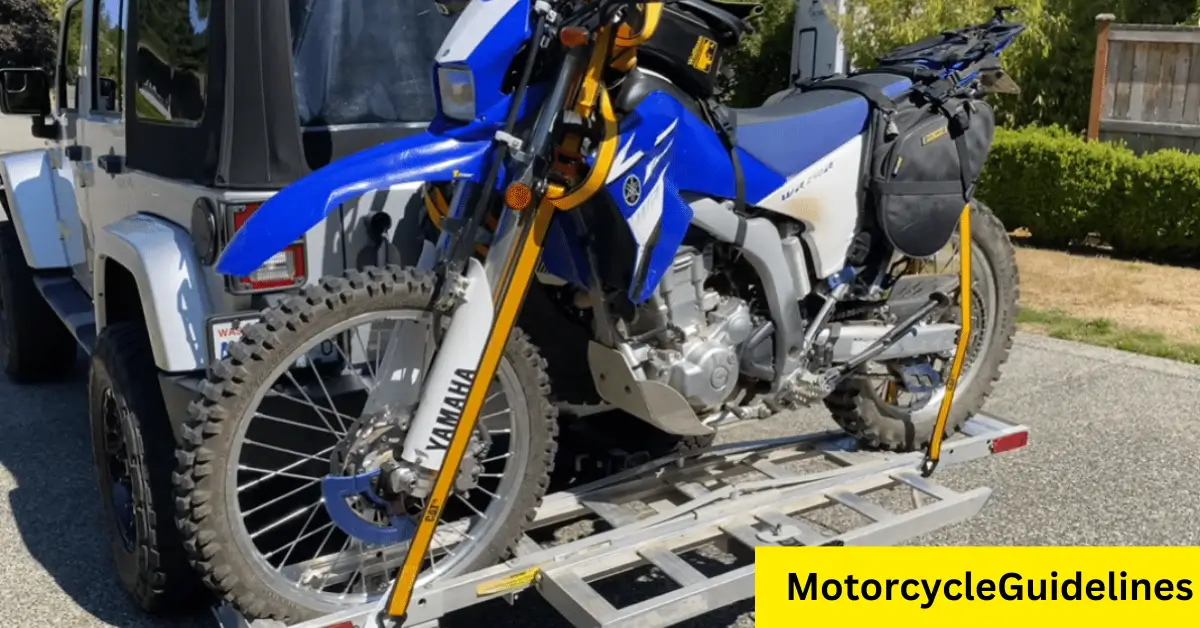
Conclusion: Hauling a 522-Pound Bike Behind a Jeep
So, can you haul a 522-pound bike behind a Jeep? Absolutely. With the right setup—such as understanding your Jeep’s towing capacity, choosing the correct trailer, and taking the necessary safety precautions—it’s very feasible to transport your motorcycle. Whether you’re using a Jeep Wrangler, Cherokee, or Gladiator, understanding the specifics of towing and weight distribution will ensure a safe and effective journey.
However, it’s crucial to keep in mind the impact that towing has on your vehicle’s performance, fuel efficiency, and wear and tear. Proper planning, regular maintenance, and using the right equipment are key to a smooth towing experience.
If towing a bike behind your Jeep doesn’t seem ideal for your needs, consider alternatives like professional transport services, using a larger vehicle with a higher towing capacity, or opting for a tow dolly or flatbed trailer. These options can provide more convenience and less strain on your Jeep, ensuring a safer and more efficient transport method.
By understanding all the factors involved—towing capacity, trailer options, hitch types, and safety precautions—you can confidently haul your motorcycle behind your Jeep without worrying about damage or inefficiency.


