
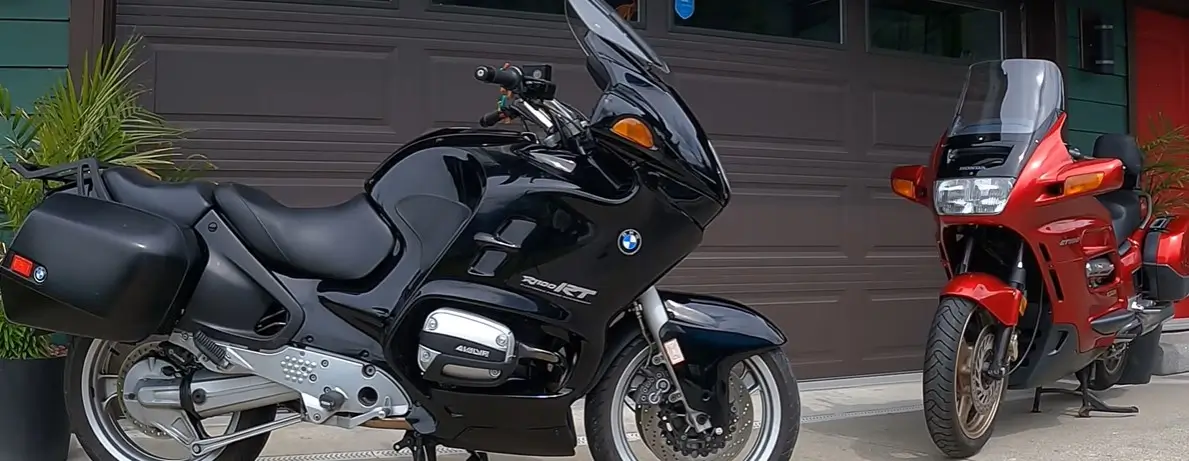
The Honda ST1100, also known as the Pan European, is a beloved sport-touring motorcycle known for its comfort and reliability. However, like any vehicle, it is not immune to problems.
In this article, we will delve into the common issues faced by ST1100 owners, drawing insights from various motorcycle forums and expert reviews. By understanding these problems, potential buyers can make informed decisions, while current owners can learn maintenance tips to prolong the life of their bikes.
We will discuss mechanical failures, electrical issues, and maintenance practices that can help mitigate these problems, ensuring that riders can enjoy their ST1100 for many miles to come.
Quick Answer
The most common Honda ST1100 problems include swingarm corrosion, brake caliper seizure, starter relay failure, alternator issues, and carburetor-related fuel problems. Most of these issues are age-related and can be prevented with regular maintenance and timely inspections. With proper care, the Honda ST1100 remains one of the most reliable sport-touring motorcycles ever built.
Common Mechanical Issues
The Honda ST1100 is known for its robust engineering; however, certain mechanical issues have been reported by owners over the years. In this section, we will explore the most common mechanical problems, including swingarm corrosion, brake caliper issues, and final drive wear.
Swingarm Corrosion
Swingarm corrosion is a notable issue for many ST1100 owners, particularly those living in regions where roads are salted during winter. The swingarm can rust through, which poses safety risks and can lead to significant repair costs if not addressed promptly.
Owners are advised to inspect their swingarms regularly, especially in areas where the paint is bubbling or flaking. This inspection typically requires removing the rear wheel to get a good look at the swingarm’s condition.
Brake Caliper Seizure
Another common problem is brake caliper seizure, which can occur when dirt and debris accumulate around the caliper’s pistons. Owners have reported issues with binding brakes, which can lead to poor braking performance and uneven tire wear.
Regular cleaning and maintenance of brake calipers are essential, particularly during routine brake pad replacements. It’s recommended to disassemble and clean the calipers every few months to prevent binding.
Final Drive Wear
Final drive wear is also a concern for ST1100 owners, particularly if the bike has not been maintained properly. Regular lubrication of the drive splines is crucial to prolonging their life.
Neglecting this maintenance can lead to sudden loss of drive, which can be dangerous while riding. Owners should check and lubricate the final drive splines whenever the rear wheel is removed.
| Mechanical Issue | Symptoms | Potential Fixes |
|---|---|---|
| Swingarm Corrosion | Visible rust, paint bubbling | Inspect and replace as necessary |
| Brake Caliper Seizure | Brakes binding, poor performance | Regular cleaning and maintenance |
| Final Drive Wear | Loss of drive, noise from rear | Regular lubrication, inspection |
The table above summarizes the common mechanical issues faced by ST1100 owners. Swingarm corrosion is a significant issue due to exposure to road salt, especially in winter months.
Owners should be vigilant in checking for signs of rust and take appropriate action when necessary. Brake caliper seizures can severely affect braking efficiency, making regular maintenance critical.
Lastly, ensuring proper lubrication of the final drive components is essential for preventing wear and maintaining performance. Addressing these issues proactively can help extend the lifespan of the ST1100 and enhance the overall riding experience.
Electrical System Failures
The electrical system of the Honda ST1100 can present various challenges, particularly as the bike ages. This section will address common electrical issues, including starter relay failures, alternator problems, and electrical wiring concerns.
Starter Relay Issues
One of the most frequently mentioned electrical problems among ST1100 owners is the failure of the starter relay. This component controls all electrical functions of the bike, and when it fails, it can leave the rider with a completely dead motorcycle.
Symptoms of a failing starter relay include intermittent electrical failures or a complete lack of power. Regularly cleaning the relay and replacing the fuse can help prolong its life.
Alternator Failures
Alternator issues have also been reported, particularly in older models. The original 28A alternators used in models up to 1995 are known for their susceptibility to failure.
Owners have noted that the alternators can corrode, especially if the bike has been left unused for extended periods. Upgrading to a newer model with a 40A alternator can enhance reliability significantly.
It’s important for owners to monitor the alternator’s performance and replace it when necessary.
Electrical Wiring Problems
Electrical wiring problems can arise due to age and exposure to the elements. Issues such as corrosion at connectors or damaged insulation can lead to shorts or intermittent power loss.
Owners should routinely inspect wiring harnesses and connectors for any signs of wear or damage. Simple preventive measures, such as applying dielectric grease to connections, can help mitigate these issues.
| Electrical Issue | Symptoms | Potential Fixes |
|---|---|---|
| Starter Relay Failure | Dead motorcycle, intermittent power | Replace relay, clean contacts |
| Alternator Problems | Battery not charging, corrosion | Inspect regularly, consider upgrading |
| Wiring Issues | Electrical shorts, power loss | Inspect and repair damaged wiring |
The electrical issues outlined in the table above provide a clear overview of common problems faced by Honda ST1100 owners. The starter relay is crucial for the bike’s electrical function, and its failure can be catastrophic.
Regular maintenance and timely replacement can prevent unexpected breakdowns. Alternator failures are particularly troubling on older models, making it advisable for owners to consider upgrades to newer alternator systems.
Lastly, ensuring the integrity of the wiring harness can prevent many electrical problems, enhancing the reliability of the bike.
Carburetor and Fuel System Problems

Carburetor and fuel system issues are prevalent in the ST1100, particularly in models that have not been regularly maintained or have remained idle for extended periods. This section covers common problems related to carburetors and fuel systems, including fuel starvation and the necessity of carb cleaning.
Carb Cleaning Necessity
One of the most common complaints among ST1100 owners is the need for regular carb cleaning. The ST1100 is equipped with multiple carburetors, and neglecting to clean them can lead to performance issues.
Clogged jets can cause fuel starvation, resulting in poor acceleration and rough idling. Owners should make it a habit to clean the carbs at regular intervals or after the bike has been sitting for a while.
Symptoms of Fuel Starvation
Fuel starvation is characterized by symptoms such as hesitation during acceleration, stalling, or difficulty starting the bike. Owners may also notice a decrease in power during rides.
Regularly inspecting and cleaning the fuel filter can help prevent these issues, as a clogged filter can restrict fuel flow to the carburetors.
Fuel Filter Maintenance
Maintaining the fuel filter is crucial for the overall performance of the ST1100. A clogged filter can lead to fuel starvation and may necessitate a more extensive cleaning of the carburetors.
Owners should be aware of the signs of a failing fuel filter, such as reduced power and poor fuel economy, and replace it as part of regular maintenance.
| Fuel System Issue | Symptoms | Potential Fixes |
|---|---|---|
| Carb Cleaning | Poor acceleration, rough idle | Regular cleaning and maintenance |
| Fuel Starvation | Hesitation, stalling | Inspect and clean fuel lines |
| Fuel Filter Issues | Reduced power, poor economy | Regular replacement and inspection |
The table above summarizes the common carburetor and fuel system issues faced by ST1100 owners. Regular carb cleaning is essential as fuel deposits can build up, leading to performance issues.
Fuel starvation can significantly affect the riding experience, making it crucial for owners to maintain clean and functional fuel systems. Lastly, regularly replacing the fuel filter can prevent clogs that lead to more serious carburetor issues, ensuring that the bike runs smoothly.
Maintenance Tips for Longevity
Regular Oil Changes
Regular oil changes are vital for maintaining the health of the ST1100’s engine. It is generally recommended to change the oil every 4,000 to 6,000 miles or at least once a year, depending on usage.
Using high-quality oil and filters will ensure that the engine remains lubricated and free of contaminants.
Timing Belt Replacement
The timing belt is another critical component that requires attention. Honda recommends replacing the timing belt every 90,000 miles.
However, owners are advised to consider replacing it sooner if the bike has been subjected to harsh conditions or has a questionable service history. A failure of the timing belt can lead to catastrophic engine damage.
Checking Valve Clearances
Checking valve clearances is an important maintenance task that should not be overlooked. This should ideally be done every 16,000 miles as part of the service schedule.
Incorrect valve clearances can lead to poor engine performance and fuel economy, making it essential for owners to check and adjust them as needed.
| Maintenance Task | Recommended Interval | Importance |
|---|---|---|
| Oil Changes | 4,000 – 6,000 miles | Engine health and lubrication |
| Timing Belt Replacement | 90,000 miles | Prevent catastrophic failure |
| Valve Clearance Checks | 16,000 miles | Optimize performance and economy |
The maintenance tasks outlined in the table above are crucial for ensuring the longevity of the ST1100. Regular oil changes help in keeping the engine clean and lubricated, while timely replacement of the timing belt can save owners from expensive repairs.
Checking valve clearances will ensure that the engine operates efficiently, preventing performance issues down the line. Following this maintenance schedule can greatly enhance the riding experience and reliability of the ST1100.
Which Honda ST1100 Model Years Have the Most Problems?
Not all Honda ST1100 models are affected equally. Earlier models, especially those built between 1991 and 1995, are more likely to experience electrical issues because they came with a 28-amp alternator, which is known to be less reliable over time. Starting with the 1996 model year, Honda upgraded the bike to a 40-amp alternator, offering better charging performance and improved reliability.
Regardless of the model year, regular maintenance plays a much bigger role than age alone. A well-maintained early ST1100 can often be more dependable than a neglected newer model. Before buying a used ST1100, always check its service history, inspect the charging system, and look for signs of rust, brake wear, and fuel system problems.
Buying Considerations for Used ST1100s
For those looking to purchase a used Honda ST1100, there are several important factors to consider. In this section, we will discuss what potential buyers should inspect, including service history, condition checks, and the common issues to look for.
Inspecting for Rust and Damage
When inspecting a used ST1100, checking for rust and damage is paramount. Pay particular attention to the swingarm and exhaust system, as these areas are prone to corrosion.
Look for bubbling paint or flaking in these areas, which can indicate underlying rust. If possible, remove the rear wheel to get a better view of the swingarm condition.
Verifying Service Records
Verifying the service history of the bike is essential. A well-documented service history can provide insight into how well the bike has been maintained.
Look for records of regular oil changes, timing belt replacements, and any major repairs. A bike with a comprehensive service history is likely to be a more reliable purchase.
Test Ride Considerations
Before making a purchase, it is advisable to take the bike for a test ride. During the ride, pay attention to the bike’s performance, handling, and braking.
Listen for any unusual sounds that could indicate mechanical issues. A bike that hesitates during acceleration or has poor braking performance may have underlying problems that need to be addressed.
| Inspection Area | What to Look For | Significance |
|---|---|---|
| Swingarm | Rust, corrosion | Safety and repair costs |
| Service Records | Regular maintenance records | Reliability of purchase |
| Test Ride | Performance, handling | Identifying mechanical issues |
The table above provides key considerations for potential buyers of a used Honda ST1100. Inspecting the swingarm for rust can help avoid significant repair costs down the line.
Verifying service records is vital in ensuring the bike has been well-maintained, leading to increased reliability. Finally, taking the bike for a test ride allows buyers to assess its performance and identify any potential issues before making a purchase.
Owner Experiences and Testimonials
Owner experiences and testimonials can provide valuable insights into the ST1100’s performance and reliability over time. In this section, we will share anecdotes from current ST1100 owners regarding their experiences with the motorcycle.
High Mileage Stories
Many ST1100 owners report high mileage without significant issues. Anecdotes of bikes surpassing 100,000 miles are common, with some owners noting that routine maintenance is all that is required to keep the bike running smoothly.
This speaks to the reliability of the ST1100 and its ability to handle long-distance touring.
Common Modifications
Owners often share their experiences with modifications that enhance the performance and comfort of the ST1100. Common upgrades include aftermarket exhaust systems, upgraded suspension components, and custom windshields.
These modifications can address specific owner preferences and improve the overall riding experience.
Community Support and Resources
The ST1100 has a strong community of owners who provide support and resources for fellow riders. Online forums and social media groups offer a wealth of information, from maintenance tips to troubleshooting advice.
Many experienced owners are willing to share their knowledge and help newer riders navigate common issues.
| Owner Experience | Mileage | Common Upgrades |
|---|---|---|
| Routine maintenance, high reliability | 100,000+ miles | Aftermarket exhaust, suspension upgrades |
| Supportive community, shared knowledge | Varies | Custom windshields, comfort modifications |
The experiences shared in the table highlight the resilience of the Honda ST1100. Many owners have enjoyed high mileage with minimal issues, reinforcing the bike’s reputation for reliability.
Common modifications enhance the riding experience, reflecting the adaptability of the ST1100. Furthermore, the strong community support available to ST1100 owners ensures that help is readily accessible, making it easier for riders to enjoy their motorcycles.
FAQ Section
What are the most common problems with the Honda ST1100?
The most common issues with the ST1100 include swingarm corrosion, brake caliper seizure, starter relay failures, and carburetor cleaning needs. Regular maintenance and inspections can help mitigate these issues.
How can I prevent rust on my ST1100?
To prevent rust, regularly inspect the swingarm and exhaust for signs of corrosion. Keep the bike clean, and consider using rust-resistant paint on vulnerable areas. Storing the bike in a dry environment can also help.
What maintenance should I perform regularly on my ST1100?
Regular maintenance should include oil changes every 4,000 to 6,000 miles, timing belt replacements at 90,000 miles, and checking valve clearances every 16,000 miles.
How do I troubleshoot electrical issues on my ST1100?
Start by inspecting the starter relay, alternator, and wiring connections for any signs of wear or corrosion. Testing the battery voltage and ensuring clean connections can also help identify electrical problems.
What is the recommended mileage for replacing the timing belt?
The recommended mileage for replacing the timing belt on the ST1100 is 90,000 miles. However, if the bike has been subjected to harsh conditions, it may be wise to replace it sooner.
Conclusion
In conclusion, while the Honda ST1100 is celebrated for its reliability and comfort, it is not without its share of issues. By understanding and addressing common problems such as mechanical failures, electrical issues, and maintaining the bike properly, owners can ensure a long and enjoyable riding experience.
Current and prospective owners alike should stay informed about the potential challenges and best practices for maintenance, allowing them to make the most of this iconic motorcycle.