
Starting a motorcycle can be an exhilarating experience, but when the engine fails to crank, it can quickly turn into a frustrating ordeal. Understanding the symptoms of a bad motorcycle starter is crucial for any rider, as it can save time, money, and hassle.
This article will explore common signs indicating a malfunctioning starter motor, including electrical issues, abnormal sounds, and intermittent starting problems. By diagnosing these symptoms early, motorcycle owners can either address the issue themselves or seek professional help before it escalates into a more significant problem.
The information provided here will empower riders to keep their motorcycles in optimal condition and enjoy a smooth ride every time.
Understanding the Motorcycle Starter System
The motorcycle starter system is a crucial component in initiating the engine’s operation. It consists of several key components working together to crank the engine.
Understanding how these parts interact is essential for diagnosing issues effectively.
Credit: https://carorbis.com/
Components of the Starter System
The primary components of the motorcycle starter system include:
- Battery: Supplies electrical energy to the entire motorcycle, including the starter motor.
- Starter Solenoid: Acts as a relay switch, allowing high current to flow from the battery to the starter motor.
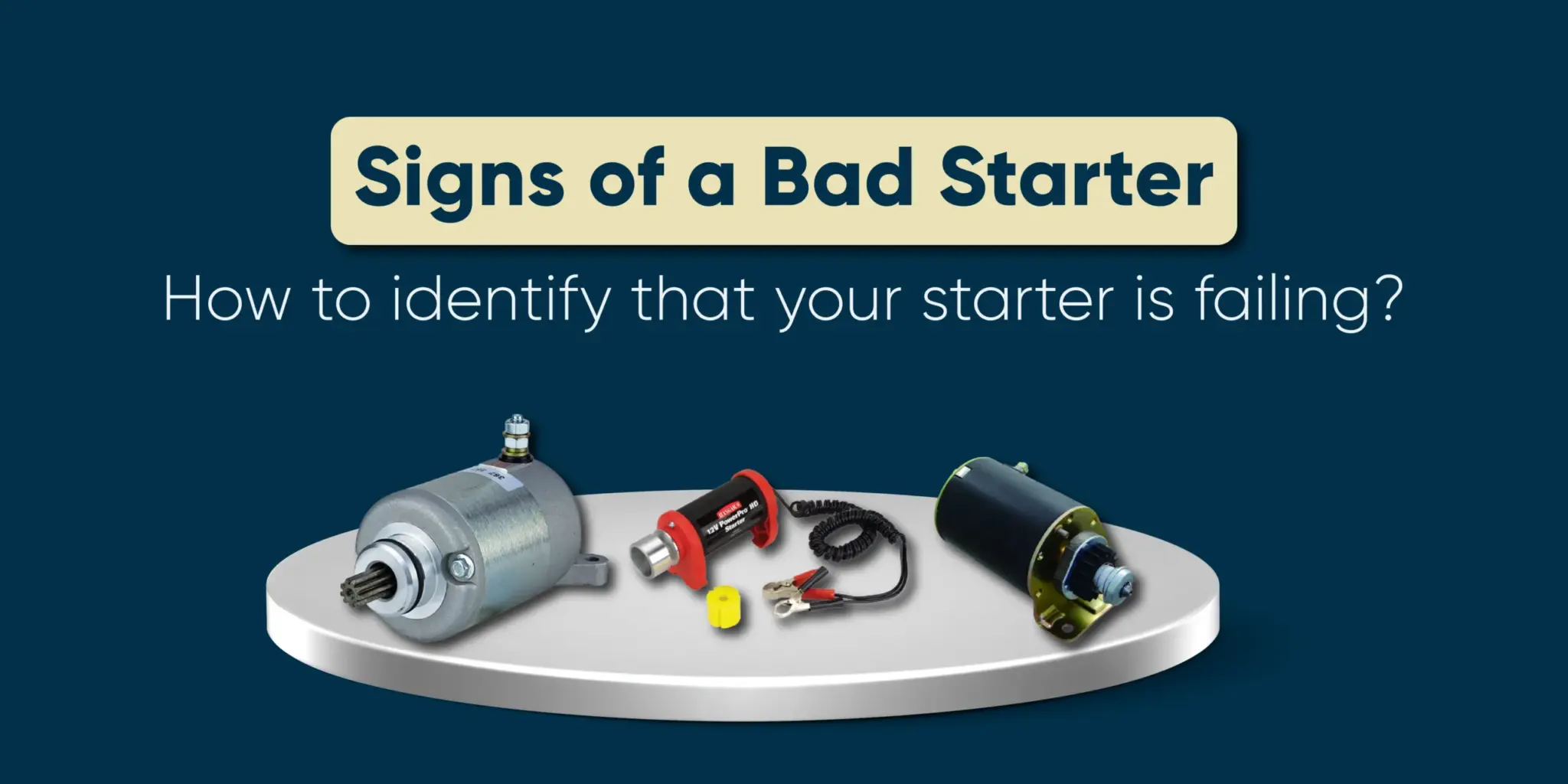
- Starter Motor: The motor responsible for physically turning the engine over to initiate combustion.
How the Starter Motor Works
The starter motor operates by converting electrical energy from the battery into mechanical energy. When the rider presses the start button, an electrical signal is sent to the solenoid, which then engages the starter motor.
This motor turns the engine’s flywheel, initiating the combustion process necessary for engine operation.
Role of the Battery and Relay
The battery plays a vital role in providing the necessary voltage—typically around 12 volts—to power the starter motor. The starter relay is responsible for amplifying this signal, allowing the starter motor to draw the high current needed for operation.
Without a properly functioning battery or relay, the starter system will fail to engage.
| Component | Function | Voltage Requirements | Average Lifespan |
|---|---|---|---|
| Battery | Supplies power to the electrical systems | 12V | 3-5 years |
| Starter Motor | Turns the engine over for starting | 12V | 5-10 years |
| Starter Relay | Controls the flow of current to the starter motor | 12V | 5-8 years |
This table outlines the key components of the motorcycle starter system, their functions, voltage requirements, and average lifespans. Notably, the starter motor and relay both operate at a standard voltage of 12V, essential for their proper functioning.
The battery’s lifespan is crucial; if it fails, it can lead to complications in starting the motorcycle. The data indicates that while the starter motor can last up to 10 years, both the relay and battery usually require more frequent replacement.
Understanding these components helps riders identify potential issues and perform timely maintenance.
Common Symptoms of a Bad Motorcycle Starter
Recognizing the symptoms of a bad motorcycle starter is essential for effective troubleshooting. Here are the primary symptoms that indicate a starter motor issue:
Engine Cranks Slowly
If the engine cranks slowly, it could indicate insufficient power from the battery or an issue with the starter motor itself. A healthy battery should provide strong cranking power; if it struggles, further investigation is needed.
Clicking or Grinding Noises
Unusual sounds such as clicking or grinding when attempting to start the engine are telltale signs of starter motor problems. A single click often indicates a faulty solenoid, while grinding noises suggest that the starter gears are not engaging properly.
Engine Won’t Start Despite Battery Power
In some cases, the motorcycle may show no signs of starting even when the battery is charged. This condition can arise from issues in the starter motor, solenoid, or wiring connections.
| Symptom | Possible Causes | Frequency of Occurrence | Potential Impact on Performance |
|---|---|---|---|
| Engine Cranks Slowly | Weak battery, faulty starter motor | Common | Engine may fail to start |
| Clicking Noises | Faulty solenoid, poor electrical connection | Frequent | May lead to non-start conditions |
| Grinding Noises | Worn gears, starter clutch issues | Less common | Potential damage to starter and flywheel |
This table summarizes the common symptoms of a bad motorcycle starter alongside their possible causes, occurrence frequency, and potential impacts on performance. The symptoms are prevalent among riders, particularly slow cranking which can be attributed to a weak battery or starter motor issues.
Clicking noises, often linked to solenoid faults, indicate a need for immediate attention to prevent further complications. Grinding noises, while less common, can lead to significant mechanical damage and should not be ignored.
Riders should take these symptoms seriously and act promptly to prevent worsening conditions.
Diagnosing the Root Causes of Starting Issues
To effectively troubleshoot a motorcycle’s starting issues, riders must follow systematic diagnostic steps. Here are the essential steps to identify potential problems in the starter system:
Testing the Battery
Begin by checking the battery’s voltage. A fully charged motorcycle battery should read around 12.6 volts.
If the voltage is lower, the battery may be weak and need charging or replacement. Additionally, inspecting for physical damage or swelling can provide clues about battery health.
Inspecting Electrical Connections
Loose or corroded electrical connections can significantly affect the starter system’s performance. Inspect all connections related to the battery, starter solenoid, and starter motor.
Cleaning corroded terminals and ensuring tight connections are critical steps in this diagnosis.
Checking the Starter Relay
Next, test the starter relay. Use a multimeter to check for continuity and ensure it is engaging when the start button is pressed.
A faulty relay may prevent enough current from reaching the starter motor, impacting its operation.
| Diagnostic Step | Description | Expected Outcome |
|---|---|---|
| Battery Testing | Measure voltage using a multimeter | Voltage reading of 12.6V or higher |
| Inspect Connections | Check for corrosion and tightness | All connections clean and secure |
| Relay Check | Test for continuity and engagement | Relay engages and allows current flow |
This diagnostic table outlines the essential steps for diagnosing starting issues in a motorcycle. Each step details the expected outcomes, providing a clear path for riders to follow.
Testing the battery is paramount; a reading below 12.6V requires immediate attention. Additionally, inspecting connections can prevent minor issues from escalating into significant problems.
Lastly, checking the relay ensures that the starter motor receives the necessary power to function properly. Following these steps can help riders pinpoint the source of starting issues and implement appropriate solutions.
Troubleshooting Techniques for Common Symptoms
Once riders have identified symptoms of a bad motorcycle starter, they can implement troubleshooting techniques to address each issue. Below are actionable steps for the most common symptoms:
Handling Slow Cranking
If the engine cranks slowly, start with battery tests. Ensure the battery is fully charged and in good condition.
If it is, inspect the starter motor for wear, as it may need cleaning or replacement. Cleaning corroded terminals can also improve performance.
Addressing Clicking Noises
Clicking noises usually indicate a problem with the starter solenoid or battery connections. Begin by checking the battery voltage and cleaning terminals.
If the solenoid is suspected, a continuity test will confirm its functionality. If it fails, replacement is necessary.
Fixing Complete No-Start Conditions
For motorcycles that won’t start at all, check if the starter relay engages when the start button is pressed. If not, the relay may need replacement.
Additionally, inspect the starter motor for any physical damage or wear. If the starter motor is faulty, it will require repair or replacement.
| Symptom | Troubleshooting Steps | Tools Needed |
|---|---|---|
| Slow Cranking | Check battery voltage, inspect starter | Multimeter, cleaning tools |
| Clicking Noises | Inspect battery connections, test solenoid | Multimeter, tools for cleaning |
| No Start | Check relay function, inspect starter motor | Multimeter, wrenches |
This troubleshooting table provides a concise overview of common symptoms and the corresponding steps to resolve them. Riders can identify the necessary tools for each task, streamlining the diagnostic process.
Addressing slow cranking requires checking the battery and starter motor, ensuring that both components are functioning optimally. For clicking noises, it is crucial to inspect battery connections and test the solenoid for faults.
Finally, a no-start condition demands thorough checks of both the starter relay and motor, which may need repair or replacement. This structured approach empowers riders to tackle starter issues effectively.
When to Seek Professional Help
While many motorcycle owners can troubleshoot starter problems on their own, some situations warrant professional assistance. Here are signs that indicate it may be time to consult a mechanic:
Signs of Serious Problems
If the motorcycle exhibits persistent starting issues despite troubleshooting, it may indicate a more severe underlying problem. Issues such as electrical failures or mechanical damage may require expert diagnosis and repair.
Benefits of Professional Diagnostics
Consulting a professional mechanic can save time and prevent further damage. Mechanics have access to specialized tools and knowledge to accurately diagnose and repair complex issues that a typical rider may not recognize.
How to Choose a Mechanic
When seeking professional help, look for mechanics who specialize in motorcycle repairs. Check reviews and ask for recommendations to ensure quality service.
A knowledgeable mechanic can provide a thorough assessment and reliable repairs.
| Indicator | Recommended Action | Potential Costs |
|---|---|---|
| Persistent Starting Issues | Consult a professional mechanic | $50-$150 for diagnostics |
| Electrical Failures | Seek expert diagnosis | $100-$300 for repairs |
| Mechanical Damage | Professional assessment | $200-$500 for repair |
This table summarizes indicators for professional help, recommended actions, and potential costs associated with each indicator. Persistent starting issues, especially those that do not resolve with basic troubleshooting, often indicate deeper problems that require expert intervention.
Electrical failures can be particularly complex, necessitating professional diagnostics to avoid costly mistakes. Mechanical damage can lead to significant repair costs if not addressed promptly.
By evaluating these indicators, riders can make informed decisions about seeking professional assistance to maintain their motorcycles in optimal condition.
Preventive Maintenance Tips for Motorcycle Starters
To avoid starter issues in the future, implementing routine maintenance is essential. Here are practical tips to keep the starter system in top shape:
Regular Battery Checks
Perform routine checks on the motorcycle’s battery, ensuring it is fully charged and in good condition. Regular testing can prevent unexpected failures when starting the motorcycle.
Cleaning Electrical Connections
Inspect and clean all electrical connections related to the starter system. Corrosion and dirt can hinder performance, leading to starting issues.
Regular cleaning can mitigate these risks and enhance reliability.
Upgrading Components
Consider upgrading the starter relay or other components if they show signs of wear. Investing in quality parts can improve performance and extend the life of the starter system.
| Maintenance Task | Frequency | Recommendations |
|---|---|---|
| Battery Check | Monthly | Test voltage and inspect for damage |
| Connection Cleaning | Every 3 months | Use a cleaning agent to remove corrosion |
| Component Upgrades | As needed | Replace worn parts with high-quality alternatives |
This maintenance table outlines essential tasks, their recommended frequency, and best practices for motorcycle starters. Regular battery checks are critical, as they ensure enough voltage is available for starting.
Cleaning connections every three months can prevent corrosion-related issues, enhancing overall reliability. Additionally, upgrading components when necessary can significantly improve system performance, thus reducing the likelihood of starting problems in the future.
Following this maintenance schedule can help riders keep their motorcycles running smoothly.
Understanding Starter Relays and Their Role
The starter relay is a crucial component in the motorcycle’s starting system. Understanding its function and potential failure symptoms can help riders diagnose problems effectively.
Types of Starter Relays
Starter relays come in various types, including standard relays and solenoid-style relays. Both serve the same purpose: to switch the high current needed to engage the starter motor, enabling the engine to start.
Symptoms of a Failing Relay
Common signs of a failing starter relay include:
- No clicking sound when the start button is pressed.
- Weak or no cranking from the engine.
- Intermittent starting issues where the bike doesn’t start consistently.
How to Test a Starter Relay
Testing the starter relay involves checking for continuity and proper engagement. Using a multimeter, riders can verify whether the relay is functioning correctly.
If the relay does not engage when the start button is pressed, it may need replacement.
| Relay Type | Function | Common Issues |
|---|---|---|
| Standard Relay | Controls current flow to the starter motor | Worn contacts, failure to engage |
| Solenoid Relay | Engages starter motor directly | Sticking mechanism, overheating |
This table provides an overview of different starter relay types, their functions, and common issues encountered. Understanding the differences between standard and solenoid relays is important for riders when diagnosing starting issues.
A standard relay primarily controls current flow, and issues often arise from worn contacts, leading to engagement failures. In contrast, solenoid relays engage the starter motor directly, which can result in overheating or sticking mechanisms.
Recognizing these characteristics can help riders effectively address problems related to their motorcycle’s starting system.
Common Mistakes in Diagnosing Starter Problems
Many motorcycle owners face challenges when diagnosing starter issues. Understanding common mistakes can help riders avoid misdiagnosis and resolve problems efficiently.
Overlooking the Battery
A common mistake is neglecting to check the battery as the primary power source. Many starting issues stem from a weak or dead battery, so it is crucial to verify battery health before assuming the starter motor is at fault.
Ignoring Electrical Connections
Another frequent oversight is failing to inspect electrical connections. Loose or corroded terminals can disrupt power flow to the starter system, leading to false diagnoses.
Regularly checking these connections can prevent unnecessary troubleshooting.
Misdiagnosing Relay Issues
Riders often misinterpret symptoms as starter motor failures when they are actually related to the relay. Testing the relay before assuming the starter is faulty can save time and money in repairs.
| Common Mistake | Impact | Corrective Action |
|---|---|---|
| Overlooking the Battery | Leads to unnecessary repairs | Always check battery health first |
| Ignoring Connections | Can cause misdiagnosis | Inspect and clean all connections |
| Misdiagnosing Relay | Wastes time and resources | Test relay functionality before replacing parts |
This table highlights common mistakes in diagnosing starter problems, their impacts, and recommended corrective actions. Overlooking the battery can lead to unnecessary repairs and costs, emphasizing the importance of checking battery health first.
Ignoring connections may cause misdiagnosis, making it vital for riders to inspect and clean connections regularly. Lastly, misdiagnosing relay issues can waste time and resources, underlining the necessity of testing the relay functionality before replacing components.
By avoiding these mistakes, riders can ensure a more effective troubleshooting process.
FAQs About Motorcycle Starters
What should I do if my motorcycle won’t start?
Check the battery charge first and clean all connections. If the battery is fine, inspect the starter relay and starter motor. See a mechanic if the issue persists.
How can I tell if my starter motor is bad?
Common signs include slow cranking, clicking or grinding noises, and the engine not starting even with a fully charged battery.
Can I jump-start a motorcycle with a bad starter?
No. Jump-starting won’t help if the starter motor is faulty because the problem isn’t the battery—it’s the starter system.
When should I replace my motorcycle starter?
Replace it if the starter repeatedly fails, cranks slowly, or won’t engage despite a healthy battery and proper connections.
How do I maintain my motorcycle’s starter system?
Keep battery terminals clean, monitor battery health, check the starter relay, and follow regular maintenance to prevent starting problems.
Conclusion
In conclusion, recognizing the symptoms of a bad motorcycle starter is vital for any rider. By understanding the function of the starter system, diagnosing common issues, and implementing preventive maintenance strategies, riders can ensure their motorcycles start reliably every time.
Regular checks and a proactive approach to maintenance can save riders from unexpected breakdowns and costly repairs. If problems persist, consulting a professional mechanic is always a wise decision to keep your motorcycle in peak condition.