
Modern motorcycles are packed with advanced safety technology, but many riders still wonder about the difference between Motorcycle ABS Vs Traction Control. While both systems are designed to improve safety and rider confidence, they work in completely different ways. ABS helps prevent wheel lock-up during hard braking, while traction control reduces wheel spin during acceleration. Understanding how these technologies work can make a big difference in how safely and confidently you ride, especially in challenging road conditions. Whether you’re a beginner looking for your first motorcycle or an experienced rider exploring modern safety features, this Motorcycle ABS Vs Traction Control comparison will help you understand their benefits, differences, and why many riders consider both systems essential for safer riding.
Traction Control Basics
Traction control helps a motorcycle’s wheels keep grip on the road. It stops the rear wheel from spinning too fast. This is important on slippery or wet surfaces.
By controlling wheel spin, traction control improves safety. It allows riders to keep better control. This system works by sensing wheel speed and adjusting power.
What Is Traction Control?
Traction control is a safety feature on many motorcycles. It prevents the rear wheel from losing traction. The system detects wheel slip and lowers engine power.
This helps the bike stay stable and reduces chances of a skid. Traction control is useful in sharp turns and quick acceleration.
Sensors monitor the speed of each wheel. If the rear wheel spins faster than the front, the system activates. It reduces engine power or applies brakes briefly.
This slows the wheel spin and keeps the bike balanced. The process happens quickly and smoothly to avoid disturbing the rider.
Benefits Of Traction Control
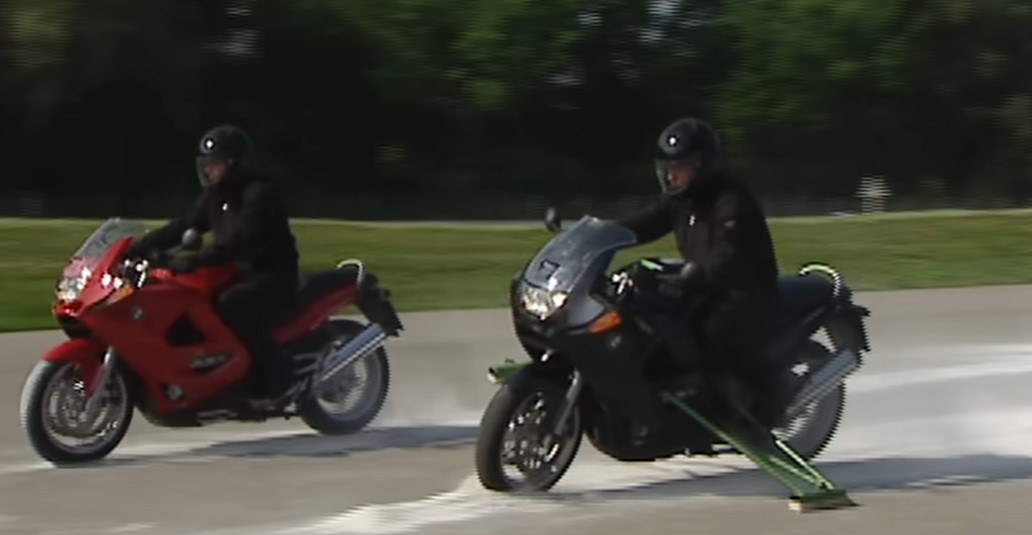
Traction control improves grip on slippery roads. It helps prevent accidents caused by wheel spin. Riders gain more confidence in difficult conditions.
The system also protects tires from unnecessary wear. It makes riding safer for beginners and experienced riders alike.
Abs Fundamentals
Anti-lock Braking System, or ABS, helps riders stop safely. It stops the wheels from locking during hard braking. Locked wheels can cause skidding and loss of control.
ABS uses sensors to watch wheel speed. It quickly reduces brake pressure if it senses a lock. This lets the wheel keep turning and keeps traction with the road.
How Abs Works On Motorcycles
Each wheel has a sensor that checks speed. When braking hard, the system detects if a wheel stops spinning. It lowers brake force to that wheel. Then, it applies brake force again. This cycle repeats many times per second.
This pulsing action prevents the wheel from locking. Riders can steer while braking hard. It improves control and reduces crash risk.
Benefits Of Motorcycle Abs
ABS shortens stopping distance on slippery roads. It helps keep balance and avoid falls. It works well on wet, gravel, or uneven surfaces.
ABS allows confident braking in emergencies. It reduces panic and mistakes during sudden stops. Many riders find it easier to handle their bike with ABS.
Limitations Of Abs On Motorcycles
ABS cannot increase grip beyond road conditions. It does not help with poor tire traction. It may not work well on loose dirt or deep gravel.
ABS does not replace careful riding. Riders still must brake smoothly and avoid risky maneuvers. ABS assists but cannot prevent all crashes.
How Traction Control Works
Traction control helps stop the wheels from spinning on slippery roads by adjusting power. ABS, or anti-lock brakes, prevent the wheels from locking during sudden stops. Both improve safety but work in different ways on a motorcycle.
Traction control helps keep the motorcycle’s wheels from slipping. It senses when the rear wheel spins faster than the front wheel. This means the bike may lose grip on the road.
The system quickly reacts to reduce wheel spin. It does this by adjusting the power sent to the rear wheel. This helps the bike stay stable and safe.
Wheel Speed Sensors
Sensors on the wheels measure how fast they turn. The system compares the speed of the front and rear wheels. If the rear wheel spins too fast, traction control activates.
Engine Power Reduction
Traction control reduces engine power to slow the rear wheel. It can cut fuel supply or change ignition timing. This lowers the wheel’s speed and prevents slipping.
Brake Application
Some systems apply the rear brake gently to control wheel spin. This helps regain grip without sudden braking. It keeps the bike balanced and easier to control.
Continuous Monitoring
The system works all the time while riding. It constantly checks wheel speeds and adjusts power as needed. This helps maintain traction on slippery or rough surfaces.
Abs Mechanism Explained
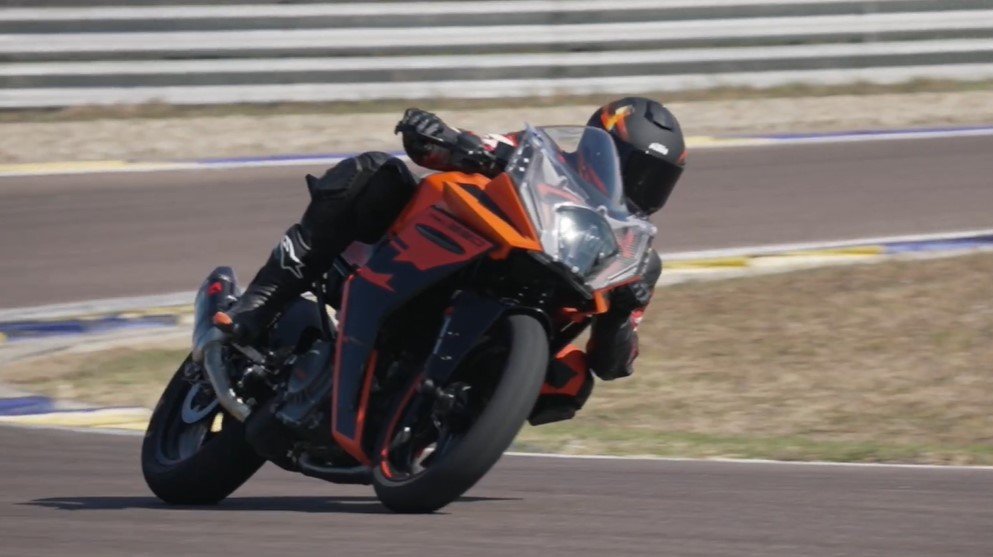
Anti-lock Braking System, or ABS, helps riders stop safely. It stops the wheels from locking during hard braking. This keeps the motorcycle stable and easier to control.
ABS works by sensing wheel speed. It uses sensors on each wheel to check if a wheel is about to stop turning. If it detects this, ABS reduces brake pressure briefly. This prevents the wheel from locking and skidding.
How Abs Sensors Work
Each wheel has a sensor to track its speed. These sensors send data to the ABS control unit. The control unit processes this information quickly. It looks for sudden drops in wheel speed that mean locking.
Abs Modulator And Brake Pressure
The ABS modulator controls brake pressure. If a lock is detected, it lowers the pressure. Then, it increases pressure again as the wheel regains traction. This cycle repeats many times per second.
Benefits Of Abs In Motorcycles
ABS helps riders stay on their path. It reduces the chance of skidding and falling. It also shortens stopping distance on slippery surfaces. This makes riding safer, especially in emergencies.
Safety Benefits Of Traction Control
Traction control helps keep the motorcycle stable by preventing wheel slip during acceleration. It improves safety on slippery roads. Unlike ABS, which stops wheel lock during braking, traction control focuses on power delivery.
Improved Stability On Slippery Roads
Traction control helps keep the bike stable on wet or loose surfaces. It stops the rear wheel from spinning too fast. This control reduces the risk of sliding out. Riders feel more confident in rain or on gravel.
Better Control During Acceleration
Traction control adjusts power delivery when you accelerate. It prevents the rear wheel from breaking traction. This means smoother starts and safer corner exits. The system helps maintain grip and balance.
Reduces Rider Fatigue
Traction control lets riders focus more on steering and braking. It handles sudden loss of grip automatically. This reduces stress and effort during long rides. Riders stay more alert and less tired.
Enhances Safety For Less Experienced Riders
New riders often struggle with wheel spin and loss of control. Traction control acts as a safety net. It helps prevent accidents caused by sudden wheel slip. This support builds riding skills safely.
Safety Advantages Of Abs
Anti-lock Braking System (ABS) offers clear safety benefits for motorcyclists. It helps prevent wheel lock-up during hard braking. This reduces the risk of skidding and losing control. Riders can stop faster and safer on slippery or uneven surfaces.
ABS works by automatically adjusting brake pressure. It keeps the wheels from locking while still slowing the bike. This system is especially useful in emergency braking situations. It gives riders more confidence and control.
Improved Stability During Braking
ABS keeps the motorcycle stable under heavy braking. Without ABS, wheels can lock and cause the bike to slide. Stability helps riders maintain balance and direction. This reduces the chance of falling or crashing.
Shorter Stopping Distance On Wet Roads
Wet roads increase the risk of skidding and accidents. ABS detects slippery conditions and adjusts braking force. This prevents wheel lock-up and cuts stopping distance. Riders can stop safely even on rainy days.
Better Control On Uneven Surfaces
Gravel, dirt, or potholes make braking tricky. ABS senses wheel slip on rough surfaces and modulates brake pressure. This helps riders keep control and avoid falls. It allows safer riding on varied road types.
Reduced Rider Fatigue And Stress
ABS reduces the need for riders to modulate brakes manually. It lowers stress in sudden stops or panic situations. Riders feel more relaxed and confident on every ride. Less fatigue means better focus and safer riding.
Traction Control In Different Conditions
Traction control helps riders keep their grip on the road. It adjusts power to the wheels to stop slipping. Different riding conditions test how well traction control works. Understanding these can help riders stay safe and confident.
Traction control reacts differently on wet, dry, or loose surfaces. Each condition needs the system to work in a unique way.
Traction Control On Wet Roads
Wet roads can be slippery and dangerous. Traction control lowers engine power when wheels start to slip. This prevents the bike from sliding forward. It helps maintain balance and control in rain or puddles. Riders feel more secure with this system active on wet surfaces.
Traction Control On Dry Roads
Dry roads offer better grip but sudden acceleration can still cause wheel spin. Traction control limits power quickly to stop slipping. It lets riders push their bike safely. On dry pavement, it enhances smooth riding and faster cornering without losing control.
Traction Control On Loose Surfaces
Gravel, sand, and dirt are tough for any motorcycle. Traction control helps by reducing power when wheels slip on loose ground. This stops the rear wheel from digging in or spinning out. It improves stability and prevents falls on rough trails.
Abs Performance On Various Surfaces
Anti-lock Braking System (ABS) helps riders keep control on different road surfaces. It stops the wheels from locking during braking. This makes riding safer, especially on slippery or uneven ground.
ABS adjusts braking force based on surface grip. It works well on wet roads, gravel, and even dirt paths. Understanding how ABS performs on various surfaces helps riders trust their brakes more.
Abs On Wet Roads
Wet roads reduce tire grip. ABS stops wheels from locking on slippery pavement. This prevents skidding and keeps the bike stable. Riders can brake hard without losing control.
Abs On Gravel And Loose Surfaces
Gravel makes braking tricky due to loose stones. ABS helps by reducing brake force to avoid wheel lock. It allows the bike to slow down safely without sliding.
Abs On Dirt And Off-road Trails
Dirt trails often have uneven patches. ABS adjusts quickly to changing grip levels. It helps maintain balance and avoids sudden stops that cause falls.
Abs On Icy Or Snowy Roads
Ice and snow cause very low traction. ABS works but cannot overcome extreme slipperiness. Riders should still brake gently and carefully in these conditions.
Combining Traction Control And Abs
Combining traction control and ABS on motorcycles creates a safer riding experience. Both systems help riders stay in control during tricky situations. Traction control stops the rear wheel from spinning too fast. ABS prevents the wheels from locking during hard braking. Together, these systems work to improve stability and safety.
Riders benefit from better grip on slippery roads. Sudden braking becomes less risky. The bike remains balanced, reducing chances of falls. This combination suits both new and experienced riders. It offers confidence on wet, gravel, or uneven surfaces.
How Traction Control And Abs Work Together
Traction control senses if the rear wheel slips. It reduces engine power to regain grip. ABS monitors wheel speed during braking. It stops the wheels from locking up. Both systems use sensors to track wheel movement.
They share data to react quickly. When traction control detects slip, ABS supports by adjusting brake pressure. This teamwork helps maintain control in emergencies. Riders can brake and accelerate safely at the same time.
Benefits Of Using Both Systems On Motorcycles
Combining traction control and ABS increases rider safety. It lowers the risk of skidding or losing control. The bike feels more stable and responsive. This makes riding less stressful, especially on bad roads.
Both systems help prevent accidents caused by wheel slip or lock-up. They improve stopping distance and traction. Riders gain more confidence during cornering and braking. This combination also reduces tire wear.
Riding Experience With Traction Control And Abs
The ride becomes smoother and more controlled. Riders can focus more on the road ahead. Sudden changes in road conditions become easier to handle. Both systems make it easier to avoid crashes.
New riders find it easier to learn and ride safely. Experienced riders enjoy better performance and safety. The bike reacts well to quick inputs. This results in safer and more enjoyable rides.
Choosing Between Traction Control And Abs
Choosing between Traction Control and ABS for your motorcycle can be tricky. Both systems improve safety but serve different purposes. Understanding their roles helps you pick the right feature for your riding style and conditions.
Traction Control limits wheel spin during acceleration. It keeps your bike steady on slippery roads or loose surfaces. ABS, or Anti-lock Braking System, stops the wheels from locking during sudden braking. It helps you maintain control and avoid skidding.
Understanding Riding Conditions
Traction Control works best on wet or loose surfaces. It prevents the rear wheel from slipping during quick starts or sharp turns. ABS shines during emergency stops on any road type. It stops the wheels from locking, reducing crash risks.
Rider Skill Level
New riders benefit greatly from ABS. It gives confidence during panic stops. Experienced riders may prefer Traction Control for aggressive riding. It allows better control when pushing the bike’s limits.
Type Of Motorcycle
Sportbikes and adventure bikes often come with Traction Control. It helps handle powerful engines and rough terrains. Cruisers and standard bikes usually prioritize ABS. It provides reliable stopping power for everyday rides.
Cost And Maintenance
Traction Control adds complexity and cost to motorcycles. It may require more maintenance. ABS is more common and often standard on modern bikes. It is usually less expensive to maintain.
Future Trends In Motorcycle Safety
Motorcycle safety technology grows fast. New tools help riders stay safer on roads. Traction control and ABS are just the start. The future holds many smart features. These tools aim to reduce crashes and injuries.
Innovations focus on better control and quick response. Sensors and computers work together. They can detect road conditions and rider actions. This allows motorcycles to adjust instantly for better safety.
Advanced Sensor Integration
Future bikes will have more sensors. These sensors track speed, lean angle, and road grip. They share data with the bike’s control system. This helps to manage traction and braking more precisely. Riders get extra help to avoid skids and falls.
Connected Motorcycle Systems
Bikes will connect with other vehicles and infrastructure. This communication warns riders about hazards ahead. Traffic signals and road signs will interact with motorcycles. Riders receive alerts for stops, turns, or accidents nearby. This helps prevent collisions before they happen.
Artificial Intelligence Assistance
AI will play a larger role in safety. It learns riding patterns and adapts control settings. AI can predict dangerous situations and act quickly. This adds a smart layer to traction control and ABS. The goal is safer rides with less rider stress.
Enhanced Rider Feedback
New systems will give real-time feedback to riders. Vibrations, sounds, or lights will signal when to slow down. This guidance helps riders make safer choices. It supports both beginners and experts on the road.
Integration With Wearable Technology
Wearables will link with motorcycle safety systems. Helmets and jackets may monitor rider health and alertness. They can detect fatigue or sudden impacts. This data improves emergency responses and overall protection.
FAQs About Motorcycle ABS Vs Traction Control
What is the difference between Motorcycle ABS Vs Traction Control?
ABS prevents the wheels from locking during braking, while traction control prevents the wheels from spinning during acceleration. Both systems improve motorcycle safety but work in different situations.
Which is more important, ABS or Traction Control?
For most riders, ABS is generally considered more important because it helps maintain control during emergency braking. However, traction control provides extra safety on slippery roads and during aggressive acceleration.
Does ABS improve motorcycle safety?
Yes, ABS significantly improves safety by reducing the risk of wheel lock-up and skidding during hard braking, especially on wet or uneven roads.
Is Traction Control useful for beginner riders?
Yes, traction control can help beginner riders by reducing wheel spin and improving stability, particularly in poor road conditions.
Can a motorcycle have both ABS and Traction Control?
Yes, many modern motorcycles come equipped with both ABS and traction control to provide maximum safety and rider confidence.
Conclusion
When comparing Motorcycle ABS Vs Traction Control, it’s important to understand that these systems serve different but equally valuable purposes. ABS helps prevent wheel lock-up during braking, giving riders better control in emergency situations, while traction control helps maintain grip during acceleration by reducing wheel spin. Neither system replaces safe riding habits, but both can significantly improve stability, confidence, and overall safety on the road. For the best riding experience, many modern motorcycles combine both technologies to provide maximum protection in a variety of conditions. By understanding how Motorcycle ABS Vs Traction Control works, you can make smarter decisions and enjoy a safer, more controlled ride every time you get on your bike.