
Choosing between Bell Vs HJC Helmets can be challenging because both brands are trusted by motorcycle riders around the world. While Bell is known for its premium safety features, innovative technology, and performance-focused designs, HJC has built a strong reputation for offering reliable protection, comfort, and excellent value for money. Whether you’re a beginner rider looking for your first helmet or an experienced motorcyclist searching for an upgrade, understanding the differences between these two brands is essential. In this Bell Vs HJC Helmets comparison, we’ll examine their safety standards, comfort, ventilation, design, pricing, and overall performance to help you decide which helmet is the better choice for your riding needs.
Brand Histories
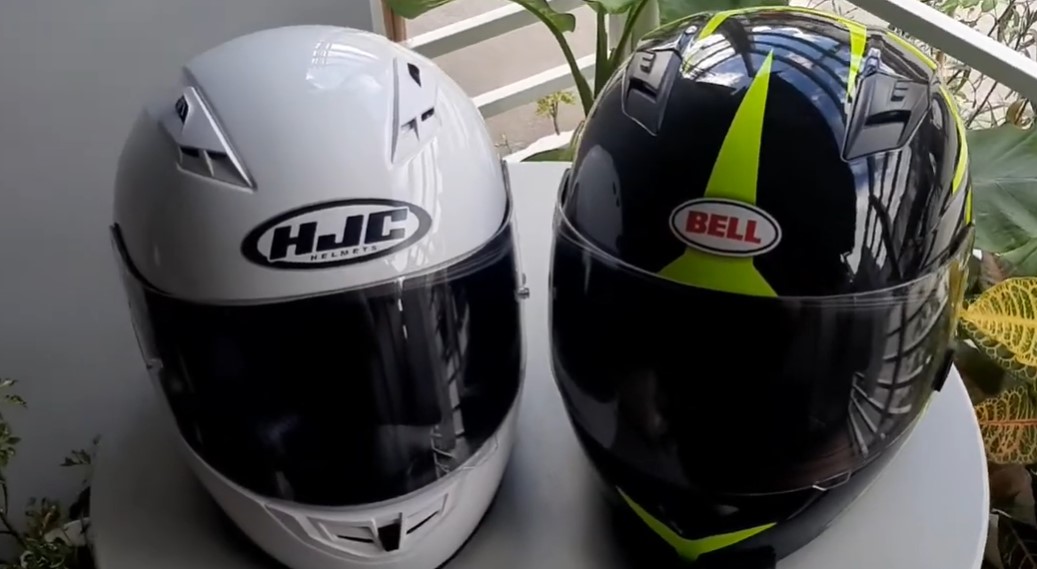
Understanding the histories of HJC and Bell helmets helps us see their values and strengths. Each brand has a unique story that shapes its products.
These stories explain why riders trust these helmets for safety and style. Let’s explore their beginnings and growth.
Hjc Helmets: Origins And Growth
HJC started in 1971 in South Korea. It began as a small helmet maker. The brand focused on creating affordable helmets with good quality.
Over time, HJC grew into one of the world’s largest helmet manufacturers. It uses advanced technology and strict safety tests. HJC helmets are popular for their comfort and design.
Bell Helmets: A Legacy Of Innovation
Bell began in 1954 in the United States. It started by making helmets for car racing. Bell quickly became known for strong protection and innovation.
The brand introduced many safety features still used today. Bell helmets serve motorcycle riders and auto racers. The company values safety, performance, and style.
Safety Standards
Safety standards are vital for motorcycle helmets. They protect riders by reducing injury risks. Both HJC and Bell helmets meet strict safety rules. This section compares their safety certifications and testing.
Hjc Helmet Safety Certifications
HJC helmets follow DOT standards in the United States. They also meet ECE 22.05 for Europe. Some models have SNELL certification. These certifications prove strong impact resistance. HJC uses advanced materials for better protection.
Bell Helmet Safety Certifications
Bell helmets meet DOT and ECE 22.05 standards. Many Bell helmets also carry SNELL ratings. Bell focuses on rigorous testing methods. They test for impact, penetration, and retention. Bell helmets use composite shells for safety.
Comparison Of Testing Methods
Both brands test helmets with high standards. HJC uses advanced impact absorption layers. Bell emphasizes shell strength and fit. Each brand has different test labs. Both ensure helmets protect against serious crashes.
Choosing Helmets Based On Safety Standards
Pick helmets with recognized certifications only. DOT and ECE are minimum requirements. SNELL means extra safety tests passed. Consider helmet fit as part of safety. Proper fit keeps the helmet in place during impact.
Helmet Construction
Helmet construction plays a key role in rider safety and comfort. The materials and design affect how well a helmet protects your head. Both HJC and Bell make strong helmets, but they use different methods and materials. Understanding these differences helps you choose the right helmet.
Hjc Helmet Shell Material
HJC uses advanced polycarbonate and composite fibers for their helmet shells. These materials are lightweight but strong. They absorb impact and reduce the force transferred to the head. Some HJC helmets also include carbon fiber for extra strength.
Bell Helmet Shell Material
Bell often uses fiberglass composite shells. This material offers high durability and impact resistance. Fiberglass shells are slightly heavier than polycarbonate but provide excellent protection. Bell also mixes carbon fiber in some models to keep weight low.
Inner Liner And Padding
Both brands use multi-density foam liners to absorb shocks well. The liners shape to your head for comfort and safety. Bell tends to use removable and washable liners in many helmets. HJC also offers moisture-wicking liners that keep riders cool.
Ventilation System
Ventilation keeps riders comfortable on long rides. HJC helmets often feature multiple vents and channels. These allow air to flow easily inside the helmet. Bell also designs smart vent systems to reduce heat buildup. Good airflow helps prevent fogging and sweating.
Comfort And Fit
Comfort and fit are key factors when choosing a motorcycle helmet. A helmet must feel good on your head for long rides. Poor fit can cause discomfort and distractions while riding. Both HJC and Bell offer helmets designed for comfort. Let’s explore how they compare in these important areas.
Hjc Helmet Comfort Features
HJC helmets often include soft, breathable liners. These liners help keep your head cool. Many HJC models use moisture-wicking materials. This reduces sweat during hot rides. The padding is usually removable and washable. This feature keeps the helmet fresh over time.
Bell Helmet Comfort Features
Bell helmets focus on ergonomic design for comfort. They use advanced padding that molds to your head shape. Bell also uses breathable fabrics to improve airflow. Their helmets often have extra padding around the cheeks. This provides a snug fit and reduces wind noise.
Fit And Sizing Differences
HJC helmets tend to fit heads that are rounder in shape. They offer a wide range of sizes. This helps many riders find a good fit. Bell helmets often fit medium oval head shapes. Their sizing runs slightly smaller than HJC. Trying the helmet on is important for the best fit.
Ventilation Systems
Ventilation systems in helmets keep riders cool and comfortable. Good airflow reduces sweat and fog on the visor. Both HJC and Bell design helmets with vents to improve breathability and safety.
Understanding their ventilation helps choose the right helmet for hot or long rides. Let’s explore how each brand handles airflow.
Hjc Ventilation Features
HJC helmets use multiple vents on the front, top, and rear. Air enters through chin and forehead vents. It flows over the head and exits at the back. This design improves cooling during rides.
Many HJC models have adjustable vents. Riders can open or close them to control airflow. This flexibility suits different weather and speeds.
Bell Ventilation Technology
Bell helmets focus on large intake and exhaust vents. Their ventilation channels guide air smoothly inside the helmet. This reduces heat build-up effectively.
Bell’s ventilation system often includes a breath deflector. It helps stop fog on the visor. This feature adds comfort in cooler or rainy conditions.
Comparing Airflow Efficiency
Both brands provide good ventilation, but styles differ. HJC vents tend to be smaller but more adjustable. Bell vents are larger and offer strong airflow.
Riders in hot climates might prefer Bell for powerful cooling. Those wanting control over airflow may choose HJC. Either way, good ventilation improves ride comfort and focus.
Visor Quality
The visor is an essential part of any helmet. It protects your eyes from wind, dust, and bugs. It also affects your vision clarity and safety. Both HJC and Bell helmets offer visors designed for comfort and protection. Let’s explore how they compare in visor quality.
Hjc Visor Features
HJC helmets come with visors made from strong, clear materials. They resist scratches and reduce glare. The visors often have an anti-fog coating. This helps keep your view clear on cold or rainy days. Many HJC visors can be easily changed without tools. Some models include a sun shield for bright conditions.
Bell Visor Features
Bell helmets also offer high-quality visors. Their visors have excellent clarity and scratch resistance. Most Bell visors come with an anti-fog treatment as well. They offer quick-release systems for easy visor swaps. Bell visors often provide a wide field of vision. Some helmets include integrated sun visors for extra comfort.
Comparing Clarity And Protection
Both brands focus on clear vision and eye protection. HJC visors excel in reducing glare and fog build-up. Bell visors stand out with their wide view and quick changes. Both use materials that protect against UV rays. Riders get reliable eye protection from either brand.
Ease Of Use And Maintenance
HJC visors are simple to remove and clean. Their anti-fog coatings last long with proper care. Bell’s quick-release system makes changing visors fast. Both brands offer replacement visors at reasonable prices. Cleaning and replacing visors is straightforward for all riders.
Design And Style
Design and style play a big role in choosing a motorcycle helmet. Riders want helmets that look good and feel right. Both HJC and Bell offer strong choices in this area. Each brand has its own approach to design and style.
Understanding these differences helps riders pick the best helmet for their personality and needs.
Hjc Helmet Design
HJC helmets focus on sleek, modern looks. Their shapes are smooth and aerodynamic. This helps reduce wind noise and drag. They often use bold colors and sharp lines. The designs suit riders who like a sporty appearance.
Bell Helmet Style
Bell helmets offer a mix of classic and contemporary styles. They have retro designs with modern touches. Bell uses unique patterns and colors. Their helmets appeal to riders who want style with history. Comfort and fit also guide their design choices.
Customization Options
HJC provides many graphic styles and limited editions. Riders can find helmets that stand out easily. Bell offers custom paint options on select models. This allows riders to create a personal look. Both brands give choices but differ in style variety.
Visibility And Graphics
HJC uses bright colors to improve visibility on the road. Their graphics often have reflective elements. Bell also includes reflective details but focuses more on artistic designs. Both brands balance safety and style well.
Noise Reduction
Noise reduction is a key factor when choosing a motorcycle helmet. Riding at high speeds creates a lot of wind and road noise. This noise can cause discomfort and fatigue. A helmet that reduces noise helps riders stay focused and enjoy the ride more.
Hjc Noise Reduction Features
HJC helmets use special padding to block wind noise. Their chin curtains help stop air from rushing inside. The helmet shell fits snugly to reduce gaps. This design lowers the amount of noise that gets in. Riders often find HJC helmets quiet at moderate speeds.
Bell Noise Reduction Features
Bell helmets focus on aerodynamics to cut down noise. The smooth shell shape lets air flow easily around the helmet. Bell uses thick liners that absorb sound well. Some models come with advanced seals around the visor. These seals keep wind noise out better than many other helmets.
Comparing Noise Levels
Both brands offer good noise protection. Bell helmets tend to be quieter at high speeds. HJC helmets perform well for everyday riding. Noise reduction varies by model and fit. Trying the helmet on helps decide which is quieter for you.
Price Comparison
HJC and Bell helmets offer different price ranges to fit various budgets. Comparing their costs helps find the best helmet for your needs. Both brands provide good safety but vary in features and price.
Price Range Overview
HJC helmets generally offer a wide price range. You can find models from budget-friendly to mid-tier prices. This suits riders who want good protection without spending too much. Bell helmets tend to be more expensive overall. Their price often reflects advanced features and premium build quality. Both brands provide options for different budgets.
Entry-level Helmet Costs
HJC entry-level helmets are usually affordable. They often cost less than $100. These helmets provide basic safety and comfort. Bell’s entry-level helmets start at a higher price point, around $150. They offer extra features even in the lower price range. Riders seeking value might prefer HJC here.
Mid-range Helmet Pricing
Mid-range helmets from HJC cost between $150 and $250. These helmets often include improved ventilation and materials. Bell helmets in this range can go from $200 to $350. Bell offers more advanced technology and design. This price difference shows in helmet performance and style.
High-end Helmet Values
HJC’s high-end helmets usually cost up to $400. They include premium materials and aerodynamic designs. Bell’s high-end helmets often exceed $400. They feature lightweight carbon fiber and extra safety certifications. Buyers looking for top quality may find Bell worth the cost.
Customer Feedback
Customer feedback helps us understand real experiences with HJC and Bell helmets. It shows how riders feel about comfort, safety, and style. Reviews reveal strengths and weaknesses from everyday use.
Many buyers share details about fit and noise levels. Others discuss helmet durability after long rides. This feedback guides new buyers toward the best choice.
Hjc Helmets: Comfort And Fit
Users praise HJC helmets for being lightweight and snug. Many find the padding soft and breathable. Some mention the helmets fit well for long hours.
A few riders say the fit can feel tight at first. Adjustments help after a few rides. Overall, comfort rates high in most reviews.
Bell Helmets: Safety And Durability
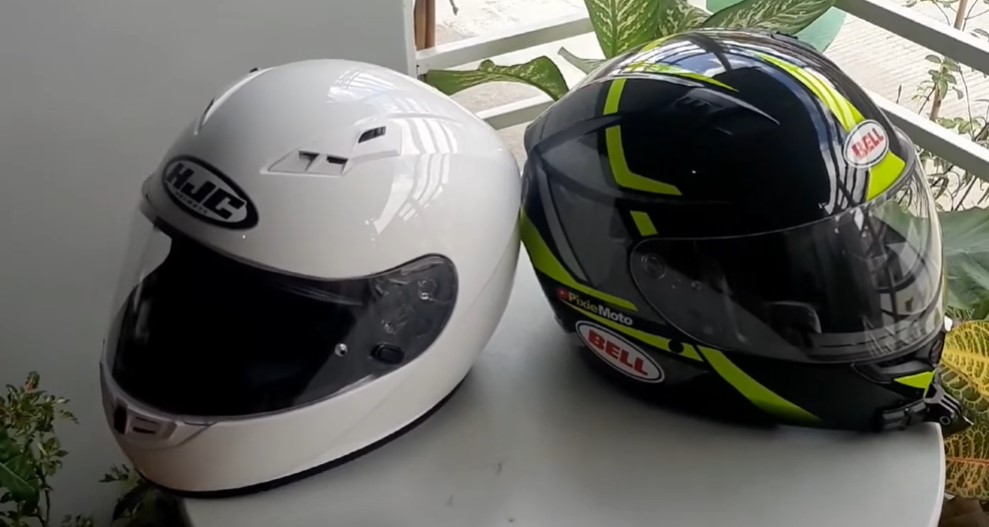
Bell helmets get high marks for strong build quality. Customers feel safe due to advanced protection features. Many say the helmets hold up well after impacts.
Some users mention the helmets are slightly heavier. The extra weight often relates to added safety layers. Durability and protection remain key positives.
Noise Levels And Ventilation
Feedback on noise varies between the two brands. HJC users report lower noise at high speeds. Ventilation in HJC helmets also gets good reviews.
Bell helmets sometimes rank higher in airflow. Some riders say Bell’s vents work well in hot weather. Noise control is decent but can differ by model.
Best Use Cases
Choosing the right helmet depends on how and where you ride. Both HJC and Bell make helmets for different types of riders. Understanding the best use cases helps you pick the safest and most comfortable option.
Hjc Helmets For Daily Commuting
HJC helmets are light and offer good ventilation. They suit daily riders who spend time in city traffic. The clear visor options help in different light conditions. Many HJC models have features that fit well with glasses. These helmets balance safety and comfort for everyday use.
Bell Helmets For Sport Riding
Bell helmets are built for speed and protection. They work well for sport and track riders. These helmets often have advanced aerodynamics to reduce wind drag. Bell uses strong materials to protect during high-impact crashes. The design focuses on stability and noise reduction at high speeds.
Hjc Helmets For Budget-conscious Riders
HJC offers quality helmets at affordable prices. They provide good safety without a high cost. Riders on a budget can find many certified options here. HJC helmets often include modern features like quick-release visors. They are a smart choice for riders who want value.
Bell Helmets For Advanced Safety Features
Bell helmets include extra safety technologies like MIPS. They focus on reducing rotational forces during crashes. Bell often leads in meeting new safety standards. Riders wanting the latest protection may prefer Bell. These helmets often have better padding and fit systems.
FAQs About Bell Vs Hjc Helmets
What Are The Main Differences Between Bell Vs Hjc Helmets?
HJC helmets focus on affordability with good safety. Bell helmets often offer more advanced features and style. Both brands meet safety standards but target different riders.
Which Helmet Brand Offers Better Safety Ratings?
Both HJC and Bell helmets pass strict safety tests. Bell sometimes scores higher in impact tests. Either brand provides reliable protection for everyday riding.
How Do Hjc And Bell Helmets Compare In Comfort?
HJC helmets usually have good ventilation and lightweight designs. Bell helmets often add extra padding and noise reduction. Comfort depends on personal head shape and helmet model.
Are Hjc Helmets More Affordable Than Bell Helmets?
Yes, HJC helmets generally cost less than Bell helmets. HJC aims for budget-conscious riders without sacrificing safety. Bell helmets tend to be pricier due to premium features.
Which Brand Has A Wider Helmet Style Selection?
Bell offers a broad range of styles, including vintage and racing looks. HJC focuses more on sport and street helmet designs. Both brands cover most riding needs.
Conclusion
When comparing Bell Vs HJC Helmets, there is no one-size-fits-all winner. Bell helmets stand out for their premium construction, advanced safety technologies, and performance-focused designs, making them a great choice for riders who want top-tier features and protection. HJC helmets, on the other hand, offer excellent comfort, reliable safety, and outstanding value for money, making them a popular option for everyday riders and budget-conscious buyers. Both brands have earned strong reputations in the motorcycle industry and meet high safety standards. The best helmet for you will depend on your riding style, comfort preferences, desired features, and budget. No matter which brand you choose, investing in a quality helmet is one of the smartest decisions you can make for a safer and more enjoyable ride.