
There are several types of wiring harness in cars, including engine, dashboard, and body harnesses. Each type serves a specific function.
Wiring harnesses are critical in modern vehicles, ensuring efficient electrical distribution. They bundle various electrical wires and cables, simplifying the electrical system. This organized structure aids in the effective transmission of signals and power throughout the car. Engine harnesses connect sensors and components to the engine control unit.
Dashboard harnesses link the instrument panel, infotainment system, and other controls. Body harnesses manage lighting, safety systems, and other essential functions. Proper installation and maintenance of these harnesses are vital for vehicle performance and safety. Understanding the different types helps in troubleshooting and upgrades.
Introduction To Wiring Harness
Wiring harnesses are vital for modern vehicles. They connect various electrical parts, allowing them to work together. Understanding their role and types can help you appreciate their importance.
What Is A Wiring Harness?
A wiring harness is a collection of wires, connectors, and terminals. It transmits electrical power and signals. These components are bound together by electrical tape, conduit, or other coverings. This organization simplifies the electrical system, making it more efficient and manageable.
The wiring harness connects all the electrical components in a car. This includes lights, engine, sensors, and more. It ensures smooth communication and power distribution among these parts.
Importance In Modern Vehicles
Modern vehicles rely heavily on electronic systems. These systems control everything from the engine to infotainment. A well-designed wiring harness is crucial for these systems to function properly.
A wiring harness ensures safety by preventing electrical fires. It also helps in reducing the risk of short circuits. Moreover, it simplifies the manufacturing process, making it easier to install and maintain.
| Component | Function |
|---|---|
| Wires | Transmit electrical signals and power |
| Connectors | Join different parts of the harness |
| Terminals | Endpoints for electrical connections |
Understanding the wiring harness in your car can enhance your vehicle’s performance and reliability. This knowledge can also help you troubleshoot electrical issues more effectively.
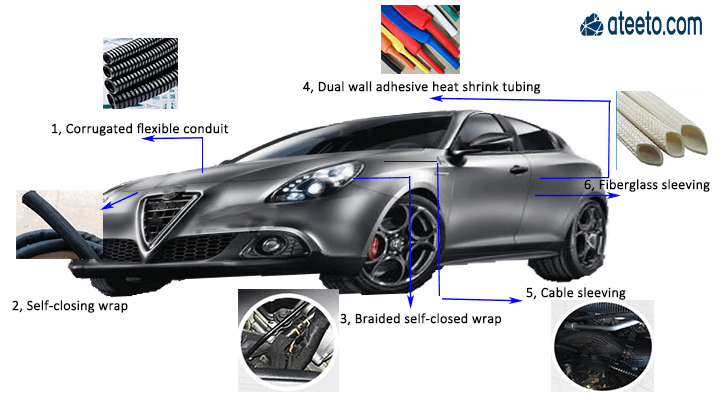
Credit: ateeto.com
Main Types Of Wiring Harnesses
The wiring harness in a car is a crucial component. It ensures all electrical parts work together seamlessly. Different types of wiring harnesses serve various functions. Understanding the main types helps you grasp their importance in a vehicle.
Body Wiring Harness
The body wiring harness connects all the electrical components in the car’s body. This includes lights, dashboards, and infotainment systems. It ensures that signals and power reach these parts efficiently.
Key functions of the body wiring harness:
- Connecting interior and exterior lights
- Powering the dashboard and control panel
- Linking the infotainment system
Without the body wiring harness, many car features wouldn’t work. It plays a vital role in keeping the car’s electrical system functional.
Engine Wiring Harness
The engine wiring harness is essential for the vehicle’s engine. It connects various engine components to the main control unit. This ensures the engine runs smoothly and efficiently.
Key functions of the engine wiring harness:
- Connecting the fuel injectors
- Linking the ignition system
- Powering the sensors and actuators
The engine wiring harness is critical for engine performance. It ensures every part of the engine gets the correct signals and power.
Both the body and engine wiring harnesses are crucial for a car’s operation. They ensure all electrical systems function properly, making them indispensable.
Specialized Wiring Harnesses
Specialized wiring harnesses in cars are crucial for specific functions. These harnesses ensure optimal performance and safety. Let’s explore two essential types: the dashboard wiring harness and the HVAC wiring harness.
Dashboard Wiring Harness
The dashboard wiring harness connects all the electrical components in the dashboard. It links gauges, lights, and switches. This harness is vital for the car’s control system.
Key components included:
- Instrument Cluster
- Switches and Buttons
- Airbag System
- Infotainment System
A properly installed dashboard wiring harness ensures all dashboard features work seamlessly.
Hvac Wiring Harness
The HVAC wiring harness connects the heating, ventilation, and air conditioning systems. This harness controls the climate inside the car. It links the HVAC unit to the car’s electrical system.
Key functions:
- Regulating Temperature
- Controlling Airflow
- Operating Defrosters
- Managing Air Quality
A reliable HVAC wiring harness ensures comfort for passengers in all seasons.

Credit: www.starconnect.com.cn
Materials Used
Understanding the materials used in car wiring harnesses is crucial. It ensures the durability and efficiency of the electrical system. This section explores the common and advanced materials used.
Common Materials
Car wiring harnesses often use basic materials. These materials offer reliability and cost-effectiveness.
- Copper: This is the most common material. It is highly conductive and flexible.
- PVC: Polyvinyl chloride is used for insulation. It is durable and resistant to heat.
- Rubber: This material is often used for grommets. It provides protection against wear and tear.
Advanced Materials
Advanced materials enhance the performance of car wiring harnesses. They offer better protection and efficiency.
- Aluminum: This material is lightweight and cost-effective. It is used in high-performance vehicles.
- Teflon: Teflon is used for high-temperature insulation. It is resistant to chemicals and heat.
- Silicone: This material is flexible and durable. It is used in high-stress areas.
Manufacturing Process
The manufacturing process of a car’s wiring harness is intricate and detailed. It involves several critical phases, ensuring each harness meets the highest standards. This process can be divided into two main phases: the Design Phase and the Production Phase.
Design Phase
The design phase is the initial step. Engineers focus on creating a detailed blueprint. This blueprint includes all wires, connectors, and terminals. They use specialized software to create a 3D model. The model helps in visualizing the entire wiring system. Engineers ensure that the design is both efficient and functional.
During this phase, the team also considers various factors. These include the car’s electrical requirements, space constraints, and safety standards. The design must comply with industry regulations. It also needs to be easy to install and maintain.
Production Phase
Once the design is finalized, the production phase begins. This phase involves several steps, each crucial for the final product.
- Wires are cut to the precise length.
- Special machines strip the ends of the wires.
- Connectors are attached to the wire ends.
- Machines apply pressure to ensure a secure connection.
- All components are assembled according to the design.
- Wires are grouped and bound together using tape or clamps.
- Each harness undergoes rigorous testing.
- Tests ensure there are no electrical faults.
| Production Step | Description |
|---|---|
| Cutting and Stripping | Wires are cut and stripped to the required length. |
| Crimping | Connectors are securely attached to wire ends. |
| Assembly | Components are assembled based on the design. |
| Testing | Harnesses are tested for electrical faults. |
Quality Control Measures
Ensuring the safety and efficiency of car wiring harnesses is crucial. Quality control measures are implemented to guarantee reliability and performance. These measures encompass various testing methods and compliance standards.
Testing Methods
Testing methods are vital for assessing the quality of wiring harnesses. Various tests are conducted to detect defects and ensure durability. The most common testing methods include:
- Electrical Testing: Checks for continuity and insulation.
- Mechanical Testing: Assesses the strength of connections.
- Environmental Testing: Simulates harsh conditions to test resilience.
| Test Type | Description |
|---|---|
| Electrical Testing | Ensures no breaks or short circuits in wires. |
| Mechanical Testing | Tests the physical strength of the harness. |
| Environmental Testing | Exposes harnesses to extreme temperatures and vibrations. |
Compliance Standards
Compliance standards ensure wiring harnesses meet industry regulations. These standards protect against failures and accidents. Key compliance standards include:
- ISO 9001: Focuses on quality management systems.
- ISO/TS 16949: Specific to automotive industry requirements.
- UL Certification: Ensures safety and performance standards.
Manufacturers must adhere to these standards. Regular audits and inspections verify compliance. This ensures high-quality and reliable car wiring harnesses.
Installation Techniques
Proper installation techniques are crucial for ensuring the longevity and performance of your car’s wiring harness. Whether you choose a professional installation or a DIY approach, understanding the methods can save time and avoid costly mistakes.
Professional Installation
Opting for a professional installation ensures that experts handle the wiring. They use specialized tools and adhere to industry standards. This method offers several benefits:
- Expertise: Professionals have in-depth knowledge of car systems.
- Quality Assurance: They guarantee the work meets safety standards.
- Time-Efficient: Installation is usually quicker and more efficient.
During a professional installation, technicians follow these steps:
- Inspect the car’s electrical system.
- Remove old or damaged wiring harnesses.
- Install the new wiring harness with precision.
- Test the system to ensure proper functionality.
Professional services might be costly but provide peace of mind.
Diy Installation
Choosing a DIY installation can be rewarding. It requires patience, basic knowledge, and the right tools. Here are the steps for a successful DIY wiring harness installation:
| Step | Description |
|---|---|
| 1. Gather Tools | Collect screwdrivers, pliers, and a multimeter. |
| 2. Disconnect Battery | Ensure safety by disconnecting the car battery. |
| 3. Remove Old Harness | Carefully remove the old wiring harness. |
| 4. Install New Harness | Follow the wiring diagram to install the new harness. |
| 5. Test Connections | Use a multimeter to test all connections. |
DIY installation can save money and offer personal satisfaction. Ensure you follow safety guidelines and double-check your work.
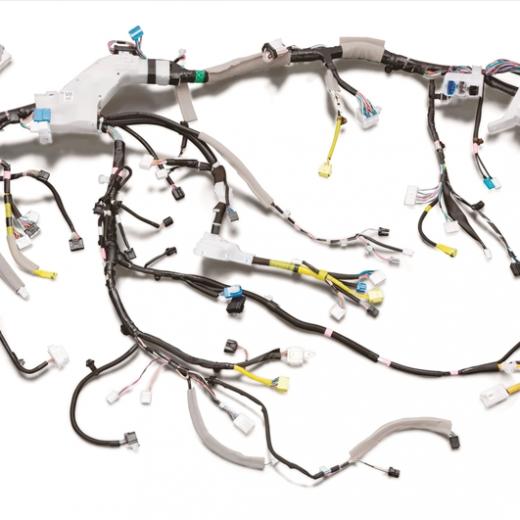
Credit: sumitomoelectric.com
Benefits Of High-quality Wiring Harnesses
A high-quality wiring harness is vital for a car. It connects all electrical components. A good harness ensures reliable power flow. This boosts performance and safety. Let’s explore the key benefits.
Enhanced Performance
High-quality wiring harnesses enhance a car’s performance. They reduce electrical resistance. This ensures efficient power delivery to all parts. The engine runs smoother and starts faster. Electrical systems work without hiccups.
Using quality materials reduces wear and tear. This minimizes the chances of power loss. The car’s overall efficiency improves. It also helps in reducing fuel consumption.
Increased Safety
Safety is paramount in any vehicle. Quality wiring harnesses increase safety. They prevent short circuits and fires. The insulation used is robust. It resists high temperatures and chemicals.
Properly routed wires avoid potential hazards. They reduce the risk of accidents. A good harness also ensures all safety systems work. Airbags, lights, and sensors function reliably. This ensures the safety of passengers and drivers.
Future Trends In Wiring Harnesses
The automotive industry is evolving rapidly. Wiring harnesses are no exception. Future trends in wiring harnesses focus on innovation and efficiency. These trends will shape the next generation of vehicles.
Technological Advancements
Technological advancements are transforming wiring harnesses. Smart wiring harnesses are becoming popular. They allow for better integration with vehicle systems. Smart harnesses can diagnose issues in real-time. This helps in reducing maintenance costs.
Another advancement is the use of fiber optics. Fiber optics offer higher data transfer rates. They are lighter and more efficient than traditional wiring. This helps in improving vehicle performance.
The rise of autonomous vehicles is influencing wiring harness technology. Autonomous vehicles require complex wiring systems. These systems need to support a range of sensors and control units. The wiring harnesses must be robust and reliable.
Sustainability Initiatives
Sustainability is a key focus for the automotive industry. Wiring harness manufacturers are adopting eco-friendly materials. These materials reduce the environmental impact. They are also recyclable, which helps in waste reduction.
Another initiative is the lightweight design of wiring harnesses. Lighter harnesses contribute to fuel efficiency. This results in lower carbon emissions. It also enhances vehicle performance.
Companies are also focusing on energy-efficient manufacturing processes. These processes reduce energy consumption. They also lower the overall carbon footprint of the production process.
| Trend | Benefits |
|---|---|
| Smart Wiring Harnesses | Real-time diagnostics, reduced maintenance costs |
| Fiber Optics | Higher data transfer rates, lighter weight |
| Eco-friendly Materials | Reduced environmental impact, recyclability |
| Lightweight Design | Fuel efficiency, lower emissions |
| Energy-efficient Manufacturing | Reduced energy consumption, lower carbon footprint |
Frequently Asked Questions About Types of Wiring Harness in Car
What Is A Wiring Harness In A Car?
A wiring harness is a systematic arrangement of wires and cables. It transmits electrical power and signals in a vehicle. It ensures efficient electrical connections.
Types Of Wiring Harnesses Used In Cars?
Common types include body wiring, engine wiring, and dashboard wiring harnesses. Each type serves a specific purpose. They enhance performance and safety.
Why Are Wiring Harnesses Important In Cars?
Wiring harnesses ensure reliable electrical connections. They reduce the risk of short circuits and fires. They improve vehicle performance and safety.
How To Identify A Faulty Wiring Harness?
Signs include flickering lights, malfunctioning electronics, or engine issues. Regular inspections help detect faults early. Prompt repairs are crucial.