
Yes, a dead motorcycle battery can often be recharged. Whether it will hold a charge again depends on its condition.
Knowing how to handle a dead battery can save you from buying a new one. Motorcycle batteries can die for many reasons. Sometimes it’s just because they haven’t been used for a while. Other times, it might be due to a fault or old age.
If a Motorcycle Battery Dies Can It Be Recharged? Absolutely, and recharging a dead battery is often possible, potentially bringing it back to life. However, the success of this process depends on the battery’s overall health. This blog will guide you through the steps, helping you understand when and how to recharge a motorcycle battery effectively. So, let’s dive in and explore the best ways to revive your motorcycle’s power source.
Credit: www.youtube.com
Causes Of Motorcycle Battery Failure
Understanding the causes of motorcycle battery failure can help you prevent it. A dead battery can be recharged, but knowing why it died is key to avoiding future issues. Below are some common reasons and prevention tips to keep your motorcycle battery in good health.
Common Reasons
- Old Age: Motorcycle batteries usually last about 3-5 years. After this period, they lose capacity and fail.
- Lack of Use: Not riding your motorcycle for long periods drains the battery. It discharges slowly when not in use.
- Electrical Faults: Wiring problems or faulty charging systems can cause battery drain.
- Extreme Temperatures: Both very hot and very cold temperatures can damage the battery.
- Parasitic Drain: Devices like alarms or GPS units can slowly drain the battery even when the bike is off.
Prevention Tips
- Regular Maintenance: Check and clean battery terminals. Ensure they are free of corrosion.
- Use a Battery Tender: Keep the battery connected to a tender when not in use. It maintains the charge.
- Ride Often: Regular rides keep the battery charged. Aim for at least once a week.
- Store Properly: Store your motorcycle in a garage. Avoid exposing it to extreme weather.
- Disconnect Accessories: Remove any additional electronic devices when the motorcycle is not in use.
By following these tips, you can extend your motorcycle battery’s life and avoid unexpected failures.

Credit: www.reddit.com
Signs Of A Dead Motorcycle Battery
Every motorcycle owner dreads the moment their bike won’t start. A dead battery is often the culprit. Recognizing the signs early can help you take action before it’s too late. Below are some key indicators to watch for and methods to test your motorcycle battery.
Indicators To Watch For
- Dim Headlights: If your headlights are dim, your battery may be weak.
- Slow Engine Crank: A slow crank is a telltale sign of a dying battery.
- Clicking Sound: Hearing clicks when you press the starter button? Your battery might be dead.
- No Power: If your dashboard lights are off, your battery is likely dead.
- Corroded Terminals: Corrosion on battery terminals can lead to poor connections.
Testing Methods
Testing your motorcycle battery can confirm if it’s dead. Here are some simple methods:
- Multimeter Test: Use a multimeter to check the voltage. A healthy battery should read around 12.6 volts or higher.
- Load Test: A load tester can measure the battery’s ability to hold a charge under a load. This test requires specific tools but is very accurate.
- Visual Inspection: Look for signs of damage, such as swelling or leaks. These indicate a bad battery.
- Hydrometer Test: If your battery is not sealed, a hydrometer can measure the specific gravity of the electrolyte. A low reading means the battery is likely dead.
Testing your motorcycle battery regularly can save you from unexpected breakdowns. Remember to always wear safety gear when handling your battery.
Recharging A Dead Motorcycle Battery
Recharging a dead motorcycle battery can save you from buying a new one. With the right tools and steps, you can bring your battery back to life. Let’s explore how you can do it yourself.
Necessary Tools
Before starting, gather all the necessary tools. These include a battery charger, safety gloves, and protective goggles. You also need a screwdriver and distilled water. Make sure your workspace is clean and well-ventilated.
Step-by-step Guide
Follow these steps to recharge your motorcycle battery:
1. Remove the Battery: Turn off the motorcycle. Use a screwdriver to remove the battery from the bike.
2. Clean the Terminals: Use a wire brush to clean the battery terminals. This ensures a good connection.
3. Check the Electrolyte Level: Open the battery caps. Check the electrolyte level. If low, add distilled water.
4. Connect the Charger: Attach the charger clamps to the battery terminals. Red clamp to positive, black clamp to negative.
5. Set the Charger: Set the charger to the correct voltage and current. Check your battery manual for these details.
6. Start Charging: Turn on the charger. Monitor the charging process. Charging time can vary based on the charger and battery condition.
7. Reinstall the Battery: Once fully charged, turn off the charger. Remove the clamps. Reinstall the battery in your motorcycle.
Recharging your motorcycle battery yourself is simple and cost-effective. Just follow these steps carefully. With the right tools and a little patience, your battery will be as good as new.
Jump-starting A Motorcycle Battery
A dead motorcycle battery can often be recharged using a jump-start. Proper care ensures better battery life.
A dead motorcycle battery can be a rider’s nightmare. Fortunately, jump-starting it is a quick solution. This guide will walk you through the steps. You’ll learn how to safely and effectively jump-start your motorcycle battery.
Safety Precautions
Before starting, gather all necessary tools. You will need jumper cables and a working vehicle battery. Ensure both vehicles are off before connecting cables. This prevents accidental sparks or short circuits. Check for any damage on the battery and cables. Wear protective gloves and eyewear for extra safety. Avoid touching metal parts during the process.
Detailed Procedure
First, locate the positive and negative terminals on both batteries. Connect the red clamp to the positive terminal of the dead battery. Attach the other red clamp to the positive terminal of the working battery. Next, connect the black clamp to the negative terminal of the working battery. Finally, attach the last black clamp to an unpainted metal surface on the motorcycle. This prevents sparks near the battery. Start the vehicle with the good battery and let it run for a few minutes. Then, try starting the motorcycle. If it starts, let both engines run for a while. Disconnect the cables in reverse order. Start with the black clamp on the motorcycle, then the black clamp on the car. Next, remove the red clamp from the car, and finally the red clamp from the motorcycle. Always check the battery and charging system after jump-starting. This ensures everything is functioning properly. “`
Using A Battery Charger
If a motorcycle battery dies, it can often be recharged. One effective way is by using a battery charger. This method is simple and can save you from buying a new battery. Below, we explore the types of chargers and how to use them.
Types Of Chargers
There are different types of battery chargers available. Each serves a unique purpose and fits different needs.
| Type | Description |
|---|---|
| Trickle Charger | Provides a slow, steady charge. Ideal for maintaining battery levels. |
| Smart Charger | Automatically adjusts charge rate. Helps prevent overcharging. |
| Fast Charger | Charges batteries quickly. Useful for emergencies. |
How To Use A Charger
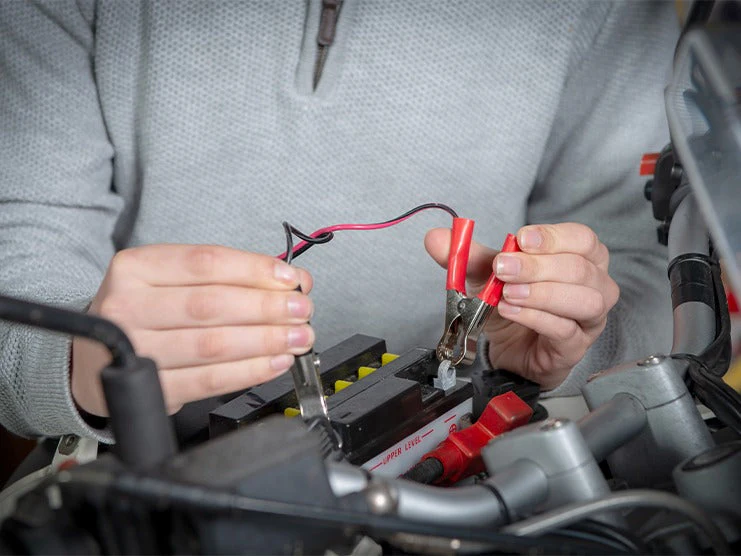
- Read the manual: Always read the charger’s manual first.
- Connect the charger: Attach the positive cable to the positive terminal.
- Attach the negative cable: Connect to the negative terminal.
- Set the charger: Select the correct charge rate and type.
- Monitor the process: Keep an eye on the charging progress.
- Disconnect safely: Remove the cables in reverse order once charged.
Following these steps ensures your motorcycle battery gets a proper charge. Using a charger is an easy way to breathe new life into a dead battery.
Credit: www.vikingbags.com
Alternative Recharging Methods
Is your motorcycle battery dead? Don’t worry. You have some alternative recharging methods. Let’s explore some easy and practical ways to recharge your battery. These methods can help you get back on the road quickly.
Solar Chargers
Solar chargers are a great option. They use sunlight to generate power. You can place them in direct sunlight to charge your battery. They are portable and eco-friendly. No need to find a power outlet. Just ensure you have enough sunlight. This method is slow but effective.
Portable Power Packs
Portable power packs are another alternative. They are compact and easy to carry. You can charge them at home and use them on the go. Connect the power pack to your motorcycle battery. It will transfer the charge quickly. They are very useful for emergencies.
Maintaining A Healthy Battery
Maintaining a healthy motorcycle battery is crucial for reliable performance. Regular care ensures the battery lasts longer and performs optimally. A little attention can save you from unexpected hassles on the road.
Regular Check-ups
Regular check-ups are essential for a healthy battery. Inspect the battery terminals for corrosion. Clean them if necessary. Check the electrolyte levels. If low, refill with distilled water. Ensure the battery is firmly mounted. Loose connections can cause problems. Test the battery voltage. A multimeter helps in checking the charge. A healthy battery should read around 12.6 volts when fully charged.
Proper Storage
Proper storage is key to battery longevity. Store the motorcycle in a cool, dry place. Extreme temperatures can affect battery life. Disconnect the battery if storing for an extended period. Use a trickle charger to maintain the charge. This prevents the battery from draining completely. Avoid placing the battery on concrete floors. It can lead to faster discharge. Use a wooden or insulated surface instead.
When To Replace Your Motorcycle Battery
Motorcycle batteries are a vital part of your bike. They power essential systems and help start the engine. But, like all batteries, they wear out over time. Knowing when to replace your motorcycle battery can save you from unexpected breakdowns.
Signs Of Irreparable Damage
Sometimes, a battery cannot be saved. Look for these signs:
- Swollen Case: A swollen battery case indicates internal damage.
- Leaking Fluid: Battery acid leaks are a serious hazard.
- Corroded Terminals: Heavy corrosion affects performance.
- Won’t Hold Charge: If your battery won’t hold a charge, it’s time for a new one.
Choosing A New Battery
When selecting a new battery, consider these factors:
| Factor | Details |
|---|---|
| Type | Lead-acid or lithium-ion. Each has pros and cons. |
| Size | Ensure the new battery fits your bike’s battery compartment. |
| Cold Cranking Amps (CCA) | Higher CCA is better for starting in cold weather. |
| Brand | Choose a reliable brand for longevity and performance. |
Following these guidelines will help you choose the right battery for your motorcycle, ensuring reliable performance and longevity.
Frequently Asked Questions About If a Motorcycle Battery Dies Can It Be Recharged
Can A Dead Motorcycle Battery Be Recharged?
Yes, a dead motorcycle battery can often be recharged. Using a quality battery charger can bring it back to life.
How Long To Charge A Dead Motorcycle Battery?
Charging a dead motorcycle battery typically takes 4-24 hours. The exact time depends on the charger and battery condition.
Can You Jump Start A Dead Motorcycle Battery?
Yes, you can jump start a dead motorcycle battery. Use jumper cables and a functioning vehicle battery for best results.
What Causes A Motorcycle Battery To Die?
Common causes include leaving lights on, electrical faults, and extended inactivity. Regular maintenance can prevent these issues.
Conclusion
Recharging a dead motorcycle battery is possible. First, assess the battery’s condition. If it’s not damaged, a charger can help. Regular checks and maintenance prevent future issues. Always follow safety guidelines while charging. Proper care extends battery life. Remember, a healthy battery ensures a smooth ride.
Keep your motorcycle ready for the road. Stay safe and enjoy your journey.