
Motorcycle lighting regulations ensure rider safety and visibility. They mandate specific lights and their placement on motorcycles.
Motorcycle lighting regulations are crucial for ensuring road safety. Proper lighting helps riders see and be seen, reducing the risk of accidents. Regulations typically require motorcycles to have functional headlights, tail lights, brake lights, and turn signals. These lights must meet specific brightness and positioning standards.
Compliance with these regulations is mandatory for legal road use. Proper lighting not only safeguards the rider but also other road users. Keeping your motorcycle lights in good working condition is essential. Regular checks and maintenance are necessary to adhere to these standards. Understanding and following these rules can significantly enhance your safety on the road.
Importance Of Motorcycle Lighting
Motorcycle lighting is crucial for rider safety. Proper lighting ensures you are visible to other road users. It also helps you see the road better, especially at night.
Enhancing Visibility
Good lighting makes a motorcycle visible from a distance. This helps other drivers spot you quickly. It reduces the chances of collisions.
Motorcycle lights include headlights, tail lights, and turn signals. Each type of light serves a specific purpose. Headlights help you see the road ahead. Tail lights alert drivers behind you. Turn signals indicate your direction changes.
| Type of Light | Function |
|---|---|
| Headlights | Illuminate the road ahead |
| Tail Lights | Alert drivers behind you |
| Turn Signals | Indicate direction changes |
Preventing Accidents
Proper lighting helps prevent accidents. Bright lights catch the attention of other drivers. This is especially important at night.
According to the National Highway Traffic Safety Administration (NHTSA), proper lighting reduces accident risks. Motorcycles with working lights are less likely to be involved in accidents.
- Improves visibility
- Reduces collision chances
- Essential for night riding
By ensuring your motorcycle lights are working, you enhance your safety. You also help protect other road users. Regular checks and maintenance are key.
Types Of Motorcycle Lights

Credit: www.bertsmegamall.com
Motorcycle lights are essential for safety and visibility. Different types of lights serve different purposes. Understanding these lights helps you stay compliant with regulations.
Headlights
Headlights are crucial for night riding. They illuminate the road ahead. LED headlights are popular for their brightness. Halogen headlights are a common choice too.
Motorcycles must have at least one headlight. This ensures visibility at night. High and low beam settings are required. High beams are for dark roads. Low beams are for city streets.
Taillights
Taillights help other drivers see you. They are red and located at the rear. LED taillights are bright and last long. Incandescent taillights are also used but are less efficient.
Motorcycles need at least one taillight. The light must be visible from 500 feet away. This is important for safety, especially at night.
Turn Signals
Turn signals indicate your direction. They are amber in color. Turn signals are on the front and rear of the motorcycle. LED turn signals are bright and clear. Incandescent turn signals are also used.
Using turn signals is mandatory. They must blink at a consistent rate. This helps other drivers know your intentions. Proper use of turn signals prevents accidents.
Federal Lighting Requirements
Understanding federal lighting requirements for motorcycles is crucial. These rules ensure safety on the road. They also help other drivers see you. Let’s dive into the specifics.
Required Lights
Motorcycles must have certain lights. Here is a list of the required lights:
- Headlights
- Taillights
- Brake lights
- Turn signals
- License plate light
Each light has a specific role. Headlights help you see the road ahead. Taillights and brake lights ensure vehicles behind you see you. Turn signals let others know when you will turn. The license plate light makes your plate visible at night.
Brightness Standards
The brightness of each light is regulated. This ensures visibility and safety. Below is a table that outlines the brightness standards:
| Light Type | Brightness Standard (Lumens) |
|---|---|
| Headlights | 700-1200 lumens |
| Taillights | 100-300 lumens |
| Brake lights | 300-600 lumens |
| Turn signals | 200-400 lumens |
| License plate light | 50-100 lumens |
Using lights with the correct brightness is important. It ensures you are seen both day and night. This keeps you and other road users safe. Always check your motorcycle lights meet these standards.
State-specific Regulations
Motorcycle lighting regulations vary from state to state in the U.S. Understanding these differences is crucial for riders. Each state has its unique rules that impact motorcycle lighting. This section will cover these regulations, providing tips for compliance.
Unique State Laws
Each state enforces specific motorcycle lighting laws. Some states require additional lights, while others have restrictions. Below is a table highlighting unique laws in several states:
| State | Unique Law |
|---|---|
| California | Daytime running lights are mandatory. |
| Texas | Neon underglow lights are legal. |
| New York | Turn signals must be amber. |
| Florida | Red lights on the front are prohibited. |
Compliance Tips
To stay compliant with state laws, follow these tips:
- Research: Check your state’s specific lighting laws.
- Inspections: Ensure all lights work before riding.
- Modifications: Avoid illegal light modifications.
- Visibility: Use lights that enhance visibility.
It’s essential to stay updated on state regulations. Keep your motorcycle compliant for safety and legality.
Aftermarket Lighting Options
Motorcycle lighting regulations ensure riders stay safe on the road. Many riders seek aftermarket lighting options for better visibility and style. These options include LED upgrades and custom lighting. Let’s explore these further.
Led Upgrades
LED upgrades are popular among motorcycle enthusiasts. They offer brighter light and consume less power. This helps in enhancing visibility during night rides.
Here are some benefits of LED upgrades:
- Longer lifespan compared to traditional bulbs.
- Energy-efficient, reducing strain on the motorcycle’s battery.
- Brighter illumination for better road visibility.
LED lights also come in various colors and sizes. Riders can choose according to their preferences. This makes it easy to personalize your bike.
Consider these factors when choosing LED upgrades:
- Compatibility with your motorcycle model.
- Brightness level suitable for your riding needs.
- Color temperature that enhances visibility without causing glare.
Custom Lighting
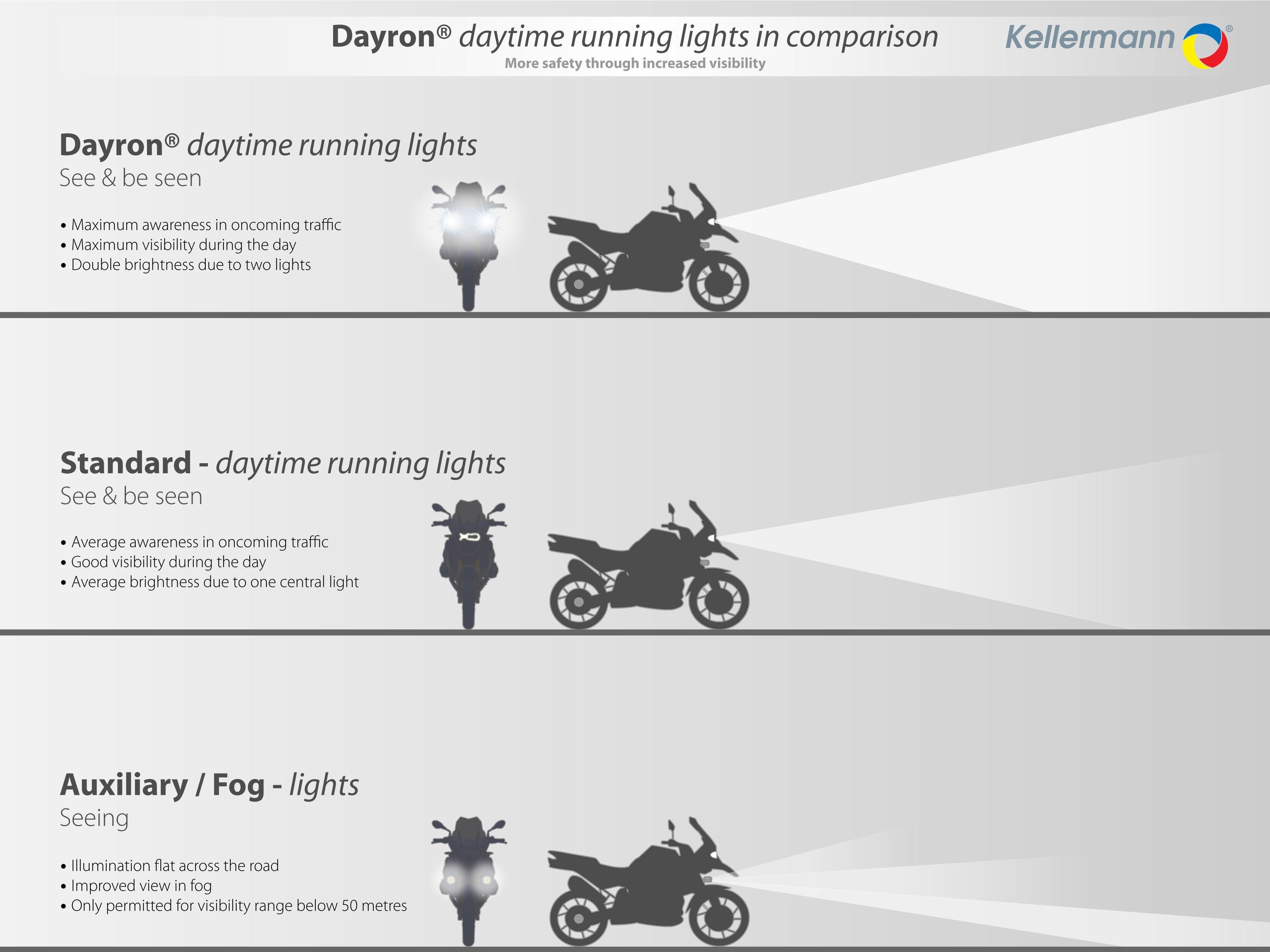
Custom lighting allows riders to express their style. It includes options like neon lights, accent lights, and projector headlights.
Popular custom lighting options include:
| Type | Description |
|---|---|
| Neon Lights | These add a glow to the bike, ideal for night rides. |
| Accent Lights | Small lights that highlight specific parts of the bike. |
| Projector Headlights | These provide a focused beam, improving night visibility. |
With custom lighting, ensure it meets regulatory standards. Non-compliant lights can lead to fines. Always check local laws before installing custom lights.
Custom lighting can transform the look of your motorcycle. It also enhances safety by making you more visible. Choose options that reflect your style and improve road safety.
Credit: www.kellermann-online.com
Installation And Maintenance
Proper installation and maintenance of motorcycle lighting are crucial for safety. Following regulations ensures visibility and compliance with legal standards.
Proper Installation
Proper installation of motorcycle lighting is essential for safety and legal compliance. Follow these steps to ensure correct installation:
- Read the manufacturer’s instructions: Always follow the guidelines provided.
- Use the correct tools: Ensure you have the right tools for the job.
- Check the alignment: Lights should be aligned correctly to avoid blinding other road users.
- Secure the wiring: Use proper clips and ties to avoid loose wires.
- Test the lights: Before finalizing, check all lights are working.
Routine Checks
Regular checks help maintain the effectiveness of motorcycle lights. Here are some routine checks to perform:
- Inspect for damage: Check for cracks or broken parts.
- Clean the lenses: Dirty lenses can reduce light output.
- Check the bulbs: Ensure all bulbs are functioning.
- Verify the battery: A weak battery can affect light performance.
- Test the connections: Ensure all electrical connections are secure.
Maintenance Tips
Maintaining your motorcycle lighting regulations system extends its lifespan. Follow these tips:
| Task | Frequency |
|---|---|
| Clean lenses | Monthly |
| Check bulb functionality | Bi-weekly |
| Inspect wiring | Quarterly |
| Test battery voltage | Monthly |
Regular maintenance ensures your lights remain bright and effective.
Common Lighting Issues
Motorcycle lighting regulations are crucial for safe riding. Adhering to these rules ensures visibility and safety. Despite regulations, riders often face lighting issues. This section covers common lighting problems and their solutions.
Flickering Lights
Flickering lights can be a serious problem. They often distract other drivers. Here are some common causes:
- Loose connections: Check all wiring connections. Tighten if needed.
- Faulty bulbs: Replace flickering bulbs immediately.
- Electrical issues: Get the motorcycle’s electrical system checked by a professional.
Regular maintenance can prevent flickering lights. Always ensure connections are secure.
Burned-out Bulbs
Burned-out bulbs are another frequent issue. They compromise visibility and safety. Follow these steps to handle burned-out bulbs:
- Identify the burned-out bulb: Check both front and rear lights.
- Replace the bulb: Use bulbs that meet regulatory standards.
- Inspect the socket: Ensure it is clean and free of corrosion.
Keeping spare bulbs can be a lifesaver. Regularly inspect all lights to avoid surprises.
| Issue | Causes | Solutions |
|---|---|---|
| Flickering Lights | Loose connections, faulty bulbs, electrical issues | Tighten connections, replace bulbs, check electrical system |
| Burned-Out Bulbs | Old bulbs, electrical issues | Replace bulbs, inspect sockets |
Addressing these common issues can enhance safety. Proper lighting is crucial for every ride.

Credit: www.eaglelights.com
Legal Consequences Of Non-compliance
Ignoring motorcycle lighting regulations can lead to serious consequences. Non-compliance affects your wallet, insurance, and safety. This section covers the potential legal repercussions.
Fines And Penalties
Authorities impose fines for improper motorcycle lighting. These fines vary by region. Below is a table showcasing typical penalties:
| Region | Fine Amount |
|---|---|
| California | $100 – $200 |
| New York | $150 – $300 |
| Texas | $75 – $150 |
Repeat offenders face higher fines. Some jurisdictions may suspend your license. Always ensure your lights meet local standards.
Insurance Implications
Non-compliance with lighting rules affects your insurance. Insurers may refuse to cover accidents. Below are some potential insurance consequences:
- Higher premiums
- Denial of claims
- Policy cancellation
Riding with faulty lights increases risks. Insurers view this as negligence. Always ensure your motorcycle lighting is compliant.
Tips For Staying Safe
Staying safe on your motorcycle is crucial. Proper lighting can help you stay visible. Here are some essential tips.
Regular Inspections
Regular inspections of your motorcycle lights are important. A simple checklist can help. Make sure to check:
- Headlights: Ensure they are bright and not flickering.
- Taillights: Confirm they are working, especially the brake light.
- Turn signals: Verify they flash at the correct rate.
- Reflectors: Check they are clean and not cracked.
Use this table for a quick reference:
| Light | Check | Frequency |
|---|---|---|
| Headlights | Brightness, Stability | Weekly |
| Taillights | Function, Brake Light | Weekly |
| Turn Signals | Flash Rate | Weekly |
| Reflectors | Cleanliness, Damage | Monthly |
Using Lights Appropriately
Using your motorcycle lights correctly increases safety. Follow these tips:
- Headlights: Use high beams on dark roads. Switch to low beams in traffic.
- Taillights: Keep them on at all times, day or night.
- Turn Signals: Signal well before turns or lane changes.
- Hazard Lights: Use them if you stop unexpectedly.
Remember, your lights help others see you. Proper use can prevent accidents. Stay safe and always be visible.
Frequently Asked Questions About Motorcycle Lighting Regulations
What Are The Basic Motorcycle Lighting regulations?
Motorcycles must have a working headlight, tail light, and brake light. These lights ensure visibility and safety. Turn signals are also required in many regions.
Are Led Lights Allowed On Motorcycles?
Yes, LED lights are generally allowed on motorcycles. They must comply with local regulations regarding brightness and positioning.
How Often Should Motorcycle Lights Be Checked?
Motorcycle lights should be checked before each ride. Regular checks ensure they are functioning properly and enhance safety.
Do Motorcycles Need Daytime Running Lights?
In many regions, daytime running lights are required for motorcycles. They improve visibility during daylight hours, increasing safety.
Conclusion
Staying informed about motorcycle lighting regulations is essential. It ensures safety and compliance with laws. Proper lighting enhances visibility, reducing accident risks. Regular checks and upgrades keep your motorcycle road-legal. Stay safe and enjoy the ride by adhering to these regulations.
Keep your lights in top condition for optimal performance.