
In the world of motorcycle tires, the debate between bias and radial designs remains a hot topic among riders and enthusiasts. This article will explore the fundamental differences between bias and radial tires, their construction, performance characteristics, and suitability for various riding styles and conditions.
With insights from industry experts and real-world experiences from riders, we aim to provide a comprehensive understanding of each tire type. By the end of this article, readers will be equipped with the knowledge necessary to make informed decisions when selecting tires for their motorcycles, whether for daily commuting, touring, or off-road adventures.
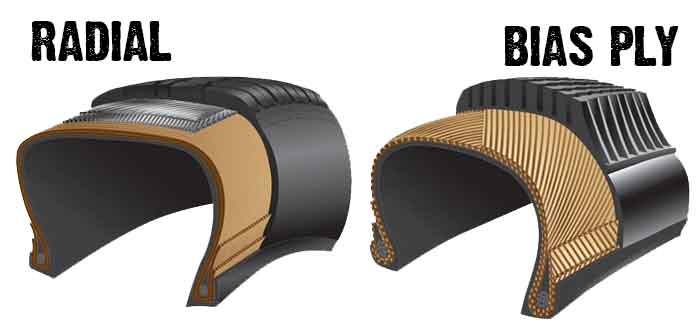
Credit: Witchdoctors
Understanding Tire Construction
The construction of motorcycle tires is pivotal to their performance and longevity. Bias and radial tires differ significantly in their ply arrangement and materials used, which affects their handling, comfort, and durability.
Bias Ply Construction
Bias ply tires consist of layers of cords that run diagonally across the tire. These layers create a crisscross pattern and generally have a higher number of plies.
This design results in a stiff sidewall, which enhances durability and load-carrying capacity. Bias ply tires are often constructed using materials such as nylon or Kevlar, which contribute to their strength.
Radial Ply Construction
In contrast, radial tires utilize a construction method where the cords are arranged perpendicular (at 90 degrees) to the direction of travel. This design allows for a flexible sidewall and a more independent tread area.
Radial tires are typically reinforced with steel belts, enhancing their ability to dissipate heat and maintain performance during higher speeds.
Comparison Table of Construction Methods
| Aspect | Bias Ply Tires | Radial Ply Tires |
|---|---|---|
| Ply Arrangement | Diagonal, crisscross pattern | Perpendicular to the center |
| Sidewall Stiffness | Stiff | Flexible |
| Material Used | Nylon, Kevlar | Steel belts, various fabric blends |
| Load Capacity | Higher | Moderate |
| Heat Dissipation | Poor | Excellent |
The table above clearly outlines the fundamental differences in construction between bias and radial tires. Bias ply tires are designed with a crisscross layer arrangement, which provides them with enhanced load capacity and durability.
However, this construction leads to poor heat dissipation, making them less suitable for high-speed applications. In contrast, radial tires feature a more sophisticated design that includes steel belts, allowing for better flexibility and heat management.
This results in improved handling, particularly at higher speeds, making radial tires more favorable for sport and touring motorcycles.
Performance Characteristics
Understanding how bias and radial tires perform under various conditions is essential for making an informed decision. Each type of tire has its unique characteristics that cater to different riding styles and environments.
Handling and Stability
Bias ply tires typically offer stability and straight-line tracking, which can be beneficial for heavier motorcycles and cruising. However, they may lack the agility needed for sharp cornering.
On the other hand, radial tires provide superior handling and responsiveness. Their ability to flex allows for increased contact patch during cornering, enhancing grip and control.
Grip and Traction
When it comes to grip, radial tires generally outperform bias ply tires. Their construction allows for a larger contact area, providing better traction on various surfaces, including wet roads.
Bias tires, while sturdy, may struggle under extreme conditions due to their limited heat dissipation and rigidity.
Heat Dissipation
Heat is a crucial factor in tire performance. Radial tires excel in this aspect, thanks to their construction, which distributes heat more evenly across the tread.
This reduces the risk of tire failure at high speeds. Bias tires, however, can overheat, especially during prolonged high-speed riding, leading to reduced performance and increased wear.
Performance Comparison Table
| Performance Metric | Bias Ply Tires | Radial Ply Tires |
|---|---|---|
| Cornering Stability | Good | Excellent |
| Traction on Wet Surfaces | Fair | Superior |
| Heat Resistance | Poor | Good |
| Longevity | Moderate | High |
The performance comparison table highlights critical metrics affecting riders’ experiences. Radial tires demonstrate superior cornering stability and traction on wet surfaces due to their design, which enhances contact with the road.
Additionally, they show better heat resistance and longevity, making them the preferred choice for those who prioritize performance. Bias tires, while still reliable for certain applications, fall short in these crucial areas, particularly under demanding conditions.
Advantages of Bias Ply Tires
Despite the increasing popularity of radial tires, bias ply tires still hold a significant place in the motorcycle community. They offer unique advantages that can cater to specific needs and riding styles.
Load Capacity
One of the primary benefits of bias ply tires is their ability to handle heavier loads. Their rigid sidewalls provide additional strength, making them ideal for cruiser motorcycles or touring bikes that carry substantial weight.
Durability and Puncture Resistance
Bias ply tires are known for their durability and puncture resistance. The thick, reinforced construction helps prevent damage from sharp objects and contributes to a longer lifespan, especially under normal riding conditions.
Cost Considerations
Bias ply tires are generally more affordable than their radial counterparts. For riders on a budget, this cost-effectiveness can be a significant factor, especially for those who do not require the high-performance features of radial tires.
Advantages of Bias Ply Tires Table
| Advantage | Description |
|---|---|
| Load Capacity | Handles heavier weights effectively. |
| Durability | More resistant to punctures and wear. |
| Cost | More affordable option for budget-conscious riders. |
The advantages table emphasizes the key benefits of bias ply tires. Their load capacity makes them suitable for heavyweight motorcycles, while their durability ensures reliability over time.
Additionally, their lower cost can be appealing for riders who prioritize budget without sacrificing essential features. These factors contribute to the continuing relevance of bias ply tires, especially for specific riding applications and styles.
Advantages of Radial Tires
Radial tires have revolutionized the motorcycle industry, offering numerous advantages that cater to modern riding demands.
Ride Comfort
One of the most notable benefits of radial tires is the comfort they provide. The flexible sidewalls absorb shocks from road imperfections, resulting in a smoother ride.
This is particularly advantageous for long-distance touring.
Fuel Efficiency
Radial tires contribute to better fuel efficiency due to their lower rolling resistance. This characteristic allows motorcycles to travel further on less fuel, making them an excellent choice for long rides where fuel economy is crucial.
Performance at High Speeds
Radial tires are designed for high-speed performance, allowing for increased stability and control. Their superior heat dissipation capabilities prevent overheating, which is vital for maintaining tire integrity during high-speed rides.
Advantages of Radial Tires Table
| Advantage | Description |
|---|---|
| Ride Comfort | Absorbs shocks for a smoother experience. |
| Fuel Efficiency | Lower rolling resistance improves mileage. |
| High-Speed Performance | Maintains stability and control during high speeds. |
The advantages table for radial tires underscores their benefits in terms of comfort, efficiency, and performance. Riders looking for a smooth, enjoyable ride will appreciate the shock-absorbing qualities of radial tires.
Furthermore, their ability to enhance fuel efficiency makes them an attractive option for long-distance travel. Lastly, when it comes to high-speed riding, radial tires provide the reliability and control necessary for safe handling, highlighting their superiority in modern motorcycle applications.
Choosing the Right Tire for Your Motorcycle
Selecting between bias and radial tires is a significant decision that depends on various factors, including riding style, motorcycle type, and personal preferences.
Consider Your Riding Style
Your riding style plays a crucial role in tire selection. If you primarily ride in a straight line with a heavy load, bias ply tires may suit your needs.
Conversely, if you enjoy spirited rides with frequent cornering, radial tires will offer better handling and performance.
Assessing Motorcycle Type
Different motorcycle types may perform better with specific tire designs. Touring and cruiser bikes often benefit from the stability and load capacity of bias ply tires, while sportbikes generally favor the agility and responsiveness of radial tires.
Budgeting for Tires
Cost is a significant consideration when choosing tires. Bias ply tires tend to be less expensive, making them a practical option for budget-conscious riders.
However, investing in radial tires can pay off in terms of longevity and performance, potentially saving money in the long run.
Tire Selection Guidance Table
| Riding Style | Recommended Tire Type |
|---|---|
| Heavy Load, Straight Riding | Bias Ply |
| Sport and Cornering | Radial |
| Budget-Conscious | Bias Ply |
| Long-Distance Touring | Radial |
The tire selection guidance table provides clear recommendations based on riding styles and budgets. This helps riders match their needs with the appropriate tire type, ensuring optimal performance and safety.
By considering these factors, motorcyclists can make informed decisions that enhance their riding experience, regardless of whether they choose bias or radial tires.
Real-World Experiences
Real-world testimonials from riders who have switched between bias and radial tires can provide valuable insights into their performance differences.
Rider Testimonials
Many riders report significant improvements in handling and comfort after transitioning to radial tires. For example, a rider noted that switching from bias to radial tires on their motorcycle resulted in enhanced cornering ability and a more stable ride at high speeds.
Common Mistakes in Tire Selection
One common mistake is assuming that bias tires are always better for heavier motorcycles. While they offer durability and load capacity, many modern heavy bikes can also benefit from the performance characteristics of radial tires.
Success Stories
Numerous riders have shared success stories about how radial tires improved their riding experience. For instance, one rider mentioned completing a long-distance tour without experiencing fatigue, attributing this comfort to the shock-absorbing nature of radial tires.
Real-World Experiences Table
| Experience Type | Description |
|---|---|
| Improved Handling | Transition to radial tires enhanced cornering and stability. |
| Comfort on Long Rides | Radial tires provided a smoother ride over long distances. |
| Load Capacity Misconception | Heavy bikes can perform well with radials, contrary to common beliefs. |
The real-world experiences table illustrates how riders perceive the differences between tire types. Improved handling and comfort are frequently cited benefits of radial tires, while misconceptions about load capacity reveal the need for a more nuanced understanding of tire performance.
These testimonials underscore the importance of choosing the right tire based on individual riding habits and motorcycle specifications.
Mixing Tire Types: Is it Safe?
Using a combination of bias and radial tires on the same motorcycle raises questions about safety and performance.
Potential Risks
Mixing tire types can lead to unpredictable handling characteristics, as the different designs may respond differently to road conditions. This can compromise stability and increase the risk of accidents.
When It Might Be Acceptable
In some cases, riders have successfully used a bias tire in the front and a radial tire in the rear. This configuration can be acceptable on certain motorcycles, particularly those with unique design features, but caution is advised.
Recommendations from Experts
Experts generally recommend using the same type of tire on both the front and rear wheels to ensure consistent handling and performance. Mixing tire types should be approached with caution and ideally avoided unless advised by a knowledgeable mechanic.
Mixing Tire Types Table
| Mixing Scenario | Safety Considerations |
|---|---|
| Bias Front, Radial Rear | Potential for handling issues, but may be acceptable for some models. |
| Both Bias | Consistent handling and performance. |
| Both Radial | Optimal performance and stability. |
The mixing tire types table clarifies the safety considerations surrounding different configurations. While there may be some acceptable scenarios for mixing, the general consensus is to stick with a matched set for optimal performance and safety.
Ensuring that both tires are of the same type will help maintain predictable handling characteristics, making it crucial for riders to prioritize uniformity in their tire choices.
FAQs about Bias vs Radial Motorcycle Tires
What are the key differences between bias and radial tires?
The main differences between bias and radial tires lie in their construction and performance characteristics. Bias tires have cords arranged diagonally, providing a stiffer sidewall which enhances load capacity and durability.
In contrast, radial tires feature perpendicular cord arrangements, allowing for better flexibility and heat dissipation. This results in improved handling and grip, especially at high speeds.
Which type of tire lasts longer?
Generally, radial tires tend to last longer than bias tires due to their superior heat dissipation and even wear characteristics. Riders often report that radial tires provide extended mileage compared to their bias counterparts, making them a popular choice for long-distance touring.
However, the longevity can also depend on riding style and conditions.
Can I mix bias and radial tires on my motorcycle?
While it is technically possible to mix bias and radial tires, it is not recommended due to potential handling issues. The different performance characteristics may lead to unpredictable behavior, especially in cornering.
If mixing is necessary, it’s advised to place the bias tire on the front and the radial on the rear, but ideally, both tires should match for optimal safety and performance.
What should I consider when selecting tires for my motorcycle?
When selecting tires, consider factors such as your riding style, the type of motorcycle you own, and your budget. Determine whether you prioritize comfort, performance, or durability.
Additionally, think about the types of roads you’ll be riding on and how often you plan to ride to help guide your decision between bias and radial tires.
Are bias tires better for heavy loads compared to radials?
Bias tires are typically better suited for heavy loads due to their stiffer sidewalls, which provide enhanced load capacity. This makes them a popular choice for cruisers and touring motorcycles that carry significant weight.
However, many modern radial tires are also designed to handle heavy loads effectively, so it’s essential to consider both the tire specifications and your motorcycle’s requirements.
Conclusion
In conclusion, the choice between bias and radial motorcycle tires ultimately depends on individual riding preferences, motorcycle types, and specific use cases. While bias tires may offer certain advantages in durability and load capacity, radial tires excel in performance, comfort, and longevity.
Understanding these differences allows riders to make informed decisions that enhance their motorcycle experience, ensuring safety and optimal performance on the road. Riders should weigh their options carefully and consider their unique riding styles when selecting the right tires for their motorcycles.