
In this article, we will explore the common issue of Brakes Won’t Bleed, a frustrating problem often faced by vehicle owners and mechanics alike. When air gets trapped in the brake lines, it can lead to a soft or unresponsive brake pedal, compromising vehicle safety.
Understanding the underlying causes is essential for diagnosing and resolving this issue effectively. We will delve into the causes of this problem, provide a step-by-step guide to troubleshooting and fixing the issue, and share expert tips to ensure your braking system is functioning correctly.
Whether you’re a DIY enthusiast or a seasoned mechanic, this comprehensive guide will equip you with the knowledge needed to address brake bleeding challenges effectively.
Understanding the Brake System
The hydraulic brake system is a critical component of vehicle safety, relying on brake fluid to transfer force from the brake pedal to the braking mechanism at each wheel. Understanding how the brake system operates is essential for diagnosing issues such as ineffective brake bleeding.
Components of a Brake System
A typical hydraulic brake system consists of several key components:
- Brake Pedal: The interface used by the driver to apply force to the brake system.
- Master Cylinder: Converts the force from the brake pedal into hydraulic pressure.
- Brake Lines: Transport brake fluid from the master cylinder to the brake calipers or wheel cylinders.
- Brake Calipers/Wheel Cylinders: Apply pressure to the brake pads or shoes to create friction against the rotors or drums, slowing the vehicle.
- Brake Fluid: A hydraulic fluid that transfers force and lubricates the brake system.
The Role of Brake Fluid
Brake fluid is essential in a hydraulic brake system because it is incompressible, allowing for efficient force transfer. Over time, brake fluid can become contaminated, reducing its effectiveness and leading to spongy brake pedals.
Regular fluid checks and replacements are crucial to maintaining brake performance.
Hydraulic Principles
The brake system operates on the principle of hydraulics, where pressure applied to the brake pedal creates a force that is distributed throughout the system. This pressure forces the brake pads against the rotors, generating the friction necessary to slow down the vehicle.
Air trapped in the system can compress, leading to ineffective braking action.
| Brake System Component | Function |
|---|---|
| Brake Pedal | Initiates braking force |
| Master Cylinder | Converts pedal force into hydraulic pressure |
| Brake Lines | Transport fluid |
| Calipers/Wheel Cylinders | Apply pressure to brake pads/shoes |
| Brake Fluid | Transfers force and lubricates system |
The table above outlines the essential components of a hydraulic brake system and their respective functions. Each element plays a crucial role in ensuring the system operates effectively.
For instance, the master cylinder is vital as it translates the force from the brake pedal into hydraulic pressure. If any component fails or malfunctions, it can lead to issues such as soft brakes or difficulty in bleeding the system.
Regular maintenance and checks are necessary to ensure that each component is functioning correctly and that the brake fluid is clean and at the proper level.
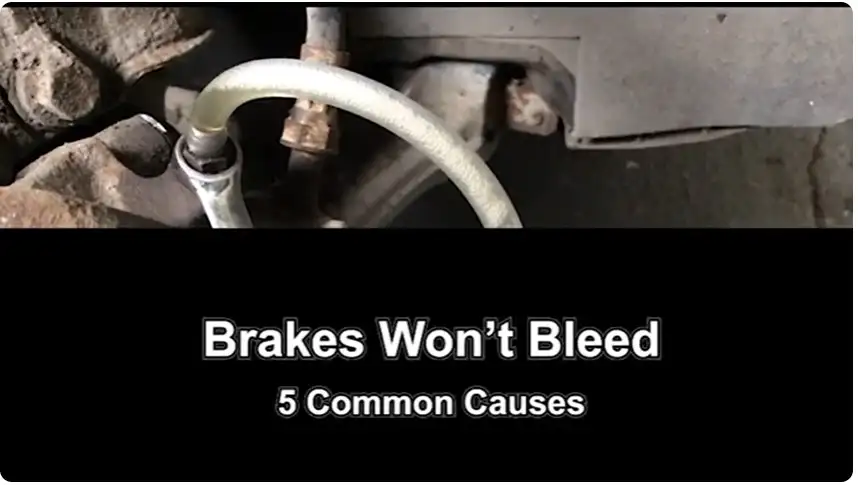
Common Causes of Bleeding Issues
Bleeding issues can arise due to various factors, often leading to frustration for vehicle owners. Understanding the common causes can facilitate quicker diagnostics and solutions.
Air in the System
Air trapped in the brake lines is one of the most common causes for brakes that won’t bleed. When air enters the system, it can create a spongy feeling in the brake pedal, making it difficult to achieve effective braking.
Causes of air entry include:
- Low brake fluid levels due to leaks or evaporation.
- Improper bleeding techniques that allow air to re-enter the system.
- Disconnected or damaged brake lines.
Clogged Brake Lines
Clogs in the brake lines can prevent fluid from flowing properly, resulting in ineffective braking and difficulty bleeding the system. Factors leading to clogs include:
- Rust and corrosion that accumulate over time.
- Debris or contaminants that obstruct fluid flow.
- Twisted or kinked lines that restrict fluid movement.
Faulty Master Cylinder
A malfunctioning master cylinder can lead to a hard pedal or insufficient pressure in the brake lines. Symptoms of a failing master cylinder include:
- Pedal sinking to the floor while pressed.
- Fluid leaks around the master cylinder.
- Inconsistent brake performance.
| Cause | Description |
|---|---|
| Air in System | Creates spongy pedal, prevents effective braking. |
| Clogged Brake Lines | Restricts fluid flow, causing ineffective braking. |
| Faulty Master Cylinder | Leads to poor pressure and inconsistent braking. |
The table above summarizes common causes of brake bleeding issues along with their descriptions. Identifying these factors is essential for resolving brake problems effectively.
For instance, air in the system is often the result of improper bleeding or low fluid levels, while clogs may require inspecting the lines for rust or debris. A faulty master cylinder often necessitates replacement or repair.
By understanding these causes, vehicle owners can take appropriate measures to ensure their braking systems function safely.
Initial Diagnostic Steps
Before bleeding the brakes, it’s crucial to conduct a series of diagnostic checks to identify any underlying issues that may hinder the process.
Visual Inspections
Conducting visual inspections can help identify leaks or damage that could affect brake performance. Key areas to inspect include:
- Brake lines for signs of wear, rust, or kinks.
- Connections at the master cylinder and calipers for leaks.
- Brake fluid reservoir for proper fluid levels.
Checking the Brake Fluid Reservoir
Ensure that the brake fluid reservoir is filled to the recommended level. Low fluid can cause air to enter the system, complicating the bleeding process.
If the fluid is low, top it off with the appropriate brake fluid type before proceeding.
Listening for Air Leaks
While pressing the brake pedal, listen for hissing or air sounds, which can indicate leaks in the system. These leaks can significantly impact brake performance and should be addressed before attempting to bleed the brakes.
| Diagnostic Step | Description |
|---|---|
| Visual Inspections | Check for damage or leaks in brake lines and components. |
| Fluid Level Check | Ensure brake fluid reservoir is at the correct level. |
| Listen for Leaks | Identify air leaks that may affect brake performance. |
The diagnostic steps outlined in the table above are essential for identifying issues before bleeding brakes. Visual inspections can reveal leaks or damage that may otherwise go unnoticed, while checking the fluid level ensures that the system can create adequate pressure.
Listening for air leaks is equally important, as these can undermine the entire brake system’s effectiveness. By performing these checks, mechanics and vehicle owners can address potential problems proactively, ensuring a more successful brake bleeding process.
Proper Techniques for Bleeding Brakes
Successfully bleeding brakes requires the right techniques to ensure that all air is removed from the system. Here are several methods to achieve effective results.
Manual Bleeding Method
The manual bleeding method is a straightforward approach that requires a helper. Here’s how to perform it:
- Start at the wheel furthest from the master cylinder.
- Have your helper pump the brake pedal several times, then hold it down.
- Open the bleeder valve to release fluid and air.
- Close the valve before your helper releases the pedal.
- Repeat until fluid runs clear without bubbles.
Gravity Bleeding Technique
Gravity bleeding is a simple method that uses gravity to allow fluid to flow through the system:
- Elevate the vehicle and open the bleeder valves.
- Fill the master cylinder reservoir with fresh brake fluid.
- Allow fluid to flow through the lines until it runs clear at the bleeder valves.
- Close the valves and check fluid levels.
Using a Vacuum Bleeder
A vacuum bleeder can be a great tool for ensuring all air is removed effectively:
- Attach the vacuum bleeder to the bleeder valve.
- Activate the vacuum to draw fluid through the system.
- Monitor the fluid level in the reservoir, topping it off as necessary.
- Repeat until no air bubbles are visible.
| Bleeding Method | Description | Pros | Cons |
|---|---|---|---|
| Manual Bleeding | Requires a helper to pump the brake pedal. | Simple and effective. | Time-consuming and relies on coordination. |
| Gravity Bleeding | Utilizes gravity to allow fluid to flow. | Easy and requires no additional equipment. | Can be slow and may not remove all air. |
| Vacuum Bleeder | Uses suction to draw fluid through the lines. | Effective at removing air quickly. | Requires specific tools and setup. |
The table above compares different methods for bleeding brakes, highlighting the pros and cons of each technique. The manual method, while simple, can be time-consuming and requires good communication between the person pumping the pedal and the one releasing the bleeder valve.
Gravity bleeding is easy but may not effectively remove all air, particularly in complex systems. Using a vacuum bleeder can expedite the process, but it requires additional equipment that might not be available to every DIY enthusiast.
Ultimately, the choice of method depends on the tools at hand and the specific circumstances of the brake system in question.
Advanced Troubleshooting Tips
For more complex bleeding issues, advanced troubleshooting strategies may be necessary to identify and resolve the problem effectively.
Addressing ABS Issues
If your vehicle is equipped with an Anti-lock Braking System (ABS), air can become trapped in the ABS module, complicating the bleeding process. Use an ABS scan tool to exercise the ABS pump and valves, allowing trapped air to escape.
For vehicles without such tools, follow the manufacturer’s guidelines for manually bleeding the ABS system.
Examining Proportioning Valves
Proportioning valves regulate brake pressure between the front and rear brakes. If these valves become stuck, it can lead to uneven braking performance.
Inspect the proportioning valve for blockages and ensure it operates correctly. Tapping the valve gently may help free any stuck components.
Checking Brake Hoses for Collapse
Brake hoses can deteriorate from the inside, leading to a condition where they collapse under pressure. Inspect hoses for bulges, cracks, or signs of wear.
If a hose appears compromised, it may need to be replaced to restore proper brake function.
| Advanced Tip | Description |
|---|---|
| Addressing ABS Issues | Use an ABS scan tool to cycle the pump and valves. |
| Examining Proportioning Valves | Check for blockages and ensure proper operation. |
| Checking Brake Hoses | Inspect hoses for internal collapse or damage. |
The advanced troubleshooting tips outlined in the table above provide a deeper understanding of issues that may complicate brake bleeding. Addressing ABS issues can be critical, especially in modern vehicles where the ABS system plays a significant role in braking efficiency.
Evaluating the proportioning valve ensures balanced braking pressure, while inspecting brake hoses for deterioration helps prevent unsafe conditions. Each of these checks contributes to a comprehensive approach to resolving bleeding issues, ensuring that your braking system operates effectively and safely.
Common Mistakes to Avoid
When bleeding brakes, certain common mistakes can lead to ineffective results or even make the situation worse. Avoiding these pitfalls can facilitate a smoother bleeding process.
Overlooking Fluid Levels
One of the most critical mistakes is allowing the brake fluid reservoir to run low during the bleeding process. If the fluid level drops too low, air can be drawn back into the system, nullifying your efforts.
Always ensure that the reservoir is full before and during bleeding.
Incorrect Bleeding Order
Bleeding the brakes in the wrong order can lead to incomplete air removal. The standard order is typically farthest to nearest from the master cylinder, usually starting with the rear passenger side, then the rear driver side, followed by the front passenger side, and finally the front driver side.
Ensuring the correct order is essential for effective bleeding.
Ignoring Air Trapped in Calipers
Air can become trapped in the calipers, especially if they are not positioned correctly during the bleeding process. It’s essential to ensure that calipers are oriented to allow air to escape easily from the bleeder valve.
Sometimes, repositioning the caliper can help facilitate better bleeding results.
| Mistake | Consequence |
|---|---|
| Overlooking Fluid Levels | Air can re-enter the system, causing a soft pedal. |
| Incorrect Bleeding Order | Incomplete air removal, leading to poor brake performance. |
| Ignoring Trapped Air in Calipers | Resulting in spongy brakes and ineffective braking. |
The table above highlights common mistakes made during the brake bleeding process and their potential consequences. Failing to monitor fluid levels can result in a frustrating cycle of air re-entry, while incorrect bleeding order can lead to incomplete purging of air.
Ignoring air trapped in calipers can significantly affect brake performance, making it crucial to ensure proper positioning and orientation during the process. By being aware of these common mistakes, vehicle owners can improve their brake bleeding outcomes and avoid unnecessary complications.
When to Seek Professional Help
While many brake issues can be resolved with DIY efforts, certain scenarios warrant professional intervention to ensure safety and proper functionality.
Persistent Pedal Issues
If the brake pedal remains soft or unresponsive despite repeated bleeding attempts, it may indicate a more serious problem, such as a failing master cylinder or internal leaks. In such cases, it’s advisable to consult a professional mechanic for a thorough inspection.
Unclear Diagnostic Outcomes
If you are unsure of the cause of the bleeding issue, or if the diagnostics yield inconclusive results, professional mechanics have the tools and expertise to identify hidden problems that may not be apparent during a basic inspection.
Safety Concerns
If the vehicle exhibits any signs of brake failure or inefficiency, it’s crucial to prioritize safety. Delaying necessary repairs can lead to hazardous driving conditions.
Consulting with a professional ensures that your braking system is restored to optimal functionality.
| Scenario | Recommended Action |
|---|---|
| Persistent Pedal Issues | Seek a professional mechanic for inspection. |
| Unclear Diagnostic Outcomes | Consult experts to identify hidden problems. |
| Safety Concerns | Prioritize professional repairs to ensure safety. |
The table outlines scenarios where seeking professional help is advisable and the corresponding recommended actions. Persistent issues that don’t resolve with standard methods often point to deeper mechanical problems that require specialized knowledge and tools.
Similarly, unclear diagnostics can leave vehicle owners in a state of uncertainty, making professional assessment essential. Most importantly, safety concerns should never be ignored; brake systems are vital to vehicle operation, and timely intervention can prevent dangerous situations on the road.
By recognizing these scenarios, vehicle owners can take appropriate steps to ensure their braking systems remain reliable and safe.
FAQs on Brakes Won’t Bleed?
Why are my brakes still soft after bleeding?
If your brakes are still soft after bleeding, it could indicate several issues. Air might still be trapped in the system, particularly in the ABS module or calipers.
Additionally, a faulty master cylinder could be failing to generate adequate pressure. Checking for fluid leaks in brake lines or connections is also crucial, as this can lead to a loss of hydraulic pressure.
Regularly monitoring fluid levels during the bleeding process is essential to avoid reintroducing air into the system. If the problem persists, professional inspection is recommended.
How often should I bleed my brakes?
You should consider bleeding your brakes every 2-3 years or whenever you notice a change in brake pedal feel, such as sponginess or excessive travel. Additionally, bleeding is essential whenever brake components are replaced, like calipers or brake lines, as air can enter the system during repairs.
Regular maintenance of brake fluid not only enhances performance but also prolongs the lifespan of hydraulic components by preventing contamination and moisture absorption.
Can I bleed my brakes without a helper?
Yes, you can bleed your brakes without a helper by using methods such as gravity bleeding or vacuum bleeding. Gravity bleeding involves opening the bleeder valve and allowing fluid to flow out naturally until no air bubbles are present.
Vacuum bleeding uses a vacuum pump to draw fluid through the lines. Both methods can be effective, but they may require additional tools or time compared to the traditional manual method, which is generally more straightforward with a helper.
What tools do I need to bleed brakes effectively?
To effectively bleed brakes, you typically need a few essential tools: a wrench or socket for the bleeder valves, a clear hose to direct fluid into a container, and a brake fluid reservoir or catch bottle. Additionally, a turkey baster can help remove old brake fluid from the master cylinder before starting.
For vacuum bleeding, a vacuum pump will be necessary, while gravity bleeding requires only a little patience and a proper setup to catch the fluid. Proper tools ensure a more efficient and cleaner bleeding process.
How do I know if my master cylinder is faulty?
Signs of a faulty master cylinder include a brake pedal that sinks to the floor when pressed, inconsistent braking performance, or fluid leaks around the master cylinder itself. If you experience a soft pedal that does not firm up after bleeding, it may indicate internal failure within the master cylinder.
Additionally, if the brakes feel spongy even after thorough bleeding, a professional inspection is advisable to confirm whether the master cylinder is indeed at fault and requires replacement.
Final thoughts: Brakes Won’t Bleed?
In conclusion, troubleshooting brakes that won’t bleed can be challenging, but with the right knowledge and techniques, most issues can be resolved effectively. Regular maintenance and understanding of your brake system will not only enhance safety but also prolong the lifespan of critical components.
Whether you choose to tackle the problem yourself or seek professional assistance, being informed is the first step towards ensuring a reliable and responsive braking system.