
Motorcycles are the symbol of freedom, with riders zipping through roads and highways, often bypassing the congestion of larger vehicles. But when it comes to paying tolls on the road, the question arises: can an E-ZPass tag be read if it’s in a bag on a motorcycle? This seemingly simple question holds a few nuances that every motorcycle rider should know, especially if you rely on toll roads during your journeys. In this article, we’ll explore the ins and outs of E-ZPass usage for motorcycles, focusing on the challenges of having the tag inside a bag while passing through toll plazas. We’ll also provide tips to help ensure your toll experience is seamless.
What Is E-ZPass?
Before we dive into the specifics of motorcycle tolling, let’s first establish a solid understanding of what an E-ZPass is.
E-ZPass is an electronic toll collection system used on highways, bridges, and tunnels throughout various states. It allows drivers to pay tolls electronically without stopping at toll booths. Instead of cash or card payments, drivers use a small, RFID-enabled transponder that attaches to their vehicle. As the vehicle passes through the toll plaza, the E-ZPass sensor reads the transponder, and the toll is automatically deducted from the driver’s prepaid account. This system is widely adopted across the United States due to its speed, efficiency, and convenience.
For motorcycle riders, the benefits of E-ZPass are just as significant, offering a way to avoid long toll booth queues, which can be a hassle when you’re on two wheels.
How E-ZPass Works on Motorcycles
E-ZPass transponders use Radio Frequency Identification (RFID) technology to communicate with toll sensors. These sensors are placed along the toll lanes, allowing for automatic toll collection without the need for vehicles to stop.
Here’s how it works:
-
Transponder Setup: Riders are given a small transponder to place on their vehicle. This transponder uses RFID to send out signals to the tolling system.
-
Toll Lane Sensors: As you approach a toll lane, the sensors detect the RFID signal from the transponder.
-
Automatic Payment: The system debits the toll amount from your preloaded account, and you’re able to pass through without stopping.
However, for motorcycles, mounting the E-ZPass tag and ensuring it works correctly can be more complicated due to the differences in vehicle design compared to cars.
Mounting an E-ZPass Tag on a Motorcycle
When installing an E-ZPass tag on a motorcycle, it’s crucial that the tag is mounted in a position where it can be clearly read by the toll sensors. Motorcycles don’t have windshields or rearview mirrors like cars, so it’s essential to find an alternative mounting spot.
Here are a few common tips for mounting the E-ZPass tag on your motorcycle:
-
Recommended Location: The best spot for your E-ZPass tag is typically near the headlight or in a visible area, depending on your motorcycle’s design.
-
Surface Preparation: Clean the area thoroughly to ensure the adhesive sticks properly. Dirt, oil, or grease can prevent the adhesive from working.
-
Secure Attachment: Once cleaned, use the provided adhesive strips or mounting hardware to attach the tag. If you’re concerned about vibrations loosening it, you can use zip ties for additional security.
After mounting, test your setup by passing through a toll plaza to ensure that the system is properly reading the tag. If there are issues, you may need to adjust the placement.
Can an E-ZPass Tag Be Read in a Bag on a Motorcycle?
This is the question at the heart of the article, and the answer depends on several factors related to the tag’s placement and the materials around it.
How RFID Technology Works
E-ZPass transponders operate on Radio Frequency Identification (RFID) technology. This technology relies on radio waves to transmit data between the transponder and the toll sensors. The sensor sends out a signal, which the RFID chip in the transponder responds to by sending back information about the user’s account, thereby facilitating the toll payment.
For the RFID signal to be transmitted efficiently, the transponder needs to be relatively unobstructed. If your E-ZPass tag is placed in a bag, the material of the bag can affect the strength of the RFID signal.
Factors Affecting RFID Signal Transmission
-
Material of the Bag:
-
Metallic Materials: If the bag contains metal (such as a metal-lined bag or a bag made entirely of metal), it could significantly interfere with the RFID signal. Metals block or distort the radio waves, preventing the transponder from being read correctly. Therefore, you should avoid using metal or metallic bags for this purpose.
-
Non-Metallic Materials: Bags made of leather, fabric, or other non-metallic materials won’t block the signal, making them more suitable for carrying your E-ZPass tag.
-
-
Tag Positioning: The position of the tag inside the bag also matters. For the E-ZPass tag to be read properly, it should ideally face the toll sensor. If the tag is inside a bag, especially if the bag is slung over your shoulder or stored under your seat, the tag may not be aligned with the sensor’s detection range.
-
Distance and Obstruction: The further the tag is from the toll sensor, the more likely it is that the sensor won’t be able to detect it. If the bag is too thick or the tag is buried in multiple layers of fabric or leather, it can reduce the signal strength and cause the tag to not be read properly.
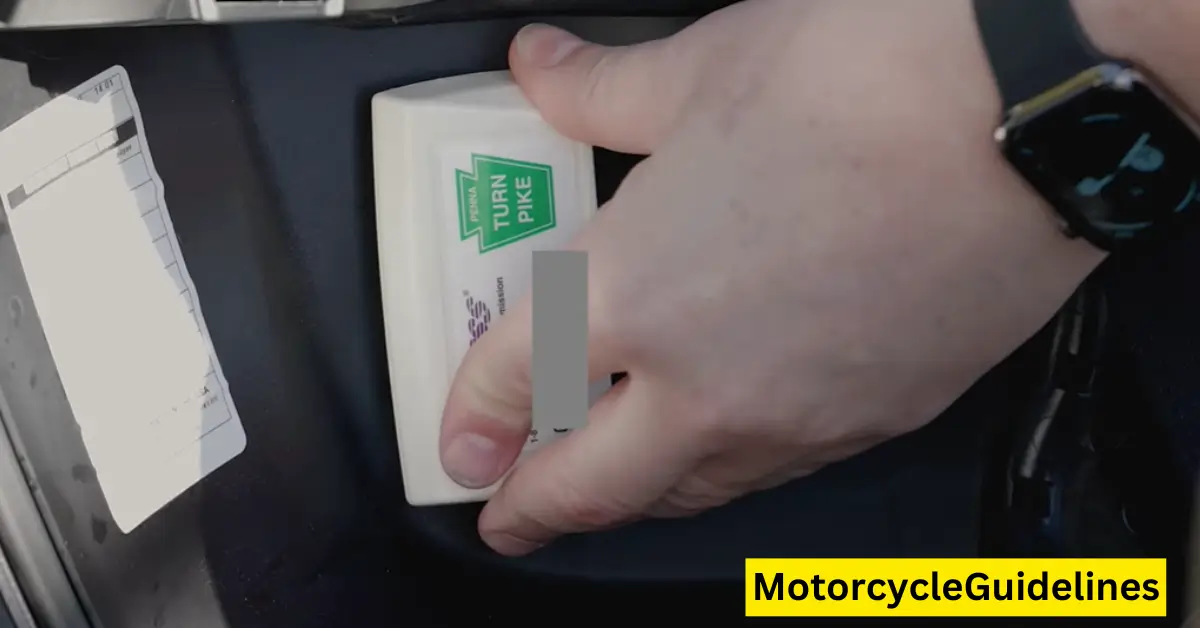
Practical Considerations for Motorcycle Riders
-
Bag Placement: If you must carry your E-ZPass in a bag, ensure that the bag is placed in a way that allows the transponder to be easily detected. A bag that sits parallel to the toll sensor or is positioned near the headlight area may work better.
-
Test Your Setup: Before taking long trips, it’s essential to test the functionality of your E-ZPass tag while it’s in the bag. This can be done by simply riding through a toll plaza at a slow speed and checking if the toll is automatically deducted.
-
Secure Placement: For optimal performance, place the E-ZPass tag in a way that minimizes the chances of interference, such as attaching it directly to the bike’s frame or under the headlight (if possible). This avoids the potential interference caused by carrying it in a bag altogether.
Mounting E-ZPass on a Motorcycle for Optimal Performance
Now that we’ve explored whether an E-ZPass tag can be read in a bag on a motorcycle, it’s time to delve deeper into how you can ensure your E-ZPass tag is mounted and working properly on your motorcycle. This section will provide step-by-step guidance for mounting an E-ZPass tag, tips for maintaining it, and what to do in case the system fails to read your transponder.
Best Practices for Mounting Your E-ZPass Transponder
When it comes to mounting an E-ZPass transponder on your motorcycle, there are several key considerations to ensure that it functions as intended. The most critical aspect of this is positioning the tag where it can easily communicate with the tolling system’s sensors.
-
Where to Mount the E-ZPass Transponder on a Motorcycle:
-
Windshield Area (for Bikes with Windshields): If your motorcycle has a windshield, the best spot to mount the E-ZPass tag is at the top of the windshield or just behind it, as this area is more likely to be directly in line with the toll booth’s sensor.
-
Headlight Area (for Bikes without Windshields): For motorcycles without windshields, it’s generally best to place the transponder near the headlight. This position ensures that the tag is still visible and within the line of sight of the toll sensors as you approach the toll booth.
-
-
Securing the E-ZPass Transponder:
-
Adhesive Strips: Most E-ZPass kits come with adhesive strips that allow you to attach the transponder securely to your motorcycle. Make sure to follow the manufacturer’s instructions when applying the adhesive.
-
Zip Ties for Added Security: To prevent the transponder from coming loose due to wind or vibrations, you may want to use zip ties to secure it further. This is especially important if you ride at high speeds, as vibrations can sometimes dislodge the transponder.
-
Alternative Mounting Options: Some riders prefer purchasing specialized E-ZPass holders designed for motorcycles. These holders often come with mounting kits and provide a secure, reliable way to attach the tag.
-
Step-by-Step Guide to Mounting an E-ZPass Transponder on Your Motorcycle
If you’re ready to mount your E-ZPass transponder, here’s a simple guide to help you through the process:
-
Clean the Mounting Area: Clean the area where you intend to attach the transponder using a non-abrasive cleaner. This helps remove any dirt, oil, or grease that could prevent the adhesive from sticking properly.
-
Position the Transponder: Once the area is clean, position the transponder in the ideal location (either near the windshield or headlight, as discussed earlier). Make sure it’s facing outward and not obstructed by other parts of the motorcycle.
-
Apply Adhesive Strips: Attach the adhesive strips to the back of the transponder. Press firmly to ensure that the strips are securely in place.
-
Secure with Zip Ties (Optional): For added security, use zip ties to fasten the transponder to a sturdy part of your motorcycle. This will prevent it from moving around or detaching during rides.
-
Test the Setup: Once the transponder is mounted, take your motorcycle through a toll plaza to test whether the system successfully reads the tag. This is the best way to ensure that everything is working as it should.
Common Issues and Troubleshooting
Even after mounting your E-ZPass tag properly, there can be instances where the toll sensors fail to detect it. Here are some common issues and how to troubleshoot them:
-
Tag Not Being Read:
-
Check the Position: Ensure that the tag is positioned within the line of sight of the toll sensor. Sometimes, if the tag is too far off-center, it may not be detected.
-
Obstructions: If you have mounted the transponder behind an obstruction, such as a large windshield or another part of your bike, it may block the signal. Adjust the tag to a clearer spot.
-
-
Adhesive Issues: If the adhesive strips start to lose their grip or wear out over time, the transponder may become loose. In such cases, reapply fresh adhesive or use additional mounting hardware like zip ties.
-
Motorcycle Vibration: Constant vibrations during riding can sometimes cause the transponder to move out of alignment. This is another reason why using zip ties or a specialized E-ZPass holder can be beneficial.
-
Battery Issues: Some E-ZPass models have a battery that may eventually wear out. If your tag isn’t being detected, check to see if the battery is still functioning. If it’s dead, replace the tag.
What to Do if Your E-ZPass Tag is Not Read
If your E-ZPass tag is not being detected even after troubleshooting, you may need to consider the following steps:
-
Check Your E-ZPass Account: Sometimes, an issue with the account itself (such as a low balance or expired registration) can cause your tag to be undetected. Log into your account online to check the status of your account.
-
Contact Customer Service: If the problem persists, contact the customer support team of your state’s tolling authority. They can help troubleshoot further and may offer solutions such as sending a replacement transponder or making adjustments to your account.
-
Manual Payment Option: In case the system fails to detect your transponder while you’re at the toll plaza, you can usually still make a manual payment at the toll booth. However, it’s important to note that this may delay your journey and possibly incur additional fees.
Can You Use an E-ZPass Tag in a Bag?
While we’ve addressed the effectiveness of mounting your E-ZPass transponder on your motorcycle, the question remains: can an E-ZPass tag be read if it’s simply placed in a bag? The answer, as we’ve discussed earlier, depends largely on the material of the bag and the tag’s alignment.
-
RFID Blocking Materials: If the bag contains RFID-blocking materials, such as aluminum or other metal-based fabrics, the tag’s signal may be obstructed. In this case, you might want to opt for a bag made of non-metallic materials like leather or fabric, which do not interfere with the signal.
-
Placement in the Bag: Even if the bag is made of suitable materials, the placement of the tag inside the bag still matters. If the tag is buried under layers of fabric or positioned in a way that isn’t aligned with the toll sensor, it might not be read.
How to Ensure Your E-ZPass Tag Works in a Bag
If you prefer to carry your E-ZPass tag inside a bag, here are a few tips to ensure it works effectively:
-
Choose the Right Bag: Avoid bags with metal linings or other materials that could block the RFID signal. Opt for leather or fabric bags that allow the radio waves to pass through.
-
Test the Setup: Just like testing the tag when mounted on the motorcycle, take your motorcycle through a toll booth with the tag inside the bag to ensure it’s being detected. This step is crucial, as you’ll want to avoid any surprises when you’re on the road.
-
Consider RFID Blocking Sleeves: If you need to prevent the tag from being read for any reason (such as to avoid toll charges on certain roads), you can use an RFID-blocking sleeve. However, keep in mind that blocking the signal can be illegal in some states, so use this option with caution.
Conclusion
In conclusion, while it is possible for an E-ZPass tag to be read in a bag on a motorcycle, several factors influence its effectiveness, including the material of the bag and the position of the tag. For the best results, it’s recommended that motorcycle riders mount their E-ZPass transponder in a visible, unobstructed location on the bike itself, such as near the headlight or on the windshield.
If you choose to carry the tag in a bag, be mindful of the bag’s material and ensure that the tag is positioned in a way that allows it to be easily detected by the toll sensors. Always test your setup before hitting the road to avoid any toll booth issues.
By following these guidelines and tips, you can ensure a smooth and efficient toll payment experience, whether you’re riding on highways, bridges, or tunnels.