
Can I Ride a Motorcycle with a Herniated Disc? In this article, we will explore the concerns and considerations surrounding riding a motorcycle with a herniated disc. A herniated disc can cause significant discomfort and pain, leading many motorcycle enthusiasts to question whether it’s safe to continue riding.
We will discuss the nature of herniated discs, the impact of riding on spinal health, and practical tips for those who choose to ride despite their condition. By examining personal experiences, medical advice, and practical strategies, we aim to provide guidance for motorcycle enthusiasts dealing with this common issue.
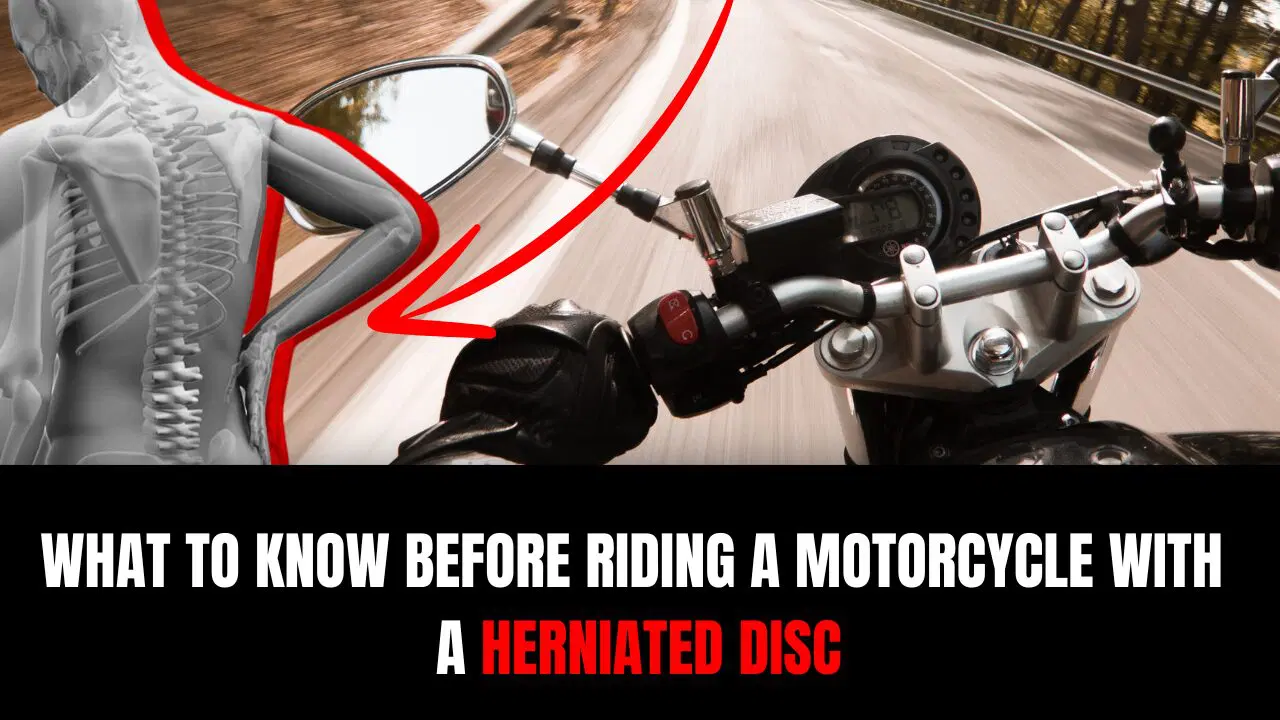
Understanding Herniated Discs
A herniated disc occurs when the inner gel-like substance of a spinal disc bulges out through a tear in the outer layer. This can happen due to injury, degeneration, or excessive strain.
Herniated discs are particularly common in individuals aged 30 to 50, with men being more frequently affected than women. Research indicates that nearly 50% of individuals aged 40 have some form of disc herniation, often without symptoms.
What is a Herniated Disc?
Your spine consists of 24 vertebrae, and between these bones are discs that act as shock absorbers. A herniated disc is often referred to as a “slipped” or “ruptured” disc, and it can cause nerve compression, leading to pain and other symptoms.
Symptoms and Diagnosis
The symptoms of a herniated disc can include sharp pain, numbness, tingling, and weakness in the affected area. Diagnostic methods typically involve physical exams and imaging techniques such as MRIs or CT scans.
Causes of Herniated Discs
The causes of herniated discs range from traumatic injuries to gradual wear and tear on the spine. Factors like improper lifting techniques, prolonged sitting, and poor posture can exacerbate the risk of herniation.
| Age Group | Prevalence of Herniated Discs | Typical Symptoms |
|---|---|---|
| 20-30 | 10% | Occasional pain |
| 30-40 | 30% | Chronic pain, numbness |
| 40-50 | 50% | Severe pain, weakness |
| 60+ | 90% | Potentially asymptomatic |
This table illustrates the prevalence of herniated discs across various age groups. Notably, the occurrence increases significantly as individuals age, with nearly 90% of adults over 60 showing some form of disc degeneration.
Understanding these statistics helps in recognizing the widespread nature of this condition, emphasizing the importance of proactive spinal health management.
Medical Considerations for Riding
Before considering riding a motorcycle with a herniated disc, it’s essential to consult with a healthcare professional. Each individual’s condition varies, and personalized assessments are crucial.
Getting Medical Clearance
A professional evaluation will determine whether riding is safe for you. Factors such as the severity of your herniation, overall health, and any accompanying symptoms will guide this assessment.
Understanding Your Limits
Recognizing your limits is vital. Some riders may find that certain positions or durations exacerbate their pain.
It’s crucial to listen to your body and adjust accordingly.
Potential Risks of Riding
Riding can pose risks for individuals with back issues. Jarring movements, poor posture, and prolonged sitting can increase discomfort and potentially lead to further injury.
Studies show that riders with herniated discs may face increased pain and limitations in mobility.
| Study Focus | Findings |
|---|---|
| Riding with Back Pain | Increased likelihood of pain exacerbation |
| Impact of Riding Position | Lower handlebar positions correlated with higher pain levels |
The table above highlights findings from studies examining the relationship between riding positions and back pain. It emphasizes that specific riding configurations can significantly affect spinal health, thereby informing riders about safe practices and necessary adjustments to mitigate risks.
Choosing the Right Motorcycle
The type of motorcycle you choose can greatly impact your comfort while riding with a herniated disc. Ergonomics play a crucial role in preventing strain on your back.
Importance of Bike Fit
Ensuring that your motorcycle fits your body properly is critical. An ill-fitting bike can lead to poor posture and increased pressure on the spine.
Seek expert advice on bike adjustments to promote a neutral spine position.
Recommended Bike Features
Look for motorcycles with adjustable seats, backrests, and handlebars. These features can help you customize your riding position for maximum comfort.
Handlebar and Seat Adjustments
Adjusting the handlebars and seat height can significantly improve your posture. Aim for a position where your elbows are slightly bent, and your back remains straight.
| Bike Type | Ergonomic Advantages |
|---|---|
| Cruiser | Upright seating position |
| Sportbike | Forward-leaning position, may strain the back |
| Touring | Comfortable seating with lumbar support |
This table compares various motorcycle types in terms of their ergonomic advantages. Cruisers and touring bikes generally provide a more comfortable riding position, which can be beneficial for individuals with back issues.
In contrast, sportbikes may place more strain on the back due to their forward-leaning posture. Understanding these differences can help riders make informed choices when selecting a motorcycle.
Techniques for Comfortable Riding
Once you’ve chosen the right motorcycle, it’s essential to implement techniques that promote comfort while riding.
Maintaining Good Posture
Proper posture is crucial when riding. Sit up straight, keep your shoulders relaxed, and distribute your weight evenly across the seat.
Avoid slouching or leaning forward excessively.
Using Supportive Gear
Consider wearing supportive gear such as lumbar belts or cushioned seats designed to alleviate pressure on the spine. These accessories can significantly enhance comfort levels during rides.
Adjusting Riding Technique
Modify your riding technique by taking breaks, shifting your position regularly, and avoiding abrupt movements that could exacerbate pain. Smooth acceleration and braking can also reduce strain.
| Technique | Benefits |
|---|---|
| Posture Correction | Reduces spinal strain |
| Regular Breaks | Prevents stiffness |
| Gentle Riding | Minimizes jolts and discomfort |
This table outlines practical techniques and their benefits for riders with herniated discs. Implementing these approaches can help maintain comfort and prevent exacerbation of symptoms during rides.
Regular breaks and gentle riding styles are particularly effective in minimizing discomfort and maintaining spinal health.
Pain Management Strategies
Managing pain during and after rides is essential for those with a herniated disc. Proactive strategies can help mitigate discomfort.
Pre-Ride Pain Management
Before riding, consider taking over-the-counter pain relievers as advised by your doctor. Gentle stretching exercises can also help prepare your muscles for the ride, reducing the likelihood of pain.
During Ride Pain Relief Techniques
Utilize techniques such as adjusting your posture frequently and practicing deep breathing exercises to help manage pain while riding. Staying mindful of your body’s signals is crucial.
Post-Ride Recovery Methods
After your ride, engage in recovery methods such as applying ice or heat to the affected area, practicing gentle stretches, and ensuring adequate hydration. These steps can facilitate recovery and minimize pain.
| Pain Management Method | Recommended Timing | Effectiveness |
|---|---|---|
| Over-the-counter Pain Relievers | Before Riding | Effective for mild discomfort |
| Stretching | Pre and Post Riding | Effective for muscle relaxation |
| Heat/Ice Therapy | Post Riding | Effective for inflammation and pain relief |
This table presents various pain management methods, their recommended timing, and their effectiveness. Combining these techniques can create a comprehensive strategy for managing discomfort, allowing riders to enjoy their time on the road while minimizing the risk of exacerbating their condition.
Planning Your Rides
Careful planning can significantly enhance your riding experience while minimizing discomfort associated with a herniated disc.
Choosing Smooth Routes
Opt for well-maintained roads that minimize jolts and bumps. Avoiding rough terrain or poorly maintained roads can help reduce strain on your back.
Timing Your Rides
Plan rides during off-peak hours to avoid heavy traffic, which can lead to prolonged periods of stopping and starting that may aggravate your condition.
Taking Regular Breaks
Incorporate breaks into your riding plans to stretch and reposition your body. Regular stops can prevent stiffness and provide relief from discomfort.
| Planning Aspect | Considerations |
|---|---|
| Route Selection | Smooth, well-maintained roads |
| Ride Timing | Early morning or late evening |
| Break Frequency | Every 30-45 minutes |
This table offers guidance on key aspects of ride planning, emphasizing the importance of smooth routes, optimal timing, and regular breaks. Thoughtful consideration of these factors can greatly enhance comfort and enjoyment during rides while also contributing to overall spinal health.
Personal Experiences and Stories
Many riders with herniated discs have shared their experiences, highlighting both challenges and triumphs in continuing to ride.
Success Stories
Numerous motorcyclists have successfully navigated riding despite their herniated discs. Many report that with the right adjustments and pain management strategies, they can enjoy their passion for riding while minimizing discomfort.
Common Challenges
Challenges often include managing pain during long rides and adjusting to new riding techniques or bike configurations. Riders commonly express frustration over having to balance their love for riding with the realities of their condition.
Lessons Learned
Many riders emphasize the importance of listening to their bodies and making necessary adjustments. Regular communication with healthcare providers and a willingness to adapt their riding style have proven beneficial.
| Experience Type | Key Takeaway |
|---|---|
| Success Story | Adjustments led to continued riding |
| Challenge | Pain management is vital |
| Lesson | Listen to your body |
When to Consider Quitting Riding
While many can continue to ride with a herniated disc, there are indicators that suggest it may be time to reconsider riding altogether.
Worsening Symptoms
If riding consistently exacerbates pain or leads to new symptoms, it may be time to take a break. Ignoring these signs can lead to more serious issues.
Loss of Control or Stability
Should you experience a loss of control or stability while riding, it’s crucial to take this as a serious warning sign. Riding requires full cognitive and physical coordination.
Doctor’s Recommendations
Always heed your doctor’s advice. If they recommend refraining from riding to prevent further injury, it’s essential to prioritize your long-term health.
| Indicator | Action |
|---|---|
| Increased Pain | Consider taking a break from riding |
| Loss of Control | Reassess riding capabilities |
| Doctor’s Advice | Follow recommendations strictly |
This table highlights critical indicators that may necessitate reevaluating your riding habits and the appropriate actions to take. Recognizing these signs early can prevent further injury and ensure that your riding experiences remain enjoyable.
FAQs about Can I Ride a Motorcycle with a Herniated Disc?
Can I ride a motorcycle while recovering from a herniated disc?
Riding a motorcycle during recovery from a herniated disc can be possible, but it should be approached with caution. Consult your doctor for personalized advice based on your recovery stage and symptoms.
If given the green light, make necessary adjustments to your riding position and take frequent breaks to avoid exacerbating your condition.
What types of motorcycles are best for someone with back issues?
The best motorcycles for individuals with back issues are those that allow for an upright seating position, such as cruisers or touring bikes. These bikes typically have adjustable seats and handlebars, which can help maintain proper posture and reduce strain on the back.
It’s essential to test different models to find one that feels comfortable.
How can I manage pain while riding?
To manage pain while riding, consider taking over-the-counter pain relievers before your ride, maintaining good posture, and using supportive gear like lumbar belts. Additionally, plan for regular breaks to stretch and move around, which can help prevent stiffness and discomfort during longer rides.
What should I do if my symptoms worsen while riding?
If you experience worsening symptoms while riding, it’s crucial to stop and assess your condition. Take a break, stretch, and consider heading home if the pain persists.
Ignoring these symptoms can lead to more severe issues, so prioritize your health and safety.
Are there specific exercises that can help strengthen my back for riding?
Yes, specific exercises can help strengthen your back for riding. Focus on core-strengthening routines, such as planks, bird dogs, and gentle stretching.
These exercises can enhance stability and support your spine, making it easier to ride comfortably. Always consult with a healthcare professional before starting any new exercise program.
Conclusion
In conclusion, riding a motorcycle with a herniated disc is possible, but it requires careful consideration, preparation, and self-awareness. By understanding the risks, maintaining a dialogue with healthcare professionals, and employing strategies to manage pain and enhance comfort, motorcyclists can continue to enjoy their passion.
Ultimately, prioritizing health and safety will ensure that riding remains a pleasurable experience rather than a source of pain.