
In this article, we will explore the relationship between low oil levels and engine misfires, a common concern for vehicle owners. Many drivers may experience symptoms such as rough idling, loss of power, and increased engine noise when their oil levels are low.
We will delve into how insufficient oil can affect engine performance, leading to misfires, and discuss real-world experiences shared by vehicle owners. Additionally, we will provide insights on diagnosing issues related to low oil levels, potential causes, and preventive measures to avoid engine problems.
By the end of this article, readers will gain a comprehensive Guide about- Can Low Oil Cause Misfire? Understanding the Connection and what steps to take if they suspect an oil-related issue.
Understanding Engine Misfire
An engine misfire occurs when one or more cylinders in an engine fail to ignite the air-fuel mixture at the right time. This results in a loss of power, uneven engine performance, and can even lead to more severe engine damage if left unaddressed.
Misfires can be detected by various symptoms, including rough idling, hesitation during acceleration, and a noticeable drop in fuel efficiency. When a misfire happens, drivers may experience a shaking sensation as the engine struggles to maintain consistent power.
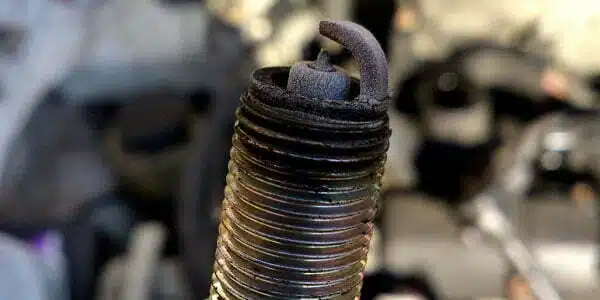
Symptoms of Engine Misfire
- Rough idling or stalling
- Loss of acceleration power
- Increased fuel consumption
- Check Engine Light (CEL) illumination
Causes of Engine Misfire
Engine misfires can result from a variety of issues, including:
- Faulty spark plugs or ignition coils
- Poor fuel quality or contamination
- Vacuum leaks
- Low oil pressure or oil starvation
Importance of Addressing Misfires
Ignoring engine misfires can have serious repercussions. Not only can they decrease overall engine performance, but they can also lead to increased emissions and potential damage to the catalytic converter.
Therefore, it is critical to diagnose and resolve misfire issues promptly to maintain vehicle efficiency and longevity. Below is a table summarizing the symptoms and causes of engine misfires.
| Symptoms of Misfire | Possible Causes |
|---|---|
| Rough idling | Faulty spark plugs |
| Loss of power | Ignition coil failure |
| Increased fuel consumption | Low oil pressure |
| Check Engine Light | Vacuum leaks |
The connection between the symptoms of misfire and their potential causes emphasizes the complexity of engine performance issues. For instance, low oil pressure may not only lead to a lack of lubrication but can also disrupt the functioning of fuel injectors, which are crucial for maintaining proper combustion.
Thus, recognizing the signs can help vehicle owners take timely action, potentially saving them from costly repairs.
The Role of Engine Oil
Engine oil is a vital component for the smooth operation of any internal combustion engine. Its primary functions include lubrication, cooling, and cleaning of engine components.
Proper lubrication reduces friction between moving parts, which is essential for maintaining engine efficiency and longevity. Furthermore, oil helps to dissipate heat generated during combustion, preventing overheating.
Functions of Engine Oil
- Lubrication: Minimizes friction between engine components.
- Cooling: Absorbs and dissipates heat from the engine.
- Cleaning: Helps remove dirt and debris from engine parts.
Types of Engine Oils
There are several types of engine oils available, each with unique properties suited for different driving conditions. These include conventional, synthetic, and high-mileage oils.
Using the appropriate oil type is crucial for optimal engine performance. Below is a table detailing different oil types and their properties.
| Type of Oil | Properties | Best For |
|---|---|---|
| Conventional | Basic lubrication, less expensive | Standard driving conditions |
| Synthetic | Superior lubrication, better performance at high temperatures | High-performance engines |
| High-Mileage | Contains additives to reduce wear | Older engines with over 75,000 miles |
This table illustrates the importance of selecting the right oil type based on vehicle requirements. For example, synthetic oils are engineered for better performance under extreme conditions, which can help prevent engine issues related to low oil pressure.
Consequently, using the right oil not only enhances engine performance but also contributes to its longevity and reliability.
Recommended Oil Change Intervals
Regular oil changes are critical for maintaining engine health. The recommended intervals for changing oil can vary based on vehicle type, oil type, and driving conditions.
Generally, it is advised to change oil every 3,000 to 7,500 miles, but newer vehicles using synthetic oil may extend this interval further. Below is a table summarizing recommended oil change intervals based on different vehicle types.
| Vehicle Type | Recommended Oil Change Interval |
|---|---|
| Standard vehicles | 3,000 – 5,000 miles |
| High-performance vehicles | 5,000 – 7,500 miles |
| Vehicles using synthetic oil | 7,500 – 10,000 miles |
Maintaining the recommended oil change intervals is crucial for preventing engine problems. For instance, failing to change oil regularly can lead to oil degradation, which reduces lubrication effectiveness and can result in low oil pressure.
This connection emphasizes the importance of routine maintenance to avoid potential engine issues.
How Low Oil Levels Lead to Misfires
Low oil levels can significantly impact engine performance, contributing to misfires. When oil levels drop, lubrication is compromised, leading to increased friction among moving engine parts.
This can result in overheating, which may cause components like pistons and valves to malfunction. Moreover, low oil pressure can also affect the fuel injection system, leading to improper fuel delivery and combustion issues.
Effects of Low Oil Pressure
Low oil pressure can have immediate and severe effects on engine operation. When oil pressure drops, it can cause engine components to wear out quickly due to increased friction.
For instance, the high-pressure oil system, which is responsible for firing the injectors in certain engines, can become compromised if oil levels are critically low. This can lead to misfires as the fuel injectors fail to deliver the correct amount of fuel to the cylinders.
Oil Starvation and Engine Damage
Oil starvation occurs when the engine fails to receive adequate lubrication. This condition can lead to severe engine damage, including bearing wear and potential engine seizure.
In addition to the immediate risks, oil starvation can cause long-term damage that may not be evident until significant repairs are required. Such damage can exacerbate issues like misfires and engine stalls, making it crucial to address low oil levels promptly.
Connection to Fuel Injector Performance
The performance of fuel injectors is critically linked to oil levels. In engines that rely on oil pressure to operate the fuel injection system, low oil levels can lead to injector malfunction.
When injectors do not operate correctly, it results in an improper air-fuel mixture, leading to misfires and poor engine performance. Therefore, maintaining proper oil levels is essential for ensuring optimal fuel injector function, and by extension, overall engine performance.
Diagnosing Low Oil Issues
Diagnosing low oil issues is essential for maintaining engine health. Vehicle owners should regularly check oil levels and be aware of the symptoms associated with low oil.
If low oil levels are suspected, there are several methods to confirm the issue and identify related engine problems.
Checking Oil Levels
To check oil levels, locate the dipstick under the hood and pull it out. Wipe it clean, reinsert it, and then pull it out again to check the oil level.
If the oil level is below the recommended mark, it indicates low oil. It’s advisable to check oil levels regularly, especially if the vehicle is older or has a history of oil leaks.
Identifying Leaks
Oil leaks can significantly contribute to low oil levels. Vehicle owners should inspect for oil spots under the vehicle or signs of oil accumulation around engine components.
Common sources of leaks include gaskets, oil pans, and seals. Identifying and addressing leaks promptly can prevent further loss of oil and potential engine damage.
Using Diagnostic Tools
Utilizing diagnostic tools can help identify issues related to low oil. Advanced diagnostic tools can read error codes from the vehicle’s computer, indicating potential problems with the oil pressure system or other engine components.
This information can assist mechanics in pinpointing the source of issues related to low oil levels and misfires.
Real-World Experiences
Examining real-world experiences of vehicle owners can provide valuable insights into how low oil levels lead to misfires. Many drivers have reported issues such as rough idling and stalling after running their engines low on oil.
Below are several case studies highlighting these experiences.
Case Study 1: Ford Truck Misfire
One Ford truck owner reported experiencing a loss of power and rough idling after discovering low oil levels. After refilling the oil, the owner noticed persistent misfires and rough engine performance.
Diagnostic tests revealed issues with the injectors, likely exacerbated by the low oil situation. This case highlights how low oil can lead to misfires and necessitate further mechanical inspection.
Case Study 2: Nissan Maxima Oil Change
A Nissan Maxima owner shared their experience of misfires occurring after an overdue oil change. After changing the oil, the misfire symptoms improved significantly, leading to speculation that old oil may have contributed to injector fouling.
This case illustrates the importance of regular oil maintenance to prevent misfire issues.
Case Study 3: Chevrolet Avalanche Experience
Another vehicle owner described ongoing misfire issues in their Chevrolet Avalanche, which were linked to low oil pressure. After inspecting the oil system and addressing leaks, the misfire symptoms diminished.
This situation underscores the critical nature of maintaining proper oil levels and pressure to ensure smooth engine operation.
Preventive Measures
Preventive maintenance is key to avoiding low oil levels and the subsequent misfires. Vehicle owners can take proactive steps to ensure their engines remain in optimal condition.
Here are some effective preventive measures:
Regular Oil Checks
Drivers should regularly check their oil levels to ensure they are within the recommended range. Establishing a routine for oil level checks can help catch low levels before they lead to engine issues.
Importance of Timely Oil Changes
Adhering to a scheduled oil change routine is crucial. Regular oil changes help maintain oil effectiveness and prevent problems related to oil degradation.
Following manufacturer recommendations for oil change intervals can significantly enhance engine health.
Monitoring Engine Performance
Being attentive to engine performance can help identify potential issues early. Drivers should be alert to symptoms such as rough idling, loss of power, or unusual noises, which may indicate oil-related problems.
FAQs on Can Low Oil Cause Misfire?
What are the signs of low oil levels?
Signs of low oil levels include an illuminated oil warning light, unusual engine noises, and a noticeable drop in engine performance. Drivers may also notice that their vehicle is consuming oil more quickly than usual, necessitating frequent top-ups.
Can low oil cause permanent engine damage?
Yes, low oil can lead to permanent engine damage if not addressed promptly. Insufficient lubrication can cause increased friction and heat, resulting in component wear and potential engine seizure.
Regular monitoring and maintenance are essential to avoid severe damage.
How often should I check my oil levels?
It is advisable to check oil levels at least once a month or before long trips. Additionally, checking oil levels more frequently is recommended for older vehicles or those with a history of oil leaks.
What should I do if I experience a misfire?
If you experience a misfire, it is important to diagnose the issue promptly. Begin by checking for diagnostic trouble codes and inspecting components such as spark plugs, ignition coils, and oil levels.
Seeking professional assistance may be necessary if the problem persists.
Is it safe to drive with low oil pressure?
No, it is not safe to drive with low oil pressure. Continuing to operate a vehicle with low oil pressure can lead to severe engine damage.
It is essential to pull over safely, turn off the engine, and address the issue immediately.
Conclusion
In conclusion, low oil levels can significantly impact engine performance, leading to misfires and other issues. Vehicle owners must regularly monitor their oil levels and perform timely oil changes to prevent potential damage.
Understanding the connection between oil levels and engine health can empower drivers to take proactive measures in vehicle maintenance. By addressing oil-related issues promptly, they can ensure their engines run smoothly and efficiently for years to come.