
No, scooters do not always require a motorcycle license. The requirements vary by location and type of scooter.
Scooters have become a popular mode of transportation. They’re convenient, affordable, and easy to ride. However, a common question arises: Do scooters require a motorcycle license? The answer depends on where you live and the scooter’s engine size. In some areas, a motorcycle license is mandatory, while in others, a regular driver’s license suffices.
Understanding these regulations is crucial before hitting the road. This blog will explore the specific licensing requirements for scooters, addressing the nuances that vary by location. We’ll provide clear, actionable information to help you stay both legal and safe. Read on to discover exactly what you need to legally ride a scooter in your area.
Types Of Scooters
When discussing scooters, it’s important to understand the different types available. Scooters can vary greatly based on their power source, speed, and usage. Knowing these differences can help you determine if you need a motorcycle license for a specific type.
Electric Scooters
Electric scooters are popular for their quiet operation and environmental benefits. They run on rechargeable batteries, making them ideal for short commutes. Most electric scooters have a lower top speed compared to gas-powered ones. This often means they fall into a different licensing category.
Some electric scooters are designed for leisurely rides, while others can reach speeds of up to 30 mph. It’s essential to check your local laws as they can vary significantly. In some places, you may need a motorcycle license for faster models. For slower, low-powered scooters, a regular driver’s license might suffice.
Gas-powered Scooters
Gas-powered scooters use a traditional combustion engine. They are more powerful than electric scooters and can travel longer distances. These scooters can reach higher speeds, often exceeding 50 mph. Due to their power and speed, gas-powered scooters usually require a motorcycle license.
These scooters are ideal for longer commutes or for those needing a more robust vehicle. They can handle more demanding rides and are often preferred for their reliability and range. Always check the specific requirements in your area to ensure you have the correct license.

Licensing Requirements
Many people are curious about the licensing requirements for scooters. Do you need a motorcycle license to ride a scooter? The answer can depend on various factors. This section will cover the different requirements you need to know.
Motorcycle License Vs. Scooter License
Understanding the difference between a motorcycle license and a scooter license is crucial. In some places, scooters fall under the same category as motorcycles. This means you would need a motorcycle license to ride one. In other regions, scooters have their own specific licenses. These licenses are generally easier to obtain.
| Type | License Needed |
|---|---|
| Motorcycle | Motorcycle License |
| Scooter | Depends on Local Laws |
Age And Training Requirements
Age and training requirements vary by location. In many areas, you must be at least 16 years old to get a scooter license. Some places require you to be 18 years old. Training is also a key part of the licensing process.
Here are common steps involved:
- Complete a written test.
- Take a safety course.
- Pass a road test.
These steps help ensure that riders are prepared and safe on the road. Make sure to check your local laws for specific requirements.
Country-specific Regulations
Do scooters require a motorcycle license? The answer depends on where you live. Different countries have different rules for riding scooters. Below, we will explore the regulations in the United States and Europe.
United States Regulations
In the United States, scooter regulations vary by state. Some states require a motorcycle license to ride any scooter over 50cc. Others have different rules.
- California: Requires a motorcycle license for scooters over 50cc.
- Florida: Only requires a regular driver’s license for scooters under 50cc.
- New York: Requires a motorcycle license for any scooter over 30mph.
It is important to check your state’s DMV website. This ensures you follow local laws.
European Regulations
Europe also has varied rules for scooter licenses. Each country has its own specific regulations.
- United Kingdom: Requires a CBT (Compulsory Basic Training) for scooters up to 125cc. A full motorcycle license is needed for more powerful scooters.
- Germany: Allows riding scooters up to 50cc with a standard driver’s license. For larger scooters, a motorcycle license is required.
- France: Requires a BSR (Brevet de Sécurité Routière) for scooters up to 50cc. For scooters over 50cc, a motorcycle license is necessary.
Always check the local regulations before riding. This ensures you comply with the law.
Safety Considerations
Many places require a motorcycle license for scooters that exceed certain engine sizes. Smaller scooters often need only a regular driver’s license. Always check local laws to ensure compliance.
Riding a scooter can be fun and convenient. But safety should always come first. Understanding the risks and taking proper precautions can prevent accidents. Let’s look at some key safety considerations.
Helmet And Protective Gear
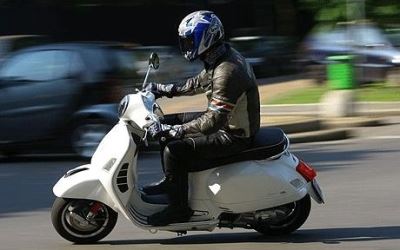
Wearing a helmet is crucial. It protects your head in case of a fall or collision. Choose a helmet that fits well and meets safety standards. Don’t forget other protective gear. Elbow and knee pads can prevent injuries. Gloves can improve grip and protect your hands. Always wear closed-toe shoes. Avoid sandals and flip-flops.
Road Safety Tips
Follow traffic rules. Always ride in the direction of traffic. Use bike lanes when available. Signal your turns using hand signals. This lets others know your intentions. Stay alert. Watch for cars, pedestrians, and other obstacles. Avoid distractions. Don’t use your phone while riding. Keep both hands on the handlebars. Make yourself visible. Wear bright clothing and use lights at night. “`
Insurance And Registration
Understanding the insurance and registration requirements for scooters is crucial. These steps ensure you comply with legal standards and protect yourself financially. This section will cover the essentials of insurance and the registration process.
Insurance Necessities
Insurance is vital for scooter owners. It provides coverage in case of accidents, theft, or damage. Here are some key points to consider:
- Liability Coverage: Covers damages you may cause to others.
- Collision Coverage: Covers damage to your scooter from collisions.
- Comprehensive Coverage: Protects against non-collision incidents like theft or weather damage.
Insurance requirements vary by state. Some states mandate only liability coverage, while others require more comprehensive policies. Check your local regulations to ensure compliance.
Registration Process
Registering your scooter is a legal requirement in most places. The process is similar to registering a car. Here’s a step-by-step guide:
- Proof of Ownership: Provide a bill of sale or title.
- Insurance Proof: Show your insurance documents.
- VIN Inspection: Some states require a Vehicle Identification Number (VIN) check.
- Registration Fees: Pay the necessary fees to complete the registration.
Once registered, you will receive a license plate and registration card. Keep these documents handy while riding. They serve as proof of legal operation.
Understanding these steps ensures you stay compliant and safe on the road. Proper insurance and registration protect you and others. Stay informed and ride responsibly.
Credit: www.ktblegal.com
Scooter Benefits
When considering transportation options, scooters offer many benefits that make them an attractive choice. They provide a practical alternative to cars and public transport, making daily commutes more manageable and enjoyable. Let’s explore some key benefits of scooters in detail.
Cost-effective Transportation
Scooters are often much cheaper than cars. They have a lower purchase price, making them accessible to many. Maintenance costs are also significantly lower. Scooters require less fuel, which helps save money on gas. Insurance for scooters is usually cheaper than car insurance.
Environmental Impact
Scooters are better for the environment. They produce less pollution compared to cars. This helps in reducing the overall carbon footprint. Electric scooters are even more eco-friendly. They do not emit harmful gases, contributing to cleaner air. Riding a scooter can be a small step towards a greener planet.
Credit: motorcyclesafetylawyers.com
Frequently Asked Questions
Do You Need A License To Ride A Scooter?
It depends on the scooter’s engine size and local laws. Generally, small engine scooters don’t require a motorcycle license.
Can I Ride A Scooter With A Car License?
In many places, a car license suffices for scooters under 50cc. Always check local regulations for specifics.
What Type Of Scooter Needs A Motorcycle License?
Scooters with engines larger than 50cc typically require a motorcycle license. Verify with your local DMV.
Are There Age Requirements For Riding A Scooter?
Yes, age requirements vary by location. Generally, you must be at least 16 years old to ride a scooter.
Conclusion
Understanding the need for a motorcycle license for scooters is crucial. Different states have varying laws. Some require a motorcycle license, others don’t. Always check local regulations before riding. Safety should be your top priority. Wearing a helmet and following traffic rules helps.
Stay informed and ride responsibly. This ensures a smooth and safe scooter experience.