
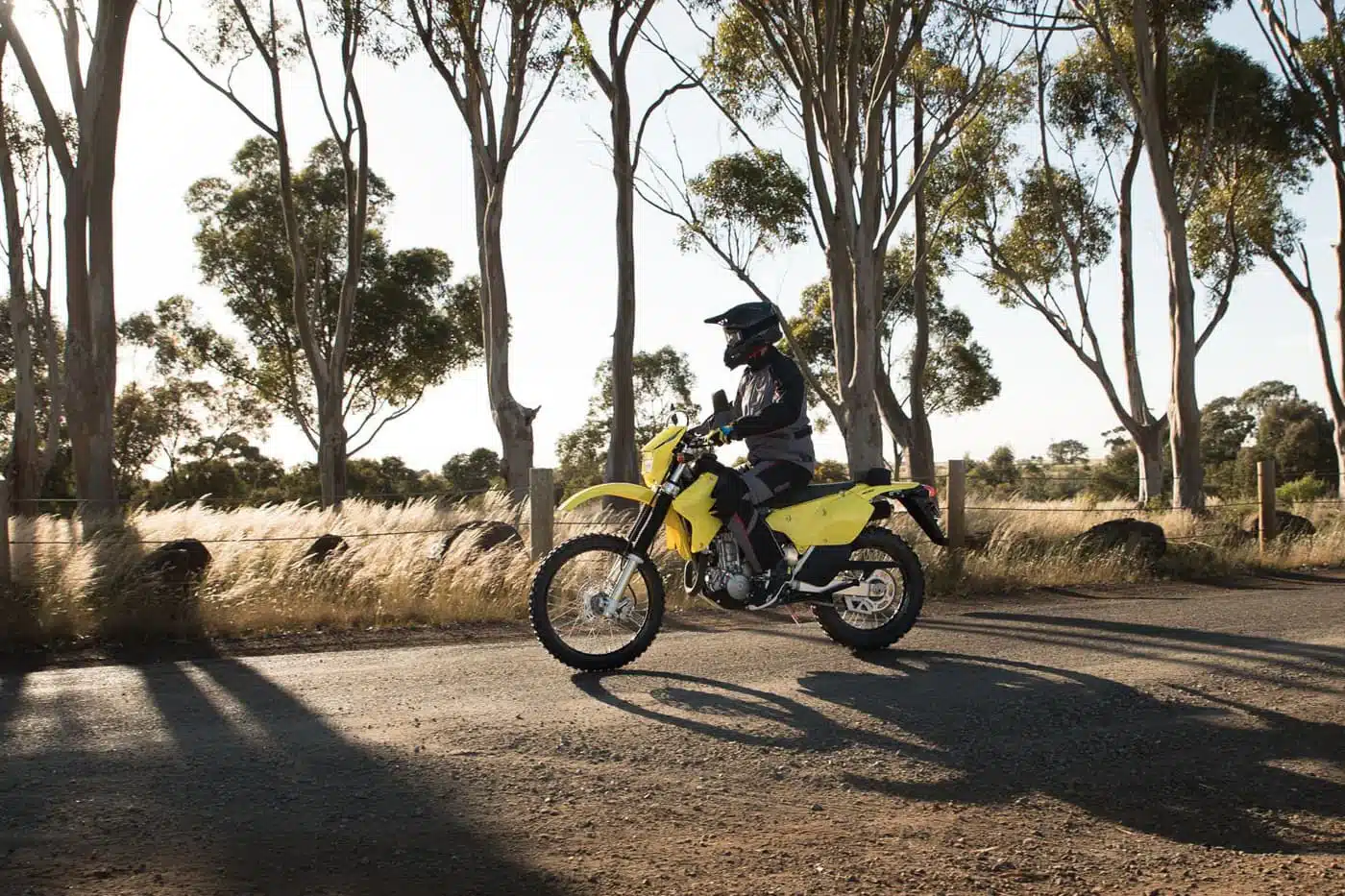
In this article, we will delve into the key differences and similarities between the Suzuki DRZ400 vs DR650, two of the most popular dual sport motorcycles on the market today. Known for their reliability and versatility, both bikes cater to different riding styles and preferences.
The DRZ400 is often favored for its lightweight and agile handling, making it a great choice for technical off-road adventures. In contrast, the DR650 is celebrated for its robust engine and comfort on longer rides, appealing to those who prioritize touring capabilities alongside off-road performance.
By the end of this discussion, readers will have a clearer understanding of which bike may be the right fit for their riding needs.
Engine Specifications and Performance
Engine Type and Configuration
The engine is the heart of any motorcycle, and both the DRZ400 and DR650 showcase Suzuki’s engineering prowess. The DRZ400 is powered by a 398cc, 4-stroke, liquid-cooled, DOHC single-cylinder engine, while the DR650 features a 644cc, 4-stroke, air-cooled, SOHC single-cylinder engine.
This difference in configuration leads to distinct performance characteristics, particularly in terms of power delivery and cooling efficiency.
Power and Torque Figures
The performance metrics for both bikes are compelling. The DRZ400 generates approximately 37 hp at 8000 rpm and 27 ft-lbs of torque at 6500 rpm.
In contrast, the DR650 delivers about 40 hp (estimated from engine size) with a torque output of approximately 38 Nm. This additional torque in the DR650 makes it more favorable for highway cruising and carrying heavier loads, while the DRZ400 excels in quick acceleration and responsiveness, particularly useful in off-road scenarios.
Fuel System Differences
Another area of divergence is the fuel system. The DR650 is equipped with a Mikuni BST40 carburetor, which is simpler but can be less efficient in terms of fuel economy compared to modern systems.
The DRZ400, on the other hand, utilizes Electronic Fuel Injection (EFI) with a ride-by-wire throttle, promoting better throttle response and fuel efficiency, particularly in varied riding conditions.
| Specification | DRZ400 | DR650 |
|---|---|---|
| Engine Type | 398cc, 4-stroke, liquid-cooled, DOHC | 644cc, 4-stroke, air-cooled, SOHC |
| Horsepower | 37 hp @ 8000 rpm | 40 hp (estimated) |
| Torque | 27 ft-lbs @ 6500 rpm | 38 Nm (estimated) |
| Fuel System | EFI | Carburetor (Mikuni BST40) |
The table above highlights the stark differences in engine specifications between the DRZ400 and DR650. The DR650, with its larger displacement, provides more horsepower, making it suitable for riders who need that extra power for highway riding or carrying luggage.
However, the DRZ400’s EFI system offers superior fuel efficiency and performance in off-road environments. This means that while the DR650 can handle long distances and heavier loads better, the DRZ400 is the choice for those who prioritize off-road agility and responsiveness.
Suspension and Handling
Front Suspension Features
Suspension plays a crucial role in how a motorcycle handles diverse terrains. The DRZ400 is equipped with a fully adjustable KYB inverted fork that provides 11.0 inches of travel, which is essential for absorbing impacts on rugged trails.
Meanwhile, the DR650 features a more traditional telescopic coil spring suspension with 11.0 inches of travel at the front, but lacks the adjustability found in the DRZ400, making it less adaptable to varying riding conditions.
Rear Suspension Differences
The rear suspension also reflects their design philosophies. The DR650 employs a link-type coil spring setup with oil damping, offering a stable ride but limited adjustability.
The DRZ400, conversely, has a fully adjustable rear shock with 11.7 inches of travel, allowing riders to fine-tune the suspension for different weights and terrains, thus enhancing overall handling and comfort.
Handling Characteristics
The overall handling of these bikes differs significantly due to their weight and suspension configurations. The DRZ400 is lighter and more nimble, making it easier to maneuver on tight trails and during aggressive riding.
The DR650, while heavier, offers more stability at high speeds and is a comfortable ride on paved roads. Riders who favor technical off-road riding may gravitate towards the DRZ400, while those who prioritize long-distance touring may find the DR650 more appealing.
| Specification | DRZ400 | DR650 |
|---|---|---|
| Front Suspension | KYB inverted fork, 11.0 inches travel | Telescopic coil spring, 11.0 inches travel |
| Rear Suspension | Fully adjustable KYB shock, 11.7 inches travel | Link type coil spring, oil damped |
| Handling | Light and agile | Stable and comfortable |
The suspension comparison table illustrates the advantages of the DRZ400 in off-road situations with its adjustable components allowing for better customization based on rider preference and terrain. The DR650, however, provides a more stable ride on highways and is better suited for those who prioritize comfort over agility.
For riders who plan to spend a considerable amount of time on unpaved paths, the DRZ400 stands out as the better choice, while the DR650 remains a solid option for mixed-use riding.
Ergonomics and Comfort
Seat Height and Adjustability
Seat height can significantly influence rider comfort and control. The DR650 features a seat height of 885 mm (34.8 inches), which can be lowered using an optional kit, making it accessible to a wider range of riders.
In contrast, the DRZ400 has a similar seat height but tends to feel more accommodating due to its narrower profile and improved ergonomics.
Rider Position and Comfort
The riding position on both bikes is upright, promoting comfort during long rides. However, the DRZ400 benefits from a redesigned seat that enhances comfort on technical trails.
Riders have reported that the wider seat and improved footpeg placement on the DRZ400 allow for better control during off-road riding, while the DR650’s traditional design remains comfortable for longer distances on paved roads.
Accessories for Improved Ergonomics
Both motorcycles have a variety of aftermarket accessories that can enhance comfort and ergonomics. Common upgrades include seat modifications, handlebar risers, and adjustable footpegs.
These modifications can significantly improve the riding experience, especially for taller riders or those who spend extended periods on their bikes.
| Specification | DRZ400 | DR650 |
|---|---|---|
| Seat Height | Approx. 885 mm | 885 mm (34.8 inches) with lowering option |
| Rider Position | Upright, wide seat | Upright, durable simple design |
| Common Accessories | Seat mods, risers | Seat mods, luggage racks |
The ergonomics comparison highlights the DRZ400’s advantage in rider comfort due to its modern design and accessories available for customization. The DR650, while slightly heavier and less adjustable, provides a reliable and comfortable ride, particularly for long-distance touring.
Ultimately, the choice between these two bikes should consider the rider’s intended use and personal preferences for comfort and control.
Off-Road Capabilities
Trail Performance
When assessing off-road capabilities, the DRZ400 shines with its lightweight frame and superior suspension. It is highly regarded for its performance on technical trails and rough terrains.
The DR650, while capable, is heavier and less agile, which can limit its effectiveness in more challenging off-road conditions. Riders focused on extreme trail riding will find the DRZ400 more suitable.
Durability in Harsh Conditions
Both motorcycles are built to withstand the rigors of off-road riding, but their designs cater to different preferences. The DR650’s robust build and simpler mechanics make it a durable option for those who value reliability in harsh conditions.
Conversely, the DRZ400’s advanced suspension and lighter weight enhance its durability over rough terrain, allowing it to absorb impacts more effectively.
Weight Considerations
Weight is a critical factor for off-road riding. The DRZ400’s lower weight allows for easier maneuverability in tight spaces and on steep inclines.
In contrast, the DR650’s heavier build can be more challenging to handle in technical situations, but it offers additional stability when navigating through varied terrains.
| Specification | DRZ400 | DR650 |
|---|---|---|
| Weight | Approximately 160 kg | 166 kg (366 lbs) |
| Off-Road Rating | Excellent | Good |
| Durability | High, lightweight construction | High, rugged design |
The off-road capabilities table illustrates the advantages of the DRZ400 in technical terrain, attributed to its lighter weight and advanced suspension. The DR650, though heavier, is still a reliable option for less demanding trails and offers durability.
Riders who prioritize technical off-road performance should consider the DRZ400, while those seeking reliability in mixed conditions may opt for the DR650.
On-Road Performance
Highway Cruising Ability
Both the DRZ400 and DR650 can handle highway speeds, but their performance differs. The DR650 excels in long-distance cruising due to its torque-rich engine and comfortable riding posture, allowing riders to maintain higher speeds without fatigue.
The DRZ400, while capable of cruising at highway speeds, can feel strained at prolonged higher RPMs, making it less ideal for extended road trips.
Comfort on Long Rides
The comfort level on long rides varies between the two models. The DR650’s seat is designed for extended use, providing better support during long highway journeys.
The DRZ400’s seat may require aftermarket modifications for enhanced comfort, especially on longer rides, as some riders find it less accommodating over time.
Fuel Efficiency
Fuel efficiency is an important consideration for riders. The DRZ400, with its EFI, generally exhibits better fuel efficiency, especially in mixed riding conditions, averaging around 50-60 MPG.
The DR650, while also economical, tends to average between 40-50 MPG, primarily due to its larger displacement and carbureted system.
| Specification | DRZ400 | DR650 |
|---|---|---|
| Highway Cruising Speed | 70-80 mph | 80-90 mph |
| Long Ride Comfort | High | |
| Fuel Efficiency | 50-60 MPG | 40-50 MPG |
The on-road performance table highlights the differences in cruising ability and comfort between the two models. The DR650’s ability to maintain higher speeds comfortably makes it a better choice for longer highway rides.
Meanwhile, the DRZ400 provides commendable efficiency and agility, appealing to riders who balance on-road and off-road adventures. Ultimately, the choice between these two bikes will depend on whether the rider prioritizes comfort for long rides or agility for mixed-use riding.
Price and Value
MSRP and Used Market Prices
Pricing is a significant factor in deciding between the DRZ400 and DR650. The current MSRP for the DRZ400 is approximately $7,199, while the DR650 retails around $7,099.
The price difference is minimal, making both models accessible to a wide range of riders. In the used market, both bikes hold their value relatively well, but the DRZ400 tends to have a higher turnover rate due to its popularity among newer riders.
Cost of Ownership
When evaluating the cost of ownership, factors such as maintenance and insurance play crucial roles. The simpler mechanics of the DR650 often result in lower maintenance costs, as it is easier to service.
The DRZ400, while requiring more attention due to its advanced systems, offers better fuel efficiency, potentially lowering overall operating costs over time.
Resale Value Comparisons
Both motorcycles have strong resale values, but the DRZ400 may edge out the DR650 due to its popularity in the dual sport community. Buyers often seek the DRZ400 for its modern features and performance, which can lead to quicker sales in the used market.
The DR650, while slightly less popular, remains a solid investment due to its reliability and versatility.
| Specification | DRZ400 | DR650 |
|---|---|---|
| MSRP | $7,199 | $7,099 |
| Used Market Price | Higher turnover, good value | Stable, reliable resale |
| Maintenance Costs | Potentially higher due to complexity | Lower, simpler mechanics |
The pricing comparison table outlines the minor differences in MSRP and highlights the value each bike offers in the used market. While both models are similarly priced, the DRZ400 offers modern features that appeal to newer riders, contributing to its higher turnover.
The DR650, however, remains a go-to option for those who prioritize reliability and ease of maintenance, making it a solid choice for long-term ownership.
Community and Support
Popular Modifications
Both motorcycles have strong aftermarket support, with riders often modifying their bikes to enhance performance. Common modifications for the DR650 include suspension upgrades, carb tuning, and exhaust system improvements.
The DRZ400 riders frequently opt for suspension tuning, tire upgrades, and various electronic enhancements to improve performance and comfort on both dirt and pavement.
Community Resources and Support
The community surrounding both bikes is vibrant, with numerous forums, groups, and resources available for riders. The DR650 community tends to focus on adventure touring and long-distance riding, while the DRZ400 group often shares tips and tricks for off-road adventures and technical riding.
Both communities offer valuable insights and support for maintenance, modifications, and riding tips.
Availability of Parts
Parts availability is generally high for both models, thanks to their popularity and long-standing presence in the market. However, the DRZ400 may have a slight edge in terms of aftermarket parts catering to performance upgrades.
Riders looking for specific components may find more options available for the DRZ400 compared to the DR650, particularly for off-road oriented modifications.
| Specification | DRZ400 | DR650 |
|---|---|---|
| Popular Modifications | Suspension, electronic enhancements | Suspension upgrades, carb tuning |
| Community Resources | Vibrant off-road community | Strong adventure touring focus |
| Parts Availability | High, many aftermarket options | Stable, reliable parts availability |
The community and support table showcases the strengths of both bikes in terms of modifications and available resources. The DRZ400’s popularity in the off-road segment ensures a wealth of information and aftermarket products, while the DR650’s community focuses on long-distance touring and reliability.
Both bikes have ample support, making them excellent choices for riders seeking community engagement and parts availability.
FAQs on DRZ400 vs DR650
What are the major differences between the DRZ400 and DR650?
The major differences between the DRZ400 and DR650 lie in their engine configurations and intended use. The DRZ400 features a smaller, liquid-cooled engine optimized for off-road performance, while the DR650 has a larger, air-cooled engine that excels in long-distance touring.
Additionally, the DRZ400 offers advanced features like EFI and adjustable suspension, making it more suitable for technical off-road riding. In contrast, the DR650 is preferred for its durability and comfort on paved roads.
Which bike is better for beginners, the DRZ400 or DR650?
For beginners, the DRZ400 tends to be a better choice due to its lighter weight and user-friendly EFI system that offers smoother power delivery. This makes it easier for new riders to handle, especially in technical off-road situations.
The DR650, while also a good option, may be more intimidating for some beginners due to its heavier build and the need for more throttle finesse with its carbureted engine.
How does the weight of the DR650 affect off-road performance?
The weight of the DR650 can significantly impact its off-road performance. While it is built to handle rugged conditions, its heavier build makes it less agile compared to lighter bikes like the DRZ400.
This can limit maneuverability on tight trails and steep inclines. However, the DR650’s stability can be advantageous on less technical terrain, making it suitable for mixed-use riding where both on-road and off-road capabilities are essential.
Can I use the DRZ400 for long-distance touring?
Yes, the DRZ400 can be used for long-distance touring, but it may require some modifications for enhanced comfort, such as an aftermarket seat and windscreen. While it can maintain highway speeds, its design is more focused on off-road performance, which may make it feel strained during prolonged highway riding.
Riders who prioritize touring may find the DR650 more comfortable for long distances.
What modifications are recommended for the DR650?
Common modifications for the DR650 include suspension upgrades to enhance handling, carburetor tuning for better throttle response, and the addition of a larger fuel tank for extended range. Riders often also opt for improved seats for increased comfort on long rides and luggage racks to facilitate carrying gear.
These upgrades can significantly enhance the riding experience and adaptability of the DR650 for various riding styles.
Conclusion
In conclusion, choosing between the Suzuki DRZ400 and the DR650 ultimately comes down to the rider’s specific needs and preferences. The DRZ400 is ideal for those seeking a lightweight, nimble bike for technical off-road riding, while the DR650 excels as a robust and reliable option for mixed use, particularly for on-road touring. Understanding the strengths and weaknesses of each motorcycle will empower riders to make an informed decision that aligns with their riding style and adventure aspirations.