
The Harley-Davidson Dyna and FXR models represent two distinct eras and philosophies in motorcycle design, catering to different rider preferences and styles. The Dyna series, introduced in the early ’90s, is known for its robust power and traditional styling, while the FXR, which debuted in the early ’80s, is celebrated for its superior handling and innovative frame design.
This article will delve into the key differences between these two iconic models Dyna vs FXR, exploring their performance, design, and rider experiences. By the end, readers will be equipped to make an informed choice based on their riding style and expectations.
Overview of Dyna and FXR Models
The Dyna and FXR models have distinct histories that reflect Harley-Davidson’s evolution over the years. Understanding these historical contexts provides insight into their unique features and the rider preferences they cater to.
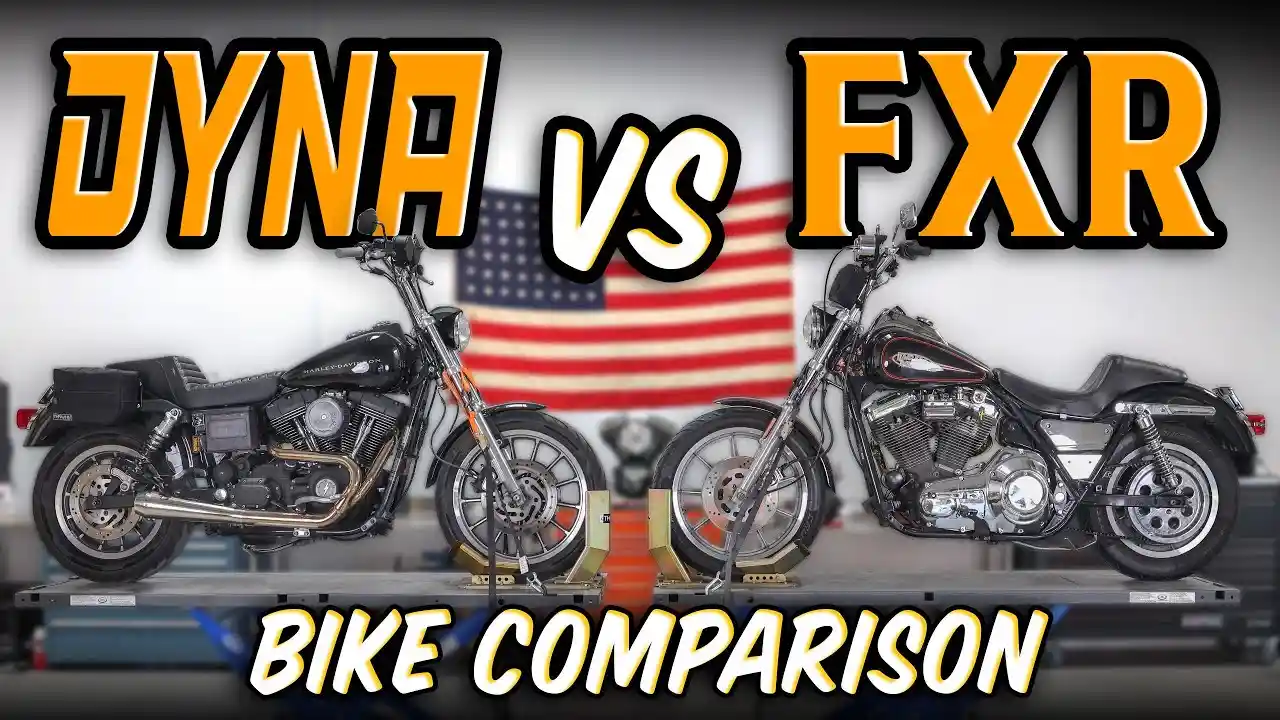
Credit: https://www.youtube.com/watch?v=ruj21orUjnY
Historical Context of the FXR
The FXR was introduced in 1982 and quickly gained a reputation for its innovative frame design and superior handling characteristics. It featured a rubber-mounted engine that minimized vibrations, setting new standards in comfort and performance for cruisers.
This model was favored by riders seeking agility and responsiveness, making it a popular choice among those who enjoyed twisty roads and dynamic riding experiences.
Historical Context of the Dyna
In contrast, the Dyna series debuted in 1991, blending traditional Harley aesthetics with modern technology. The Dyna was designed with a focus on rider experience, boasting a solid-mounted engine and a twin-shock rear suspension that provided a raw, authentic riding experience.
This model appealed to purists and modern riders alike, offering a balance of style and performance that became synonymous with Harley-Davidson’s image.
Key Milestones in Their Development
| Model | Introduction Year | Production Years | Major Updates |
|---|---|---|---|
| FXR | 1982 | 1982-1994 | Introduced rubber engine mounts for reduced vibrations |
| Dyna | 1991 | 1991-2017 | Solid-mounted engines, redesigned frame for better handling |
This table outlines key milestones in the development of the FXR and Dyna models. The FXR’s introduction set a new standard for handling in Harley-Davidson motorcycles.
Its rubber engine mounts allowed for a smoother ride, which was a significant improvement over previous models. Conversely, the Dyna series focused on delivering the classic Harley experience while integrating modern innovations, appealing to a broad range of riders.
The production span of both models highlights their long-standing presence in the market, with the Dyna’s extended production indicating its popularity even after the FXR was phased out.
Performance Comparison
When comparing the performance specifications of the Dyna and FXR models, several key factors come into play, including engine types, power outputs, and overall riding dynamics.
Engine Specifications
The FXR models were primarily equipped with the Evolution engine, renowned for its reliability and performance. This engine design allowed for significant torque production, making it ideal for both city cruising and highway riding.
In contrast, the Dyna series introduced the Twin Cam engine, which provided enhanced power and torque, making it more suited for long-distance cruising while maintaining a responsive ride.
Power and Torque Output
| Model | Engine Type | Cubic Inches | Horsepower | Torque |
|---|---|---|---|---|
| FXR | Evolution | 1340cc | 70 hp | 80 lb-ft |
| Dyna | Twin Cam | 96 & 103 | 85 hp | 92 lb-ft |
This performance comparison table illustrates the differences in engine specifications between the FXR and Dyna models. The FXR’s Evolution engine, while slightly less powerful than the Dyna’s Twin Cam, is celebrated for its smooth operation and reliability.
The Dyna’s higher horsepower and torque figures indicate its capability for more aggressive riding and long-distance comfort. Riders who prioritize performance may gravitate towards the Dyna, while those appreciating classic engineering may prefer the FXR’s proven reliability.
Riding Experience and Handling
The Dyna models are noted for their stable ride, ideal for long-distance cruising, but some riders report a top-heavy feeling due to the solid-mounted engine. The FXR, on the other hand, is often hailed for its superior handling characteristics.
Its unique frame design allows for precise cornering and responsiveness, making it favorable for riders who enjoy aggressive riding styles.
Design and Aesthetics
Design plays a crucial role in the appeal of both the Dyna and FXR models. Each has distinct design philosophies that resonate with different types of riders.
Frame Design Differences
The FXR features a triangulated frame design, which provides superior rigidity and handling capabilities. This design allows the swingarm to be directly mounted to the frame, enhancing stability during aggressive maneuvers.
The Dyna’s frame, while aesthetically pleasing, lacks this rigidity as it is built around a solid-mounted engine, which can lead to a less stable ride under certain conditions.
Aesthetic Elements of Each Model
| Model | Design Philosophy | Key Features |
|---|---|---|
| FXR | Sporty and Functional | Sleek lines, low-profile tank, aggressive stance |
| Dyna | Classic Harley Aesthetics | Bulky frame, chrome accents, customizable |
This design comparison table highlights the aesthetic differences between the FXR and Dyna models. The FXR’s sporty design appeals to riders who prefer a performance-oriented look, while the Dyna embodies classic Harley styling with its robust frame and chrome detailing.
The Dyna’s customizable nature allows riders to personalize their bikes extensively, making each Dyna a unique reflection of its owner’s personality.
Customization Options
Both models offer extensive customization options. Dyna riders often take advantage of aftermarket parts to enhance performance and aesthetics.
The FXR, while less commonly modified, can also be tailored for improved performance and comfort, particularly with suspension upgrades or engine modifications.
Comfort and Ergonomics
Rider comfort is a fundamental aspect that differentiates the Dyna and FXR, influencing long-distance riding experiences.
Seat Design and Comfort
The Dyna is known for its comfortable seat design, which is generally lower and easier to manage for shorter riders. This seat configuration allows for a relaxed riding posture, making it suitable for long hauls.
Conversely, the FXR features a slightly higher seat position that can enhance visibility and control, but some riders find it less comfortable over long distances.
Riding Position and Controls
| Model | Seat Height | Rider Position |
|---|---|---|
| FXR | 30.5 inches | Slightly raised, aggressive stance |
| Dyna | 28-29 inches | Low, relaxed posture |
This seating comparison table illustrates the differences in seat height and riding position between the FXR and Dyna. The FXR’s higher seat height offers an aggressive riding position, which many prefer for enhanced control during spirited rides.
The Dyna’s lower seat height promotes a relaxed posture, making it more comfortable for long trips but potentially sacrificing some control during aggressive maneuvers.
Suspension and Ride Quality
Suspension systems greatly affect ride quality. The FXR’s suspension is designed for better handling and responsiveness, while the Dyna’s suspension is generally softer, providing a comfortable ride over longer distances but can lead to less precision in handling.
Riders often report that the FXR delivers a more connected feel to the road, while the Dyna emphasizes comfort.
Handling and Control
How each model handles on the road is crucial for many riders, influencing their choice between the Dyna and FXR.
Suspension Systems
The FXR is equipped with a sophisticated suspension system that allows for exceptional handling capabilities, particularly in corners. This system, combined with a rigid frame design, results in a motorcycle that feels agile and responsive.
The Dyna’s suspension, while robust, can experience some flex under hard cornering, which may not provide the same level of confidence to the rider.
Rider Feedback on Handling
| Aspect | FXR | Dyna |
|---|---|---|
| Cornering | Excellent, stable | Good, some flex |
| Stability | High | Moderate |
This handling feedback table summarizes rider experiences with both the FXR and Dyna. Riders consistently report that the FXR offers superior cornering stability and confidence, which can be crucial for those who enjoy aggressive riding.
In contrast, Dyna riders may experience slight flexing during high-speed cornering, which can impact their confidence in handling. The differences in handling may ultimately influence a rider’s choice based on their preferred riding style.
Performance in Different Conditions
Both models perform admirably under various conditions, but the FXR excels in twisty terrains, while the Dyna is more suited for open highways and long-distance cruising. The FXR’s engineering emphasizes performance, making it a favorite for those who enjoy more spirited rides, while the Dyna’s design caters to comfort during extended journeys.
Market Trends and Resale Value
Understanding the market trends and resale values of the Dyna and FXR is essential for potential buyers and collectors alike.
Historical Price Trends
| Year | FXR Average Price | Dyna Average Price |
|---|---|---|
| 2016 | $7,000 | $10,000 |
| 2021 | $12,000 | $15,000 |
This historical price trends table highlights the rising average prices for both the FXR and Dyna models over recent years. The FXR has seen a significant increase in value, particularly for models produced in the 1990s, due to their performance reputation and collector interest.
The Dyna’s prices have also risen, particularly after its discontinuation in 2017, making it a sought-after model among riders and collectors. The increasing values of both models suggest a healthy demand in the market.
Factors Affecting Resale Value
Several factors can influence the resale value of both models, including condition, mileage, modifications, and market demand. Well-maintained FXR models, especially those with original parts, tend to fetch higher prices due to their rarity.
Similarly, Dynas that have undergone performance upgrades or unique customizations can also command premium prices in the market.
Popularity Among Riders
The FXR enjoys a cult-like status among Harley-Davidson enthusiasts, often regarded as one of the best-handling bikes in the brand’s history. This reputation has driven demand and appreciation for the FXR in the collector’s market.
Meanwhile, the Dyna’s versatility and robust community of riders contribute to its ongoing popularity, making it a favorite among newer and experienced riders alike.
Community and Rider Loyalty
The communities built around the Dyna and FXR models are vibrant and passionate, reflecting the loyalty they inspire among riders.
Online Communities and Forums
Numerous online forums and communities exist for both the FXR and Dyna models, offering riders a platform to share experiences, modifications, and tips. These communities foster camaraderie among enthusiasts who appreciate the unique attributes of each model.
Events and Gatherings
| Model | Notable Events |
|---|---|
| FXR | FXR Rally, Classic Bike Shows |
| Dyna | Custom Bike Shows, Dyna Meet-Ups |
This events and gatherings table showcases the notable community activities associated with the FXR and Dyna models. The FXR Rally is particularly famous among enthusiasts, celebrating the legacy and performance of this iconic model.
The Dyna community also hosts events such as custom bike shows, where riders showcase their unique builds and modifications. These gatherings play a vital role in strengthening community bonds and sharing knowledge.
Rider Testimonials
Many riders express deep loyalty to their chosen models, often sharing testimonials about their experiences. FXR riders frequently highlight the bike’s handling and performance, while Dyna riders appreciate its power and comfort during long rides.
This passion for their motorcycles fosters a strong sense of community and belonging among enthusiasts.
Final Thoughts on Choosing Between Dyna and FXR
Choosing between the Dyna and FXR ultimately depends on personal preferences and riding styles. Each model offers distinct advantages that cater to different rider needs.
Key Considerations for Buyers
When considering a purchase, potential buyers should evaluate their riding preferences, whether they prioritize performance, comfort, or aesthetic appeal. The FXR may be more suitable for those who value handling and agility, while the Dyna caters to riders seeking power and traditional styling.
Personal Preferences and Riding Styles
Riders who enjoy spirited riding and handling may lean towards the FXR, whereas those who prefer laid-back cruising might find the Dyna more appealing. Personal comfort with each model’s seating position and controls is also essential when making a decision.
Long-term Ownership Considerations
Both models have their loyal followings and potential for longevity in the market. The FXR, with its cult status, offers a unique investment opportunity for collectors, while the Dyna remains a versatile and enjoyable ride for a broad range of motorcyclists.
| Model | Pros | Cons |
|---|---|---|
| FXR | Superior handling, classic reputation | Less power compared to Dyna |
| Dyna | Powerful engine, extensive customization options | Potential top-heavy feeling |
This pros and cons table summarizes the key attributes of both models. The FXR’s reputation for superior handling makes it a favorite among enthusiasts, while the Dyna’s powerful engine and customization options attract a wide array of riders.
Understanding these attributes can help potential buyers make informed decisions based on their preferences.
FAQs on Dyna vs FXR
What are the main differences between the Dyna and FXR models?
The primary differences between the Dyna and FXR models lie in their design philosophies and performance characteristics. The FXR is known for its superior handling and innovative frame design, catering to riders who prioritize agility and responsiveness.
In contrast, the Dyna emphasizes power and traditional aesthetics, making it ideal for long-distance cruising while maintaining a raw riding experience.
Which model offers better performance and handling?
The FXR is often regarded as the better performer in terms of handling due to its triangulated frame design and responsive suspension system. This design allows for precise cornering and stability.
The Dyna, while powerful, may experience some flex under aggressive riding, which can impact its handling compared to the FXR.
How do the resale values of Dyna and FXR compare?
Resale values for both models have seen significant increases in recent years, with the FXR often commanding higher prices due to its cult status and performance reputation. The Dyna’s discontinuation in 2017 has also fueled its demand in the market.
Both models are considered good investments, but the FXR tends to hold its value better among collectors.
Are there significant customization options for both models?
Yes, both the Dyna and FXR models offer extensive customization options. The Dyna is particularly popular for its vast aftermarket support, allowing riders to personalize performance and aesthetics.
The FXR can also be modified, though its customization is less common. Riders looking for unique builds often gravitate towards the Dyna due to its versatility in modifications.
Which model is more comfortable for long rides?
The Dyna is generally considered more comfortable for long rides due to its lower seat height and relaxed riding position. The seat design promotes comfort over extended distances.
However, some riders may prefer the FXR’s higher seating position for improved visibility and control, though it may not be as comfortable for long durations.
Conclusion
In conclusion, both the Dyna and FXR models offer unique riding experiences that cater to different preferences. The Dyna excels in power and traditional aesthetics, making it a great choice for those who appreciate classic Harley design.
In contrast, the FXR is renowned for its handling and agility, appealing to riders who prioritize performance and responsiveness. Ultimately, the decision between these two iconic models will depend on individual riding preferences, making it essential for potential buyers to consider what aspects matter most to them in a motorcycle.