
Engine wiring harness symptoms include electrical issues, engine misfires, and intermittent power losses. Damaged wiring can also cause starting problems.
An engine wiring harness is crucial for vehicle performance. It connects various electrical components, ensuring proper communication and functionality. Symptoms of a failing harness can be alarming and disrupt your driving experience. Electrical problems, such as flickering lights or malfunctioning gauges, often indicate an issue.
Misfires and power losses can occur due to poor connections or damaged wires. Addressing these symptoms promptly is essential to avoid further complications. Regular inspections and maintenance of the wiring harness can help maintain vehicle reliability and safety. Understanding these symptoms enables timely repairs, ensuring your vehicle operates smoothly.
Common Symptoms
The engine wiring harness is critical for your vehicle’s performance. Faulty wiring can cause various symptoms. Identifying these can prevent major issues. Here are some common symptoms of a faulty engine wiring harness:
Engine Stalling
One of the most common symptoms is engine stalling. This happens due to interrupted signals. The engine may stop unexpectedly. This can be dangerous while driving. The engine might restart after a few minutes. This indicates a wiring issue.
Intermittent Power Loss
Intermittent power loss is another symptom. The engine may lose power suddenly. This can cause jerking or surging. It’s usually due to loose or damaged wires. This affects the vehicle’s performance.

Credit: legacy-wire.com
Warning Lights
Your car’s warning lights are crucial for identifying engine wiring harness issues. These lights signal problems that need immediate attention. Ignoring them can lead to serious damage.
Check Engine Light
The Check Engine Light is a common warning sign. It indicates a variety of issues, including engine wiring harness problems. If this light appears, your engine might not be getting power correctly.
- Flickering or steady light
- Engine performance issues
- Potential for engine stalling
A diagnostic tool can help identify the exact problem. Addressing the issue early can prevent further damage.
Battery Light
The Battery Light is another key warning light. It often indicates issues with the charging system or wiring harness. A faulty harness can disrupt the flow of electricity.
| Symptom | Possible Issue |
|---|---|
| Dim headlights | Electrical power loss |
| Slow engine crank | Battery not charging |
| Battery light on | Wiring harness problem |
Regular checks can help keep the battery and wiring in good condition. Proper maintenance ensures your vehicle runs smoothly.
Electrical Issues
Electrical issues are common symptoms of a faulty engine wiring harness. These problems can affect your car’s performance. They can also lead to more severe damage if not addressed.
Blown Fuses
Blown fuses indicate a problem with the engine wiring harness. A fuse blows to protect the electrical circuit from damage. If you find multiple blown fuses, it is a sign of an electrical issue.
Here are some signs of blown fuses due to engine wiring harness issues:
- Dashboard lights flickering
- Electrical components not working
- Strange noises from the fuse box
Short Circuits
Short circuits are another symptom of engine wiring harness problems. A short circuit occurs when an electrical current flows along an unintended path. This can cause damage to the electrical system.
Watch out for these signs of short circuits:
- Burning smell from the engine
- Sparks or smoke from wires
- Malfunctioning electrical components
| Symptom | Possible Cause |
|---|---|
| Blown Fuses | Overloaded electrical circuit |
| Short Circuits | Damaged or exposed wires |
Physical Damage
Physical damage to the engine wiring harness is a serious issue. It can lead to severe engine problems. Recognizing the symptoms early can save you from costly repairs. Here are the main signs of physical damage.
Frayed Wires
Frayed wires are a common symptom of a damaged wiring harness. They can cause short circuits and electrical malfunctions. Inspect the wiring regularly for any visible wear and tear.
- Check for exposed wires.
- Look for broken insulation.
- Feel for rough or uneven surfaces on the wires.
Frayed wires can be dangerous. They may lead to engine misfires or even electrical fires. Always handle frayed wires with care and seek professional help if needed.
Burnt Smell
A burnt smell is another clear sign of physical damage. It often indicates overheating or short circuits within the wiring harness. This smell can be very strong and noticeable, especially after the engine has been running for a while.
- Turn off the engine immediately.
- Inspect the wiring for burn marks.
- Check for melted insulation or connectors.
Ignoring a burnt smell can lead to more significant problems. This includes complete engine failure. Address this issue promptly to avoid severe damage.
| Symptom | Description | Action |
|---|---|---|
| Frayed Wires | Visible wear and tear on wires. | Inspect and replace if necessary. |
| Burnt Smell | Strong, noticeable smell indicating overheating. | Turn off engine and inspect immediately. |
Diagnostic Tools
Diagnosing engine wiring harness symptoms requires the right tools. These tools help identify issues quickly and accurately. Here, we discuss two essential diagnostic tools: the OBD-II Scanner and the Multimeter.
Obd-ii Scanner
An OBD-II Scanner is a vital tool for diagnosing engine issues. This scanner connects to your car’s OBD-II port. It retrieves error codes stored in the vehicle’s computer system. These codes provide clues about the engine harness problems.
Using an OBD-II scanner is straightforward. Follow these steps:
- Locate the OBD-II port under the dashboard.
- Plug the scanner into the port.
- Turn on the car’s ignition.
- Read the error codes displayed on the scanner.
Interpreting these codes helps pinpoint the exact issue. Some common codes related to wiring harness issues include:
- P0200-P0204: Injector Circuit Malfunction
- P0300-P0304: Cylinder Misfire Detected
- P0562: System Voltage Low
Multimeter
A Multimeter measures electrical values like voltage, current, and resistance. This tool is crucial for checking the engine wiring harness. It helps find broken wires, poor connections, and faulty components.
Here’s how to use a multimeter effectively:
- Set the multimeter to the appropriate measurement (voltage, current, or resistance).
- Connect the multimeter probes to the circuit or component.
- Read the value displayed on the multimeter screen.
Using a multimeter involves several checks:
- Checking voltage at various points in the harness.
- Measuring resistance to find breaks or shorts.
- Testing continuity to ensure proper connections.
Regular use of a multimeter can prevent major engine issues. It identifies problems early, saving time and money.
Troubleshooting Steps
Identifying issues with your engine wiring harness can be daunting. However, following a structured troubleshooting approach can simplify this task. Below, we outline the essential troubleshooting steps to diagnose and fix problems with your engine wiring harness.
Visual Inspection
Begin with a visual inspection of the engine wiring harness. Look for obvious signs of damage such as:
- Frayed wires
- Loose connections
- Burnt or melted insulation
- Corrosion on connectors
Carefully examine each wire and connector. Use a flashlight to check hard-to-see areas. Spotting physical damage early can save you time and effort.
Component Testing
Next, move on to component testing. Use a multimeter to check the continuity of each wire. This ensures that the electrical path is intact.
- Set the multimeter to the continuity setting.
- Touch the probes to either end of the wire.
- Listen for a beep, which indicates continuity.
Additionally, test each connector for proper voltage. Follow these steps:
- Switch the multimeter to the voltage setting.
- Connect the probes to the power and ground terminals.
- Compare the reading to the expected voltage.
Ensure all components are functioning correctly. Replace any faulty wires or connectors.
Following these steps can help you diagnose and fix engine wiring harness issues efficiently. Remember, a systematic approach is key to effective troubleshooting.
Repair Solutions
Engine wiring harness symptoms can cause many issues. Repair solutions are crucial to keep your vehicle running smoothly. Understanding the right repair method ensures your car’s longevity and performance.
Wire Replacement
Wire replacement is a common repair solution. Damaged or worn wires can disrupt engine functions. Inspect each wire for damage. Replace faulty wires with new ones. Ensure the new wires match the original specifications. This will restore the engine’s performance.
- Identify the damaged wire
- Remove the faulty wire
- Install a new wire with correct specifications
- Test the new wire for proper connection
Harness Repair Kits
Harness repair kits offer a comprehensive solution. These kits include all necessary components for repair. They save time and ensure a thorough fix. Follow the instructions provided in the kit carefully.
| Component | Function |
|---|---|
| Connectors | Join wires securely |
| Heat Shrink Tubing | Protects connections |
| Wires | Replace damaged segments |
| Instructions | Guide for proper installation |
Using a harness repair kit ensures a reliable repair. It helps maintain the engine’s efficiency. Always use quality kits for best results.
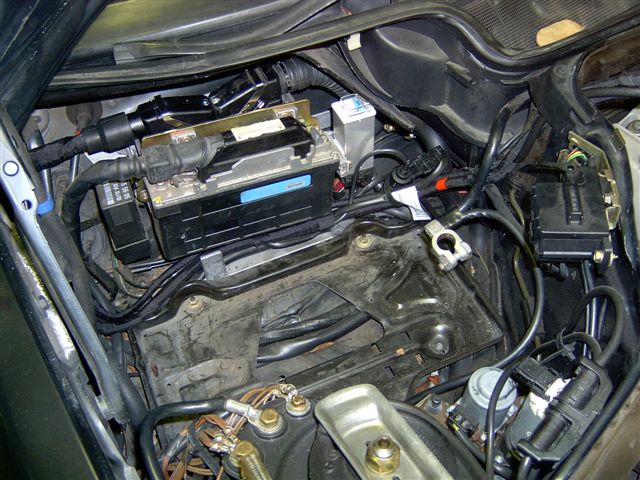
Credit: www.peachparts.com
Preventive Measures
Preventive measures ensure your engine wiring harness functions well. These steps help avoid costly repairs and keep your car safe. Let’s explore key preventive measures.
Regular Maintenance
Regular maintenance is crucial for the health of your engine wiring harness. Here are some tips:
- Inspect the harness for wear and tear.
- Clean connectors to prevent corrosion.
- Check for loose or damaged wires.
Regular checks catch issues early. This can prevent bigger problems. Schedule maintenance every few months.
Proper Installation
Proper installation ensures the wiring harness works correctly. Follow these guidelines:
- Use the correct tools for installation.
- Follow the manufacturer’s instructions.
- Ensure all connections are secure.
Improper installation can lead to problems. Always double-check your work. If unsure, seek professional help.
| Maintenance Task | Frequency |
|---|---|
| Visual Inspection | Monthly |
| Clean Connectors | Every 3 Months |
| Check for Loose Wires | Every 6 Months |

Credit: www.linkedin.com
Frequently Asked Questions
What Are Symptoms Of A Bad Engine Wiring Harness?
A faulty engine wiring harness may cause engine misfires, starting issues, or poor fuel efficiency. Warning lights may also appear.
How Do I Know If My Wiring Harness Is Bad?
Look for signs like frequent stalling, engine misfires, and dashboard warning lights. Physical damage to wires is also a sign.
Can A Bad Wiring Harness Cause Starting Problems?
Yes, a damaged wiring harness can prevent the engine from starting. It disrupts the electrical connections needed.
What Causes Engine Wiring Harness Failure?
Common causes include exposure to heat, moisture, and physical damage. Over time, these factors deteriorate the wiring.
Conclusion
Recognizing engine wiring harness symptoms early can save you from costly repairs. Regular inspections ensure your vehicle runs smoothly. Addressing issues promptly enhances your car’s performance and longevity. Keep your engine wiring in top shape for a safer, more reliable driving experience.
Stay proactive and maintain your vehicle’s health.