
The Frankenstein trike conversion kits have garnered a significant following among motorcycle enthusiasts, particularly those looking to enhance their riding experience with a three-wheeled vehicle. While many users appreciate the quality and craftsmanship of these kits, some have reported various issues during installation and operation.
This article aims to provide an in-depth look at the Frankenstein Trikes Problems faced by owners of Frankenstein trikes, including assembly difficulties, handling concerns, and electrical issues. By understanding these challenges and their solutions, potential buyers and current owners can make informed decisions and enjoy a safer, more enjoyable riding experience.
Table of Contents
- Common Assembly Issues
- Handling and Stability Concerns
- Vibration and Noise Problems
- Electrical System Challenges
- Brake System Failures
- Suspension Problems
- Tire and Alignment Issues
- FAQ
- Conclusion
Common Assembly Issues
Many customers encounter difficulties during the assembly process of Frankenstein trike kits. This section will outline the typical problems faced, including unclear instructions and missing parts, and provide tips for effective assembly.
Clarity of Instructions
One of the most common complaints regarding the assembly of Frankenstein trike kits is the clarity of the instructions provided. Many users report that the instructions can be vague or lack sufficient detail, making assembly challenging.
A lack of clear diagrams and step-by-step guidance can lead to errors during installation, resulting in longer assembly times and potential safety issues while riding.
Missing or Damaged Parts
Another significant issue faced by customers is the arrival of missing or damaged parts. This can lead to frustration and delays in completing the assembly.
According to user feedback, it is essential to carefully inventory all components upon receipt to ensure everything is accounted for before beginning the installation process.
| Assembly Problems | Solutions |
|---|---|
| Unclear Instructions | Request additional guidance from customer support; consult online forums for tips. |
| Missing Parts | Contact Frankenstein Trikes for replacements; check packaging thoroughly. |
| Damaged Parts | Document damage with photos and report to customer service for a replacement. |
In reviewing the data regarding assembly problems, a significant number of users have reported difficulties related primarily to unclear instructions and the occurrence of missing or damaged parts. This suggests that while the kits are generally well-made, the initial user experience can be significantly impacted by the quality of the instructional materials and the shipping process.
Prompt communication with customer service can mitigate these issues; however, ongoing improvements in the clarity of instructions and packaging integrity are necessary to enhance the overall satisfaction of customers during the assembly phase.
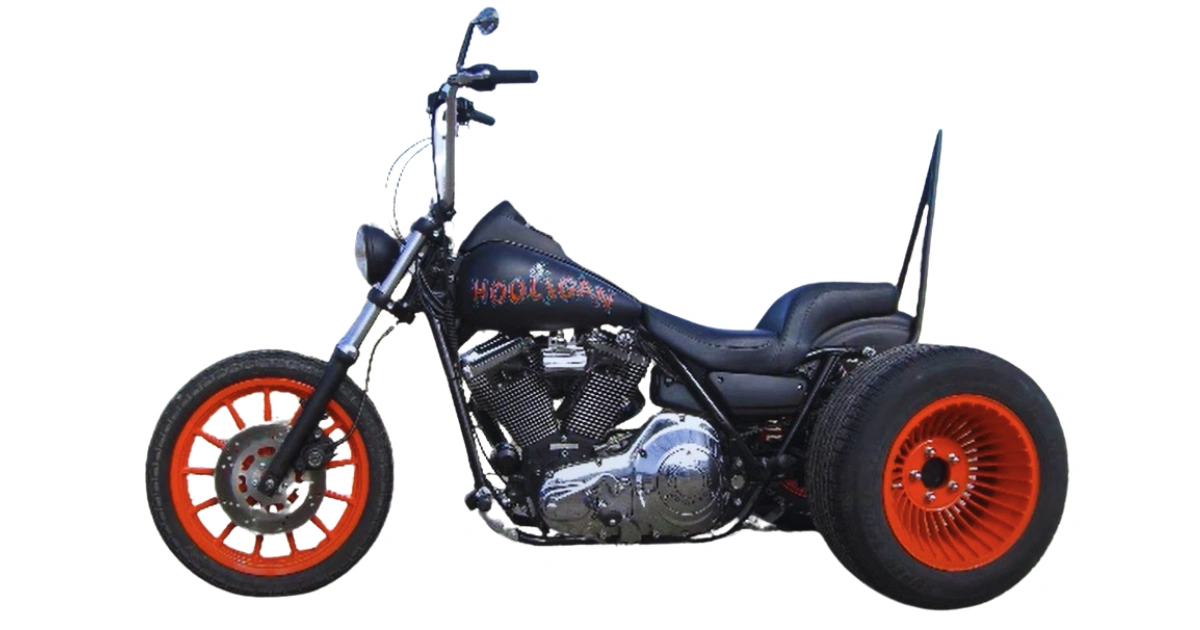
Handling and Stability Concerns
Riders have reported issues related to the handling and stability of their trikes, especially at higher speeds. This section will explore the factors that contribute to these concerns and how to mitigate them.
Tire Pressure Management
Proper tire pressure is crucial for the safe operation of a trike. Many customers have reported that incorrect tire pressure can negatively affect handling, causing the trike to feel unstable or difficult to control.
Regularly checking and maintaining tire pressure is essential to ensure optimal performance and safety while riding.
Suspension Component Inspection
Another factor affecting handling is the condition of the suspension components. Worn or damaged suspension parts can lead to a rough ride and reduced stability.
Regular inspections and timely replacement of any worn components can significantly improve ride quality and enhance handling characteristics.
| Handling Issues | Recommended Solutions |
|---|---|
| Unstable at High Speeds | Ensure proper tire pressure; check all suspension components. |
| Difficulty Steering | Inspect and replace worn steering parts; consider professional alignment. |
| Uneven Tire Wear | Rotate tires regularly; maintain proper alignment. |
The data from user experiences highlights that handling issues, particularly at higher speeds, are often linked to improper tire pressure and suspension wear. By prioritizing regular tire pressure checks and suspension inspections, trike owners can enhance their riding experience significantly.
Additionally, seeking professional assistance for alignment can further improve stability and handling, ultimately leading to a safer and more enjoyable ride.
Vibration and Noise Problems
Excessive vibration and noise can detract from the riding experience. This section will discuss the sources of these issues, including misaligned wheels and worn drivetrain components, along with solutions.
Diagnosing Vibration Sources
Identifying the source of vibrations can be challenging. Common culprits include misaligned wheels, unbalanced tires, and worn drivetrain components.
Riders are encouraged to conduct thorough inspections to diagnose the cause of vibrations effectively.
Solutions for Reducing Noise
To minimize noise, riders should ensure that all components are adequately tightened and aligned. Replacing worn tires and drivetrain parts can also significantly reduce both vibration and noise levels during operation.
Regular maintenance and inspections are key to ensuring a smooth and quiet ride.
| Vibration Sources | Mitigations |
|---|---|
| Misaligned Wheels | Regularly check alignment; adjust as necessary. |
| Worn Tires | Inspect tires for wear; replace as needed. |
| Damaged Drivetrain Components | Inspect and replace any worn components; maintain regular service intervals. |
Customer feedback indicates that vibrations and noise are prevalent concerns among trike owners. The primary sources of these issues are often related to wheel alignment and the condition of tires and drivetrain components.
By conducting regular inspections and addressing any worn parts promptly, riders can significantly enhance their riding comfort and overall experience. Additionally, ensuring that tires are well-maintained and properly balanced can mitigate excessive noise, further contributing to a more enjoyable ride.
Electrical System Challenges
Electrical issues can be frustrating for trike owners, affecting everything from lighting to battery performance. This section will cover common electrical problems and preventative measures.
Battery Maintenance Tips
Regular battery maintenance is crucial for the reliable operation of electrical systems. Owners should ensure that battery terminals are clean and free of corrosion, and that the battery is charged.
If a battery is more than three years old, it may be wise to consider a replacement.
Wiring Inspection Guidelines
Inspecting the wiring harness for damage is vital to avoid electrical failures. Common signs of wiring issues include flickering lights and inconsistent power to accessories.
Keeping connections secure and using quality connectors can help prevent future electrical problems.
| Electrical Issues | Solutions |
|---|---|
| Dimming Lights | Inspect battery and connections; replace if necessary. |
| Flickering Lights | Check wiring for damage; secure all connections. |
| Non-Functional Accessories | Inspect and replace faulty components; ensure battery is charged. |
The data presented indicates that electrical issues are a common challenge for Frankenstein trike users. Battery maintenance and wiring integrity are critical factors in preventing these problems.
Regular checks and prompt repairs can help ensure that electrical systems function reliably, enhancing the overall riding experience. Moreover, investing in quality components for electrical systems can lead to increased dependability and performance over time, making for a more enjoyable journey on the road.
Brake System Failures
Proper braking is critical for safety, yet some riders experience brake failures. This section will identify common brake system issues, including soft brake pedals and uneven braking.
Identifying Brake Problems
Common symptoms of brake issues include a soft or spongy brake pedal, uneven braking, and unusual noises when braking. These signs often indicate air in the brake lines, worn brake pads, or issues with the brake calipers.
Regular inspections can help identify these problems before they lead to serious safety concerns.
Regular Brake Maintenance Practices
To maintain optimal braking performance, it is essential to inspect brake fluid levels and the condition of brake pads regularly. Promptly replacing worn components and ensuring proper bleeding of brake lines can help prevent brake failure and enhance safety while riding.
| Brake Issues | Recommended Actions |
|---|---|
| Soft Brake Pedal | Inspect brake lines for air; bleed brakes as necessary. |
| Uneven Braking | Check brake pad wear; replace as needed. |
| Brake Noise | Inspect calipers and pads; replace worn components. |
The feedback collected regarding brake system failures highlights that issues often stem from improper maintenance or component wear. Regular inspections and maintenance are critical in ensuring that the braking system remains reliable and effective.
By taking proactive measures, such as promptly replacing worn brake pads and bleeding the brake lines, riders can significantly improve safety and enhance their overall riding experience.
Suspension Problems
The suspension system plays a vital role in ride quality. This section will address common suspension-related issues, their causes, and maintenance tips to ensure optimal performance.
Signs of Suspension Wear
Common signs of suspension wear include excessive bouncing, uneven tire wear, and difficulty steering. Identifying these issues early on can prevent further damage and ensure a smoother ride.
Importance of Regular Inspections
Regular inspections of suspension components, including shocks and struts, are essential for maintaining ride quality and safety. Replacing worn parts can significantly improve ride comfort and handling characteristics, enhancing the overall experience for riders.
| Suspension Issues | Solutions |
|---|---|
| Excessive Bouncing | Inspect and replace worn shocks or struts. |
| Uneven Tire Wear | Check alignment and suspension condition; adjust as necessary. |
| Difficulty Steering | Inspect suspension components; replace any damaged parts. |
The analysis of suspension problems indicates that many issues arise from neglecting regular inspections and maintenance. By prioritizing the condition of suspension components, trike owners can significantly enhance their ride quality and safety.
Furthermore, addressing any signs of wear promptly can prevent more extensive and costly repairs in the future, fostering a more enjoyable riding experience.
Tire and Alignment Issues
Proper tire maintenance and alignment are crucial for safe and efficient riding. This section will cover the signs of tire issues and how to maintain proper alignment.
Tire Maintenance Best Practices
Maintaining proper tire pressure and regularly rotating tires can help extend their lifespan. Additionally, inspecting for punctures and replacing damaged tires is crucial for safety.
Aligning Your Trike
Poor alignment can lead to handling issues and uneven tire wear. Signs of alignment problems include the vehicle pulling to one side, a steering wheel that is off-center, and rapid tire wear.
Having the alignment checked regularly is essential for maintaining optimal handling and tire longevity.
| Tire and Alignment Problems | Solutions |
|---|---|
| Uneven Tire Wear | Rotate tires regularly; check alignment. |
| Low Tire Pressure | Check and adjust tire pressure monthly. |
| Punctured Tires | Inspect regularly; replace damaged tires. |
Data from user experiences regarding tire and alignment issues reveals that owners frequently overlook the importance of regular checks and maintenance. By maintaining proper tire pressure and ensuring regular rotations, riders can significantly extend tire life and enhance safety.
Additionally, routine alignment checks are crucial for preventing handling issues and ensuring a smooth ride, ultimately leading to a more pleasurable triking experience.
FAQs on Frankenstein Trikes Problems
What are the most common problems with Frankenstein trikes?
The most common problems reported by owners include assembly difficulties due to unclear instructions, handling concerns at higher speeds, electrical system challenges, and noise or vibration issues. Each of these can significantly impact the riding experience, making it essential for both prospective and current owners to be aware of them.
How do I properly maintain my Frankenstein trike?
Proper maintenance includes regular inspections of all mechanical systems, including brakes, suspension, electrical components, and tires. Keeping up with manufacturer recommendations for service, checking fluid levels, and addressing any wear promptly will enhance both safety and performance.
Can I install the trike kit myself, or do I need professional help?
While many users report successfully installing the kit themselves, a certain level of mechanical knowledge is required. For those less experienced, seeking professional assistance can ensure proper installation and help avoid common pitfalls during assembly.
How can I improve the handling of my trike?
Improving handling can often be achieved by ensuring proper tire pressure and conducting regular suspension inspections. Additionally, using raked triple trees can enhance steering and stability, especially at higher speeds, leading to a more comfortable ride.
Are there specific safety concerns for trike conversions?
Yes, trike conversions can introduce unique stability and handling challenges that differ from traditional motorcycles. Ensuring proper assembly, maintenance, and rider training, along with using appropriate safety gear, will help mitigate these risks and enhance the overall riding experience.
Conclusion
In conclusion, while Frankenstein trikes offer an exciting opportunity for motorcycle enthusiasts to experience the thrill of three-wheeled riding, it is essential to be aware of the potential challenges that can arise. By understanding the common problems and implementing the recommended solutions, riders can enhance their experience and ensure their trike remains in optimal condition.
Regular maintenance, careful assembly, and proactive problem-solving are key to enjoying the freedom and joy that Frankenstein trikes can provide.