
Fuel injection motorcycle problems often include issues with the fuel pump, clogged injectors, and faulty sensors. These problems can lead to poor performance and reduced fuel efficiency.
Fuel injection systems have replaced carburetors in modern motorcycles due to their efficiency and reliability. Despite their advantages, fuel injection motorcycles can still encounter problems. Common issues include fuel pump failures, clogged injectors, and malfunctioning sensors. These issues can result in engine stalling, poor throttle response, and decreased fuel efficiency.
Regular maintenance, including cleaning injectors and checking sensor functionality, is crucial to prevent these problems. Understanding and addressing these common issues can help maintain the performance and longevity of fuel injection motorcycles. Proper care ensures a smooth and enjoyable riding experience.
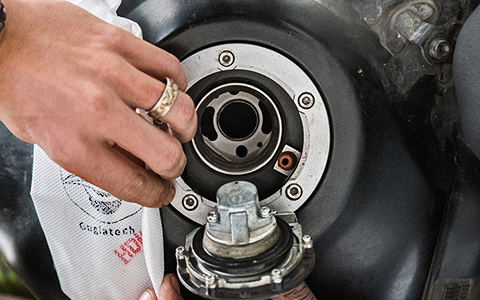
Credit: adventuremotorcycle.com
Common Fuel Injection Issues
Fuel injection systems in motorcycles are reliable. But they can have problems. These issues can affect the bike’s performance and efficiency. Understanding the common problems helps in timely fixing them.
Symptoms Of Malfunctions
Recognizing the symptoms of fuel injection problems is essential.
- Engine Misfiring: The engine sputters or misses beats.
- Poor Fuel Efficiency: The bike consumes more fuel than usual.
- Hard Starting: The engine takes longer to start or doesn’t start.
- Unstable Idle: The engine idles roughly or stalls.
- Loss of Power: The bike struggles to accelerate or maintain speed.
Causes Behind Problems
Several factors can cause fuel injection issues. Knowing these causes can help prevent them.
- Clogged Fuel Injectors: Dirt or debris blocks the injectors.
- Faulty Fuel Pump: The pump fails to deliver fuel properly.
- Bad Fuel Pressure Regulator: Incorrect fuel pressure affects performance.
- Electrical Problems: Wiring issues disrupt the injection system.
- Sensors Malfunctions: Faulty sensors give incorrect data to the ECU.
A table can summarize the symptoms and causes:
| Symptoms | Causes |
|---|---|
| Engine Misfiring | Clogged Fuel Injectors |
| Poor Fuel Efficiency | Bad Fuel Pressure Regulator |
| Hard Starting | Faulty Fuel Pump |
| Unstable Idle | Electrical Problems |
| Loss of Power | Sensors Malfunctions |
Engine Starting Troubles
Fuel injection motorcycles are popular for their efficiency. Yet, they can face engine starting troubles. These issues can be frustrating for riders. Let’s explore common problems like cold start issues and warm start problems.
Cold Start Issues
Cold start issues happen in the morning or after long rests. The engine may not start easily. This can be due to several reasons:
- Battery Weakness: A weak battery can cause poor starts.
- Fuel Pump Issues: The fuel pump might not deliver fuel properly.
- Temperature Sensors: Faulty sensors can misread engine temperature.
To diagnose, check the battery voltage first. Ensure it is fully charged. Inspect the fuel pump for any blockages. Test the temperature sensors for accuracy.
Warm Start Problems
Warm start problems occur when the engine is already warm. The engine might struggle to restart. Key reasons include:
- Fuel Vaporization: Fuel may vaporize in hot conditions, causing issues.
- Faulty Injector: An injector might be leaking or clogged.
- ECU Malfunction: The ECU might send incorrect signals.
For these issues, check for fuel leaks around the injectors. Clean or replace faulty injectors. Ensure the ECU is functioning correctly.
| Issue | Possible Cause | Solution |
|---|---|---|
| Cold Start | Weak Battery | Charge or Replace Battery |
| Cold Start | Fuel Pump Issues | Inspect Fuel Pump |
| Warm Start | Fuel Vaporization | Check Fuel Lines |
| Warm Start | Faulty Injector | Clean or Replace Injector |
Poor Fuel Efficiency
Motorcycle riders often face poor fuel efficiency due to fuel injection problems. This can lead to increased fuel consumption and reduced mileage. Understanding these issues can help you take the necessary steps to improve your bike’s performance.
Increased Fuel Consumption
One of the primary symptoms of fuel injection problems is increased fuel consumption. Your motorcycle may consume more fuel than usual. This can be caused by several factors, such as:
- Clogged fuel injectors
- Faulty sensors
- Improper air-fuel mixture
Clogged injectors prevent the right amount of fuel from reaching the engine. Faulty sensors can provide incorrect data, leading to improper fuel delivery. An incorrect air-fuel mixture can also cause the engine to burn more fuel.
Reduced Mileage
Reduced mileage is another common issue linked to fuel injection problems. Your motorcycle might not travel as far on a full tank as it used to. This reduction in mileage can be due to:
- Leaking injectors
- Dirty fuel filters
- Worn-out spark plugs
Leaking injectors can cause fuel to be wasted. Dirty filters restrict the flow of fuel, leading to inefficiency. Worn-out spark plugs can cause incomplete combustion, reducing the distance your bike can cover.
| Issue | Possible Cause |
|---|---|
| Increased Fuel Consumption | Clogged injectors, faulty sensors, improper air-fuel mixture |
| Reduced Mileage | Leaking injectors, dirty filters, worn-out spark plugs |
Regular maintenance can help address these fuel injection problems. Clean or replace the injectors, sensors, filters, and spark plugs as needed. This will help improve fuel efficiency and ensure your motorcycle runs smoothly.

Credit: m.youtube.com
Engine Performance Problems
Fuel injection motorcycles offer efficiency and power. But, they can face engine performance problems. These issues can be frustrating. They often lead to a decrease in overall riding experience.
Loss Of Power
One common issue is loss of power. This can happen due to several reasons. A clogged fuel injector is a frequent cause. Dirt and debris block the fuel flow, reducing power.
To diagnose this issue, check for these symptoms:
- Sluggish acceleration
- Reduced speed
- Delayed throttle response
Another possible cause is a failing fuel pump. A weak fuel pump can’t supply enough fuel. This results in a noticeable loss of power.
Regular maintenance is key. Clean the fuel injectors and check the fuel pump. This helps maintain optimal power levels.
Engine Stalling
Engine stalling is another common problem. The engine suddenly stops running. This can be dangerous, especially at high speeds.
Several factors can cause engine stalling:
- Faulty fuel injectors
- Weak battery
- Dirty air filter
A faulty fuel injector can disrupt the fuel supply. This leads to inconsistent engine performance. A weak battery can also cause stalling. It may not provide enough power for the fuel injection system.
A dirty air filter restricts airflow. This affects the air-fuel mixture, causing the engine to stall. Regularly inspect and clean the air filter. Replace it if necessary.
Here’s a quick maintenance checklist:
| Component | Maintenance Task |
|---|---|
| Fuel Injectors | Clean or replace |
| Battery | Check and charge |
| Air Filter | Clean or replace |
By following these steps, you can prevent engine performance problems. Ensure your fuel injection motorcycle runs smoothly and efficiently.
Fuel Injector Failures
Fuel injector failures are common issues in fuel injection motorcycles. They can greatly affect performance and efficiency. Knowing the types of failures helps in maintaining your motorcycle better.
Clogged Injectors
Clogged injectors can cause poor engine performance. Dirt and debris can block the fuel flow. This results in uneven power and poor fuel economy. Regular maintenance helps prevent clogs.
Symptoms of clogged injectors include:
- Engine misfires
- Poor fuel efficiency
- Rough idling
- Reduced acceleration
Using clean fuel and fuel additives can reduce clogs. A professional mechanic can also clean the injectors.
Leaking Injectors
Leaking injectors can lead to fuel wastage. This issue can also cause engine damage. Leaks usually occur due to worn-out seals or cracks in the injector body.
Signs of leaking injectors include:
- Fuel odor around the motorcycle
- Hard starting
- Increased fuel consumption
- Black smoke from the exhaust
Regularly inspect the injectors for leaks. Replace faulty injectors promptly to prevent further damage.

Credit: m.youtube.com
Electronic Control Unit (ecu) Issues
The Electronic Control Unit (ECU) is a crucial component in fuel injection motorcycles. It manages fuel delivery and ensures optimal performance. Issues with the ECU can lead to various motorcycle problems.
Faulty Sensors
Faulty sensors can disrupt the ECU’s function. These sensors provide critical data to the ECU. When they fail, the ECU receives incorrect information. This can cause poor fuel efficiency and engine performance.
- Oxygen Sensor: Monitors the exhaust gases.
- Throttle Position Sensor: Tracks the throttle’s position.
- Engine Temperature Sensor: Measures the engine’s temperature.
Replace faulty sensors to restore proper ECU function.
Software Glitches
Software glitches in the ECU can also create issues. These glitches may result from corrupted files or outdated software.
- Update the ECU software regularly.
- Check for any software patches.
- Consult a professional if glitches persist.
Maintaining the software ensures the ECU operates correctly.
Diagnosing Fuel Injection Problems
Fuel injection systems in motorcycles are intricate and vital for performance. Diagnosing problems early can save time and money. Understanding the basics of diagnosis is crucial. Below, we explore methods to identify issues efficiently.
Using Diagnostic Tools
Modern motorcycles often come with onboard diagnostics (OBD). These systems help in identifying faults quickly. Use an OBD scanner to read error codes from the ECU. The scanner connects to the motorcycle’s diagnostic port. Follow these steps:
- Locate the diagnostic port on your motorcycle.
- Connect the OBD scanner to the port.
- Turn on the ignition to power the ECU.
- Read and record the error codes displayed.
Interpreting these codes is essential. Refer to the motorcycle’s service manual for code meanings. This helps pinpoint the exact issue.
Visual Inspections
Performing a visual inspection is a straightforward approach. Start by checking the fuel injectors. Look for signs of dirt, corrosion, or leaks. Ensure the connections are secure and undamaged.
Inspect the fuel lines for cracks or wear. Damaged lines can cause fuel leaks and pressure drops. Examine the fuel filter for clogs. A blocked filter restricts fuel flow, causing performance issues.
Check the air intake system. Ensure the air filter is clean and the intake passages are clear. Blockages can affect the air-fuel mixture, leading to poor performance.
| Component | What to Check |
|---|---|
| Fuel Injectors | Signs of dirt, corrosion, leaks |
| Fuel Lines | Cracks, wear, secure connections |
| Fuel Filter | Clogs, blockages |
| Air Intake System | Clean filter, clear passages |
Regular inspections and maintenance prevent issues. They ensure your motorcycle runs smoothly.
Preventive Maintenance Tips
Maintaining your motorcycle’s fuel injection system is essential. It helps you avoid costly repairs and ensures a smooth ride. Let’s dive into some preventive maintenance tips that can keep your fuel injection system in top shape.
Regular Cleaning
Cleaning your motorcycle’s fuel injectors is crucial. Dirt and debris can clog the injectors, leading to poor performance. Here are steps to follow:
- Use a fuel injector cleaner. Add it to your fuel tank every few months.
- Remove the injectors if necessary and clean them manually.
- Check the air filter. Replace it if it’s dirty to ensure clean air flows into the system.
Regular cleaning ensures that your fuel injectors function correctly. It also helps in maintaining the overall health of your motorcycle’s engine.
Timely Replacements
Replacing worn-out parts is vital for the longevity of your fuel injection system. Here are some parts to keep an eye on:
| Part | Replacement Interval |
|---|---|
| Fuel Filter | Every 10,000 miles |
| Spark Plugs | Every 20,000 miles |
| Oxygen Sensor | Every 30,000 miles |
Keeping track of these replacements helps in preventing major issues. It ensures your motorcycle runs smoothly and efficiently.
By following these preventive maintenance tips, you can avoid common fuel injection problems. This will help you enjoy a hassle-free ride and extend the lifespan of your motorcycle.
When To Seek Professional Help
Fuel injection systems are crucial for motorcycle performance. Sometimes, issues arise that need expert attention. Knowing when to seek professional help can save time and money. This section will guide you on recognizing severe issues and choosing the right mechanic.
Signs Of Severe Issues
Here are some signs that indicate severe issues with your motorcycle’s fuel injection system:
- Engine misfires: Frequent misfires could signal serious problems.
- Poor fuel economy: A sudden drop in fuel efficiency is a bad sign.
- Starting problems: Difficulty starting the engine often requires expert help.
- Unusual noises: Strange sounds may indicate internal damage.
- Check engine light: This warning should never be ignored.
Choosing A Mechanic
Selecting the right mechanic is essential for fixing fuel injection issues. Here are some tips:
- Research: Look for mechanics with good reviews and ratings.
- Experience: Choose a mechanic with experience in fuel injection systems.
- Certifications: Check if the mechanic has relevant certifications.
- Warranty: Ensure they offer a warranty for their work.
- Estimates: Get detailed cost estimates before proceeding.
By following these steps, you can ensure your motorcycle gets the best care possible. A well-maintained fuel injection system ensures better performance and longevity for your motorcycle.
Frequently Asked Questions
What Causes Fuel Injection Problems In Motorcycles?
Fuel injection problems in motorcycles can be caused by clogged injectors, faulty sensors, or fuel pump issues. Regular maintenance helps prevent these issues.
How Do I Know If My Fuel Injector Is Bad?
Signs of a bad fuel injector include poor engine performance, rough idling, and decreased fuel efficiency. A diagnostic check can confirm.
Can I Clean Motorcycle Fuel Injectors Myself?
Yes, you can clean motorcycle fuel injectors using a fuel injector cleaner. Follow the product instructions for best results.
What Happens If Fuel Injectors Are Not Cleaned?
Dirty fuel injectors can lead to poor engine performance, increased emissions, and reduced fuel efficiency. Regular cleaning is essential.
Conclusion
Understanding fuel injection motorcycle problems helps maintain optimal performance. Regular maintenance and prompt repairs can prevent major issues. Stay informed about common problems to ensure a smooth ride. Addressing these concerns promptly enhances your motorcycle’s lifespan and reliability. Keep your bike running efficiently by staying proactive with its care.