
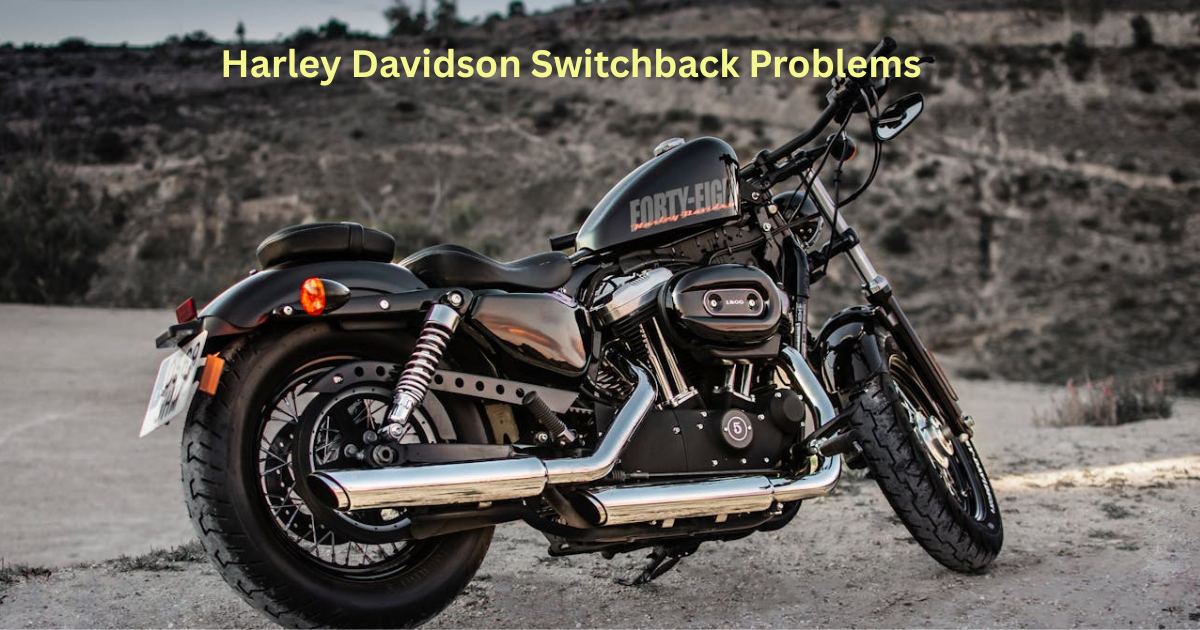
The Harley Davidson Switchback, a unique blend of touring and cruiser styles, has captivated a dedicated following since its debut in 2012. This versatile bike, known for its lightweight design and comfortable riding position, appeals to both casual riders and those seeking more adventure.
However, like any motorcycle, the Switchback isn’t without its issues. Owners have reported a variety of problems ranging from excessive vibrations to saddlebag attachment concerns.
Understanding these common issues is crucial for both prospective buyers and current owners. In this article, we will explore Harley Davidson Switchback Problems, supported by rider experiences and expert insights.
We will discuss the origins of these issues, potential solutions, and essential maintenance tips to enhance your riding experience. Whether you are considering a purchase or are already a proud owner, being informed about these challenges can help you make the most of your time on the open road.
Table of Contents
- Excessive Vibration
- Saddlebag Issues
- Handling and Chassis Sensitivity
- Engine Performance Concerns
- Brake Performance Issues
- Heat Management Problems
- Fuel Economy and Range Concerns
- Noise Concerns
- Tire Wear and Selection
Excessive Vibration
One of the most frequently reported issues with the Switchback is excessive vibration, particularly noticeable at higher RPMs. This discomfort is often felt around the 2,700 to 3,000 RPM range, which can lead to an unpleasant riding experience, especially during long trips.
Causes of Vibration
The primary causes of vibration in the Switchback can be attributed to several factors:
- Engine Mount Issues: Worn or misaligned engine mounts can exacerbate vibration levels.
- Drivetrain Alignment: Improper alignment of the drivetrain can lead to unwanted vibrations throughout the motorcycle.
- Exhaust System Setup: The stock exhaust system is known for transmitting vibrations more than aftermarket options.
Symptoms to Watch For
Riders should be vigilant for the following symptoms:
- Excessive hand or foot vibration, especially at higher speeds.
- Fatigue during longer rides due to discomfort.
- Unusual noises that may indicate misalignment or loose components.
Solutions and Modifications
To mitigate vibration issues, consider the following solutions:
- Motor Mount Replacement: Replacing or adjusting engine mounts can significantly reduce vibrations.
- Aftermarket Exhaust: Installing a different exhaust system, such as Vance & Hines or Bassani, tends to alleviate vibration problems.
- Drivetrain Alignment: Regular checks and realignment of the drivetrain components can prevent unwanted movement.
| Common Causes of Vibration | Potential Fixes |
|---|---|
| Worn Engine Mounts | Replace or adjust engine mounts |
| Misaligned Drivetrain | Realign drivetrain components |
| Stock Exhaust Setup | Install aftermarket exhaust |
The data presented in the table above highlights the common causes and potential fixes for vibration issues experienced by Harley Davidson Switchback owners. It is evident that a significant portion of the vibrations can be traced back to engine mounts and exhaust setups.
By addressing these components, riders can significantly improve their riding experience and minimize discomfort. Regular maintenance checks and the use of aftermarket parts are essential in achieving a smoother ride.
Saddlebag Issues
The Switchback is equipped with quick-release saddlebags, designed for easy attachment and detachment. However, some riders have reported problems with these bags becoming loose or even detaching while riding.
Proper Engagement Techniques
To ensure the saddlebags stay securely attached:
- Always listen for the audible “click” when securing the saddlebags.
- Perform a quick check to ensure they are mounted correctly before each ride.
Locking Mechanism Concerns
Many issues arise from the locking mechanism not engaging properly, leading to unexpected detachment. It’s crucial to regularly inspect the locking components for wear and functionality.
Alternatives for Better Security
For added peace of mind, consider these alternatives:
- Using zip ties through the mounting plates for additional security.
- Upgrading to a more reliable aftermarket saddlebag system if detachment is a recurring issue.
| Common Saddlebag Issues | Potential Solutions |
|---|---|
| Loose Saddlebags | Ensure proper engagement; check for clicks |
| Locking Mechanism Failure | Inspect and replace locking components |
| Saddlebag Detachment | Use zip ties for extra security |
The table above summarizes common saddlebag problems and potential solutions for Harley Davidson Switchback owners. The frequent issues of loose saddlebags and locking mechanism failures highlight the need for proper maintenance and engagement techniques.
By implementing the suggested solutions, riders can enhance the reliability of their saddlebags, ensuring a safer and more enjoyable riding experience.
Handling and Chassis Sensitivity
The Switchback, built on a unique Dyna platform, is sensitive to handling and chassis adjustments. This section discusses how these sensitivities affect the overall riding experience.
Importance of Proper Alignment
Misalignment can lead to poor handling and stability:
- Regular Alignment Checks: Ensuring the front and rear wheels are properly aligned is crucial for safe riding.
- Suspension Settings: Adjusting these settings can improve comfort and handling.
Effects of Suspension Settings
Improper suspension settings can result in a harsh ride:
- Worn shocks can lead to decreased stability and comfort.
- Adjusting preload settings according to rider weight enhances performance.
Upgrading Stabilizers
Aftermarket stabilizers can greatly enhance handling:
- These components limit excessive engine movement, providing a smoother ride.
- Investing in high-quality stabilizers can lead to significant improvements in control.
| Key Handling Adjustments | Related Benefits |
|---|---|
| Proper Wheel Alignment | Improved stability and control |
| Suspension Adjustments | Enhanced comfort and handling |
| Aftermarket Stabilizers | Reduced vibrations, improved handling |
The handling and chassis adjustments table outlines essential modifications that can enhance the riding experience of the Harley Davidson Switchback. Proper alignment, suspension adjustments, and stabilizer upgrades are critical for achieving optimal performance.
Riders should prioritize these enhancements to ensure a comfortable and stable ride, particularly on longer journeys or challenging terrains.
Engine Performance Concerns
Engine-related issues can significantly impact the riding experience. This section explores common concerns regarding the Harley Davidson Switchback’s engine performance.
Flywheel Alignment Problems
Misalignment of the flywheel can lead to increased vibrations:
- Inspection: Regular checks for flywheel alignment are essential to maintain engine performance.
- Professional Balancing: If misalignment is found, consulting a mechanic for adjustments is advisable.
Performance Upgrades
To enhance engine performance:
- Consider aftermarket modifications such as improved exhaust systems and air intakes.
- Regular maintenance, including oil changes and filter replacements, keeps the engine running smoothly.
Regular Maintenance Tips
Maintaining the engine is vital for longevity:
- Check and replace fluids regularly to ensure optimal performance.
- Monitor the engine for unusual noises or performance drops.
| Common Engine Issues | Solutions |
|---|---|
| Flywheel Misalignment | Regular inspections and professional balancing |
| Performance Drops | Regular maintenance and performance upgrades |
| Excessive Vibrations | Check and replace worn engine mounts |
The table above highlights common engine issues and their respective solutions for Harley Davidson Switchback owners. Notably, addressing flywheel alignment and performing regular maintenance are critical steps in ensuring optimal engine performance.
By staying proactive, riders can enhance their overall experience and extend the lifespan of their motorcycle’s engine.
Brake Performance Issues
Braking performance is crucial for safety, and several issues can arise with the Switchback’s braking system.
ABS System Reliability
While the Switchback comes equipped with an ABS system, some riders have reported concerns about its engagement:
- Regularly check the ABS sensors for cleanliness.
- Ensure brake fluid levels are adequate for system performance.
Worn Brake Pads Signs
Signs of wear in brake pads can include:
- Squeaking or Grinding: These noises indicate that brake pads may need replacing.
- Reduced Stopping Power: If stopping distances increase, it may be time for new pads.
Upgrading Brake Components
For improved braking performance:
- Consider aftermarket brake pads and rotors for better stopping power.
- Routine maintenance checks on the braking system can prevent issues.
| Common Brake Issues | Maintenance Practices |
|---|---|
| Worn Brake Pads | Inspect and replace as necessary |
| Low Brake Fluid | Regularly check and refill brake fluid |
| ABS Failure | Clean sensors and check connections |
The data in the table illustrates common brake performance issues for Harley Davidson Switchback owners. Notably, worn brake pads and low brake fluid are significant contributors to decreased stopping power.
Implementing routine maintenance checks and considering upgrades can enhance braking reliability and safety, ensuring that riders feel secure during their journeys.
Heat Management Problems
The Switchback’s engine can generate significant heat, particularly in stop-and-go traffic or during long rides. Managing heat effectively is vital for rider comfort and engine longevity.
Aftermarket Cooling Solutions
To combat excess heat:
- Consider installing aftermarket oil coolers or fans.
- Using synthetic oils can help manage engine temperatures better.
Regular Maintenance Tips
Routine maintenance is essential:
- Check cooling systems for any blockages or leaks.
- Monitor oil levels and replace as needed to ensure optimal performance.
Riding Techniques to Reduce Heat
Adopting certain riding techniques can help:
- Reduce idling time in traffic to minimize heat buildup.
- Take breaks during long rides to allow the engine to cool.
| Effective Heat Management Strategies | Expected Benefits |
|---|---|
| Install Aftermarket Cooling Systems | Improved engine temperature control |
| Use Synthetic Oils | Better heat resistance and lubrication |
| Monitor Oil Levels | Prevent overheating and engine wear |
The heat management strategies outlined in the table provide valuable insights for Harley Davidson Switchback owners. Employing aftermarket cooling solutions and utilizing synthetic oils are proactive measures that can significantly reduce engine temperatures.
Regular monitoring of oil levels is crucial for maintaining engine health, especially during extended rides or in hot conditions.
Fuel Economy and Range Concerns
While the Switchback offers decent fuel economy, optimizing performance for long trips is often a concern for riders.
Tuning for Better Efficiency
To improve fuel efficiency:
- Consider tuning the engine for optimal performance.
- Utilize high-quality fuel to maximize efficiency.
Potential Upgrades
Upgrading components can enhance fuel economy:
- Installing a larger aftermarket fuel tank can extend range.
- Utilizing fuel management systems can optimize fuel delivery.
Auxiliary Fuel Solutions
For longer trips, consider:
- Carrying auxiliary fuel containers for extended journeys.
- Planning refueling stops strategically to avoid running low.
| Fuel Economy Comparisons | Typical MPG Range |
|---|---|
| Harley Davidson Switchback | 42-47 MPG |
| Comparative Models | 40-45 MPG |
The fuel economy comparison table presents the Harley Davidson Switchback’s MPG range alongside similar models. The Switchback’s performance is commendable, yet riders seeking improved efficiency should focus on tuning and potential upgrades.
By maximizing fuel economy, riders can enhance their experience on long trips, reducing the frequency of refueling stops.
Noise Concerns
The stock exhaust system can cause noise complaints among Switchback owners. This section explores options for sound modification.
Aftermarket Exhaust Options
To alter the sound profile:
- Consider installing aftermarket exhaust systems for improved sound quality.
- Options range from louder, more aggressive tones to quieter alternatives.
Sound Preferences
Every rider has unique sound preferences:
- Choose exhaust systems that align with personal tastes.
- Test different options to find the most satisfying sound.
Noise Regulation Compliance
Ensure the chosen exhaust complies with local noise regulations:
- Research local laws regarding motorcycle noise levels.
- Opt for systems that meet or exceed legal requirements.
| Comparison of Stock vs. Aftermarket Exhausts | Decibel Levels |
|---|---|
| Stock Exhaust | 85-90 dB |
| Vance & Hines Shortshots | 95-100 dB |
| Bassani Road Rage | 100-105 dB |
The noise comparison table effectively illustrates the decibel levels associated with stock and aftermarket exhaust systems for the Harley Davidson Switchback. Riders looking to modify their exhaust should be aware of the sound levels to ensure compliance with local regulations while achieving their desired auditory experience.
The choice of exhaust can significantly enhance not only the bike’s sound but also its overall riding enjoyment.
Tire Wear and Selection
Tire maintenance is crucial for safe riding, and understanding tire wear issues is essential for Switchback owners.
Common Causes of Tire Wear
Tire wear can be accelerated by various factors:
- Improper Tire Pressure: Both under-inflation and over-inflation can lead to uneven wear.
- Alignment Issues: Misalignment can exacerbate tire wear significantly.
- Riding Style: Aggressive riding can lead to faster tire degradation.
Recommended Tire Types
Choosing the right tires is crucial:
- Opt for touring-specific tires for better durability on long rides.
- Consider brands known for quality and longevity, such as Michelin or Dunlop.
Maintenance Tips for Longevity
To extend tire life:
- Regularly check tire pressure and adjust accordingly.
- Rotate tires as recommended to promote even wear.
| Tire Wear Types | Recommended Actions |
|---|---|
| Center Wear | Check for over-inflation |
| Edge Wear | Inspect for under-inflation |
| Uneven Wear | Check wheel alignment |
The tire wear types table outlines common issues and the recommended actions for Harley Davidson Switchback owners. Proper maintenance can significantly extend tire life and ensure safety on the road.
Riders should be proactive in monitoring tire conditions and addressing wear issues promptly, as this can have a direct impact on handling and performance.
FAQs on Harley Davidson Switchback Problems
What are the most common problems with the Harley Davidson Switchback?
The most common problems reported by Harley Davidson Switchback owners include excessive vibrations, saddlebag attachment issues, handling and chassis sensitivity, engine performance concerns, brake performance issues, heat management problems, fuel economy and range concerns, noise complaints, and tire wear issues. Understanding these problems can help owners address them effectively and enhance their riding experience.
How can I reduce vibration on my Switchback?
To reduce vibration on a Harley Davidson Switchback, consider replacing or adjusting the engine mounts, ensuring proper drivetrain alignment, and installing aftermarket exhaust systems. Regular maintenance checks can help identify any misalignments or worn components that contribute to vibrations.
Additionally, consulting with a professional mechanic for a thorough inspection may provide further insights into vibration reduction strategies.
Are the saddlebags secure enough for long trips?
While the Switchback’s saddlebags are designed with a quick-release mechanism for convenience, some owners have reported issues with them becoming loose or detaching. To ensure security during long trips, always check that saddlebags are properly locked into place with an audible click.
For added security, consider using zip ties through the mounting plates or upgrading to more reliable aftermarket saddlebags.
What performance upgrades can I make to my Switchback?
Performance upgrades for the Harley Davidson Switchback can include installing aftermarket exhaust systems, upgrading the air intake, and tuning the engine for better efficiency. Additionally, regular maintenance practices, such as oil changes and checking fluid levels, can enhance overall performance.
Consulting with a professional mechanic can help identify the best upgrades for your specific needs.
How do I improve my bike’s fuel economy?
To improve the fuel economy of a Harley Davidson Switchback, consider tuning the engine, using high-quality fuel, and performing regular maintenance. Installing a larger aftermarket fuel tank or utilizing auxiliary fuel containers can help extend range on long trips.
Additionally, adopting fuel-efficient riding habits, such as maintaining steady speeds and minimizing idling, can further enhance fuel efficiency.
Final thoughts : Harley Davidson Switchback Problems
In conclusion, while the Harley Davidson Switchback is a versatile and enjoyable motorcycle, it is not without its challenges. Understanding these common problems can empower riders to address them proactively, ensuring a smoother and safer riding experience.
With proper maintenance, adjustments, and upgrades, owners can enjoy the unique blend of touring and cruising that the Switchback offers. Whether you’re a new owner or a seasoned rider, being informed about these issues is key to maximizing your enjoyment on the open road.